

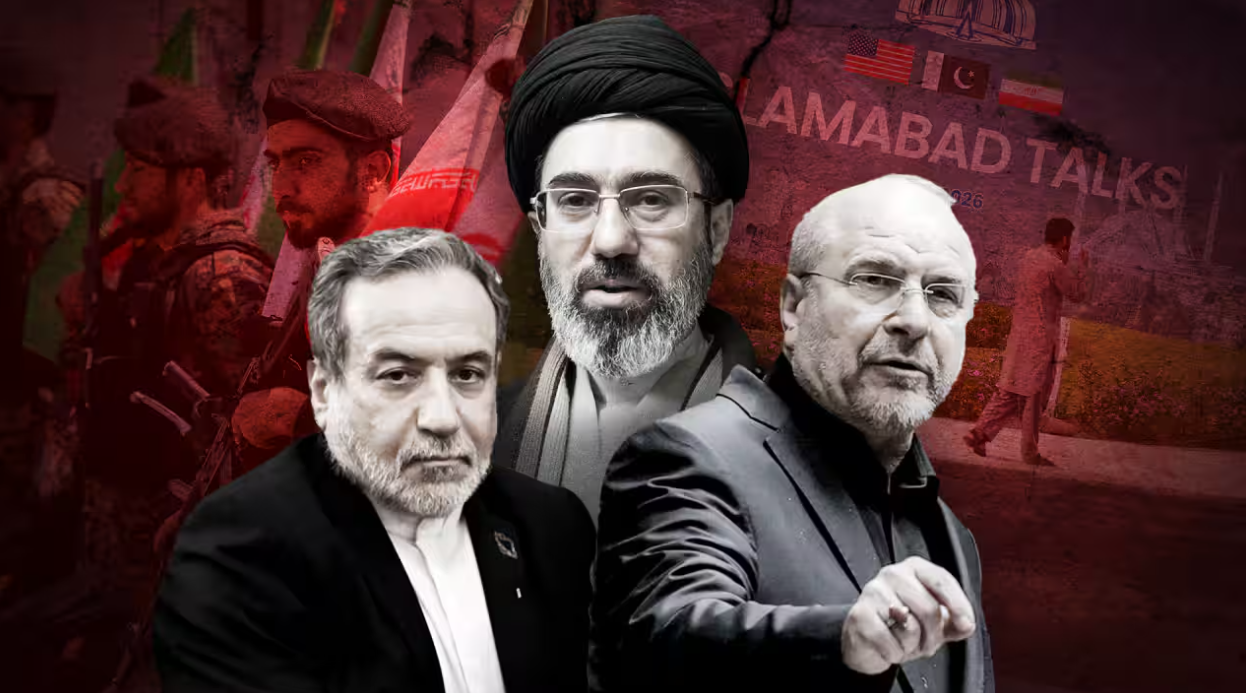
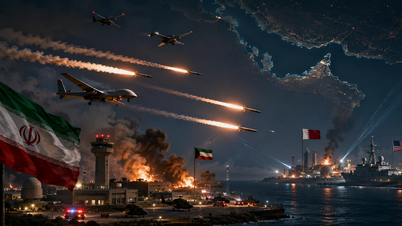
Over the past two months, negotiations between Iran and the US have been consistently stalled. Following the fragile ceasefire reached in early April, both sides have repeatedly stated they are close to a lasting solution, but successive rounds of talks have broken down, while missile and drone attacks have continued.
While the possibility of the US and Iran reaching some kind of agreement in the coming months has not been entirely ruled out, observers believe that even if that happens, tensions between the two countries are unlikely to end. Core disagreements over Iran's nuclear program, its regional influence, and Tehran's role in the Strait of Hormuz continue to be major obstacles to lasting peace.
The gap is difficult to bridge.
Washington continues to demand that Tehran completely cease uranium enrichment activities, relinquish its stockpiles of enriched uranium, stop supporting allied forces in the region, and fully restore maritime traffic through the Strait of Hormuz.
Meanwhile, Iran maintains that its uranium enrichment program is a non-negotiable right. Tehran also argues that addressing other demands can only be considered when the U.S. recognizes Iran's role in Hormuz, compensates for war damages, ends Israeli military operations in Lebanon, and lifts asset freezes.
However, unlike previous periods, the reasons why the prospect of reconciliation seems distant are not solely due to policy disagreements. According to many experts, an increasingly influential faction within the Iranian leadership believes that confrontation may offer more strategic advantages than compromise.
Leveraging influence
From Tehran's perspective, the current crisis has created leverage that it would have found difficult to obtain in peacetime.
Attacks on Arab nations housing US military bases have prompted increased diplomatic pressure from many Gulf states to urge Washington to seek a peaceful solution. Meanwhile, the blockade of the Strait of Hormuz—a shipping lane carrying approximately one-third of the world's seaborne oil—has forced many major economies to directly address Iran's demands.
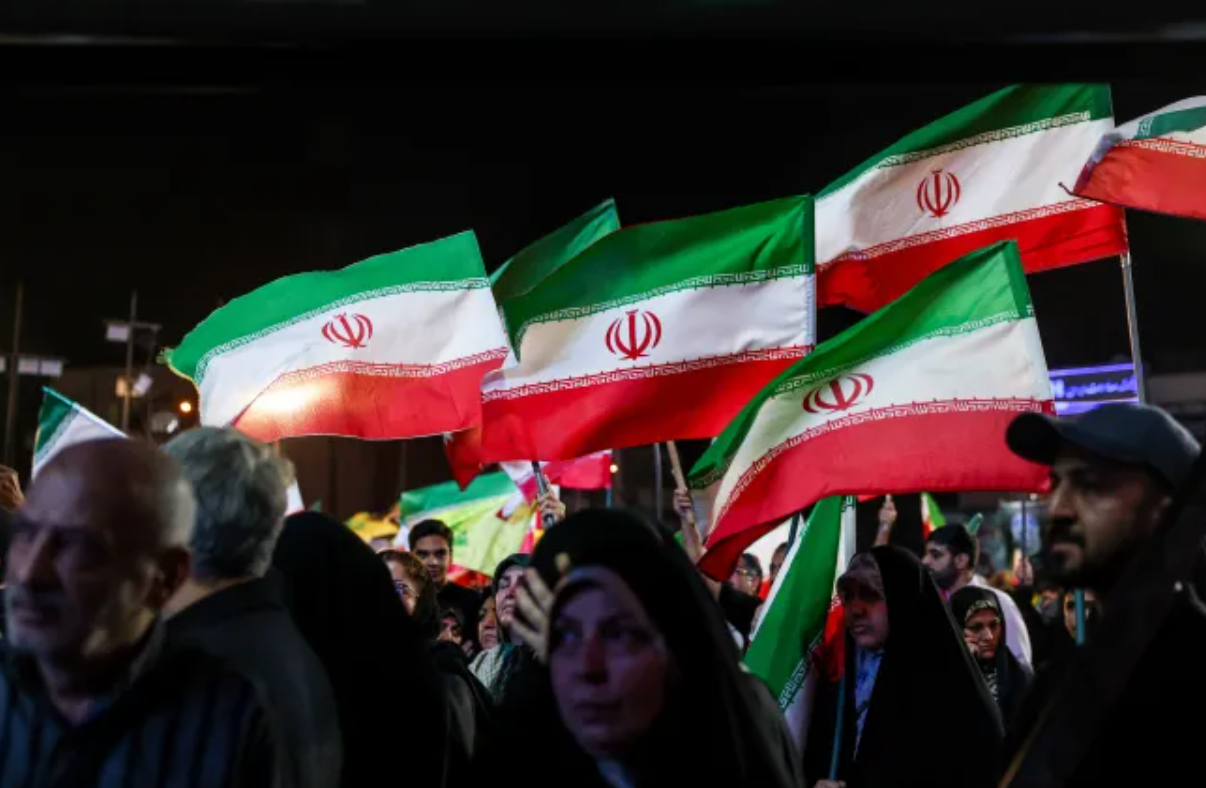
For years, Tehran has maintained that it has always been at a disadvantage in its economic confrontation with the United States. Financial sanctions, restrictions on access to international payment systems, and the dominant role of the US dollar have allowed Washington to maintain significant pressure on the Iranian economy.
However, controlling Hormuz has given Tehran a globally influential retaliatory tool. According to some analysts, Iran expects the economic repercussions to force not only the US but also Washington's partners to reconsider their approach to Tehran.
The change from domestic policy
One of the most important factors shaping Iran's current policy is the profound shift in the domestic political balance of power.
For many years, Iranian politics has been characterized by competition between groups advocating dialogue with the West and hardline forces. The 2015 nuclear agreement under President Hassan Rouhani is seen as the most prominent result of this shift toward diplomacy.
However, after the US withdrew from the nuclear agreement in 2018 and tensions escalated continuously in the following years, the influence of forces advocating for dialogue gradually declined.
Recent military conflicts have further strengthened the position of hardliners. Many Iranian officials argue that previous diplomatic efforts have failed to prevent attacks against the country, thus reinforcing the perception that negotiations are not a guarantee of national security.
This shift has led to Tehran's foreign policy strategy becoming increasingly hardline compared to the previous period.
Diplomacy in times of confrontation
It is noteworthy that Tehran has not completely abandoned negotiations. Instead, Iran seems to view diplomacy as a tool for managing conflict rather than a means of resolving disagreements at their root.
Under this approach, negotiations help Iran demonstrate goodwill to the international community, reduce diplomatic pressure, and control the pace of escalating tensions. However, Tehran is unwilling to make concessions that it believes could undermine its strategic position.
Therefore, recent rounds of negotiations have often stalled as both sides demand concessions from the other.
A new, unstable “normal”
If current trends continue, the Middle East could enter a phase where low-intensity conflict becomes a permanent state of affairs.
In that scenario, the U.S. continues to maintain economic and military pressure on Iran, while Tehran uses its influence in Hormuz and its regional network of allies to retaliate. Clashes could erupt at any time without necessarily leading to a full-scale war.
For the Iranian people, this means the continued risk of inflation, declining incomes, and economic instability. For the world, the events at Hormuz continue to pose a threat to energy security and global trade stability.
Source: https://daibieunhandan.vn/doi-dau-my-iran-co-dang-tro-thanh-binh-thuong-moi-10419159.html
![[Photo] First session of the 14th Congress of the Vietnam Trade Union](https://vphoto.vietnam.vn/thumb/1200x675/vietnam/resource/IMAGE/2026/06/03/1780465947883_ndo_br_img-3852-jpg.webp)

![[Photo] Secretary of the National Assembly Party Committee, Chairman of the National Assembly presides over the meeting of the Standing Committee and Executive Committee of the National Assembly Party Committee.](https://vphoto.vietnam.vn/thumb/1200x675/vietnam/resource/IMAGE/2026/06/03/1780480353201_ndo_br_bnd-2585-jpg.webp)
![[Photo] General Secretary and President To Lam presides over a meeting with the Central Organizing Committee.](https://vphoto.vietnam.vn/thumb/1200x675/vietnam/resource/IMAGE/2026/06/03/1780482764658_a1-bnd-4741-3342-jpg.webp)








































![[Video] Sunset at Lap An Lagoon – Where the sun sets over the fishing nets](https://vphoto.vietnam.vn/thumb/1200x675/vietnam/resource/IMAGE/2026/05/31/1780192137701_beach-landscape-sea-water-nature-grass-745871-pxhere-com.jpeg)




























Comment (0)