

Developing community-based tourism not only creates attractive experiences that draw tourists and spread the unique culture of the ancient capital region, but also contributes to improving the lives of local people.
Igniting the flame of community tourism.
Ninh Binh is not only known for its many scenic spots but also for its rich potential for cultural tourism. Taking advantage of this, many tourism products have developed, among which community-based tourism services are being invested in and effectively managed by local people.
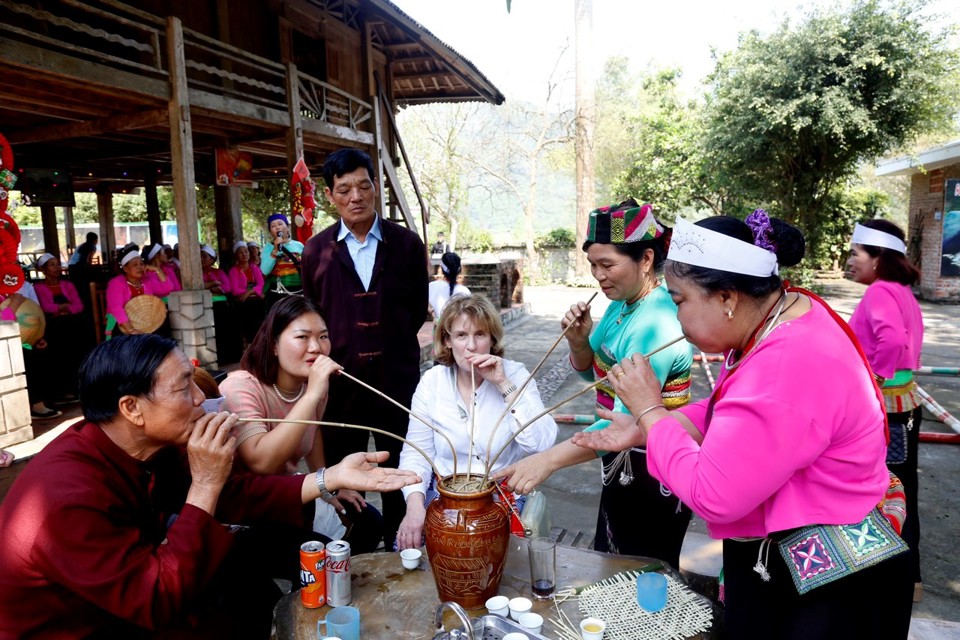
Community-based tourism began to develop strongly in Ninh Binh province from the 2010s. This type of activity is well-suited to the province's natural, cultural, and social conditions, as well as reflecting the increasing popularity among tourists, especially international visitors. To date, the province has 265 households engaged in community-based tourism services, with homestays and farmstays being the most common models.
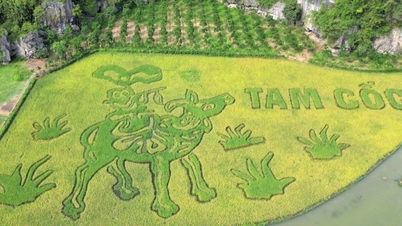
In Gia Vien district, the farmstay model began to develop in 2005 when tourists visiting the Van Long Wetland Nature Reserve requested homestay accommodations. Since then, this type of tourism has expanded throughout the district. Besides cultivating rice and other crops, and raising livestock, the people of Gia Vien also provide tourism services, from organizing receptions to introducing and promoting the unique natural and cultural values of the locality to visitors.
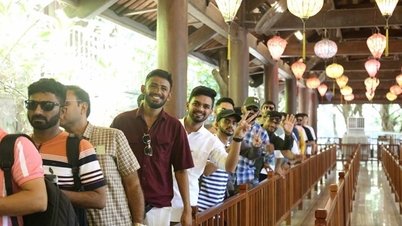
Visitors to this area, in addition to experiencing daily life with the locals such as going to the market, cooking, milling rice, pounding rice, tilling the land, and scooping water with buckets in the rice fields, can also participate in tours by ox cart or buffalo cart to explore the scenery of the Northern Vietnamese countryside, and enjoy boat rides to admire the picturesque landscapes in the Van Long Nature Reserve.
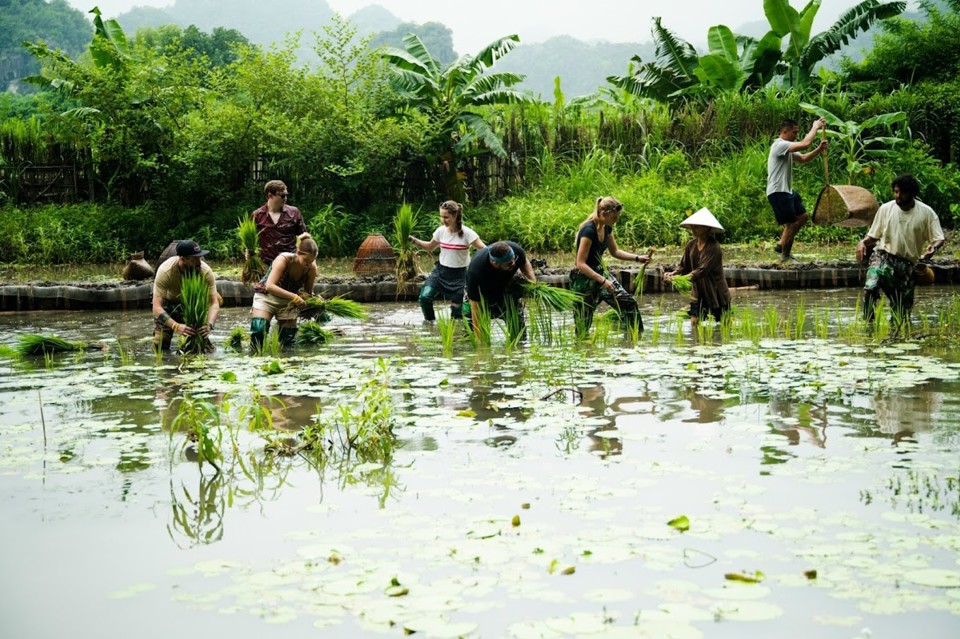
Meanwhile, Hoa Lu district has seen a strong development of the homestay model. This accommodation service has helped many families earn extra income and stabilize their lives. Besides eating and sleeping, tourists can also participate in family activities such as cooking and hosting parties. Many households also combine this with selling local souvenirs such as crispy rice crackers, handicrafts, and rattan products. Homestay room prices are stable, ranging from 150,000 to 200,000 VND per person.
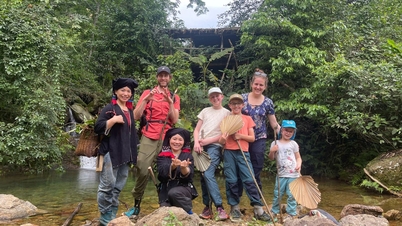
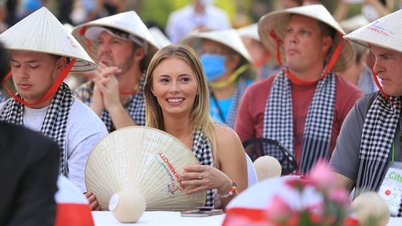
According to Thiêm and Hương, the owners of Tam Coc White Swan homestay, "Our guests are mainly from Germany, England, France, Spain, etc. They travel for the experience and want to stay with locals to discover Vietnamese life. They usually stay from one week to a month."
According to Mr. Thiem, in addition to experiencing culture and exploring natural and historical beauty, community-based tourism also requires tourists to be satisfied with the quality of service and the attitude of the staff. Therefore, creating a good impression through good behavior is highly valued by the local people and is a factor in attracting tourists to return or recommend the area to their relatives. Some tourists, after staying with local families and seeing how hard the hosts work, even offer to donate money monthly upon leaving. Although the hosts initially refuse, they still maintain regular contact.
Efforts from the government and the people.
The development of community-based tourism has created jobs and increased income for local people in addition to their traditional work; it has created sustainable links between many economic sectors, expanded markets for products, goods, and services, and promoted the image of the locality and the country to friends around the world.
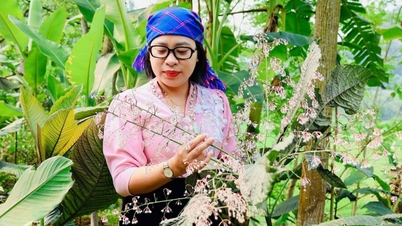
Developing community-based tourism not only helps people preserve and promote the unique cultural features of the locality but also plays an important role in poverty reduction and creating new livelihoods for the people. Ms. Tam's family, owners of Ninh Binh Bamboo Farmstay (Gia Vien district), shared: “My son quit his job in the city to return to his hometown to work in tourism because the work is not stressful and it's close to home.”
The prolonged Covid-19 pandemic made business extremely difficult. At one point, I advised my children to close the business and pursue other ventures, but because of their passion and the determination of many others involved in community tourism here to maintain the brand, it has managed to survive until today."
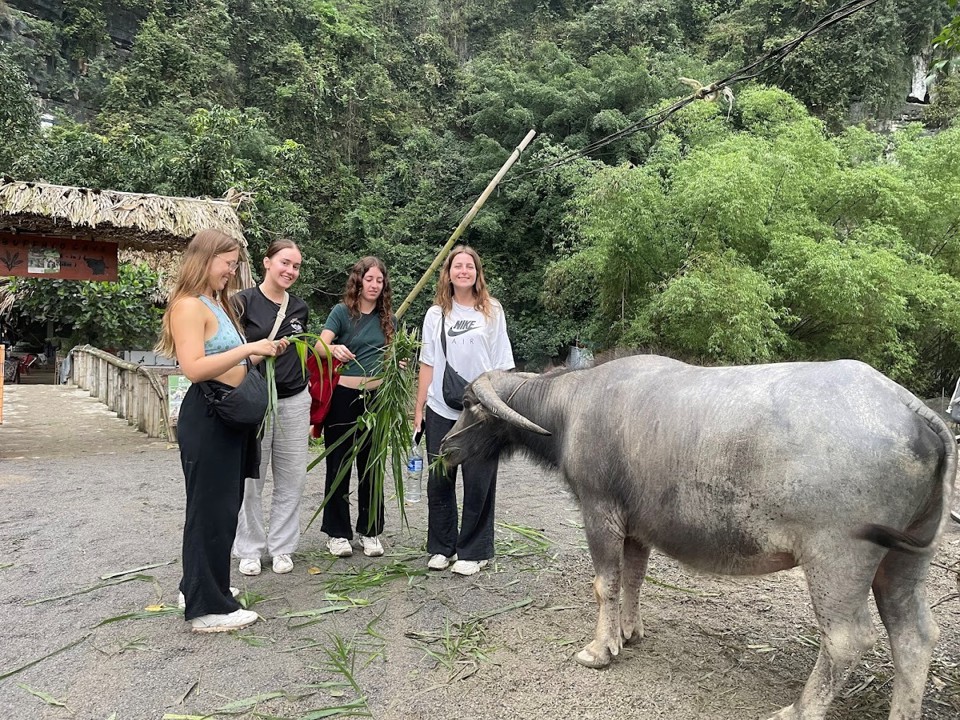
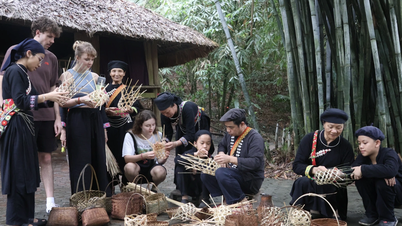
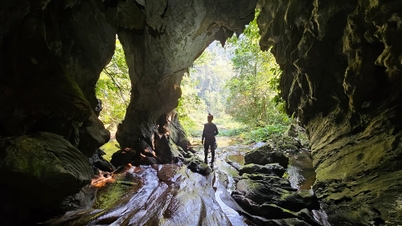
In recent times, community-based tourism in Ninh Binh has effectively exploited the unique cultural and traditional values of the region, while focusing on experiential activities and enjoying traditional local "specialties" such as mountain goat meat, crispy rice; Ninh Van stone carving village, Kim Son sedge weaving, and folk activities with the Muong ethnic people in the new Muong Tour - Thien Ha Cave tour.
Over the years, Ninh Binh's tourism master plan has prioritized the development of ecotourism and community-based tourism. The province has approximately 18 main tourist areas and sites that have been developed and are now open to tourists. Of these, 13 ecotourism areas and sites involve the direct participation of local people.
In the coming period, the locality will continue to develop the homestay model by encouraging households in the area to invest in developing housing with guest rooms according to the approved development plan. In particular, the development of the homestay business must ensure national security and defense, social order, contribute to protecting the natural and social environment, preserve and promote local cultural identity, create jobs and income for the local community, and promote socio-economic development.
Nguyen Van Minh, Director of Ninh Binh Tourism Promotion Information Center
According to Nguyen Van Minh, Director of the Ninh Binh Tourism Promotion Information Center: “Ninh Binh's tourism industry will continue to promote awareness within the local community to enrich tourism products and OCOP products; and strengthen promotional linkages with provinces in the growth quadrilateral. The Department of Tourism has also organized training courses on tourism knowledge and cultural etiquette for tourists for local people, building an image of friendly and hospitable Ninh Binh people. Along with that, the province focuses on raising awareness among the local community regarding tourism; restoring traditional craft villages, local life and culture, and integrating them with homestay tourism.”
The reality of tourism development in Ninh Binh over the past time shows that one of the core values that has built the Ninh Binh tourism brand as it is today comes from the local people themselves. The revival and promotion of cultural identity and the active development of community-based tourism models have helped Ninh Binh rank highly in many tourism rankings and become a branding lesson for many other destinations.
Source: https://kinhtedothi.vn/du-lich-cong-dong-sinh-ke-ben-vung-with-nhieu-nguoi-dan-ninh-binh.html


![[Photo] General Secretary and President To Lam presides over a meeting with the Central Organizing Committee.](https://vphoto.vietnam.vn/thumb/1200x675/vietnam/resource/IMAGE/2026/06/03/1780482764658_a1-bnd-4741-3342-jpg.webp)

![[Photo] Secretary of the National Assembly Party Committee, Chairman of the National Assembly presides over the meeting of the Standing Committee and Executive Committee of the National Assembly Party Committee.](https://vphoto.vietnam.vn/thumb/1200x675/vietnam/resource/IMAGE/2026/06/03/1780480353201_ndo_br_bnd-2585-jpg.webp)















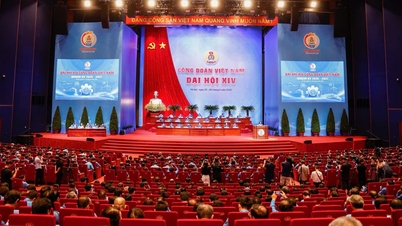
![[Photo] First session of the 14th Congress of the Vietnam Trade Union](https://vphoto.vietnam.vn/thumb/1200x675/vietnam/resource/IMAGE/2026/06/03/1780465947883_ndo_br_img-3852-jpg.webp)























![[Video] Sunset at Lap An Lagoon – Where the sun sets over the fishing nets](https://vphoto.vietnam.vn/thumb/1200x675/vietnam/resource/IMAGE/2026/05/31/1780192137701_beach-landscape-sea-water-nature-grass-745871-pxhere-com.jpeg)

























Comment (0)