

According to a survey by The Guardian, the percentage of people who believe that the best path forward for Britain is to foster closer ties with the EU is now double the percentage who support leaving the EU.
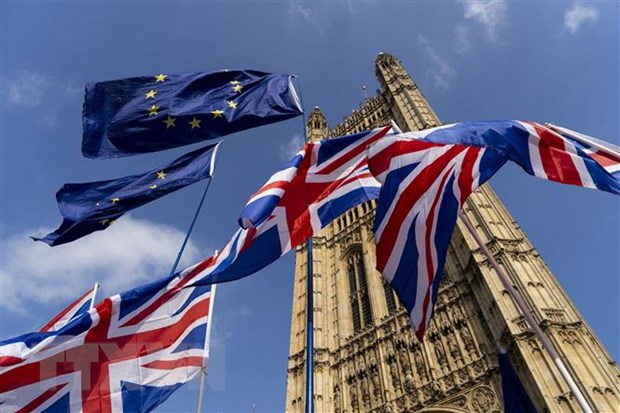
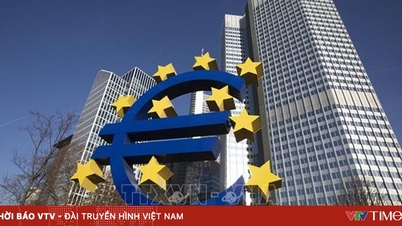
A majority of British voters now support building closer ties with the European Union (EU), according to a new survey published by The Guardian (UK), reflecting a seemingly "reversal" in British public opinion since Brexit.
Even in polling stations that recorded the highest percentages in favor of Brexit in the 2016 referendum , the percentage of people who now believe that the best path forward for Britain is to foster closer ties with the EU (i.e., the opposite of the 2016 choice) is now twice as high as the percentage who support leaving the EU.
A survey of over 10,000 British voters, conducted by Focaldata, indicates that around 63% of adults now believe Brexit has created more problems than it has solved, while only 21% believe the opposite.
Overall, 53% of voters now want the government to seek closer ties with the EU than the current relationship (after leaving the single market and customs union), and only 14% want the UK to further separate from the EU.
In some polling districts, such as Boston and Skegness in Lincolnshire, which once saw Brexit support rates as high as 74.9% in 2016, the percentage of people supporting closer ties with the EU is now 40%, almost double the 19% who supported further separation from the EU.
The survey results were released after the UK government last week unveiled official data showing that net immigration to the UK had risen to a new high of over 606,000 in 2022 – a 24% increase from the previous record of 488,000 in 2021. This contradicts the government's promise that Brexit would help the UK "regain control" of its national borders.
Some evidence also suggests that the UK economy in general, and its trade in particular, appears to be suffering from post-Brexit trade barriers, resulting bureaucracy and increased costs for exporters and importers.
Last week, The Guardian cited data from the London School of Economics (LSE) showing that UK households have spent an additional £7 ($8.60) since Brexit on the costs of importing food from the EU due to the impact of trade barriers.
Compared to his two predecessors, Boris Johnson and Liz Truss, British Prime Minister Rishi Sunak has made greater efforts to build friendly relations with the EU, but he is also facing increasing pressure to help British businesses and clarify how to mitigate the impact of Brexit on British trade.
Source


![[Photo] Prime Minister Pham Minh Chinh presides over a meeting on private sector economic development.](/_next/image?url=https%3A%2F%2Fvphoto.vietnam.vn%2Fthumb%2F1200x675%2Fvietnam%2Fresource%2FIMAGE%2F2025%2F12%2F20%2F1766237501876_thiet-ke-chua-co-ten-40-png.webp&w=3840&q=75)





























































































Comment (0)