

The healthcare sector should continue to be under the management of the Ministry of Health .
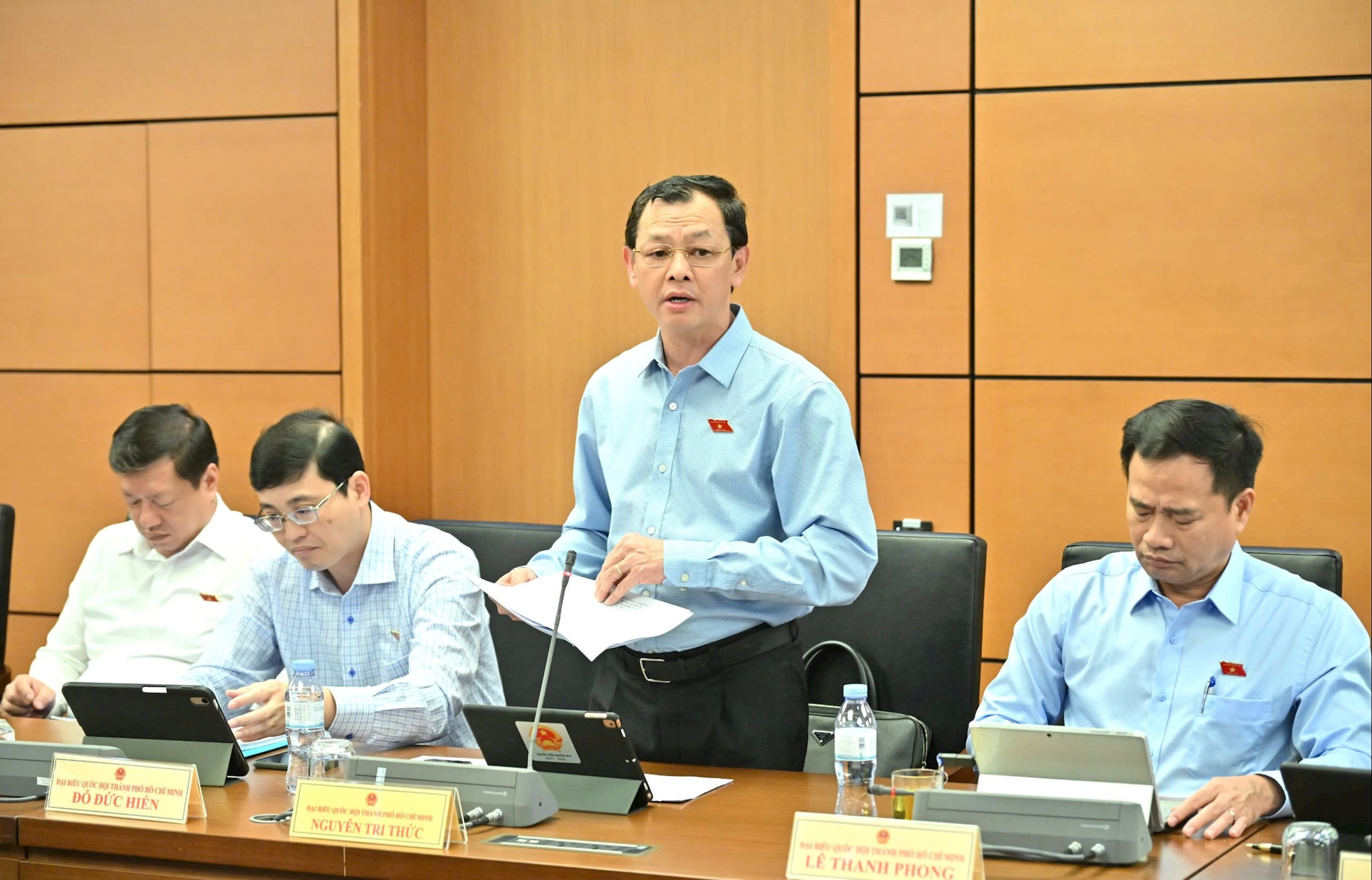
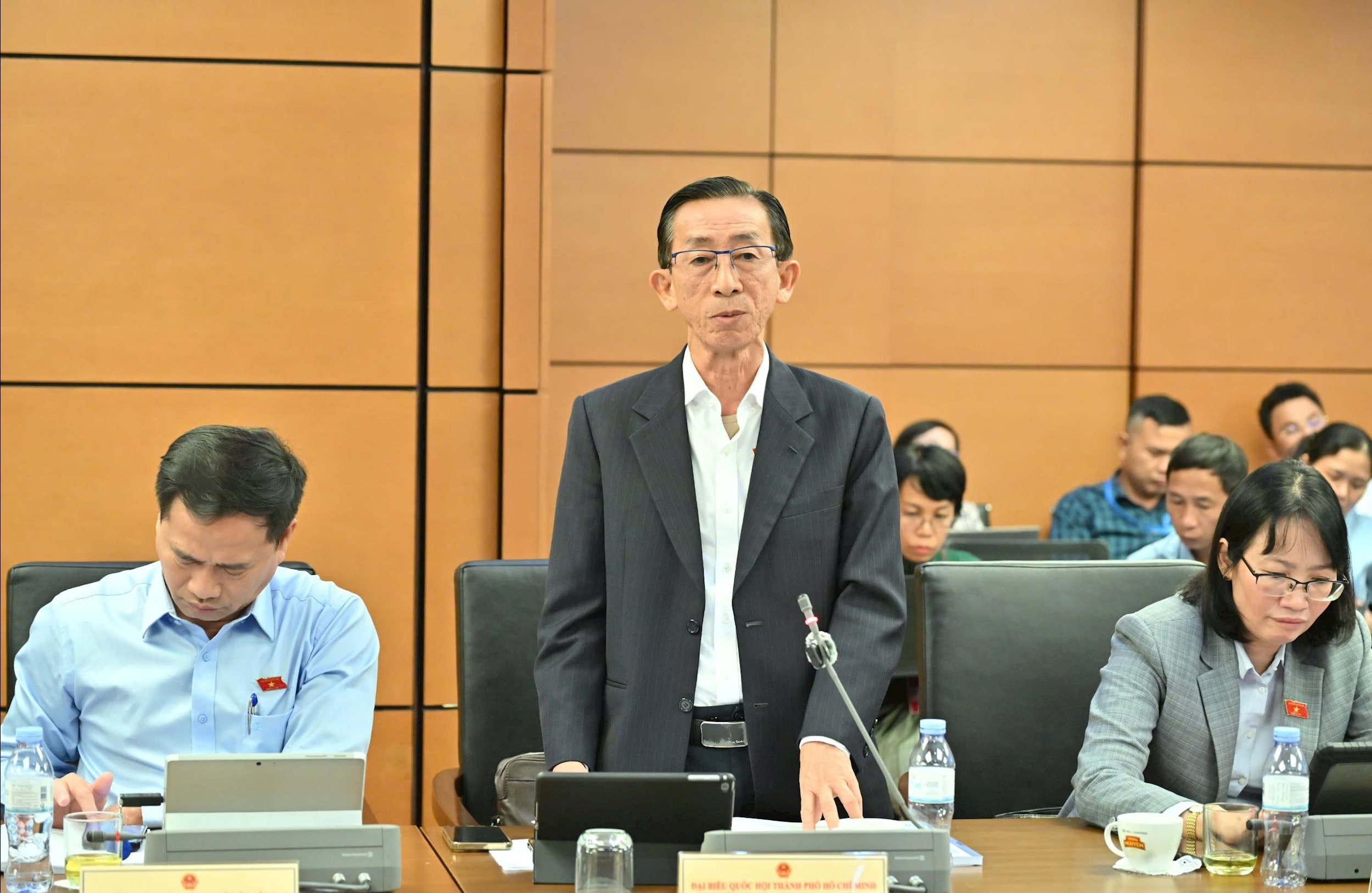
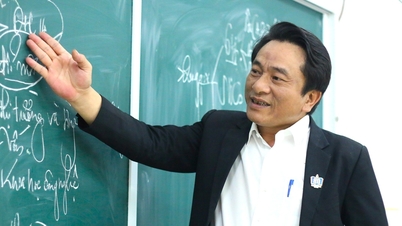
Regarding the draft Law on Higher Education (amended), National Assembly Deputy Nguyen Tri Thuc emphasized the unique nature of practical training; suggested that schools in the medical and healthcare sectors should continue to be under the management of the Ministry of Health, and affirmed the necessity of officially recognizing specialist degrees (Specialist I, Specialist II, Resident Doctor) in the national degree system.
Representative Nguyen Tri Thuc stated that medical education has a highly specialized nature and a long history. The postgraduate training system for medicine, including residency programs, specialist training (Level I and Level II), has existed for over 50 years, following the training model of France and many advanced countries worldwide. Specialist training (Level I and Level II) and residency programs currently account for two-thirds of the healthcare workforce with postgraduate qualifications.
The 2018 Higher Education Law stipulates that the Government regulates the training qualifications for certain specialized fields of study, and also recognizes specialized training serving the medical sector. The 2019 Education Law also stipulates that the Government issues a system of higher education degrees and regulates equivalent degrees for certain specialized fields of study.
In addition, the Government has also issued Decree No. 42 of 2025 stipulating the functions, tasks, powers, and organizational structure of the Ministry of Health, which includes provisions on the management of specialized training in the medical field under the Ministry of Health's purview.
Comparing it with the draft Law, Representative Nguyen Tri Thuc noted that there is no content that expresses or mentions the role of the Ministry of Health in being responsible for managing specialized training in the medical field.
"Therefore, it can be understood that this management task will be transferred to the Ministry of Education and Training? This is not logical from a professional standpoint." Therefore, Representative Nguyen Tri Thuc proposed retaining medical universities and other health-related schools under the management of the Ministry of Health; and adding specialized postgraduate training in healthcare to Clause 1, Article 8 of the draft Law, and "specialized training programs in the health sector" to Clause 2, Article 8 of the draft Law.
The delegates also proposed adding regulations: the Minister of Health shall issue standards for specialized training programs, guide the development, review, evaluation, and monitoring of their implementation; the Minister of Health shall issue a statistical list of specialized training fields, regulate the process of developing, appraising, and issuing specialized training fields, and the process of approving, suspending, and terminating specialized training fields…
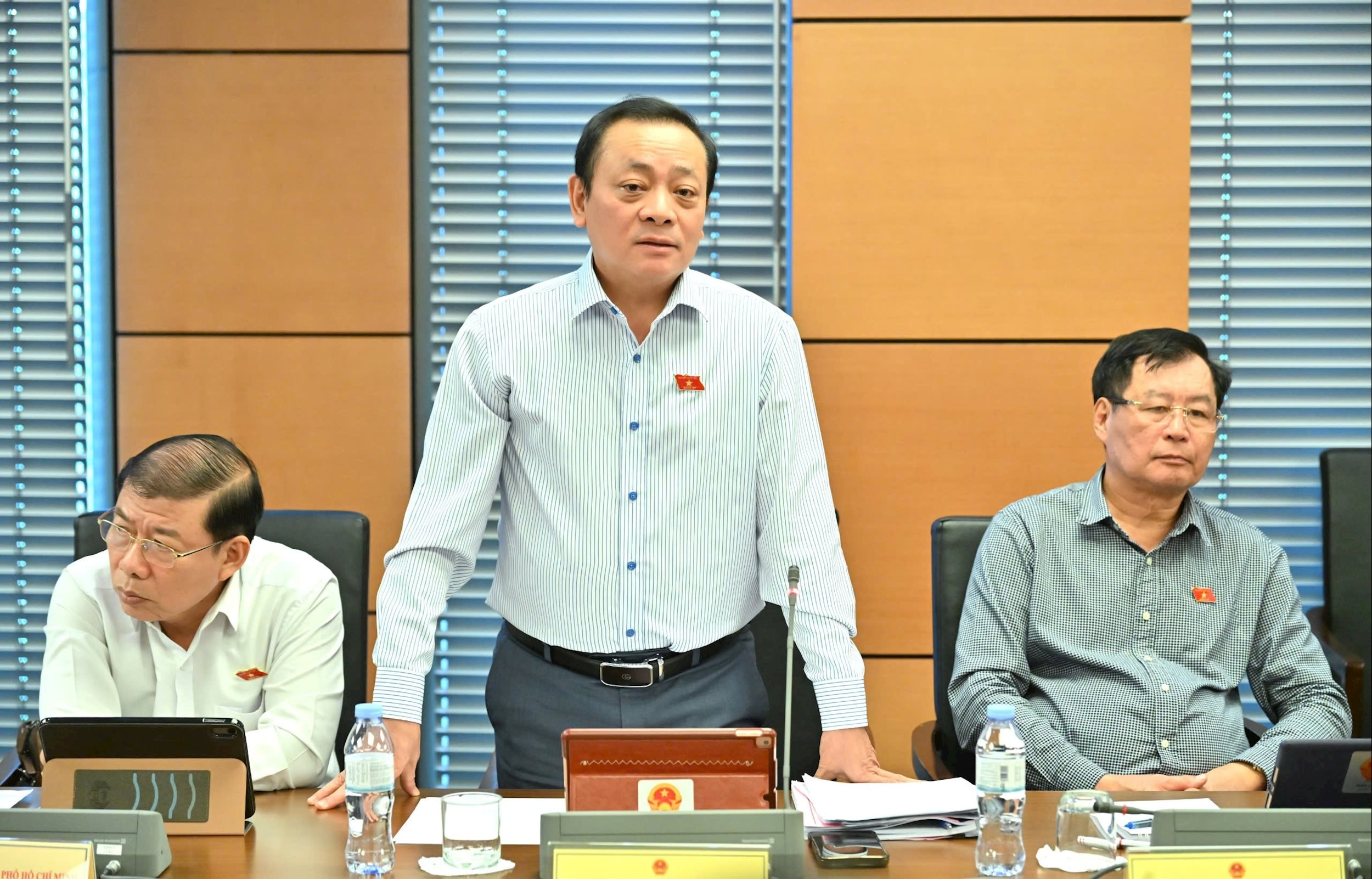
National Assembly Deputy Le Van Kham argued that postgraduate training in clinical medical science or applied medical science deserves its own degree system. Therefore, he proposed including the content of specialized medical training in the draft Law on Education (amended) to ensure the awarding of a legitimate degree within the national education system.
Universities need to be given the highest possible level of autonomy, along with accountability.
Regarding university autonomy, some delegates clarified that autonomy is understood as the right to proactively make decisions and be accountable for professional, academic, training, scientific research, international cooperation, organizational, and personnel activities.
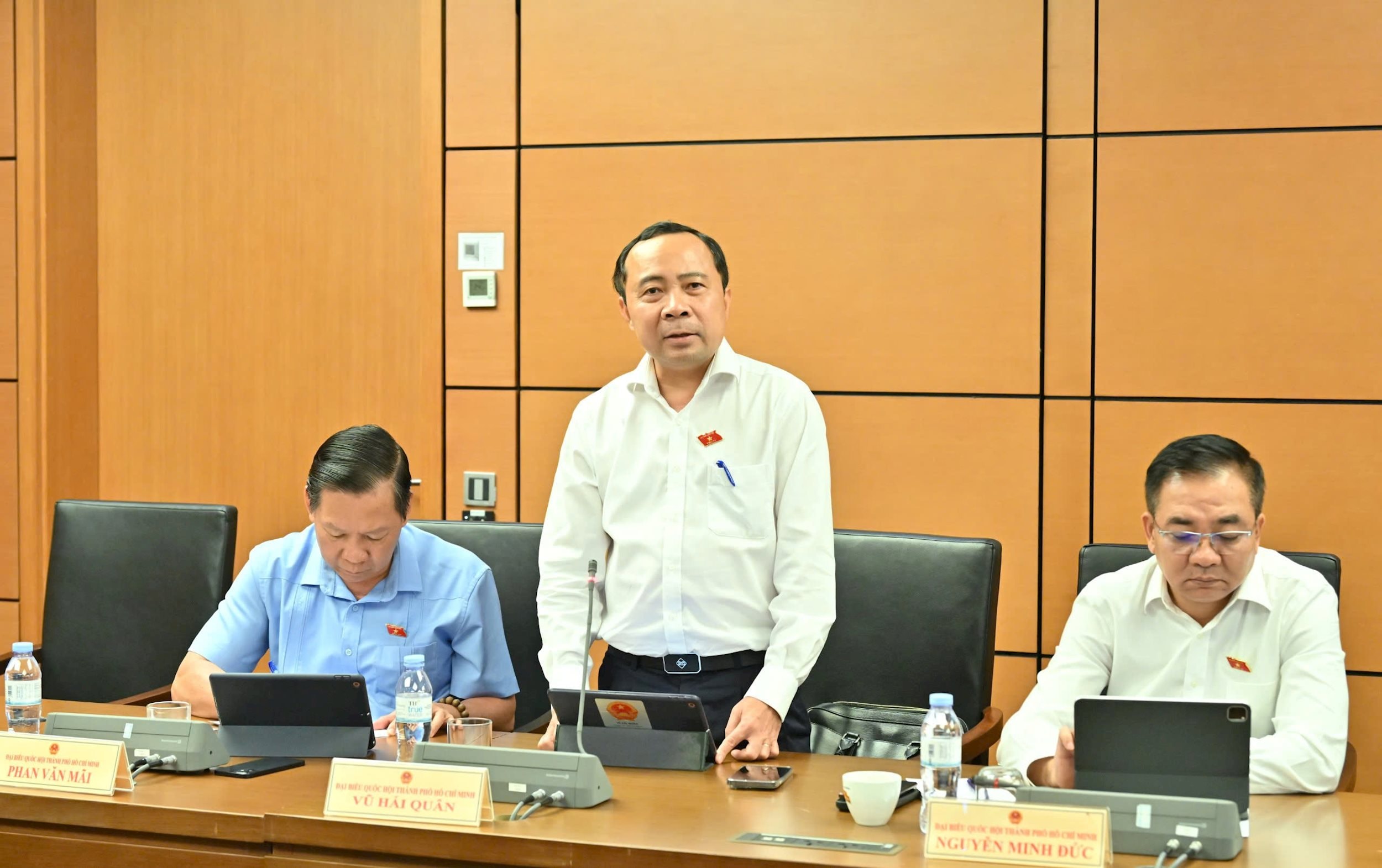
Citing the provisions on autonomy in Clause 2, Article 3 of the draft Law, National Assembly Deputy Vu Hai Quan argued that universities need autonomy in organizational and personnel matters. Accordingly, regulations on the number of Vice Rectors at large universities should be more flexible. For example, universities with 40,000 students should not be limited to a maximum of three Vice Rectors like universities with 30,000 students.
"Once schools become autonomous and no longer use state budget funds for salaries, with the majority of their revenue coming from tuition fees or other sources, they should be allowed to make their own decisions regarding organization and personnel," Representative Vu Hai Quan emphasized.
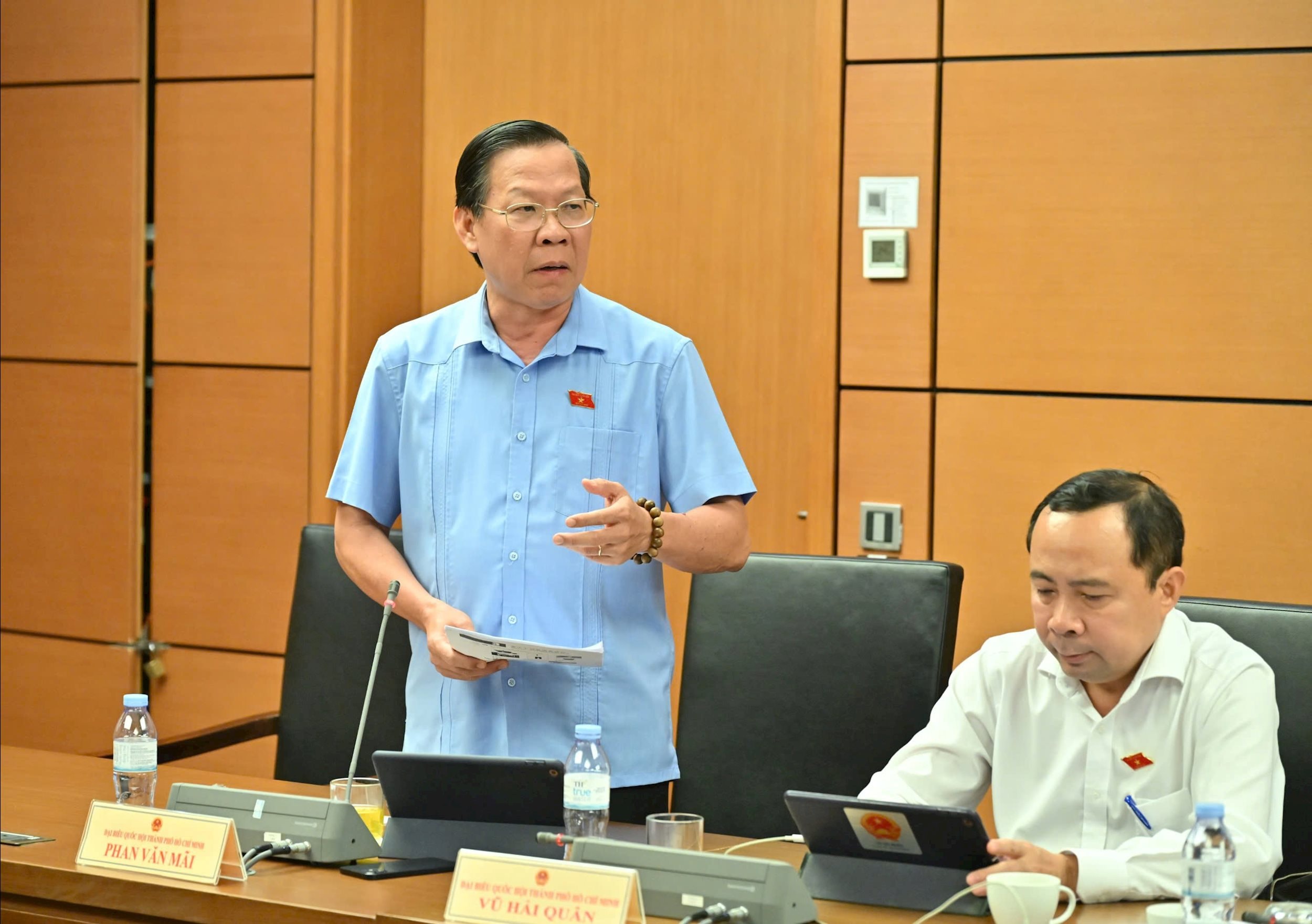
Chairman of the Economic and Financial Committee Phan Van Mai suggested that universities should be given the highest possible level of autonomy, coupled with accountability.
Regarding academic autonomy, the State grants more power to universities. In terms of personnel autonomy, it clarifies which personnel are under state management and which are under university management.
In a system of financial autonomy, higher education institutions must implement and be subject to oversight for any services they receive from the budget.
Representative Tran Hoang Ngan also suggested clearer regulations on the rights and responsibilities of higher education institutions, especially regarding autonomy in human resources, finance, and investment. Detailed decrees and regulations should be included alongside the Law to avoid conflicts with other laws.
Source: https://daibieunhandan.vn/dua-giao-duc-dai-hoc-thanh-dong-luc-quan-trong-trong-he-thong-doi-moi-sang-tao-quoc-gia-10392468.html

![[Photo] Enchanting ancient rose garden on the mountainside in Nghe An](/_next/image?url=https%3A%2F%2Fvphoto.vietnam.vn%2Fthumb%2F1200x675%2Fvietnam%2Fresource%2FIMAGE%2F2025%2F12%2F19%2F1766109900916_vuon-hong-chin-do-thu-hut-du-khach-toi-check-in-o-ha-noi-3-20162778-1671624890024-1671624890104198100259.jpeg&w=3840&q=75)


![[Photo] General Secretary To Lam visits the exhibition space showcasing books, photo exhibitions, and achievements of digital transformation in journalism.](/_next/image?url=https%3A%2F%2Fvphoto.vietnam.vn%2Fthumb%2F1200x675%2Fvietnam%2Fresource%2FIMAGE%2F2025%2F12%2F19%2F1766110879215_1766110240024-jpg.webp&w=3840&q=75)







































































Comment (0)