

The Center for Children and Development (CCD), under the Vietnam Association for the Protection of Children's Rights, recently released a summary report on the 2021-2025 period of the TEENYEEU sex education program.
When parents and teenagers are "out of sync"
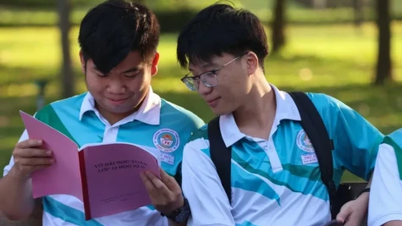
"How can parents understand their children better?", "Why do many people still view sex as something bad?", "How can I control my emotions?", "How can I know what my gender identity is?"… These are not anonymous online searches, but real questions from middle and high school students recorded during a survey conducted by the TEENYEEU sex education program.
Behind those seemingly simple questions lies a huge gap in knowledge, support, and a safe environment that many children are struggling to navigate on their own during adolescence.

Families, schools, and others need to work together to prevent children from getting lost amidst the "storm" of puberty.
PHOTO: TEENYEEU
Traveling through many provinces and cities from Hanoi and Da Nang to Ho Chi Minh City and Quang Tri, the TEENYEEU sex education program implemented by CCD has outlined a picture of the current situation with many thought-provoking aspects of sex education.
Hundreds of questions sent to TEENYEEU by students have shocked many parents and teachers: "At what age should one fall in love?", "What should I do if my parents forbid me from dating?", "How can I control my emotions?", "How can I prevent sexual violence?"… What is concerning is not only that children are asking questions about sexuality, but also that they are increasingly lacking people to share their feelings with and guide them in the right way.

The gap in sex education has left many young people to fend for themselves during puberty.
PHOTO: TEENYEEU
A recent survey by TEENYEEU in Da Nang revealed that the majority of students are shy and afraid of being scolded, so they don't dare talk to their parents about sexuality, even though they really want to be heard. Over 59% of students reported accessing information about gender and sexuality through Facebook, TikTok, YouTube, etc.
Conversely, over 64% of parents in Da Nang admitted wanting to learn more about sex education to better support their children. However, many still feel hesitant, fearing they might "lead their children astray," say the wrong things, or cause their children to lose their innocence.
Not only families, but schools also face many challenges. About half of the teachers surveyed said they lacked experience in organizing experiential activities on sex education; nearly 40% did not know how to integrate the content into their lessons, and nearly 32% lacked the skills to advise students and parents when real-life situations arise.
"A common and easily misunderstood notion is that sex education is synonymous with 'talking to children about sexual relations.' This is what makes many parents hesitant, choosing to avoid the topic or speak vaguely, neglecting the crucial role of being the first teacher for their children in sex education. In schools, because it is not yet an official subject, sex education is often integrated into other subjects, leading to a lack of systematic approach and failing to truly address the core issues," shared Ms. Vu Phuong Thao, Central Region Director of the TEENYEEU program.
Meanwhile, comprehensive sex education also includes knowledge about the body, emotions, personal boundaries, respect, and self-protection skills.
Ms. Thao argues that when families and schools lack dialogue, social media becomes a substitute "teacher" for children. The shortcomings in sex education not only leave children without knowledge but also increase the risk of sexual abuse.

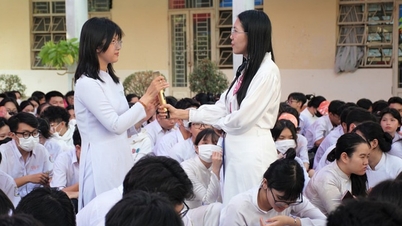
Ms. Vu Phuong Thao, Central Region Director of the TEENYEEU program (standing), discusses sex education for children with teachers and parents.
PHOTO: TEENYEEU
Recently, in Da Nang city, authorities discovered a case of a girl under 13 years old becoming pregnant. Through investigation, the police determined that she had met and developed relationships with several young men through the social media platform Facebook. Although these relationships were considered "consensual," the police determined that the defendants involved committed the crime of "Rape of a person under 16 years of age."
"This heartbreaking incident is no longer an isolated event, but accurately reflects the alarming reality of the current trend of 'younger' ages for sexual activity, according to survey data published by the WHO and the Ministry of Health. Students do not lack information about sexuality, but they lack proper guidance, and that is the biggest risk in education today. The question is: what have we been teaching our children?", said Ms. Vu Phuong Thao.
According to the 2021-2025 summary report of TEENYEEU, published by the Center for Children and Development based on nationwide surveys, nearly 50% of students find it difficult to talk about sexuality with their parents. Similarly, almost half of parents don't know how to start a conversation with their children.
The silence from both sides inadvertently creates an information vacuum within the family. This makes children more likely to turn to social media or friends for answers to their questions, while these are often sources of misinformation and potential harm. The survey also revealed that students are not only interested in the biological changes of puberty but also want answers about emotions, love, personal boundaries, and skills for building safe relationships.
An 8th-grade female student in Da Nang City once asked TEENYEEU: "Is gender fixed? Besides male and female, what other gender identities exist?" According to experts, this is not simply curiosity, but a need to be heard and understood.
TEENYEEU strives to fill the void.
After 5 years of implementation, TEENYEEU is one of the pioneering units in building the first comprehensive sex education ecosystem in Vietnam, based on guidelines from WHO, UNESCO, SIECUS, and closely following the comprehensive sex and sexuality education framework of the Ministry of Education and Training.
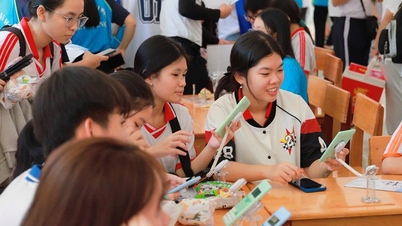
Between 2021 and 2025, the program developed over 320 media and educational products; built 25 educational toolkits for teachers, parents, and students; and reached 155 schools through teacher training courses. The exhibition table is a unique initiative where hundreds of sex education materials can be displayed for students to access in a visually engaging way.
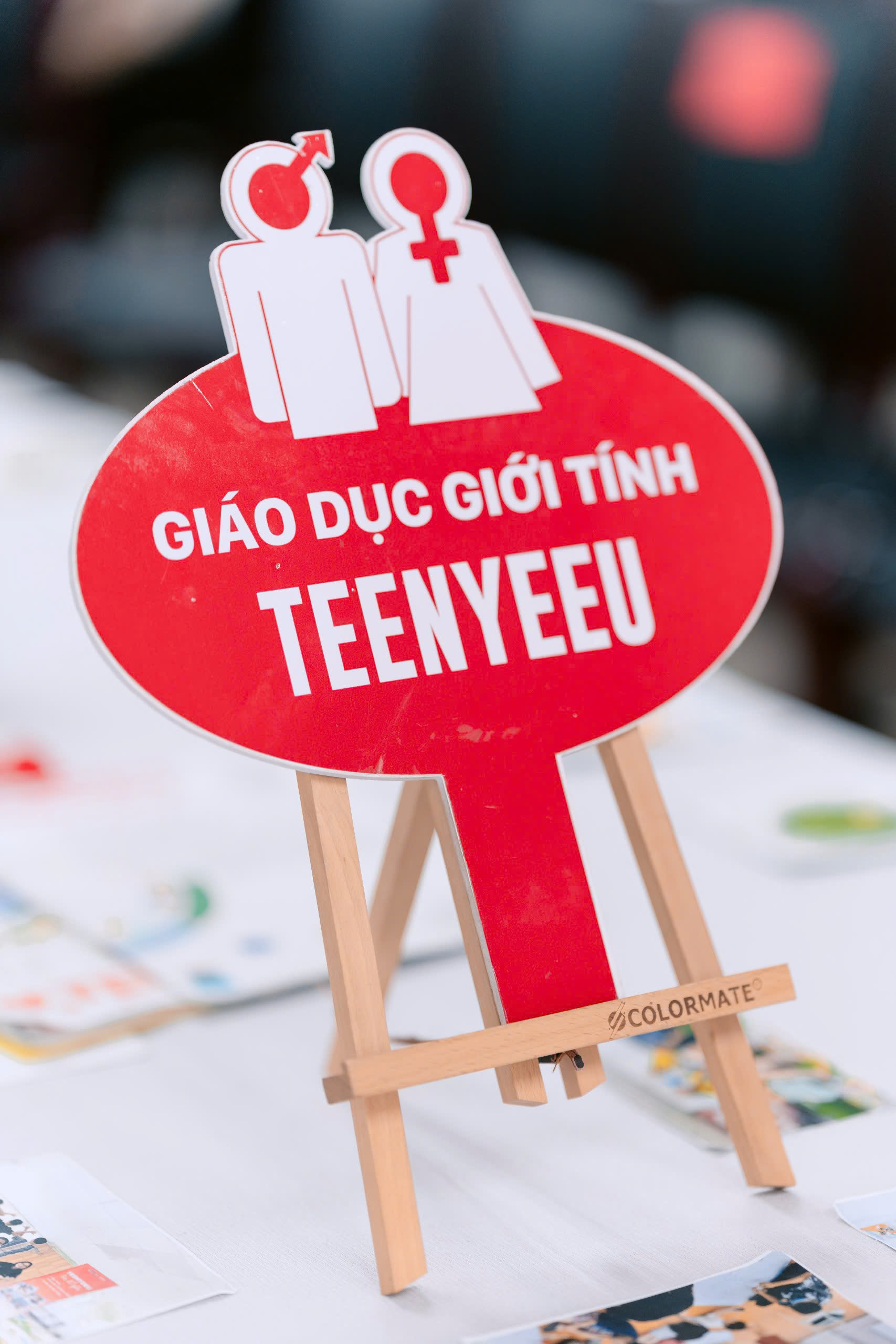
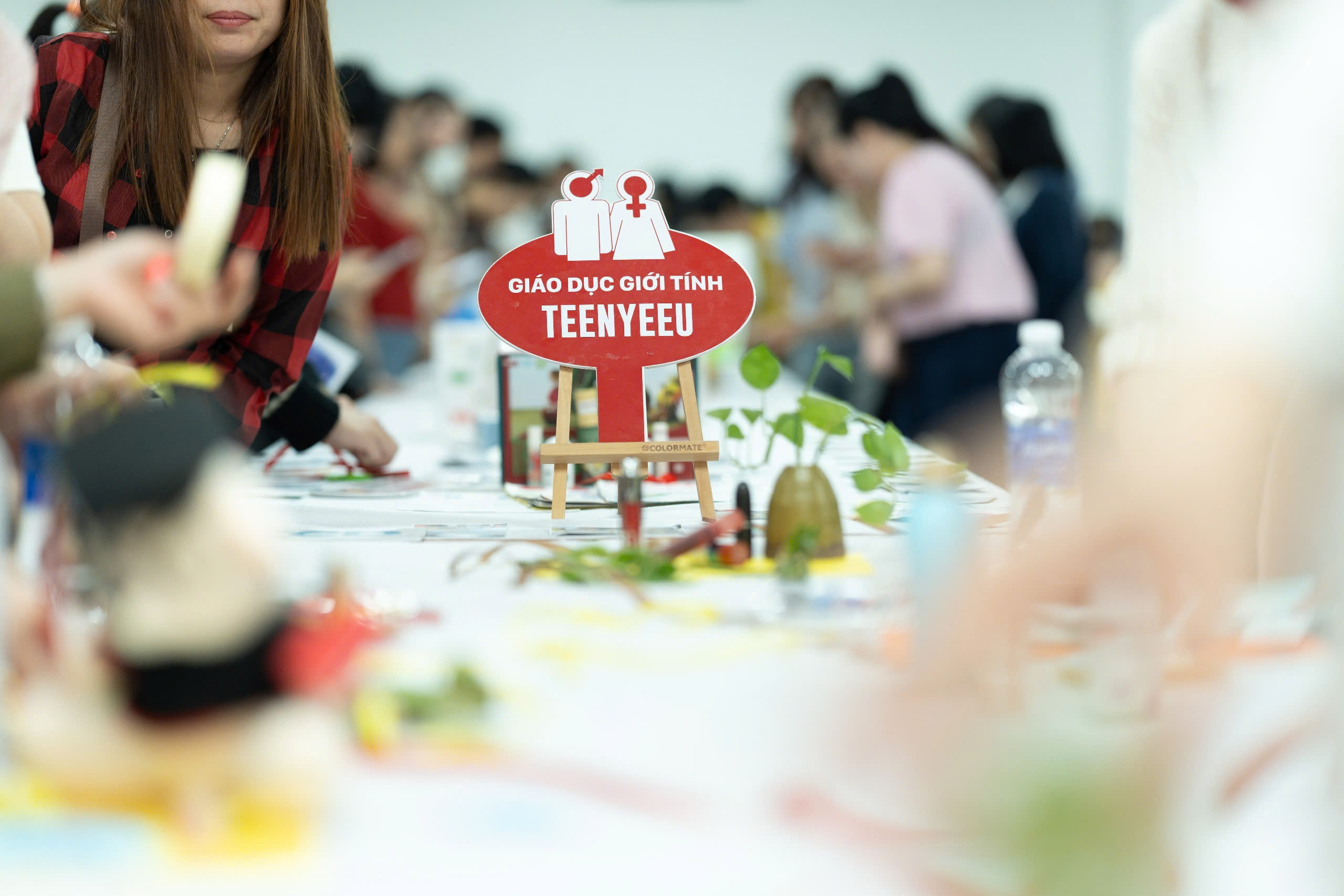
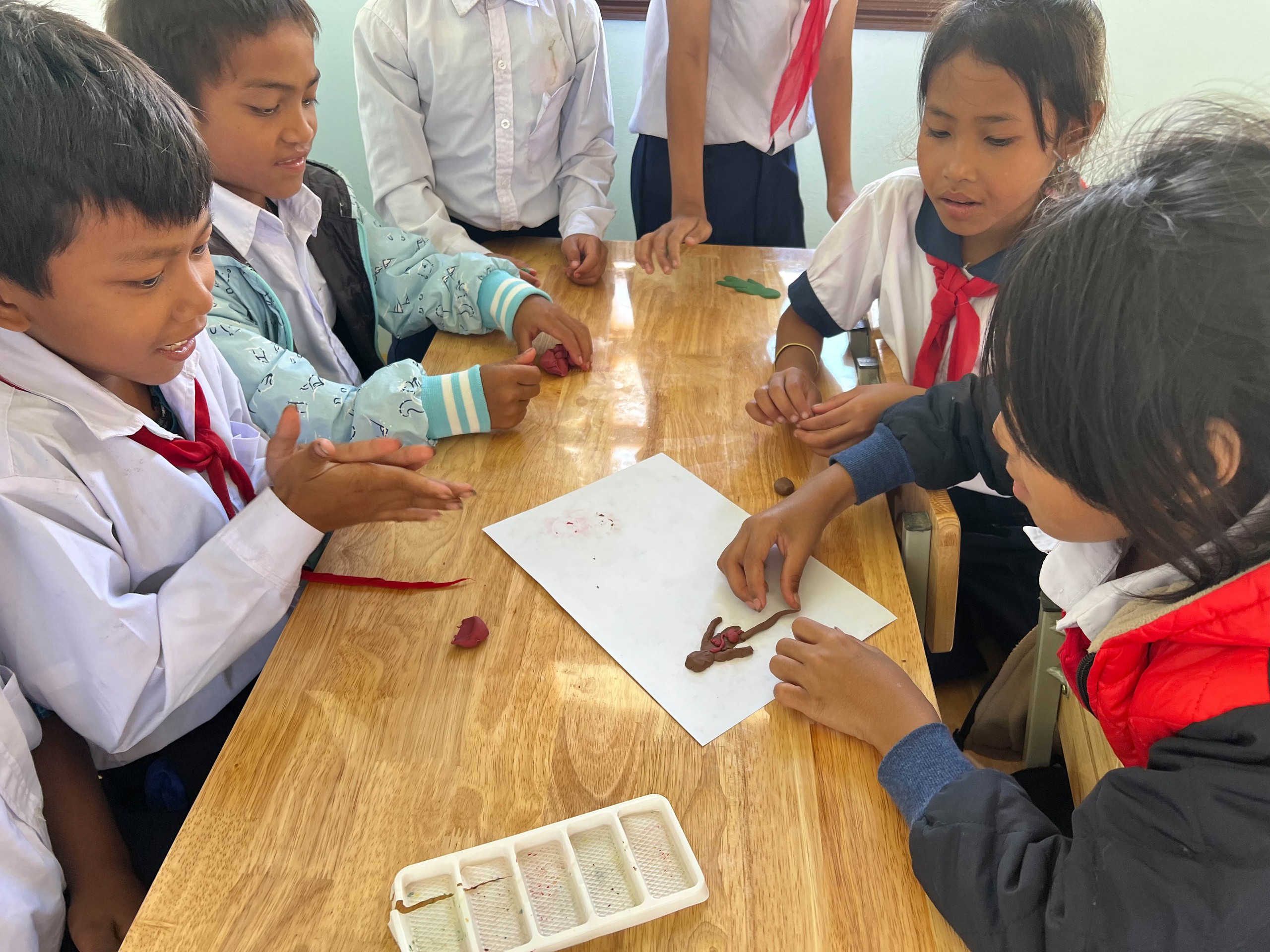
When families lack communication, children are more easily exposed to misleading information on social media, leading to a risk of abuse.
PHOTO: TEENYEEU
From direct activities, TEENYEEU has developed a model that combines the application of artificial intelligence (AI) to increase equitable access for students nationwide. Ms. Phi Mai Chi, founder of the TEENYEEU project, said that the AI chatbot and digital learning resource library are a turning point for TEENYEEU to expand its reach, no longer limited by geographical space.
"We want every child to have a trustworthy companion to help them understand themselves, protect themselves, and respect others," Ms. Chi shared.

Helping children navigate adolescence through understanding and support.
PHOTO: TEENYEEU
In the coming period, TEENYEEU plans to continue expanding its clubs in schools in Hanoi, Da Nang, Ho Chi Minh City, and many other localities, while also transferring sex education toolkits to education departments and schools in need.
Source: https://thanhnien.vn/dung-de-tre-phai-tu-xoay-xo-giua-con-bao-day-thi-185260514162306841.htm

![[Image] Close-up view of the interchange connecting the two expressways and Long Thanh Airport.](https://vphoto.vietnam.vn/thumb/1200x675/vietnam/resource/IMAGE/2026/05/25/1779703378210_ndo_br_z7863716673926-224453a31600126cce10622af6290afd-4549-jpg.webp)
![[Image] Hanoi's urban life under the challenge of a "scorching hot" environment](https://vphoto.vietnam.vn/thumb/1200x675/vietnam/resource/IMAGE/2026/05/25/1779706979265_nang-nong-t5-2026-minh-duy-7-4636-jpg.webp)
















































































Comment (0)