

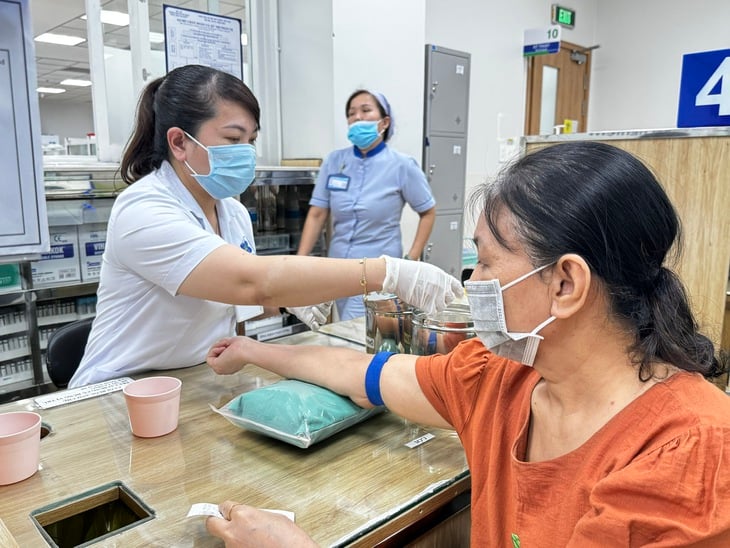
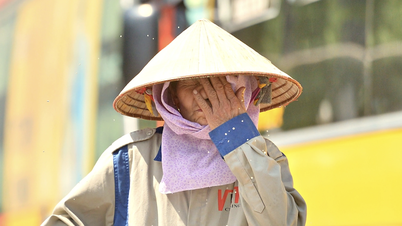
Health isn't built from grand resolutions made in a single day, but from small choices repeated long enough to become a lifestyle - Photo: THU HIEN
A saying that the Vietnamese people have repeated for generations is "prevention is better than cure." This short saying is far ahead of modern understanding of preventive medicine.
Listen to your body.
Our grandparents didn't have smartwatches to measure heart rate, sleep tracking apps, or genetic tests to predict disease risk, but they understood one very basic thing: maintaining health starts with small things every day, such as eating a balanced diet, working within one's limits, sleeping on time, and living in harmony with nature.
A healthy life is built upon the kitchen, the yard, daily habits, and how each person treats their own body.
A recent statement by Deputy Minister of Health Tran Van Thuan on Tuoi Tre Online prompts noteworthy reflection: "Disease prevention lies within our family meals, in our walking shoes, in our sleep, and in how we listen to our bodies every day." This reminds us of a paradox of modern life: people have more conveniences, yet their health is becoming more fragile.
We live in an era where we can order food with just a few taps on our phones, but it's also an era where hypertension, diabetes, fatty liver disease, obesity, and strokes are affecting younger and younger people.
And, we have more life-saving devices than any previous generation, but we may also be the least active generation. Many people barely take a few thousand steps a day but still think they're "okay."
Many people work until 1 or 2 a.m. as a normal habit, replacing water with sugary soft drinks, replacing family meals with fast food, and replacing sufficient sleep with a few hours of makeshift rest. These choices are so small that few realize they can silently contribute to illness years later.
The ancients had a very thought-provoking saying: "Illness enters through the mouth." This is not only a reminder about food hygiene, but also a health philosophy that preceded modern science by many generations.
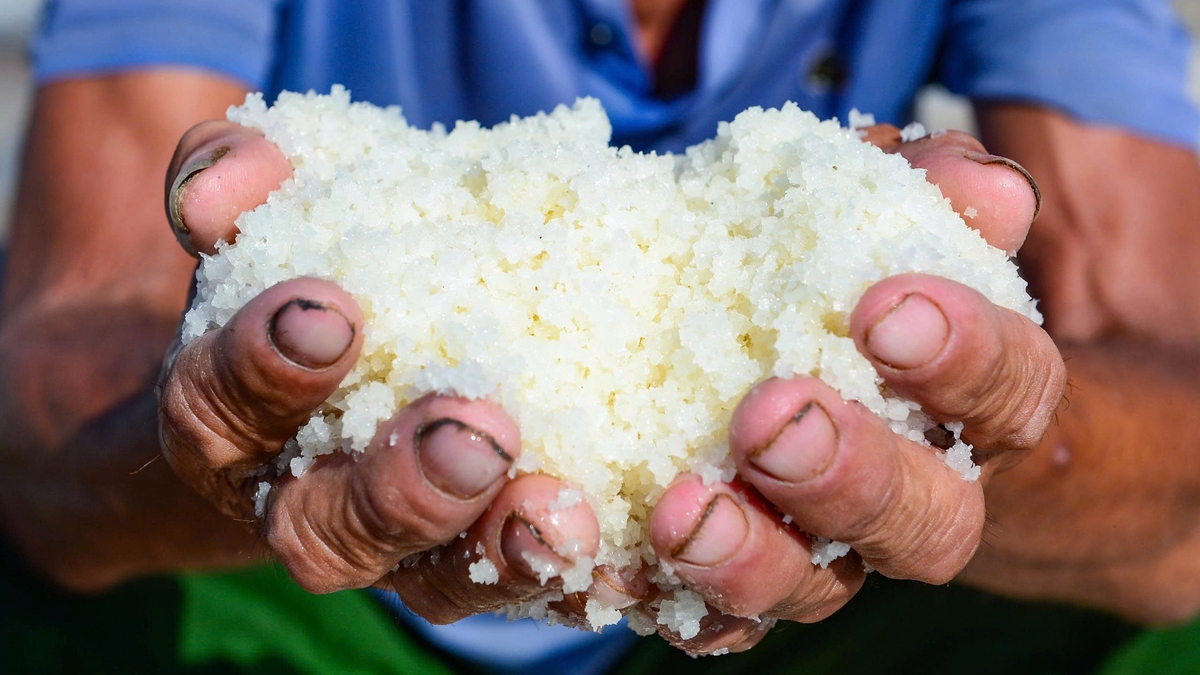
Today, medicine has proven that many chronic diseases are directly related to diet and lifestyle. Eating too much salt increases the risk of hypertension, consuming too much sugar increases the risk of obesity and diabetes, overuse of processed foods increases the risk of cardiovascular disease, and excessive alcohol consumption damages the liver, heart, and nervous system.
A large proportion of modern diseases actually originate from what people put into their bodies every day.
Today's meal determines tomorrow's health.
It's a thought-provoking reality that many families are willing to spend tens of millions of dong on medical treatment but are hesitant to spend more on a healthy meal. People readily invest in new phones, new cars, and nice clothes, but sometimes overlook investing in their health.
Meanwhile, what determines the quality of life in the long term is not the material possessions one owns, but whether one's body is still healthy enough to enjoy life.
Many people think healthy eating has to be expensive. That's not necessarily true. What the health community has long emphasized is eating intelligently, such as reducing salt and sugar intake, eating more vegetables, limiting processed foods, drinking enough water, and not overeating. These things sound simple, but the challenge lies in maintaining consistency.
In the past, family meals often included plenty of vegetables, boiled dishes, and plenty of natural exercise. Today, many families eat faster, more hastily, and sometimes even more distantly. Many people eat while looking at their phones, children prefer sugary drinks to plain water, and adults prefer staying up late to going to bed early. These changing lifestyles lead to changes in health.
More worryingly, recent warnings indicate that Vietnam is among the countries with a high rate of sedentary youth. A generation growing up glued to phone screens but rarely stepping outdoors may pay the price in terms of health years to come.
The frightening thing about chronic diseases is that they often develop very slowly, to the point that people take them for granted. A little late-night exercise today might not seem like a big deal, a little laziness might not seem like a big deal. An extra can of soda might not seem like a big deal. But 10 or 20 years from now, the body will remember everything.
Don't wait for your body to speak up with illness.
Modern people are very good at taking care of their phones. If it's slow, they take it in for repair. If their car is about to break down, they service it. If their air conditioner is cleaned regularly. But their bodies – the things that accompany them throughout their lives – are sometimes neglected.
Many people only seek medical attention when they experience pain, only change their lifestyle when illness appears, and only pay attention to their health when their doctor warns them. However, modern medicine increasingly shows that the most important thing is not curing disease, but preventing it.
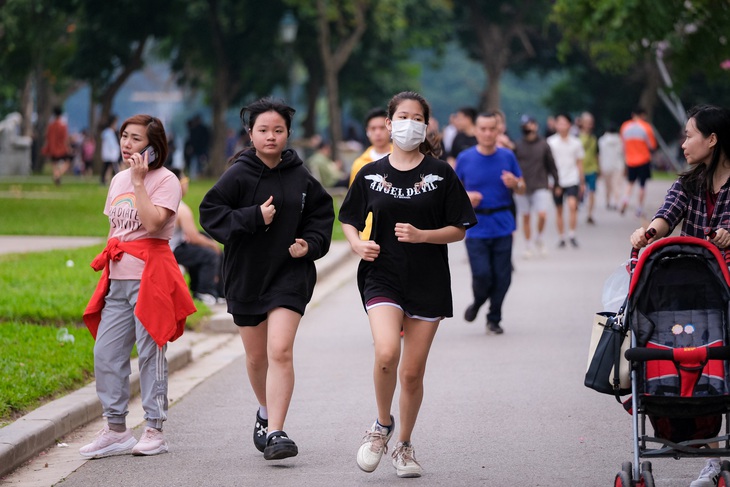
30 minutes of exercise each day can make a big difference to your cardiovascular health, metabolism, and mental well-being - Photo: NAM TRAN
A pair of walking shoes can be more important than many people realize. 30 minutes of exercise each day can make a big difference to your cardiovascular health, metabolism, and mental well-being. Getting enough sleep can be the best free medicine for your brain, and turning off your phone earlier can help your body recover better.
It's important to note that disease prevention isn't a habit that develops overnight. Health is built on small but consistent changes, such as reducing your sugar intake today, walking a few thousand more steps, going to bed an hour earlier, reducing stress, and listening to your body more.
Health isn't built from grand resolutions made in a single day, but from small choices repeated long enough to become a lifestyle. Illness doesn't usually strike unexpectedly; it silently accumulates from seemingly harmless habits that have lasted for many years.
The Vietnamese have a saying: "Health is everything." Only when illness strikes do many realize that their most valuable asset isn't money or success, but the ability to walk on their own, take care of themselves, and peacefully enjoy a normal day. Preventing illness isn't far away; it's right there in the family meal, in walking shoes, in getting enough sleep, and in the decision to treat your body well while you're still healthy.
Source: https://tuoitre.vn/dung-doi-benh-moi-lo-20260526094608748.htm


![[Photo] General Secretary and President To Lam presides over the meeting to approve the draft report on the results of the second inspection by the Politburo of the Standing Committee of the Hanoi City Party Committee.](https://vphoto.vietnam.vn/thumb/1200x675/vietnam/resource/IMAGE/2026/05/26/1779789811432_a2-bnd-4430-9620-jpg.webp)























































































Comment (0)