

From the corn capital
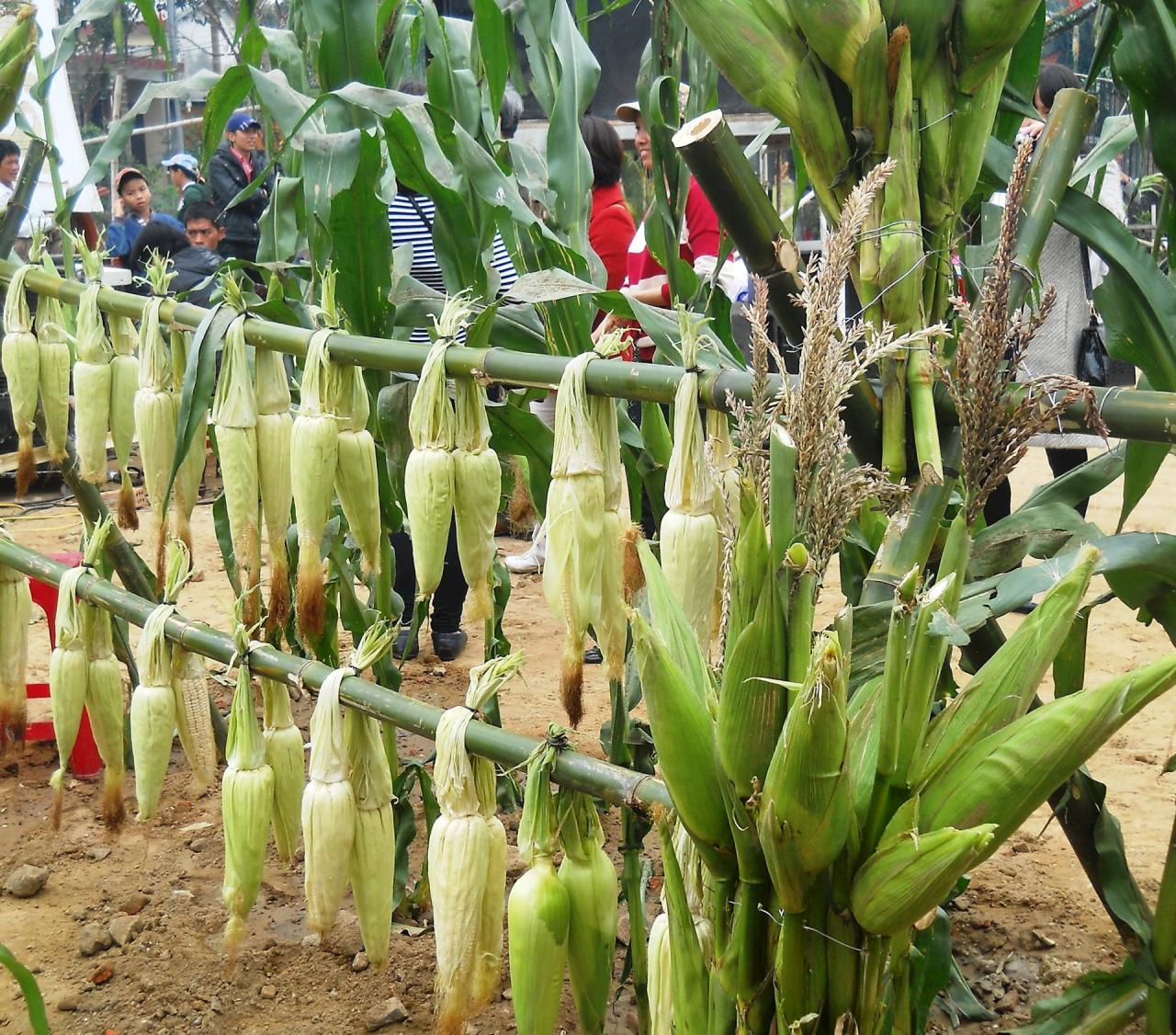
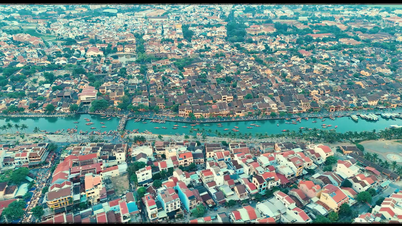
Hoi An has entered the month of March. Gentle breezes chase each other through the streets. From early morning, the cornfields on the other side of the Hoai River resound with welcoming greetings. Many years later, the "Cam Nam Sticky Corn Festival" is no longer exclusive to the people of Hoi An, or solely dedicated to the crops of the riverside fields.
Now, on street corners, vendors selling sticky rice with corn and beans have appeared, inviting customers. Through the years and seasons, from January to February, Hoi An enters the season of... sticky rice with corn and beans.
In the past, this was a snack that mothers and grandmothers saved for their children after returning from the market. Now, it's not only a breakfast food for schoolchildren or those rushing to get to work on time, but also a specialty with a sweet and savory flavor that resonates with visitors from afar.
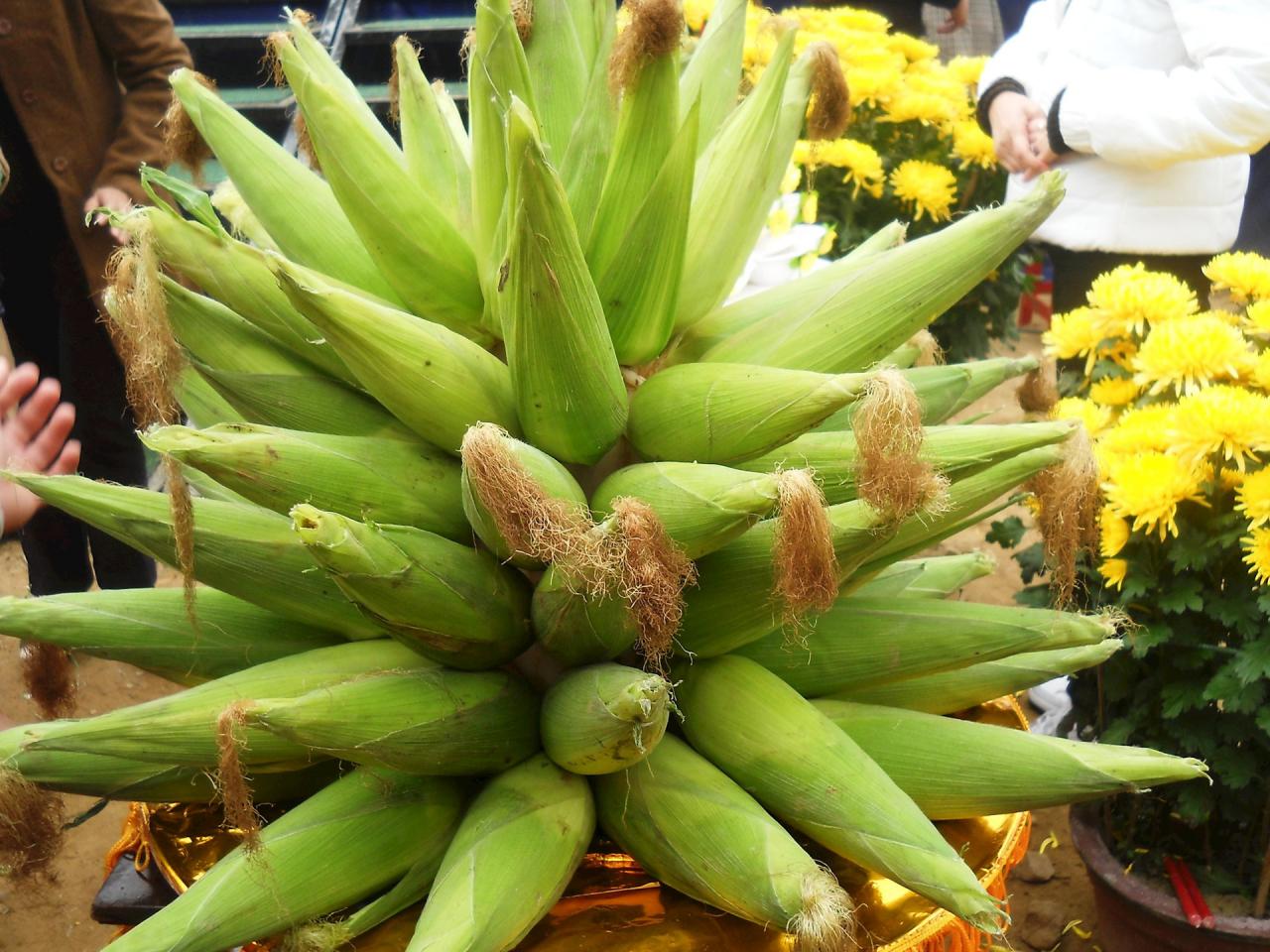
Cam Nam is the land of corn. From afar, Cam Nam looks like a small island next to the old town, surrounded by branches of the Thu Bon River downstream. The alluvial soil creates a fertile and prosperous land. The downstream branches of the river sustain the people here with the bounty of nature, such as clams, fish, brackish water shrimp, cassava, sweet potatoes, and corn grown in the alluvial plains. The farmers of Cam Nam take advantage of these favorable conditions to specialize in growing corn annually according to the seasons, just like rice.
The delicious corn dishes of Cam Nam have long been a part of Hoi An's heritage. Without effusive greetings or enthusiastic invitations, visitors still long to savor and cherish the taste of boiled corn, a bowl of corn porridge, grilled corn, or a packet of sticky rice with corn. Especially in the early spring, the warm sunshine and cool breezes allow visitors to fully appreciate the deliciousness of a small, charming packet of sticky rice with corn.
Sticky rice with corn and beans on the street
Cooking sticky corn properly while maintaining its chewy texture and characteristic aroma requires a special technique. Small, pale yellow corn kernels are suitable for stir-frying or deep-frying. For delicious grilled or boiled corn, choose kernels that are neither too old nor too young; this ensures the corn remains chewy.
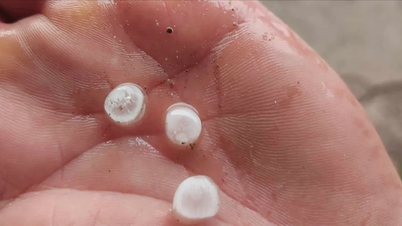
For sticky rice with corn and beans, you must choose plump, white, fragrant glutinous corn. The corn should be in its milky stage, plump and juicy. When you peel off the outer husk, the kernels are a translucent white. For delicious sticky rice with a pure, sweet flavor, those who harvest the corn should do so near dawn, when the mist is still thick, as this is when the corn has absorbed the most nutrients and water.
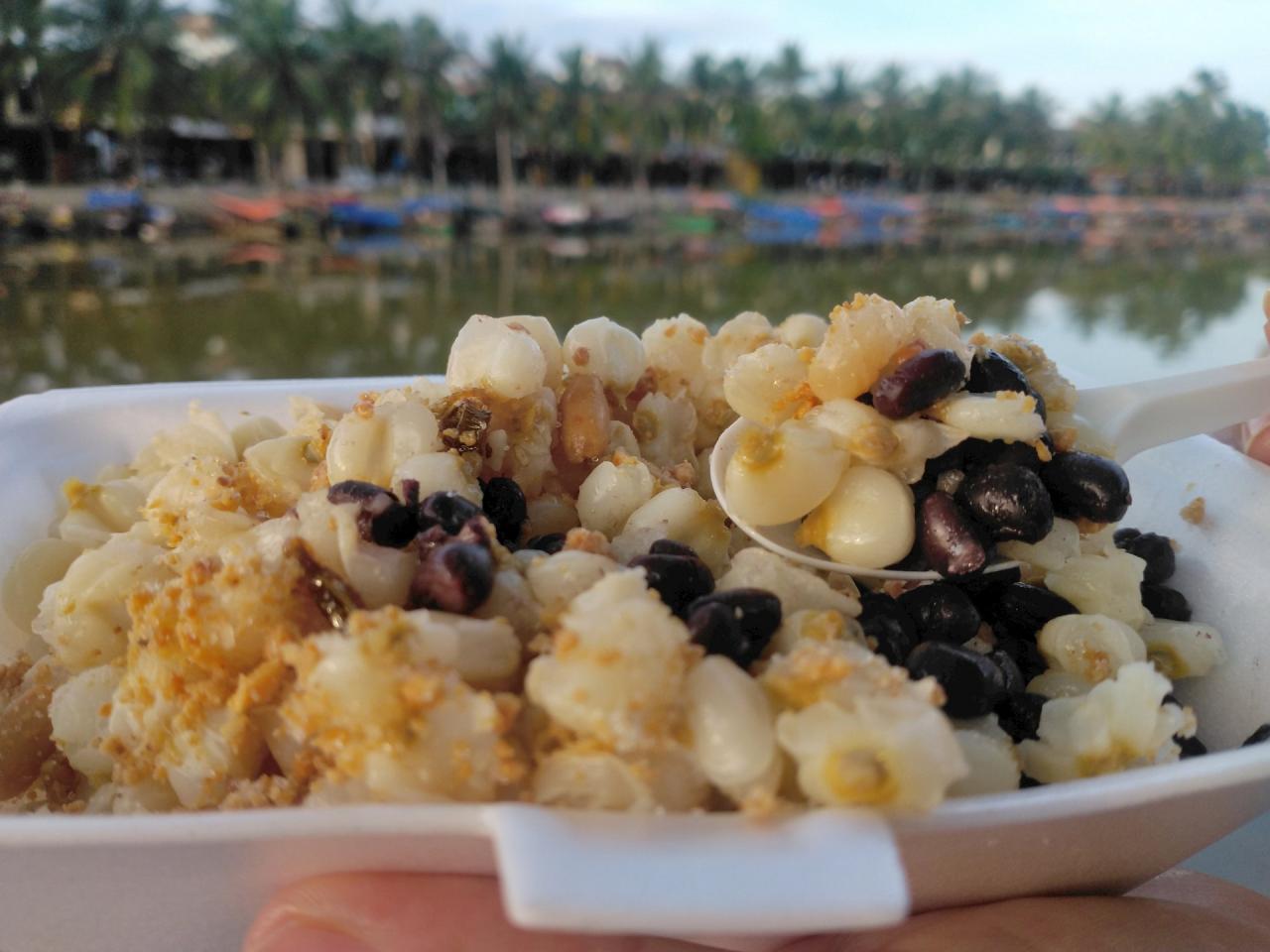
Freshly harvested corn is shelled, rinsed, and any kernels that float to the surface are discarded. Then, the corn is boiled in lime water for about half an hour. Quickly drain it into a finely woven bamboo sieve and let it cool. Rub the corn until the husks come off. Rinse thoroughly with water several times until the corn is completely clean and free of any lime smell.
Next, mix the steamed black beans with the corn. Place the pot of corn porridge next to the glowing embers, and continue roasting and grinding the peanuts until the salt and peanuts are well combined and finely ground like rice bran.
Reaching for the chopsticks stuck in the bamboo tube in the corner of the kitchen, she stirred the corn evenly, then gently covered the bottom of the basket with a layer of banana or lotus leaves before serving the sticky rice.
To keep it warm, fill the basket with sticky rice, layer it with leaves, and place a towel on top to help the corn sticky rice retain heat without becoming soggy.
Whenever a customer makes a purchase, the seller simply scoops out the right amount of sticky rice, carefully sprinkling salt and peanuts on top to suit each customer's taste.
Visitors can carry a whole packet of hot sticky rice and enjoy it while strolling through the old town. Although it's just a small, simple snack made from readily available ingredients from the fields and gardens, with a touch of skillful preparation, this humble dish from Quang Nam province is enough to captivate many diners...
Source

![[Image] Close-up view of the interchange connecting the two expressways and Long Thanh Airport.](https://vphoto.vietnam.vn/thumb/1200x675/vietnam/resource/IMAGE/2026/05/25/1779703378210_ndo_br_z7863716673926-224453a31600126cce10622af6290afd-4549-jpg.webp)


![[Image] Hanoi's urban life under the challenge of a "scorching hot" environment](https://vphoto.vietnam.vn/thumb/1200x675/vietnam/resource/IMAGE/2026/05/25/1779706979265_nang-nong-t5-2026-minh-duy-7-4636-jpg.webp)




































































Comment (0)