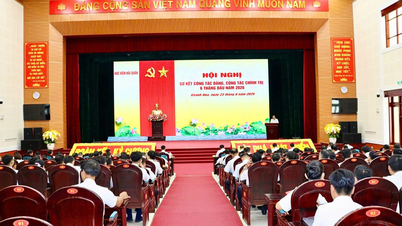
On October 23rd, the Ministry of Agriculture and Rural Development, in coordination with the People's Committee of Binh Thuan province, organized a conference to "Review crop production in 2024; implement the 2025 plan for the Southeast, South Central Coast, and Central Highlands regions; and disseminate Decree 112/2024/ND-CP detailing regulations on rice cultivation land."
According to the report of the Department of Crop Production, rice production for the whole year of 2024 in the three regions is estimated to reach 1,030,000 hectares, with an estimated yield of 60.48 quintals/hectare; the estimated output is 6,229 thousand tons, an increase of 15.6 thousand tons compared to 2023.
To date, in the Southeast, South Central Coast, and Central Highlands regions, authorities have issued 549 export-oriented cultivation area codes, covering over 40,000 hectares, for various crops. They have also issued 284 domestic cultivation area codes, covering nearly 1,770,000 hectares, for various crops, and 117 packaging codes for vegetables and fruits.
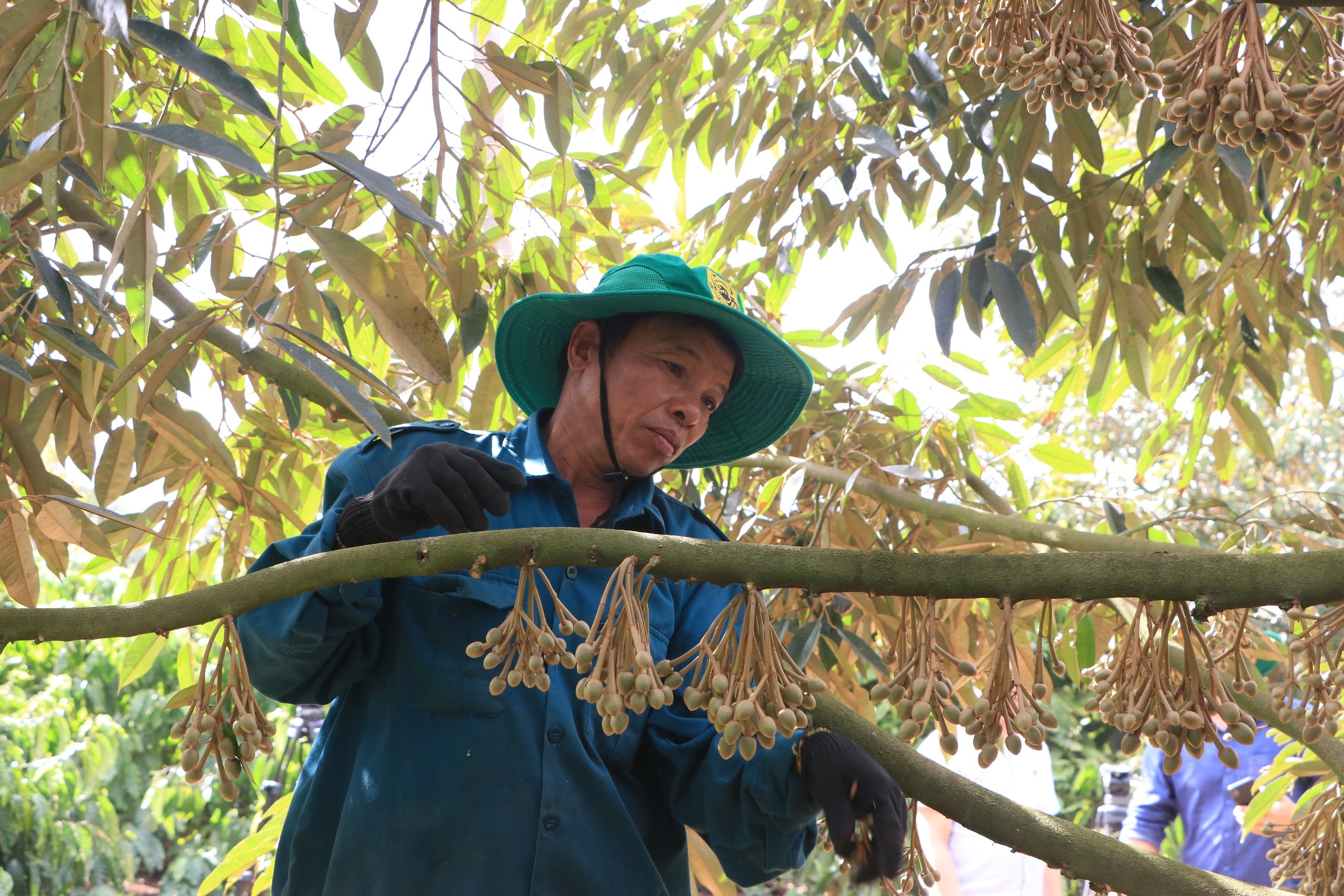
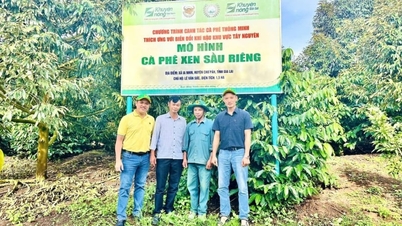
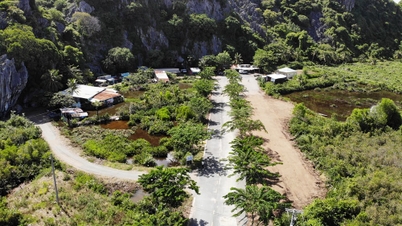
Dak Lak is the province with the largest durian cultivation area in the country. Photo: Quang Sung
At the conference, representatives from the Department of Agriculture and Rural Development of Dak Lak province stated that the locality is facing difficulties in issuing overlapping area codes. The province has more than 5,000 hectares awaiting the issuance of planting area codes, which causes many disadvantages for farmers.
Deputy Minister of Agriculture and Rural Development Hoang Trung emphasized that the Ministry has specifically implemented the issuance of area codes, with written documents sent to each locality. The reason for the delay in issuing area codes is due to ineffective work at the provincial level.
Mr. Trung cited the example of Dak Lak, one of the areas with a very large durian growing area, where the Ministry prioritizes granting planting area codes, but the locality has failed to maintain them. To date, two-thirds of the country's durian growing area has yielded harvests, but the durian cannot be exported to China.

"Meanwhile, nearly 99% of durian in our country is currently exported to China. If we continue to harvest ripe, unripe, and immature fruit indiscriminately like this, the consequences will be unpredictable," Mr. Trung expressed.
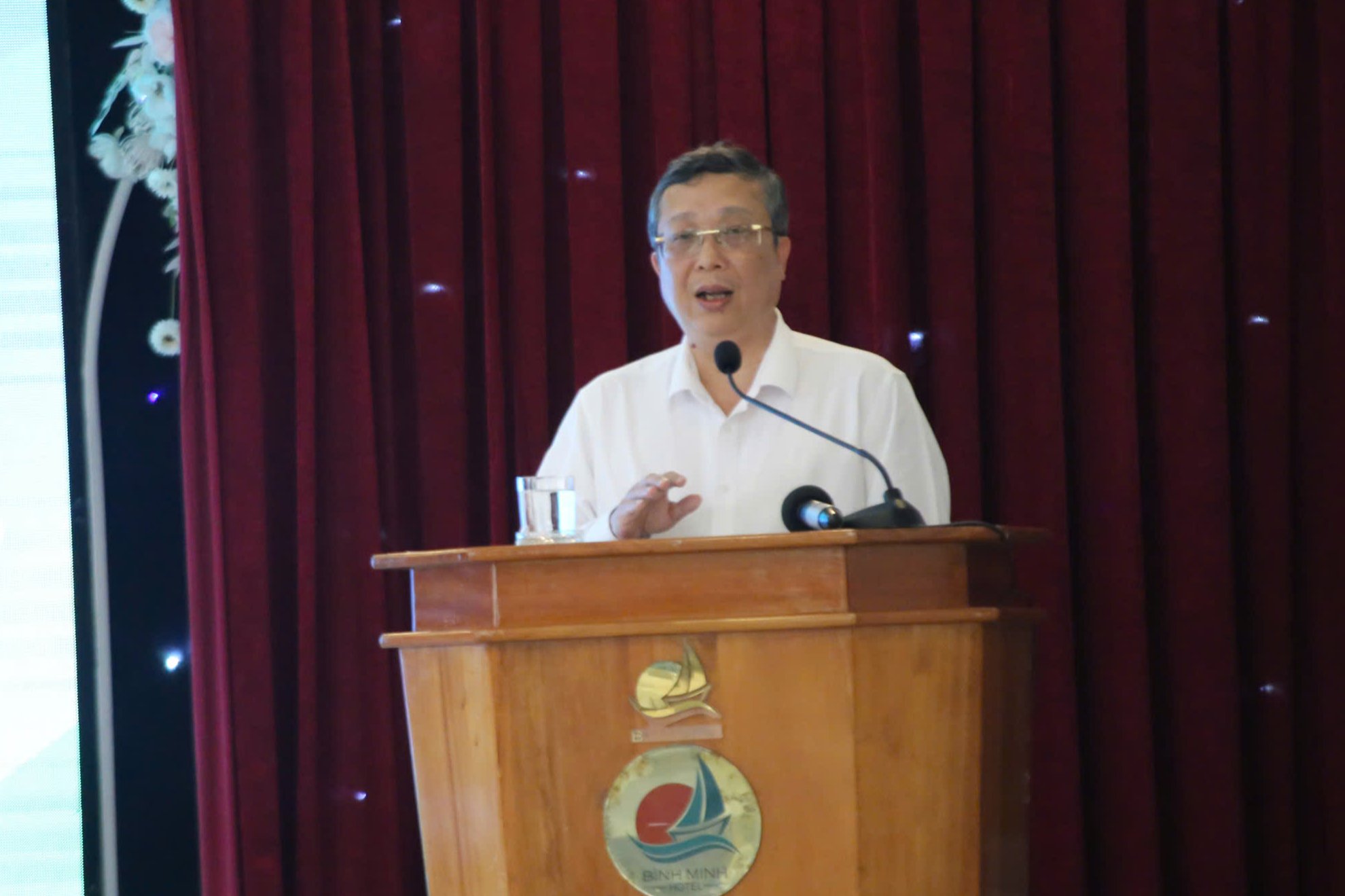
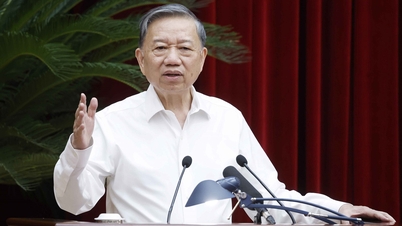
Deputy Minister of Agriculture and Rural Development Hoang Trung emphasized that maintaining and effectively developing planting area codes is most important at the local level. Photo: Ha Xa
Deputy Minister Hoang Trung added that the most important thing is to maintain the planting area codes. Many planting area codes have been issued but are not well controlled, and there is insufficient basis to report to the Chinese side. For planting area codes that have been temporarily suspended, it is necessary to quickly resolve the suspension so that goods can be exported, thereby aiming for the approval of new codes.
"We are eager to be granted more planting area codes, but we cannot guarantee that we will meet their requirements. The authority lies with them, so it is difficult to achieve this if we continue to fail to meet the requirements. The Ministry is making efforts and urging action, but the most important factor is still the local authorities," Deputy Minister Hoang Trung emphasized.
At the conference, Mr. Le Thanh Tung, Deputy Director of the Department of Crop Production, provided further information, stating that the conversion to fruit tree cultivation has several shortcomings. Production organization has not followed local plans and orientations, and remains largely spontaneous. A common practice is leasing land from rice farmers to cultivate mandarin oranges, a quick and short-term exploitation that causes instability in consumption.

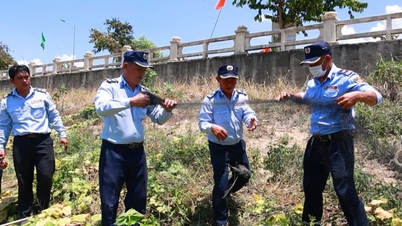
In August 2024, the Department of Agriculture and Rural Development of Dak Lak province established Inspection Team No. 716 to inspect durian growing areas and packaging facilities. Photo: DV



Some farmers cultivate crops using seedlings of substandard quality; they also fail to implement proper orchard preparation techniques. Lack of knowledge and resources in harvesting fruit leads to low quality and inconsistent food safety standards.
The link between production and procurement for product consumption is weak, and producers have not been able to keep up with market signals, resulting in volatile and unstable prices.
Infrastructure has not yet met the requirements, and the conversion of rice land to fruit trees requires significant investment. Local authorities have also not yet finalized conversion plans that take into account planting seasons, conversion areas, crops, scientific and technical aspects, production organization, and product consumption.
Source: https://danviet.vn/thu-truong-hoang-trung-duy-tri-ma-so-vung-trong-quan-trong-nhat-la-dia-phuong-20241023173239831.htm




![[Photo] Prime Minister Le Minh Hung presides over the thematic session on promoting science and technology development and innovation.](https://vphoto.vietnam.vn/thumb/1200x675/vietnam/resource/IMAGE/2026/06/23/1782207872934_ndo_br_dsc-1724-jpg.webp)