Increase connectivity
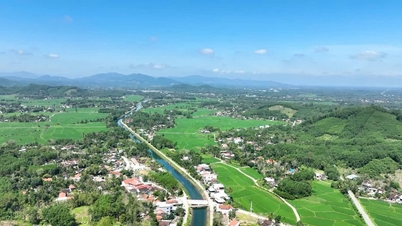
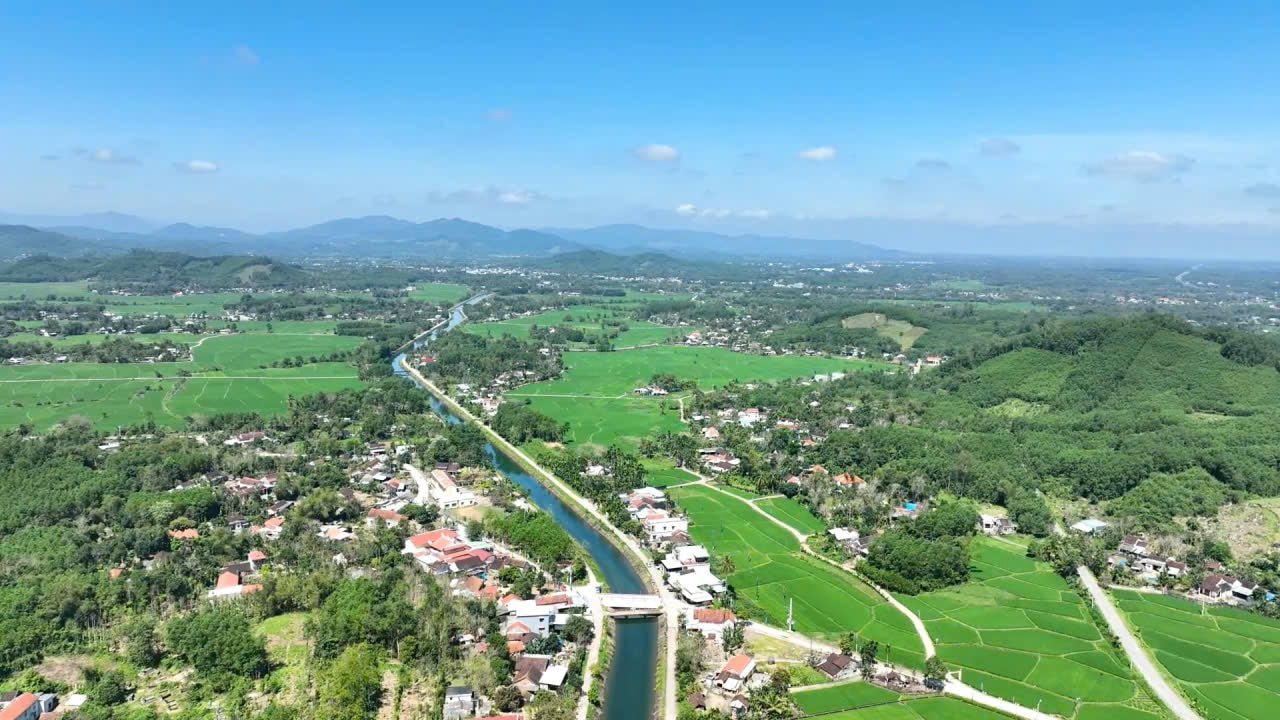
Chien Dan, Phu Ninh, and Tay Ho are three communes formerly belonging to Phu Ninh district. From their establishment, these three communes agreed to issue a common coordination regulation to create close links in leadership, direction, and implementation of tasks, and to support each other's development. However, in reality, the development space remains fragmented and lacks overall linkage. Development coordination across the entire region is no longer organized under a single unified authority, leading to the risk of localities implementing investments individually, easily resulting in scattered investment and fragmented development.
According to Le Van Ninh, Chairman of the People's Committee of Chien Dan commune, the overall advantages of Phu Ninh district in the past, especially in terms of spatial planning and infrastructure, have not been effectively exploited. Investment promotion and attraction efforts face many difficulties, particularly for strategic projects that have been conceived in advance. The main transportation network connecting communes currently lacks uniformity, creating bottlenecks in technical infrastructure. This lack of connectivity limits trade, the movement of goods, and affects the socio-economic development of the entire area.
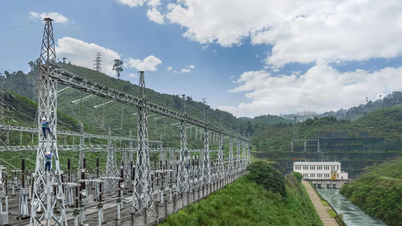
According to Mr. Le Van Ninh, during the planning process under Decision No. 628/QD-TTg dated April 6, 2026, of the Prime Minister approving the General Planning Task for Da Nang City until 2050, with a vision to 2075, the city needs to pay attention to the development orientation of the three communes to ensure synchronization with the technical and social infrastructure network of the entire city. At the same time, support should be provided to promote and attract investment in the infrastructure of the Tam Dan, Hoa Binh, Tam Loc industrial clusters and the Phu Xuan Industrial Park, in order to boost economic growth in the area. This is a prerequisite for the Chien Dan - Phu Ninh - Tay Ho area to become new growth poles.
According to Nguyen Huu Binh, Chairman of the People's Committee of Phu Ninh commune, all three communes have great potential for tourism development and can collaborate to build tours and routes towards forming a diverse tourism ecosystem, closely connecting natural values with historical and cultural depth. For example, expanding tourism services in the Phu Ninh lake area; developing resort spaces associated with the Phu Ninh protective forest and the Thac Trang (Tam Lan) relic site. At the same time, promoting the value of the special national-level relic cluster, connecting the Phan Chau Trinh Memorial House with the Lower Laos Resistance Zone and the Southern Central Border Office, the Chien Dan Temple and Chien Dan Tower relic sites.


Creating new growth poles
According to Le Van Thoi, Chairman of the People's Committee of Dong Duong commune, the locality has proposed that the city consider investing in several large-scale key transportation projects to create momentum for socio-economic development in the entire area. These include the upgrading and expansion of the DH7 road (part of DT613C) connecting Thang Truong, Thang Dien, Dong Duong, and Viet An communes; the construction of a bridge across the Ly Ly River connecting to Que Son Trung commune; and the investment in a road from Son Cam Ha commune to DH27, connecting to National Highway 14E. These are all important projects in the strategy of expanding development space and strengthening regional connectivity. During implementation, localities will closely coordinate to facilitate investment, contributing to the promotion of socio-economic development throughout the region.
In previous working sessions with localities in the former district, city leaders emphasized the urgent need to strengthen linkages and mutual support for development. Recently, at a working session with localities in the former Thang Binh and Que Son areas, Vice Chairman of the City People's Committee Tran Chi Cuong stated that increased exchange would help localities share experiences and effective practices, especially in resolving difficulties related to land clearance and planning implementation. Simultaneously, it would facilitate the development of collaborative programs tailored to the potential and strengths of each locality, particularly in the fields of tourism and infrastructure investment.
According to Vice Chairman of the City People's Committee Tran Chi Cuong, in the process of formulating commune planning, the linkage between localities plays a particularly important role. Exchanges on development orientations will help localities gain an overall view of the general picture, thereby choosing appropriate priority areas, avoiding unnecessary overlap or competition.
In reality, many localities have included industrial clusters in their planning but have not fully assessed their capacity in terms of transportation infrastructure, occupancy rates, labor supply, and actual needs. This can lead to competition in attracting investment and waste of land resources. Conversely, development in a harmonious and mutually supportive manner will form interconnected chains, enhance the value of each sector's strengths, and create a common development impetus for the entire region.


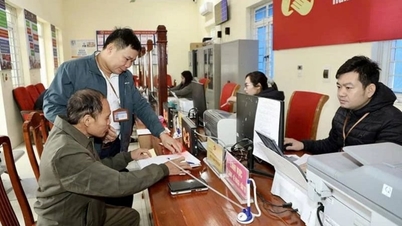
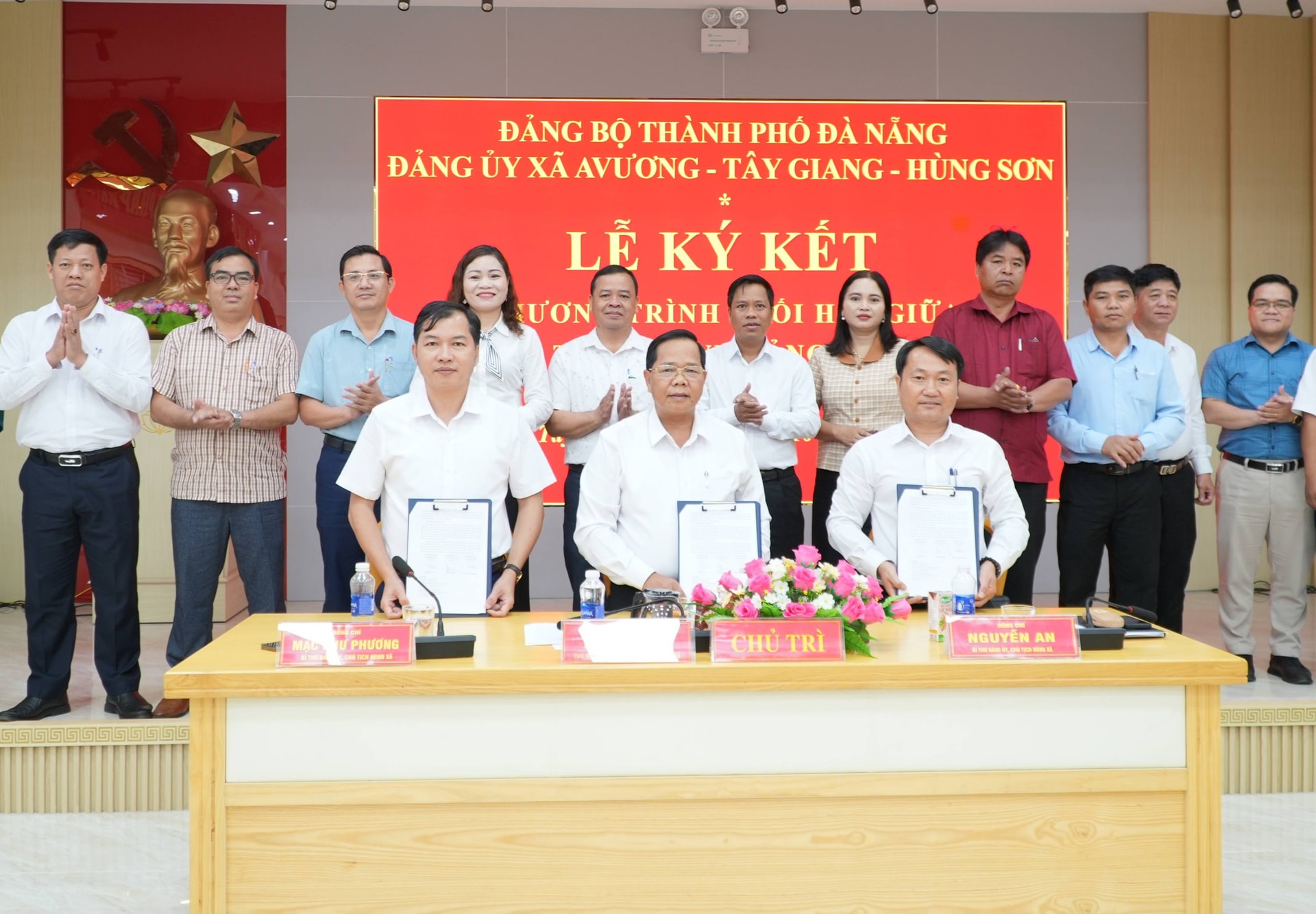
When development thinking is no longer confined within administrative boundaries but focuses on connectivity, it will create synergistic power, contributing to the formation of new growth poles. In fact, in recent times, localities such as Tam Ky - Ban Thach - Huong Tra - Quang Phu and Tay Giang - Hung Son - Avuong have effectively implemented the coordinated program for socio-economic development and national defense and security for the 2025-2030 period. Nguyen Duy An, Secretary of the Ban Thach Ward Party Committee, stated that the coordinated organization of political, social, cultural, and social welfare activities among localities has fostered cohesion and consensus among the people, gradually forming a development mindset based on an open space.
According to Bhling Mia, Secretary of the Party Committee of Tay Giang commune, the three communes have proactively supported each other in developing agriculture, forestry, medicinal plants, and ecotourism while maintaining national defense and security and protecting the border; and also providing mutual assistance in disaster prevention, rescue, and relief efforts. This is an important foundation for the localities to continue expanding linkages, effectively exploiting the potential and advantages of each region, and contributing to promoting sustainable development in the future.
Source: https://baodanang.vn/tao-dong-luc-phat-trien-tu-lien-ket-vung-3341617.html


![[Photo] Prime Minister Le Minh Hung presides over the thematic session on promoting science and technology development and innovation.](https://vphoto.vietnam.vn/thumb/1200x675/vietnam/resource/IMAGE/2026/06/23/1782207872934_ndo_br_dsc-1724-jpg.webp)