

.jpg)
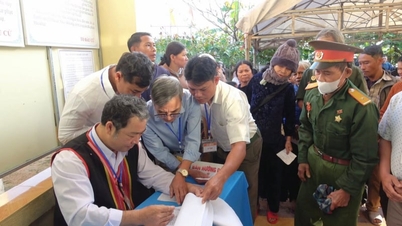
To achieve this, Da Nang needs to take meticulous and systematic steps to create a high level of consensus among all segments of the city's population.
"As long as the village exists, the nation exists!"
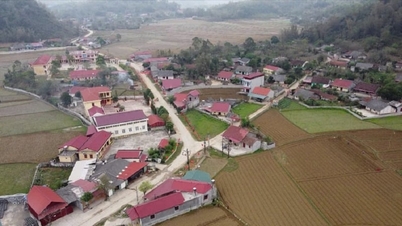
In fact, during the period 2019-2021, the whole country streamlined and merged more than 15,000 villages and residential areas, bringing the total number down to about 90,500 units. However, many villages and residential areas still have shortcomings in terms of population, area, or specific characteristics of mountainous and island regions, especially the names of the new villages/hamlets/neighborhoods still elicit conflicting opinions. This necessitates a deep understanding of historical, cultural, and community structure factors to ensure that each village/hamlet/neighborhood is not only "up to standard" in terms of management, but also sustainable in terms of identity and social life and "in line with the people's will".
Prior to the formation of the new Da Nang administrative unit, in Quang Nam - a region with many villages and hamlets that have gone down in the nation's history - the merger still left many people with concerns and questions when the new villages were named.
Many place names that were once deeply ingrained in the community's memory have been replaced with rigid, mechanical names. For example, Giao Thuy Village (now part of Dai Loc commune), which has been immortalized in history, poetry, music, and art, especially in Vo Quang's work "Homeland," where the French established the first "Giao Thuy silk weaving shop" in Central Vietnam, was renamed "Village One" after incorporating a nearby group of residents.
Similarly, Van Ha village – the cradle of carpentry, officially recognized during the reign of Emperor Thanh Thai – has now been renamed "Phu Van village"; Trung Giang village (the maternal hometown of Minister Pham Phu Thu) is being considered for renaming to "Ha Giang"; Phu Lam village (Tien Phuoc), associated with the patriot Le Co during the early Duy Tan period, is now slated to be merged into "Tien Cam"... These "numerical" and "hybrid" naming conventions have inadvertently severed the historical and cultural connections that have been passed down for hundreds of years, diluting identity and making people feel as if they have lost a part of their roots and heritage.
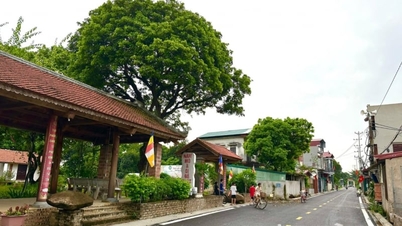
From a historical perspective, it can be seen that village names are not simply administrative symbols, but rather the crystallization of memories and community consciousness across generations. An old place name evokes not only a living space but also affection and nostalgia, symbolizing stability and the aspiration for a sustainable life. It is no coincidence that scholars studying the enduring vitality of Vietnam affirm that "As long as the village exists, the nation exists," highlighting the immense role of villages. The search for and naming of a new village/hamlet/neighborhood serves not only administrative purposes but also acts of "creating memories" for the future.
Therefore, in my opinion, Da Nang needs to approach the issue of naming new villages/hamlets/neighborhoods with caution, a scientific and systematic attitude, and not treat it as a mere administrative operation; it needs to consult with intellectuals, researchers, and especially respect the thoughts and aspirations of the people in the areas where the villages/hamlets/neighborhoods are about to be merged.
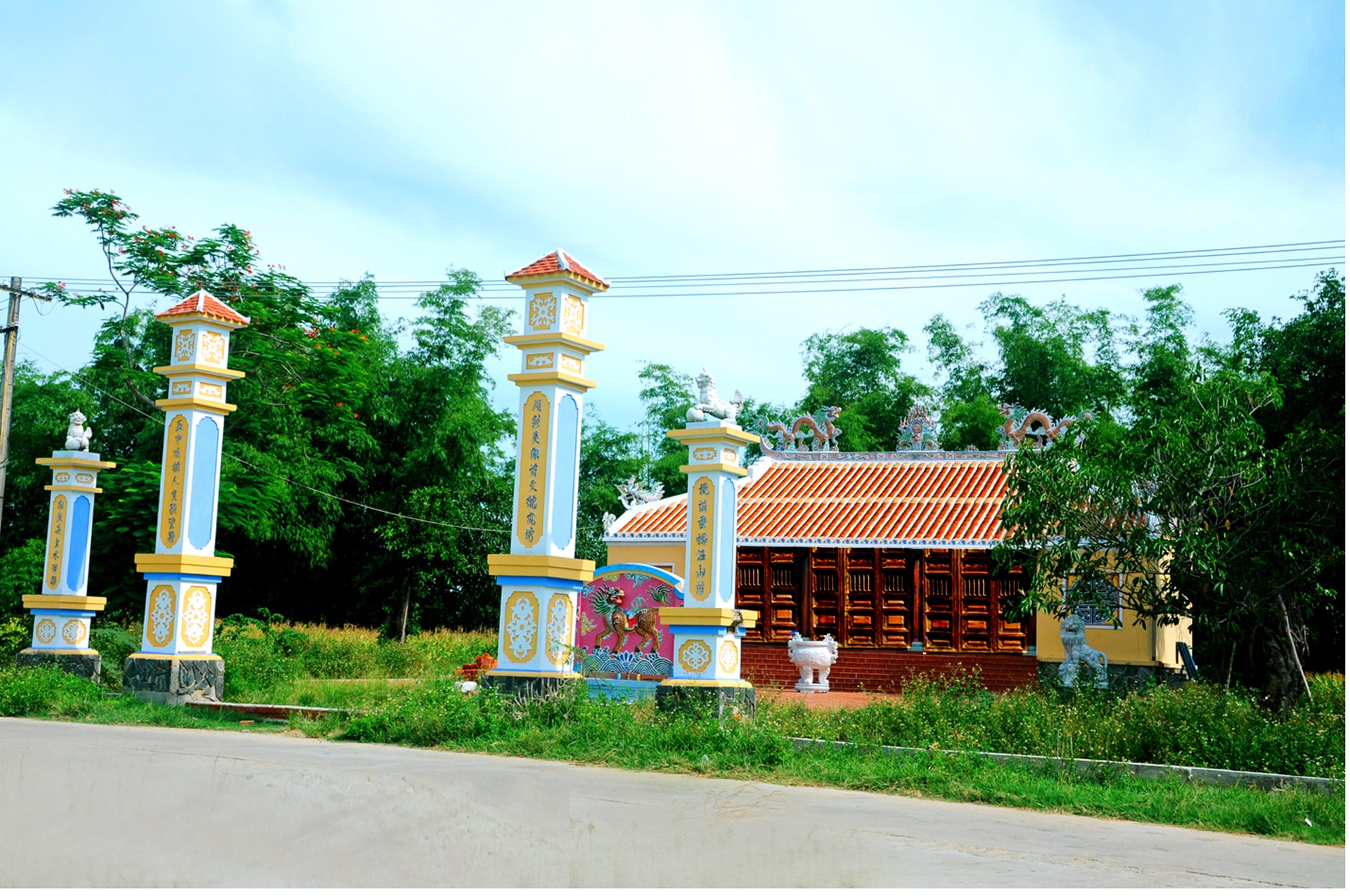
To make "The country is our homeland!"
In our opinion, to ensure a smooth and people-pleasing implementation that respects the historical and cultural requirements of villages and communes, especially in the context of Da Nang's preparation to reorganize villages/hamlets/neighborhoods to streamline the administrative apparatus, the following requirements must be met: First, the new names after merging multiple villages/hamlets/neighborhoods must stem from the historical depth of the village.
Ancient place names that have been recorded in historical documents (for example, more than 60 villages of Quang Nam in O Chau Can Luc) or in historical and folk cultural memory should be prioritized for preservation, instead of arbitrarily creating new ones (such as Phong Le, Lam Vien, Huong Que, Loc Yen, Gia Coc, Cam Pho...).
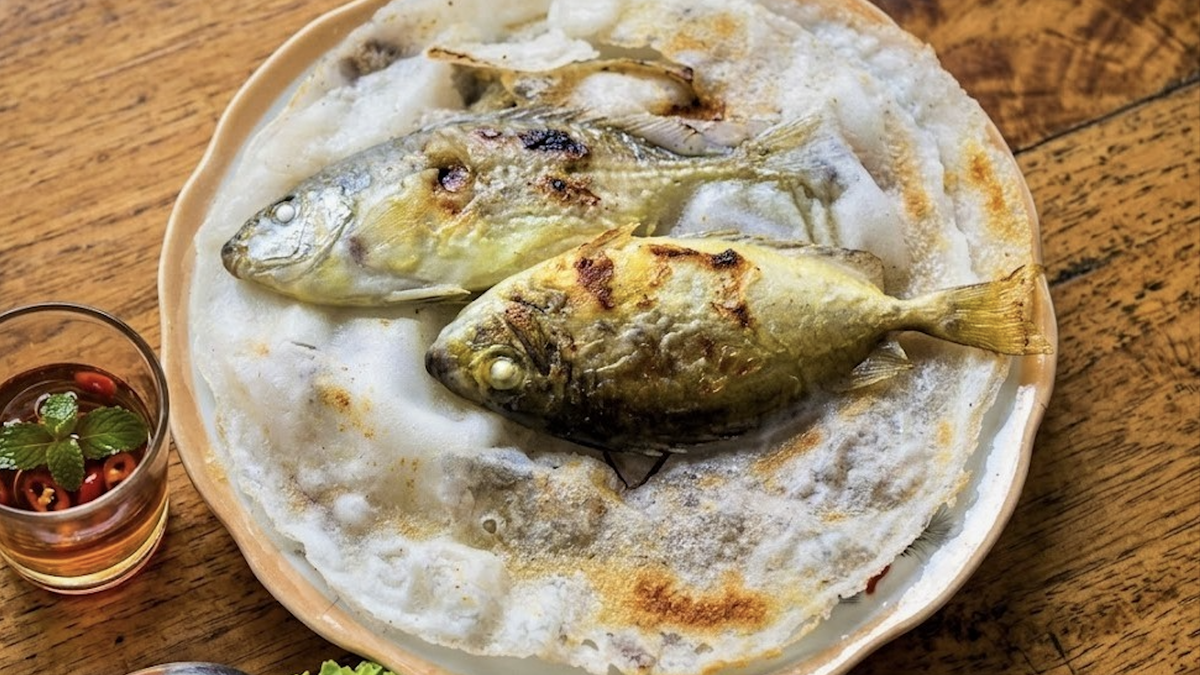
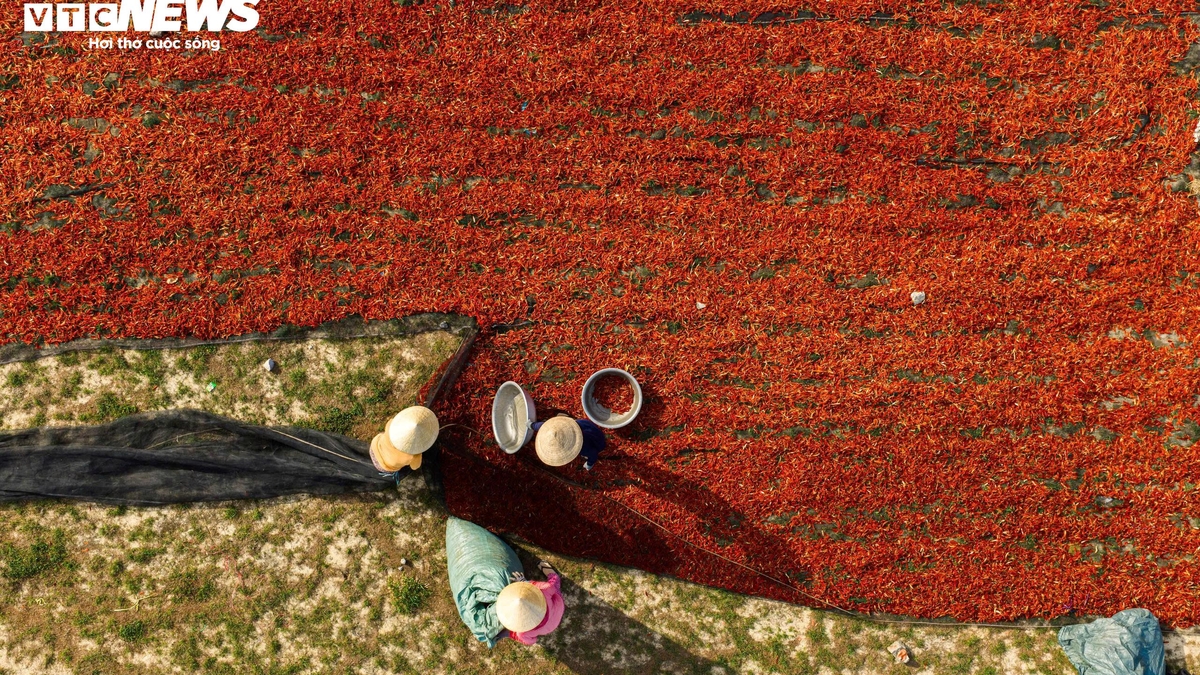
Secondly, traditional occupations should be considered an important basis. Place names associated with once-famous crafts such as silkworm breeding, mat weaving (Ma Chau, Yen Ne, Ban Thach…), fish sauce making (Nam O, Tan Thai, Cua Khe…), Tra Que, La Bong, Thu Bon, Non Nuoc stone carving village… not only reflect livelihoods but also represent unique cultural imprints that need to be preserved in the new names.
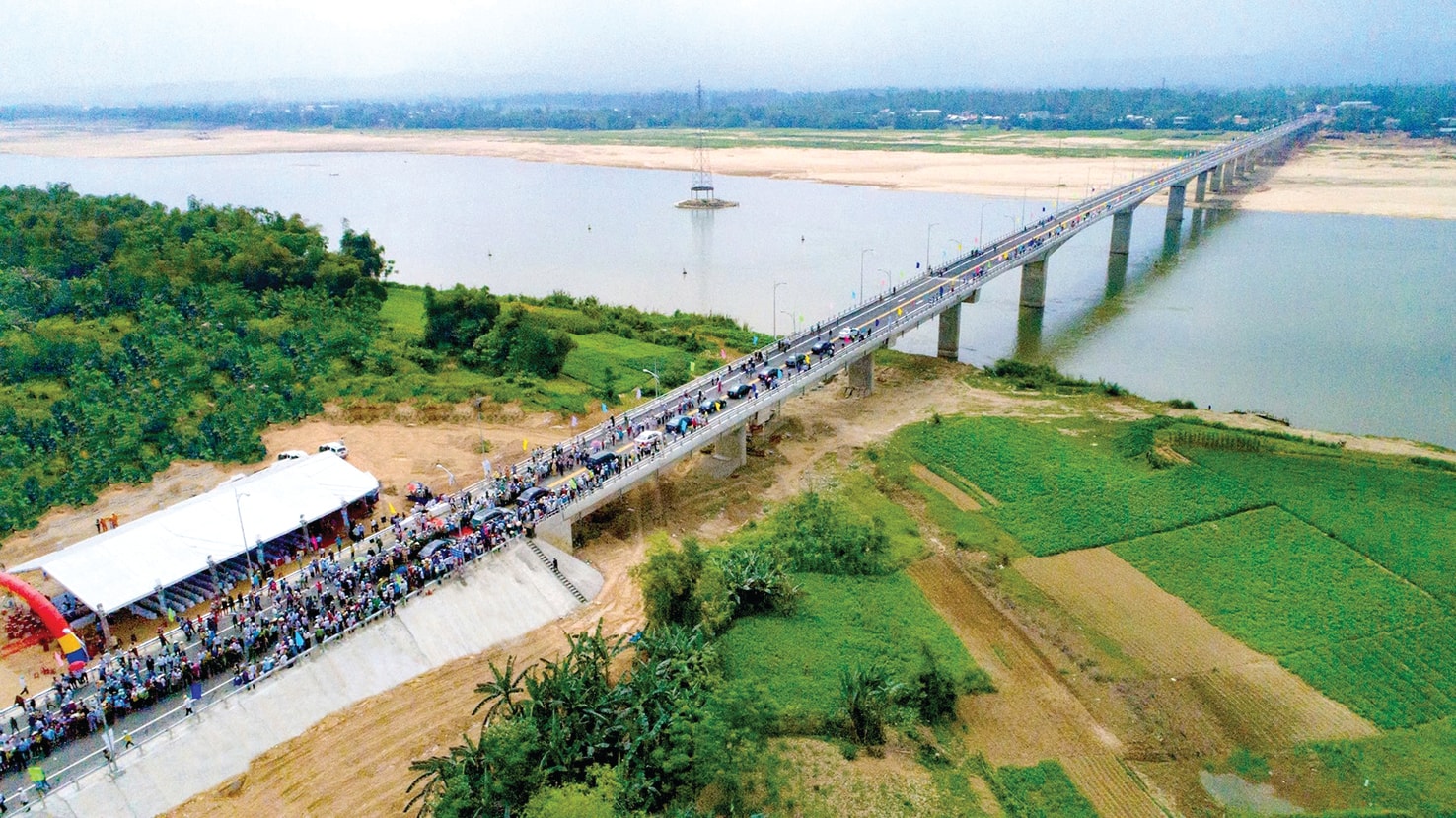
Thirdly, historical sites and landmarks associated with significant historical movements and events can be used as a "central axis" for naming, while merging adjacent villages (for example, Ngũ xã Trà Kiệu, Hải Châu chính xã, Xuân Thiều (where the Americans first landed), Khuê Trung, An Hải)... thereby creating a cultural space with clear connectivity and identity.
Fourth, attention should be paid to geographical and social factors such as rivers, wharves, streams, or folk names rich in imagery (for example: Khe Tre, Ho Lam, Ben Den, Ben Van, Ba Ren, Song Yen)... these are precious legacies left by our ancestors and preserved by their descendants through countless upheavals...
Regarding the merging of names between different units, this should only be done when ensuring phonetic harmony and adherence to tradition; otherwise, it is necessary to boldly choose the name of a locality with a rich history and representative culture as the common name. In particular, absolutely avoid naming new villages/hamlets/residential areas using sequential numbers (numericalization) simply on the pretext that "residents of the merged villages do not agree." In such cases, the local government should decide to retain the most representative original village name to preserve the continuity of the local history and culture.
In my opinion, the Da Nang City People's Committee should issue specific guidelines on the merger and naming of new villages/hamlets/neighborhoods so that wards and communes have a basis for implementation (and decisions should be made based on proposals from wards and communes based on local realities) to quickly gain public consensus and avoid a situation where everyone acts independently, which could cause unnecessary disagreements and disruptions.
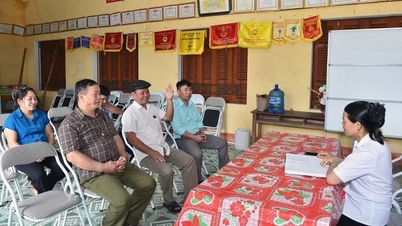
The local authorities at the ward and commune levels must do a good job of organizing consultations and selecting names, especially valuing the opinions of historians, cultural researchers, and the community of the villages/hamlets/neighborhoods that will be merged and given new names. Along with this, the assignment and placement of officials and non-professional personnel in the villages/hamlets/neighborhoods should be carried out in conjunction with the merger process, ensuring the selection of individuals who understand the area, have prestige, and possess community management capabilities; all changes must aim to maintain stability and continuity in management, public welfare, and public service delivery, because the requirement of the merger is not only to reduce administrative layers but also to improve the quality of service to the people.
Finally, it is necessary to instill in cadres, Party members, and the people of communes, wards, and villages/hamlets/neighborhoods in Da Nang city the spirit that General Secretary To Lam has stated: In the face of the country's new development requirements, we must change our thinking and vision; unify our understanding and ideology; overcome ourselves, sacrifice personal interests for the common good of the country; overcome anxieties, worries, and normal habits; overcome regional mindsets and sentiments to move towards a broader thinking and vision: "The country is our homeland!"
Source: https://baodanang.vn/giai-phap-nao-de-sap-nhap-lang-khu-pho-tai-da-nang-3332119.html






















![[Photo] Reception to welcome General Secretary and President To Lam and his wife on their State visit to the Philippines](https://vphoto.vietnam.vn/thumb/1200x675/vietnam/resource/IMAGE/2026/06/01/1780295488620_vna-potal-chieu-dai-chao-mung-tong-bi-thu-chu-tich-nuoc-to-lam-va-phu-nhan-tham-cap-nha-nuoc-toi-philippines-8798060-7855-jpg.webp)













































Comment (0)