

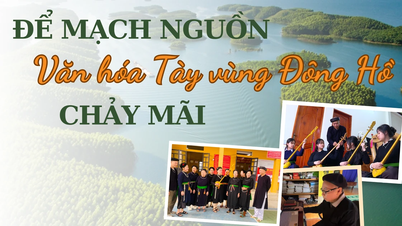
Amidst the relentless flow of modern life, as new values permeate every village in the highlands, the preservation of traditional cultural identity is no longer a matter for a single community, but a shared concern in the journey towards sustainable development. In Muong Lai commune, where the Tay people are the majority, this identity is still being preserved as a vital source, not only present in houses, clothing, and customs, but also deeply ingrained in the spiritual life, behavior, and soul of the people.
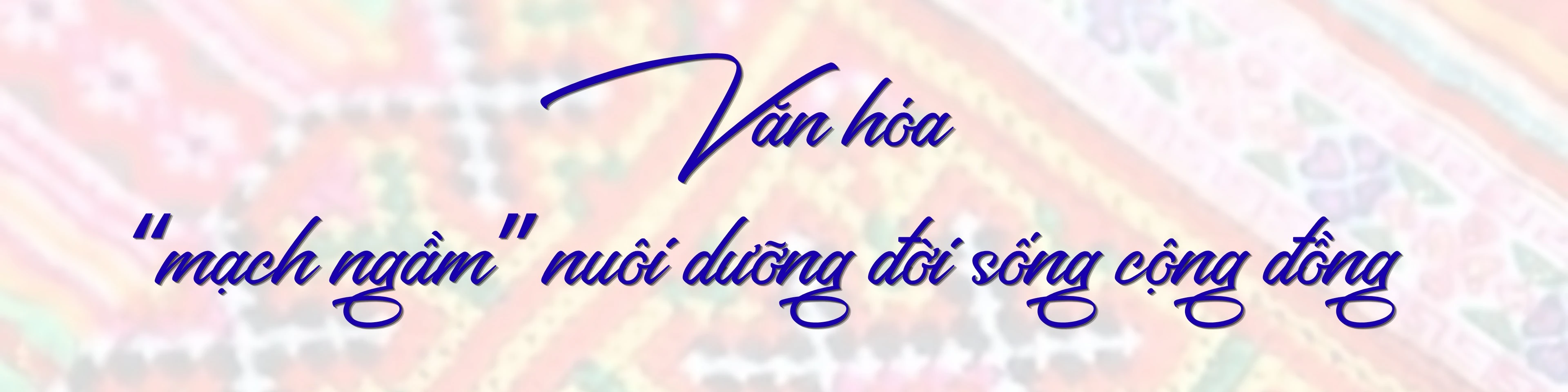
In Muong Lai, Tay culture is not something distant, but is present in every aspect of daily life. From their speech and communication styles to their songs and Then melodies, everything blends together to create a distinctive cultural space, forming the "soul" of the village.
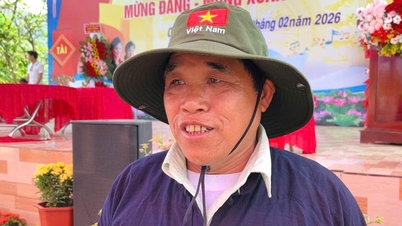
According to Mr. Hoang Van Ngan, an elderly man with a deep understanding of local culture, Tay culture is not only about tangible values such as stilt houses and rituals, but also about intangible elements that influence how people interact with each other in the community.
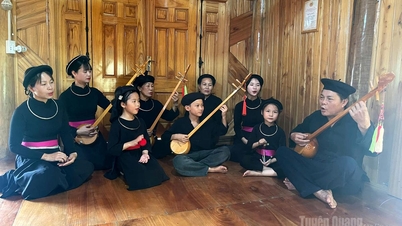
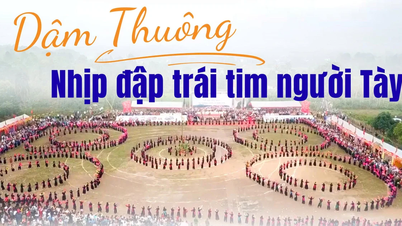
He shared that, in the life of the Tay people, "Khắp Coọi" - also known as "Hát Yếu" - is not just a form of art, but has become an indispensable part of life. From weddings and festivals to daily life, people from villages, and even from other communes, come together to socialize and sing in call-and-response style. It's not simply a celebration, but a way for people to connect, share, and enrich their spiritual lives.
"People go to work in the fields, plowing and hoeing, but they still sing and exchange verses with each other. Thanks to that, life is less monotonous and tiring, and becomes more cheerful and lively in the village," Mr. Ngan shared.
It is this intertwining of labor and culture that creates a very unique characteristic: culture does not stand outside of life, but integrates into life, supporting and enriching human life.
Systematically speaking, Tay culture in Muong Lai is composed of three main elements: Firstly, folk performance forms such as "Khap" and "Yeu" songs – folk melodies deeply rooted in regional identity. Although the names may differ between regions, they all ultimately serve as a means of cultural exchange, expressing people's thoughts and feelings.
Secondly, there are customs and traditions associated with the life cycle, such as wedding ceremonies, welcoming the bride, and escorting the bride – where traditional values are fully and vividly recreated.
Thirdly, there is the spiritual life, with belief systems such as the worship of Ông Then, Bà Then, Ông Bụt, Ông Phiệt Tạo… These elements create spiritual depth, contributing to shaping the worldview and philosophy of life of the community. Besides that, there is also an invisible but particularly important "cultural layer": the way people behave and communicate.
According to Mr. Ngan, the Tay people highly value "knowing how to greet, how to ask questions, how to eat, and how to speak." A person is judged not only by their work, but also by their behavior. Those who know how to use kind words and beautiful ideas, who know how to sing, and who know how to engage in conversation are considered "cultured," thus creating a difference in the quality of life. "Life is not just about the physical, but also about the soul. Only when the soul is rich can life truly be of quality," Mr. Ngan emphasized.

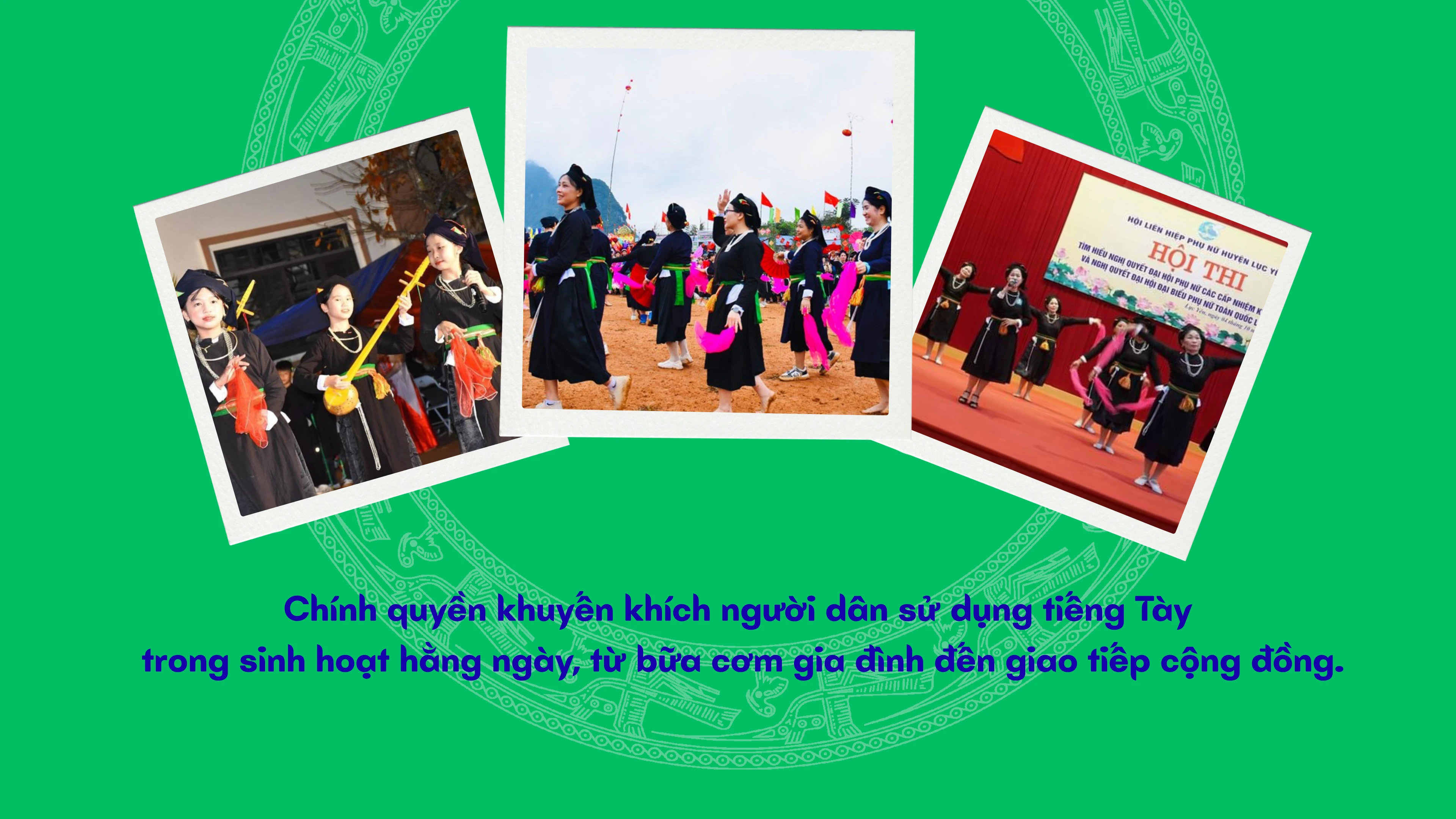
However, in the current socio -economic development, traditional values are facing numerous challenges. According to Ms. Hoang Thi Thuy, Vice Chairman of the People's Committee of Muong Lai commune, the commune currently has over 25,000 inhabitants, of which the Tay people account for about 83%. Although many unique cultural features still remain, the process of urbanization and cultural exchange has caused some values to show signs of fading.
"Traditional stilt houses are no longer as common as they used to be. The use of the Tay language in communication, especially among the younger generation, is also gradually decreasing," Ms. Thuy said.
This reality highlights the urgent need: preservation cannot simply stop at "holding" culture, but requires solutions to allow it to "live" alongside it in the new context.
Faced with this situation, the Mường Lai commune government has implemented many comprehensive solutions to preserve and promote the cultural identity of the Tay ethnic group. One of the key solutions is raising people's awareness. The government encourages people to use the Tay language in their daily lives, from family meals to community communication. Because, according to the local perspective, "preserving the language means preserving the roots of the culture."
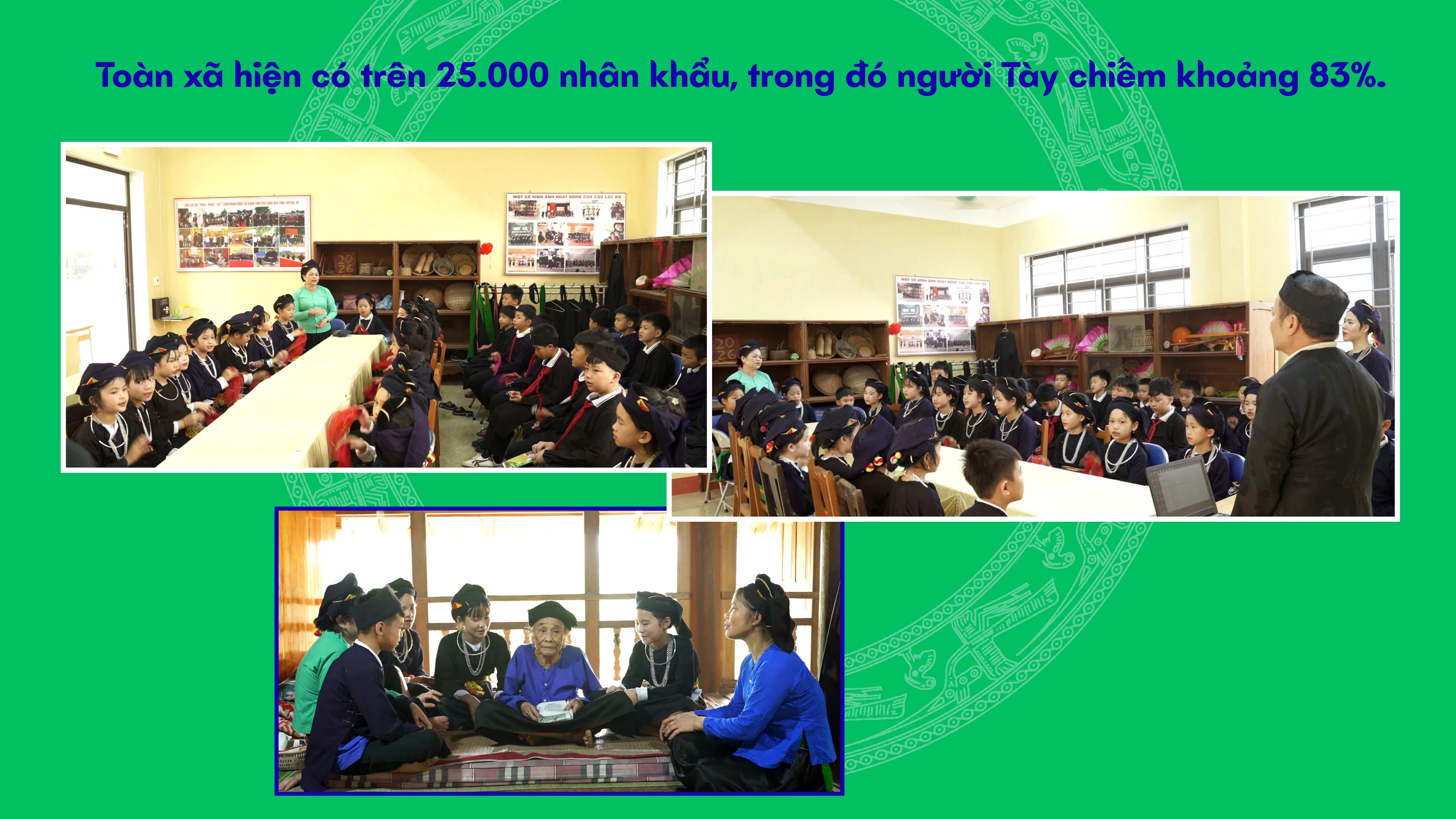
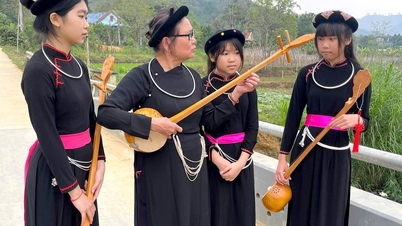
Alongside this, the restoration and development of traditional cultural activities are also emphasized. Classes teaching Then singing, Tinh lute playing, and Khap Cooi are organized, targeting young people.
Notably, the "Khắp Coọi" heritage of the Tay people has been recognized as a National Intangible Cultural Heritage, creating further legal basis and motivation for the locality to promote conservation efforts.
Implementing the policies of the Central and Provincial governments, especially the Resolution on cultural development, Muong Lai commune has established a core cultural and artistic club. This is considered the "nucleus" for spreading the movement and gradually forming clubs in villages and hamlets.
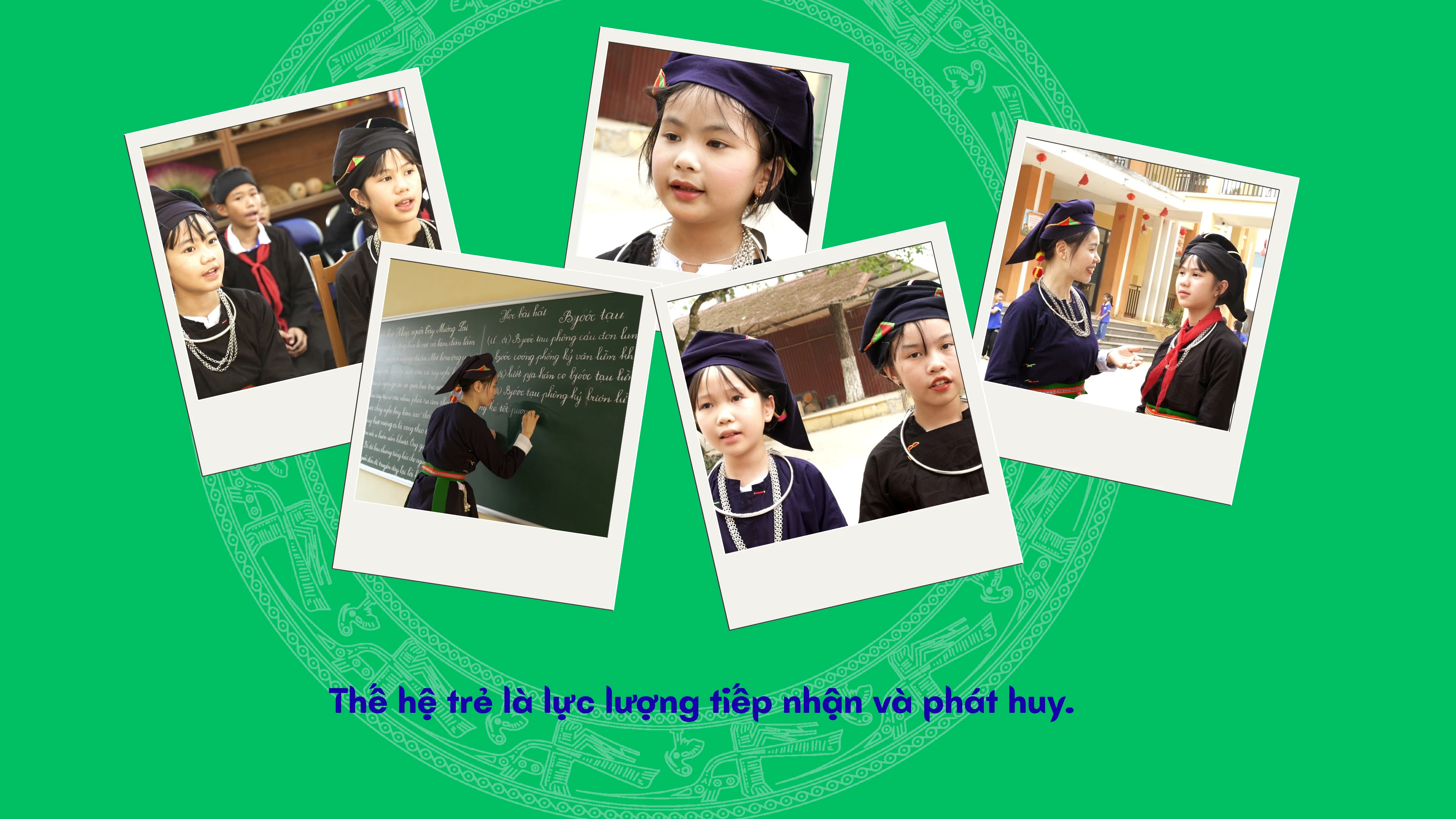
In the journey of preserving culture, the role of the community, especially the elderly and the younger generation, is crucial. The elderly are the "living treasure," preserving original values. From songs and musical instruments to customs and rituals, everything is passed down through their experience and love of culture. Meanwhile, the younger generation is the force that receives and develops these values.
At Muong Lai Primary and Secondary School, classes in Then and Khap Cooi singing are regularly maintained. Teacher Hoang Thi Y, who directly participates in teaching, said: “Every week, the school organizes a club activity to teach the students. Although time is limited, the students are very enthusiastic to participate. From 15-20 students initially, the club has now attracted more than 30. Many students even proactively ask to join because they see it as a meaningful activity,” Ms. Y shared.
Chu Thi Liem, a student in class 5A, expressed: "I find learning Then and Khap Cooi songs very interesting because they represent our ethnic cultural identity. I want to learn them so I can introduce them to others in the future."
Positive signals from the younger generation show that, given the right conditions, traditional culture can absolutely be preserved and developed.

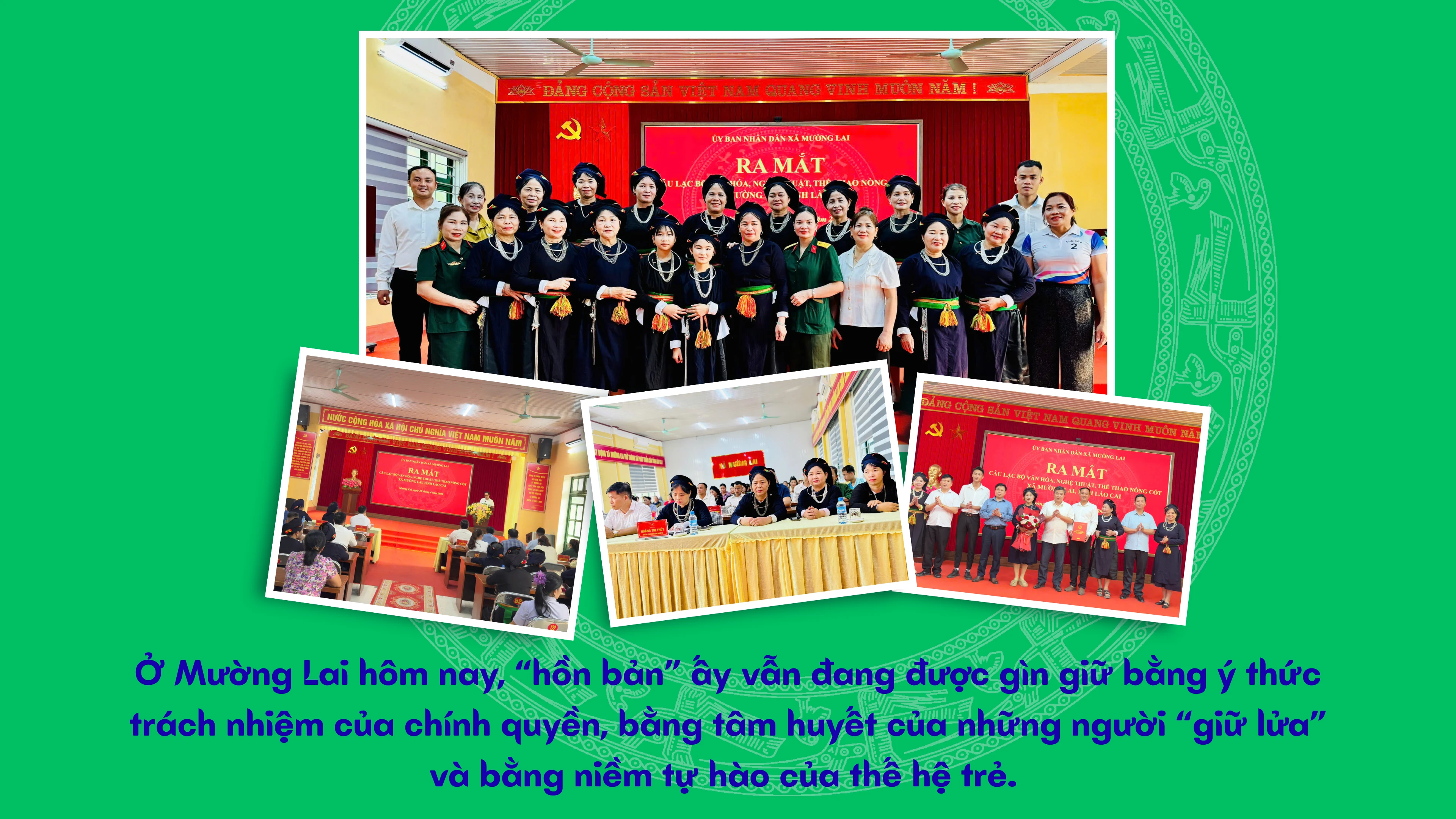
The experience in Muong Lai shows that traditional culture is the foundation for sustainable development. A community with a clear identity will have better "resistance" to the impacts of globalization. Preserving Tay culture is not only about retaining what belongs to the past, but also a way to improve the quality of present life, both materially and spiritually. As Mr. Hoang Van Ngan affirmed, the value of culture not only makes people "more intelligent and more beautiful" in appearance, but also in the depth of their souls.
In today's fast-paced world, where concrete houses are gradually replacing stilt houses and the common language is becoming increasingly prevalent, preserving the language, songs, and way of thinking of the Tay people becomes even more meaningful. It's not just about preserving heritage, but about preserving the "soul of the community"—the very thing that makes them unique and resilient amidst the flow of integration.
Presented by: Thuy Thanh
Source: https://baolaocai.vn/giu-gin-ban-sac-van-hoa-tay-giua-nhip-song-moi-post898672.html


![[Photo] Delegation attending the 14th Congress of the Vietnam Trade Union visits the Mausoleum of President Ho Chi Minh.](https://vphoto.vietnam.vn/thumb/1200x675/vietnam/resource/IMAGE/2026/06/03/1780451842301_ndo_br_img-3824-jpg.webp)






























































Comment (0)