

When "unusual" outfits appear at tourist destinations.
In recent years, at several tourist destinations in the province, many types of innovative and colorful costumes have been sold or rented to cater to the needs of tourists.
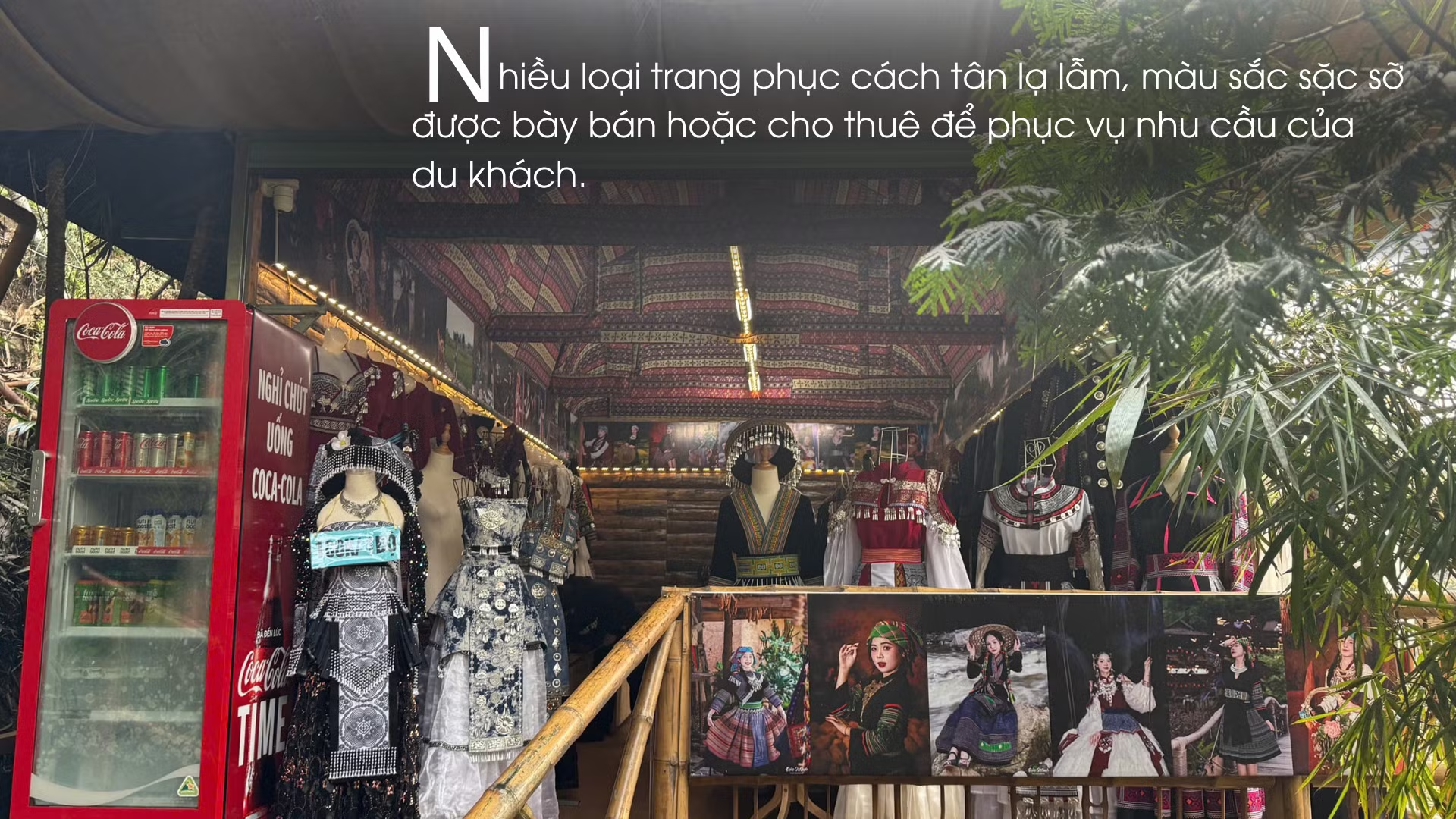
Dressed in a brightly colored outfit, Ms. Vuong Thao, a tourist from Hanoi, chose the most beautiful spots in the Cat Cat Tourist Area to pose for souvenir photos. Although satisfied with the photos, Ms. Thao was still puzzled about the origin of the outfit she was wearing.
Ms. Vuong Thao shared: “The person renting it introduced it as the traditional costume of the Miao ethnic group. Actually, I don't know much about the costumes of Vietnamese ethnic groups, but I found the clothes impressive so I rented it to take souvenir photos and preserve the moment of my trip.”
Sharing the same sentiment, Ms. Lang Thi Truc, a tourist from Bac Ninh province, also chose a modernized version of the Hmong ethnic costume to wear for photos. Ms. Truc said: “I know this is a traditional Hmong costume, but it has been modernized. When wearing this outfit, I want to create a unique look for myself.”
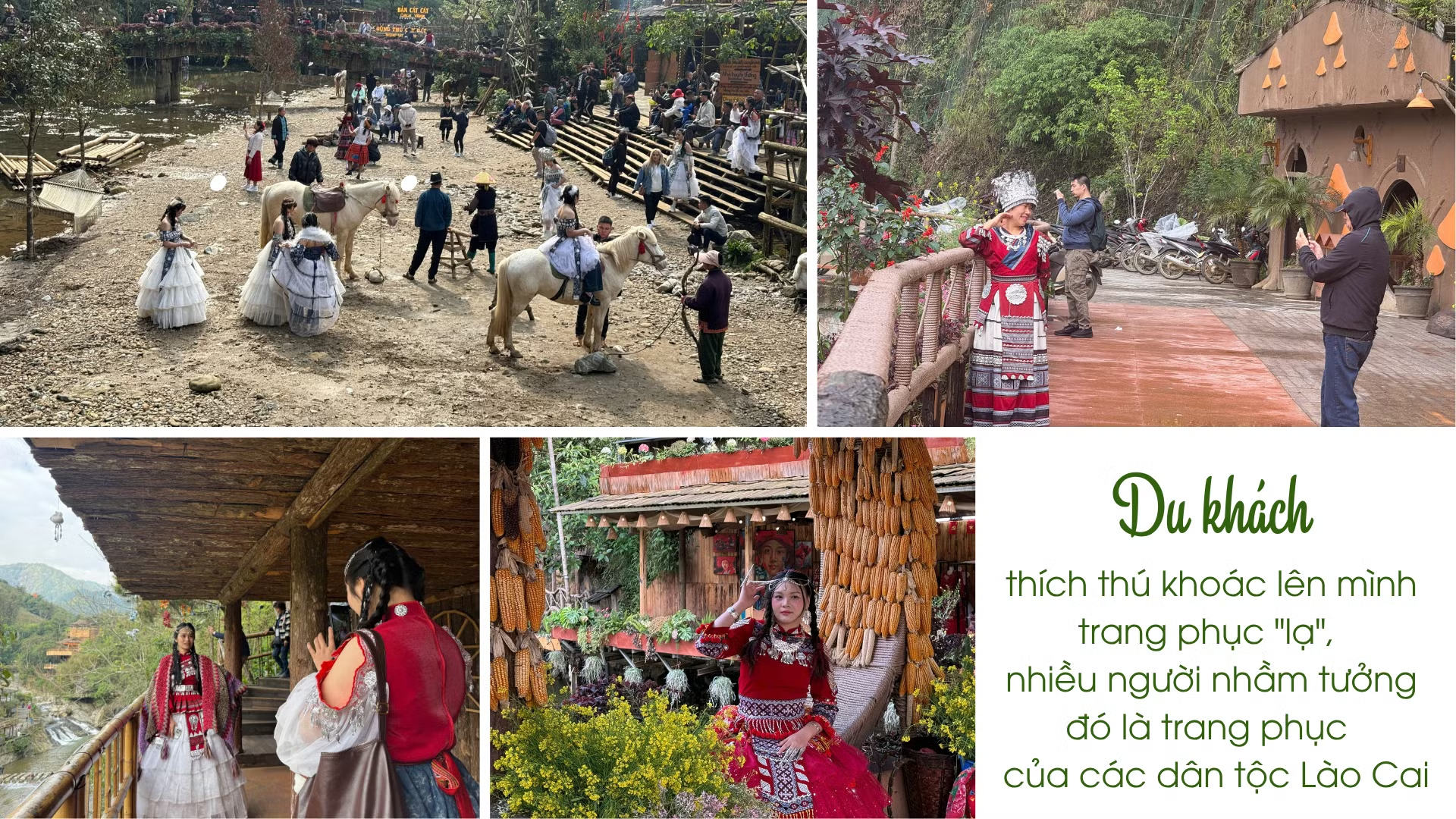
While strolling through tourist areas, festivals, or highland markets in Lao Cai, we easily spotted locals and tourists dressed in brightly colored dresses and blouses adorned with sparkling beads, or elaborately crafted headscarves. However, upon closer inspection, these weren't the traditional clothing of the local Lao Cai people, but rather modernized versions, or even costumes from foreign ethnic groups.
Tourists often prioritize aesthetics and vibrancy when taking photos and videos. For them, brightly colored dresses adorned with glittering metallic accessories easily create eye-catching images to post on social media platforms. Meanwhile, the traditional costumes of the ethnic minorities in Lao Cai are often handcrafted from traditional linen, dyed with indigo, giving them a more subdued feel. But it is precisely this understated, rustic charm that creates a simple, intimate beauty rich in cultural identity.
It is known that, legally, there are currently no regulations prohibiting people from wearing certain types of clothing in public places, as long as they do not violate public decency or are excessively offensive. Meanwhile, from an economic standpoint, shops are only concerned with providing clothing that customers need and making a profit.
Raising awareness to change perceptions.
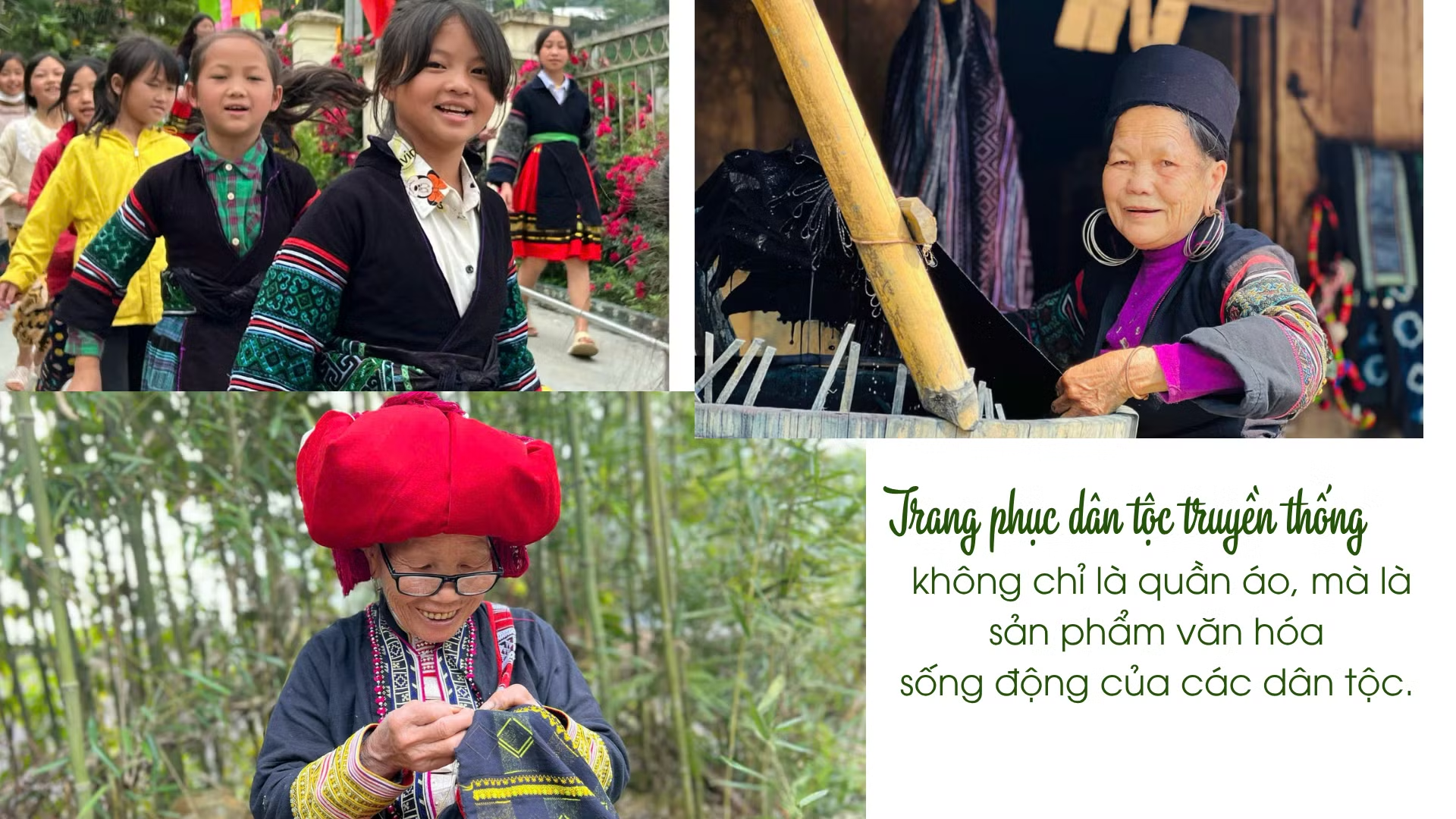
However, the boom in rental services for modernized costumes or those of foreign ethnic groups has put cultural managers and tourism businesses in a difficult position.
Mr. Duong Tuan Nghia, Deputy Director of the Department of Culture, Sports and Tourism of the province, said: Currently, in some tourist destinations and festivals, traditional costumes are tending to be modernized. Faced with this situation, in recent years, we have coordinated with localities and management boards of tourist destinations and festivals to promote the preservation and enhancement of the value of traditional costumes.
In the coming period, the Department of Culture, Sports and Tourism will continue to advise the province on guidelines, regulations, and mechanisms to help localities better protect and promote the value of traditional costumes.
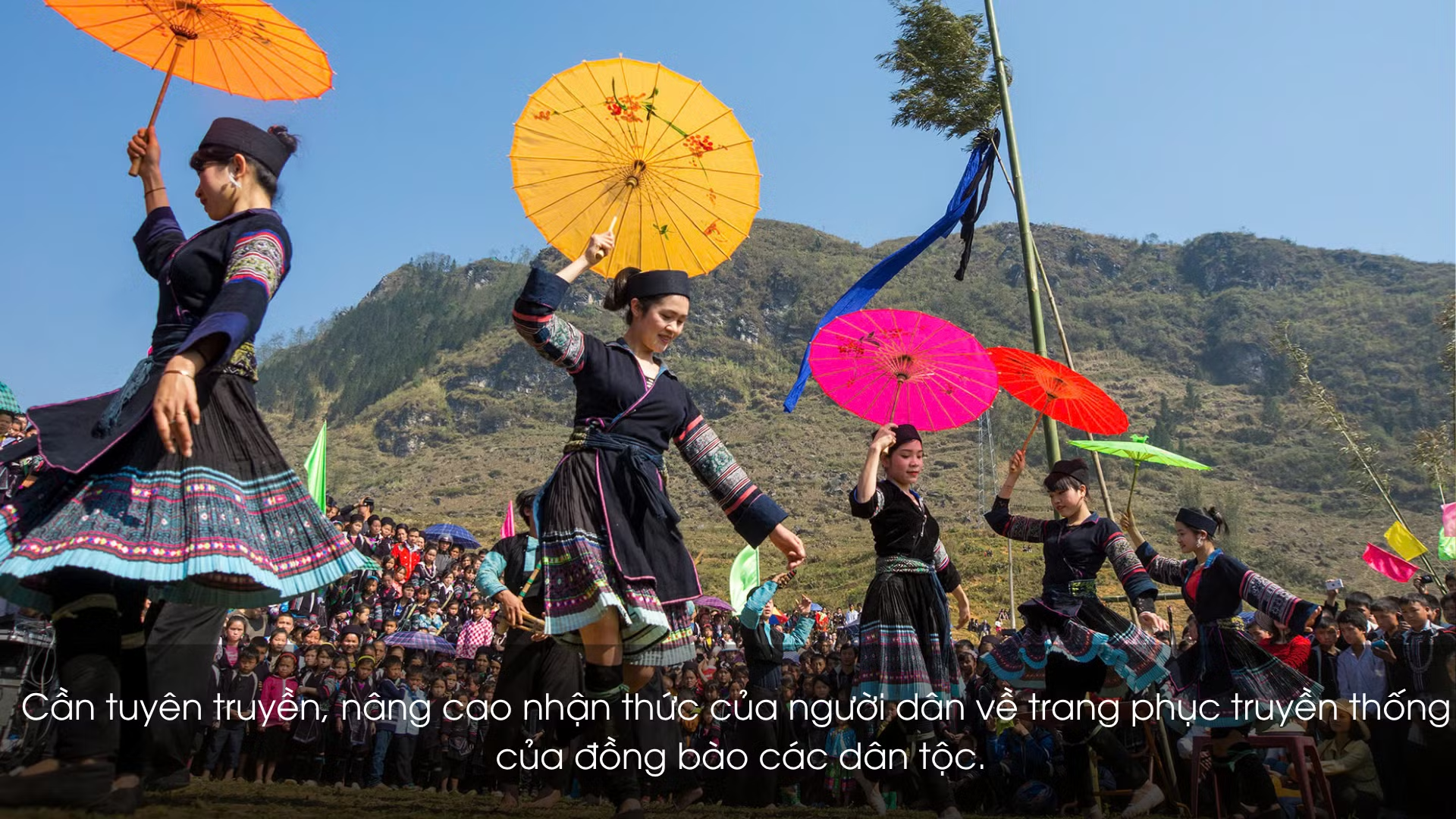
Clearly, while awaiting specific mechanisms, the most immediate, easily implemented, and effective solution is to promote awareness and provide guidance. The goal is to make tourists understand that traditional ethnic costumes are not just clothes, but a vibrant material product representing culture and serving as a brand identity for each ethnic group. However, this awareness campaign requires a coordinated strategy, especially targeting businesses that rent out costumes. They need to understand that renting out foreign or modernized costumes might yield immediate profits, but in the long run, it will dilute the identity and diminish the unique appeal of local tourism. In addition to awareness campaigns, the cultural sector should conduct training sessions to help people distinguish and take pride in their own traditional costumes.
For tourists, it is necessary to strengthen promotional and guidance efforts through various lively and attractive forms. In particular, there should be guide boards introducing the traditional costumes of the ethnic groups in Lao Cai. Even leaflets or QR codes at tourist sites should be available to explain the meaning of the local costumes. When tourists understand the value of the traditional costumes of Lao Cai's ethnic groups, they will appreciate them and want to wear authentic traditional clothing rather than modern, mass-produced garments.
It is known that, in recent times, tourism businesses have also been struggling to find solutions, and Cat Cat Tourism Company Limited is a prime example.
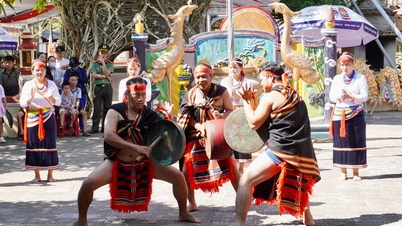
Mr. Nguyen Trung Kien, Deputy Director of Cat Cat Tourism Co., Ltd., said: "We have built, preserved, and are currently conserving cultural colors through traditional costumes. We can clearly feel this through the costumes of the performing arts team members, all wearing the traditional costumes of the Mong, Dao, Tay, Giay, and Xa Pho ethnic groups. However, with the development of tourism, there are now foreign-made clothes with more vibrant colors attracting tourists. As managers, for many years we have been educating the people about the value of traditional costumes. In addition, we have signs advising tourists not to choose modernized costumes, foreign costumes, or inappropriate clothing in the tourist area."
Preserving traditional ethnic costumes is not only the responsibility of the cultural sector and local authorities, but also requires the collective effort of every local resident in preserving the craft and of every tourist in choosing how to experience the culture.
Source: https://baolaocai.vn/giu-hon-trang-phuc-ban-dia-post896900.html














![[Photo] Reception to welcome General Secretary and President To Lam and his wife on their State visit to the Philippines](https://vphoto.vietnam.vn/thumb/1200x675/vietnam/resource/IMAGE/2026/06/01/1780295488620_vna-potal-chieu-dai-chao-mung-tong-bi-thu-chu-tich-nuoc-to-lam-va-phu-nhan-tham-cap-nha-nuoc-toi-philippines-8798060-7855-jpg.webp)
















































Comment (0)