

Recently, doctors at the Adolescent Department of the Center for Developmental Medicine and Mental Health (National Children's Hospital) received and treated a 13-year-old girl who exhibited self-harming behavior after experiencing a psychological crisis due to disappointing academic results. According to her family, the child was previously well-behaved and academically strong, but recently she frequently stayed up late studying, tended to withdraw into her room, and worried about not achieving the results she and her family hoped for. After a disappointing exam, she became depressed, stressed, and exhibited dangerous behavior. Thanks to her family's timely intervention and hospitalization, her health has stabilized, but doctors say that the psychological trauma still requires long-term monitoring and support.
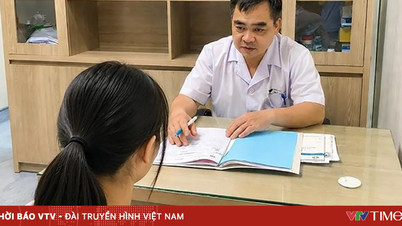
Associate Professor, Doctor Ngo Anh Vinh - Head of the Adolescent Department (National Children's Hospital) said that teenagers experience significant psychophysiological changes, while their ability to control emotions and cope with pressure is not yet fully developed. When faced with prolonged stress, especially academic and exam pressure, some teenagers may develop emotional disorders, anxiety disorders, or depression. Worryingly, many initial symptoms are not clear, easily overlooked by adults, or mistaken for normal teenage psychological changes.
According to Dr. Ngo Anh Vinh's recommendations, parents should pay attention to unusual changes in their children during the exam preparation period. Warning signs may include irritability, restlessness, excessive anxiety, low self-esteem, sensitivity to criticism, difficulty concentrating, insomnia, poor appetite, avoidance of social interaction, or withdrawal into their rooms. Some children may experience physical symptoms such as headaches, nausea, stomach pain, palpitations, and rapid heartbeat, but examinations may not reveal a clear physical cause. Especially for students focusing on preparing for the 10th grade entrance exam or the high school graduation exam, signs of study overload are easily overlooked because adults often think of them as normal reactions during exam season.
Therefore, the current final preparation period is not the time to study to exhaustion. This is the period for consolidating knowledge, maintaining a steady pace of studying, reviewing common mistakes, and preserving health. Getting enough sleep, eating a balanced diet, engaging in light exercise, avoiding staying up late, and refraining from excessive use of coffee and energy drinks are priorities. Studying continuously while anxious does not equate to effectiveness; on the contrary, lack of sleep and prolonged stress can impair memory, reduce concentration, and make students more prone to panic in the exam room.
Schools and teachers also play a crucial role. In the final days, providing psychological support, guiding students on test-taking skills, and reminding them to maintain their health should be just as important as reviewing the material. Homeroom teachers need to pay attention to students who show sudden decline in performance, absenteeism, fear before tests, excessive crying, withdrawal, or negative reflections on failure. School counseling, if effectively implemented, can be a support system to help students relieve stress at the right time.
According to doctors, when students exhibit anxiety, depression, or self-harming behavior, families should take them to a specialized mental health, psychology, or pediatric medical facility for examination, assessment, and timely intervention. There should be no delay due to fear of stigma. Anxiety and depression disorders are health problems that can be supported and treated if detected early, especially with the cooperation of family, school, and medical professionals. Early identification of excessive pressure, appropriate support, and timely seeking of professional assistance when needed are ways for parents and schools to help 12th-grade students enter the exam with a safer and more confident mindset.
Source: https://daidoanket.vn/giup-hoc-tro-vuot-ap-luc-thi-cu.html
![[Photo] Ba Lang An Lighthouse - the "eye of the sea" amidst the "rock museum" of Quang Ngai province.](https://vphoto.vietnam.vn/thumb/1200x675/vietnam/resource/IMAGE/2026/05/29/1780038698840_anh-man-hinh-2026-05-29-luc-14-10-42.png)
![[Image] Pleasant weather helps students enter the 10th grade entrance exam with confidence.](https://vphoto.vietnam.vn/thumb/1200x675/vietnam/resource/IMAGE/2026/05/29/1780034401612_ngay-1-thi-lop-10-minh-duy-8-5009-jpg.webp)
























































































Comment (0)