

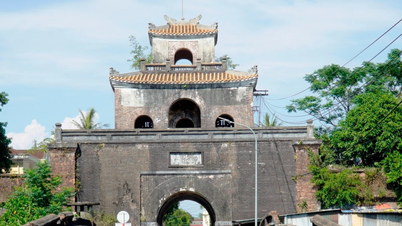
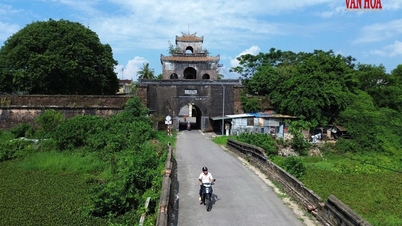
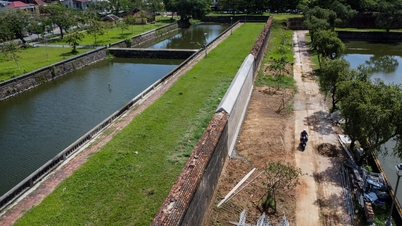
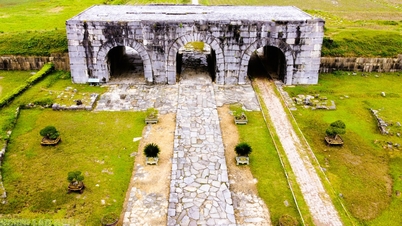
The project, implemented since 2019, aims to relocate households living in the areas of Thượng Thành, Eo Bầu, Hộ Thành Hào, Tuyến Phòng Lộ, Đàn Xã Tắc, Hồ Tịnh Tâm, Hồ Học Hải, Khâm Thiên Giám, Thượng Thư Đường Bộ Công… within the Hue Imperial Citadel (located in Phú Xuân ward, Hue City).
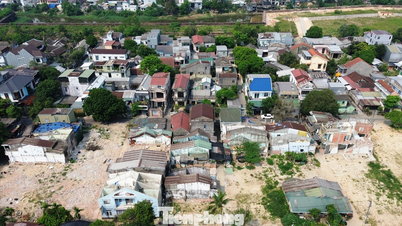
In phase 1, the project involved land clearance in 11 areas with a total area of over 25 hectares, affecting and relocating 2,233 households. However, the project is behind schedule, mainly due to many households refusing to hand over the land, along with some cases involving state-owned properties.

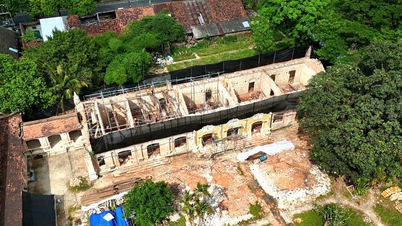
Forced eviction will be carried out if the land is not handed over .
According to data up to May 2026, 2,213 households have had their compensation, support, and resettlement plans approved, reaching over 99%. The total approved budget is approximately 1,902 billion VND, of which more than 1,638 billion VND has been paid to the people. However, the number of households that have handed over the land is 1,771, currently reaching nearly 80%, while 462 households have not yet complied. In the Eo Bau area alone, there are still 37 households that have not handed over the land, of which 26 cases have been subject to enforcement orders.
According to Mr. Bui Ngoc Chanh, Head of the Land Clearance Department (Investment and Construction Project Management Board, Area 1, Hue City), most of the outstanding cases are hampered by issues related to land use history, state-owned houses, or multiple generations living together in one house.
According to authorities, the biggest "bottleneck" currently is the resettlement policy for secondary households and other emerging cases. The implementation of the project, with its compensation, support, and resettlement policy framework approved by the Government in late 2018, has resulted in thousands of households receiving support and resettlement, stabilizing their lives in the planned area of Huong So ward, now Huong An ward.
However, many difficult cases remain unresolved, particularly those arising after the policy was enacted but before the land reclamation notice was issued. Additionally, over 60 cases involving the use of state-owned properties in the Xã Tắc, Lục Bộ, and Quốc Tử Giám areas have yet to be definitively resolved.
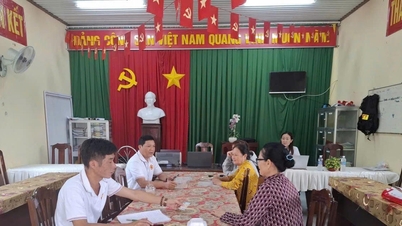
Recently, the Steering Committee for Land Clearance, Compensation, and Resettlement Support in Phu Xuan Ward agreed to consider relocating secondary households whose houses were completely affected but who no longer own other houses or land in the area. This policy applies to cases of inherited houses or houses built on land ineligible for compensation, but prior to the Government's issuance of the policy framework (i.e., before December 10, 2018).
Along with resolving policy bottlenecks, Phu Xuan ward is also coordinating with relevant units to finalize enforcement dossiers for cases that refuse to hand over land. According to the plan, many cases will be subject to forced eviction in June-July 2026 if they continue to delay relocation. Statistics show that many households have received full compensation and resettlement land but have not yet handed over the land as required.
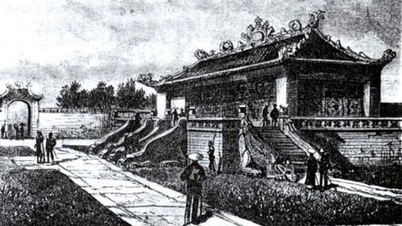
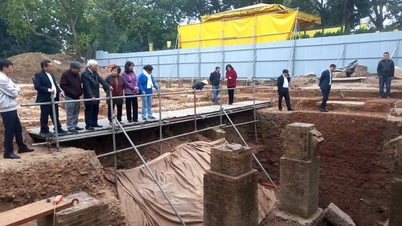
According to the approved schedule, the project to relocate residents and clear the land in Zone I of the Hue Imperial Citadel, Phase 1, must be completed in 2026. In addition to relocating residents, the project also requires clearing and returning the land in the areas surrounding the historical sites to the Hue Imperial Citadel Conservation Center for the implementation of restoration, preservation, and enhancement of the value of the Hue Imperial Citadel.
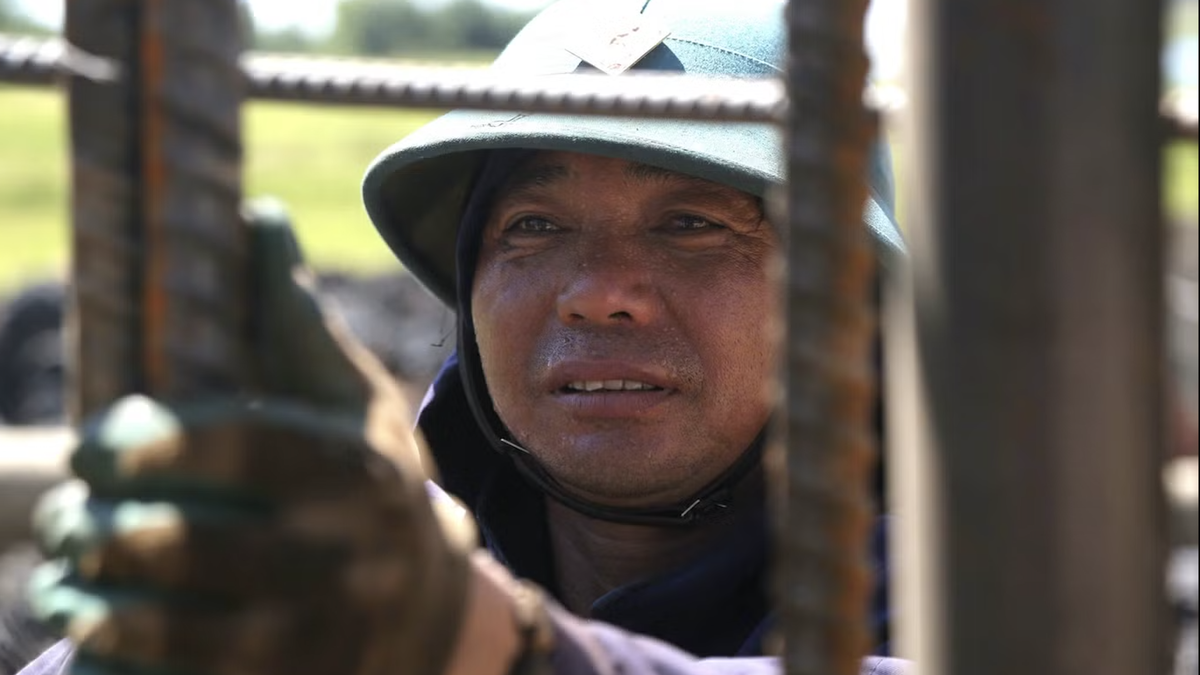
We hope to be relocated soon.
While many households in the historical sites within the Hue Imperial Citadel are slow to hand over their land, hundreds of households in 15 other historical sites belonging to phase 2 of the Hue Imperial Citadel are eager to relocate soon to stabilize their lives. Reporters observed at the Duc Duc Mausoleum (An Lang) that more than 140 households are living in the area slated for land clearance; many of them have been residing there for over 40 years.
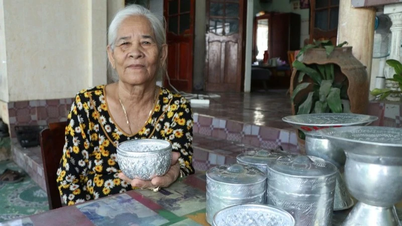
Ms. Nguyen Thi Tuoi, 80 years old, lives in a row of communal houses provided by the education sector since the late 1970s. Her family lives on a plot of land larger than 300 square meters , next to the Duc Duc Mausoleum historical site. Over the years, the house has deteriorated, but they cannot rebuild it, only upgrade and repair it many times to ensure their living needs are met. Ms. Tuoi said that her family has heard about the plan to relocate residents in the historical site area for quite some time and hopes it will be implemented soon so they can have a stable life.
“For many years, our children and grandchildren have all lived and established themselves in the South, leaving only my husband and me, both 92 years old. We hope the project will be implemented soon so that we can settle down and be resettled nearby, making it easier for us elderly couple to travel back and forth,” Mrs. Tươi expressed.
Mr. Mai Hien, 58 years old, residing at Alley 12, Duy Tan Street (An Cuu Ward), said that functional units have come to measure the land and houses of his family in preparation for relocation. His family has lived here for over 40 years, before the Duc Duc Mausoleum was planned and recognized as a world cultural heritage site. However, many families who moved here later, some of whom are in difficult circumstances, still live here. He hopes the government will have humane support policies to help these people have a place to settle down and make a living.
According to representatives of the An Cựu Ward People's Committee, in implementing phase 2 of the project to relocate residents from Zone I of the Hue Imperial Citadel, the ward has two historical sites: the Duc Duc Mausoleum and the Van Van Mausoleum, affecting 165 households. Currently, households at the Van Van Mausoleum have completed the approval of their compensation and resettlement support documents, but many households at the Duc Duc Mausoleum are still facing difficulties due to informal land transactions and future living arrangements.
The ward has submitted a report to the Hue City People's Committee to develop a humane and appropriate solution in accordance with current regulations. Phase 2 of the project to relocate residents and clear land in Zone I of the Hue Imperial Citadel is being implemented in 16 areas with an area of 44.4 hectares and a budget of over 367 billion VND. Of these, Hue City has agreed not to develop a compensation and resettlement plan until the land lease expires in the Co Thanh Mausoleum area; the remaining 15 areas will involve the relocation of residents. Among these, the Thieu Tri Mausoleum area (Thuy Xuan ward) and the Duc Duc Mausoleum area (An Cuu ward) have the largest number of affected households.
Source: https://baovanhoa.vn/doi-song/go-nut-that-cho-khong-gian-di-san-kinh-thanh-hue-233738.html



![[Photo] First session of the 14th Congress of the Vietnam Trade Union](https://vphoto.vietnam.vn/thumb/1200x675/vietnam/resource/IMAGE/2026/06/03/1780465947883_ndo_br_img-3852-jpg.webp)













































![[Video] Sunset at Lap An Lagoon – Where the sun sets over the fishing nets](https://vphoto.vietnam.vn/thumb/1200x675/vietnam/resource/IMAGE/2026/05/31/1780192137701_beach-landscape-sea-water-nature-grass-745871-pxhere-com.jpeg)





































Comment (0)