

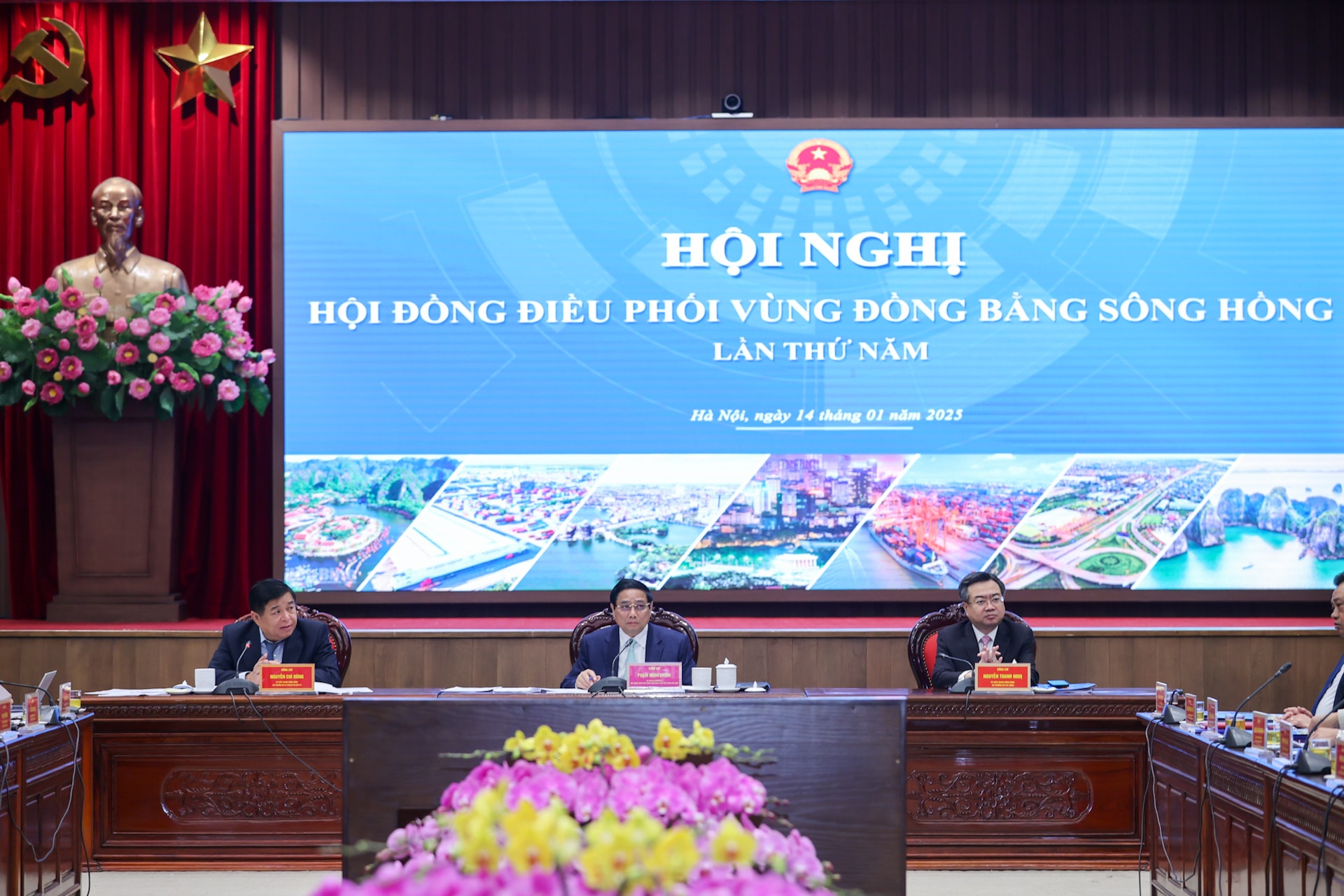
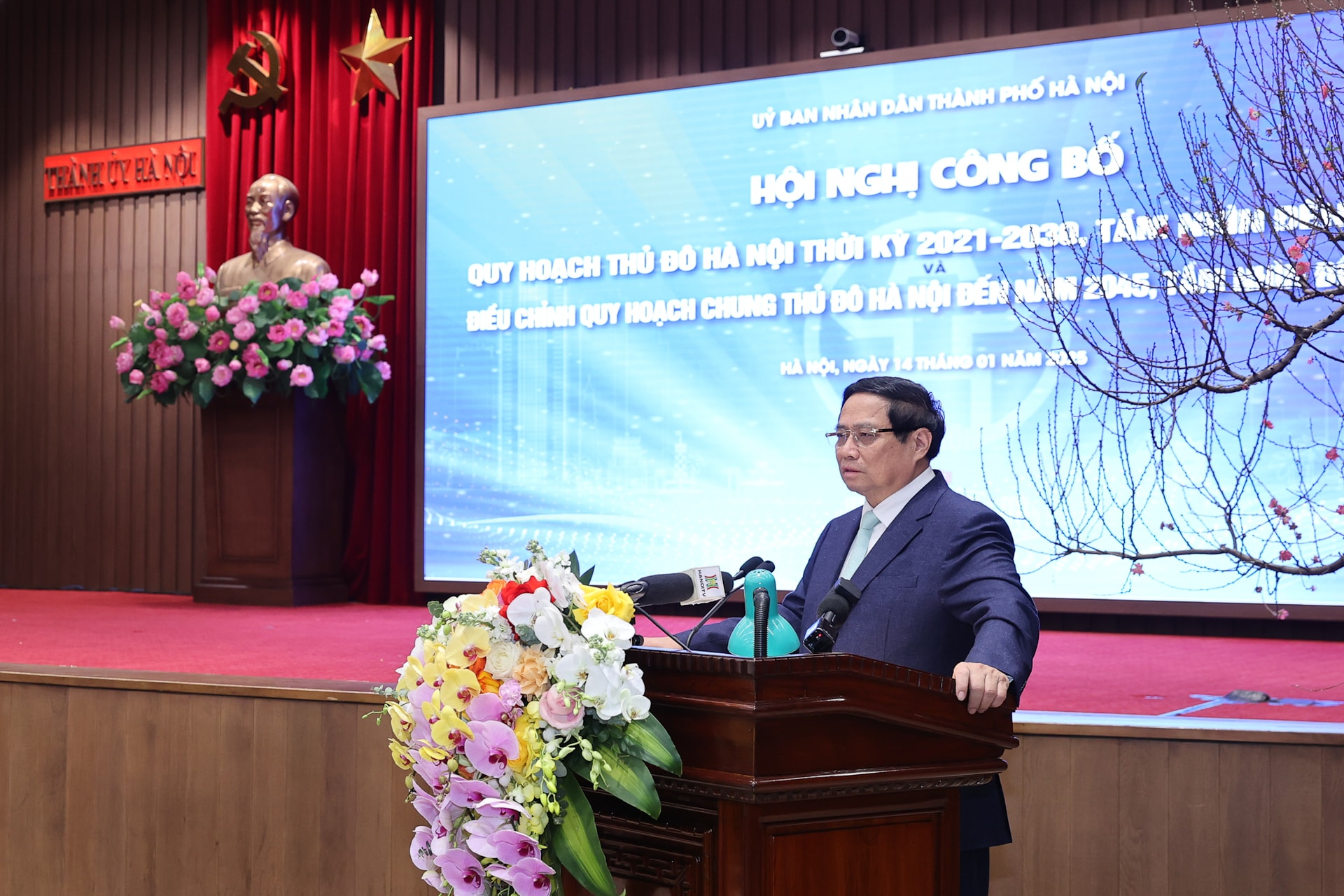
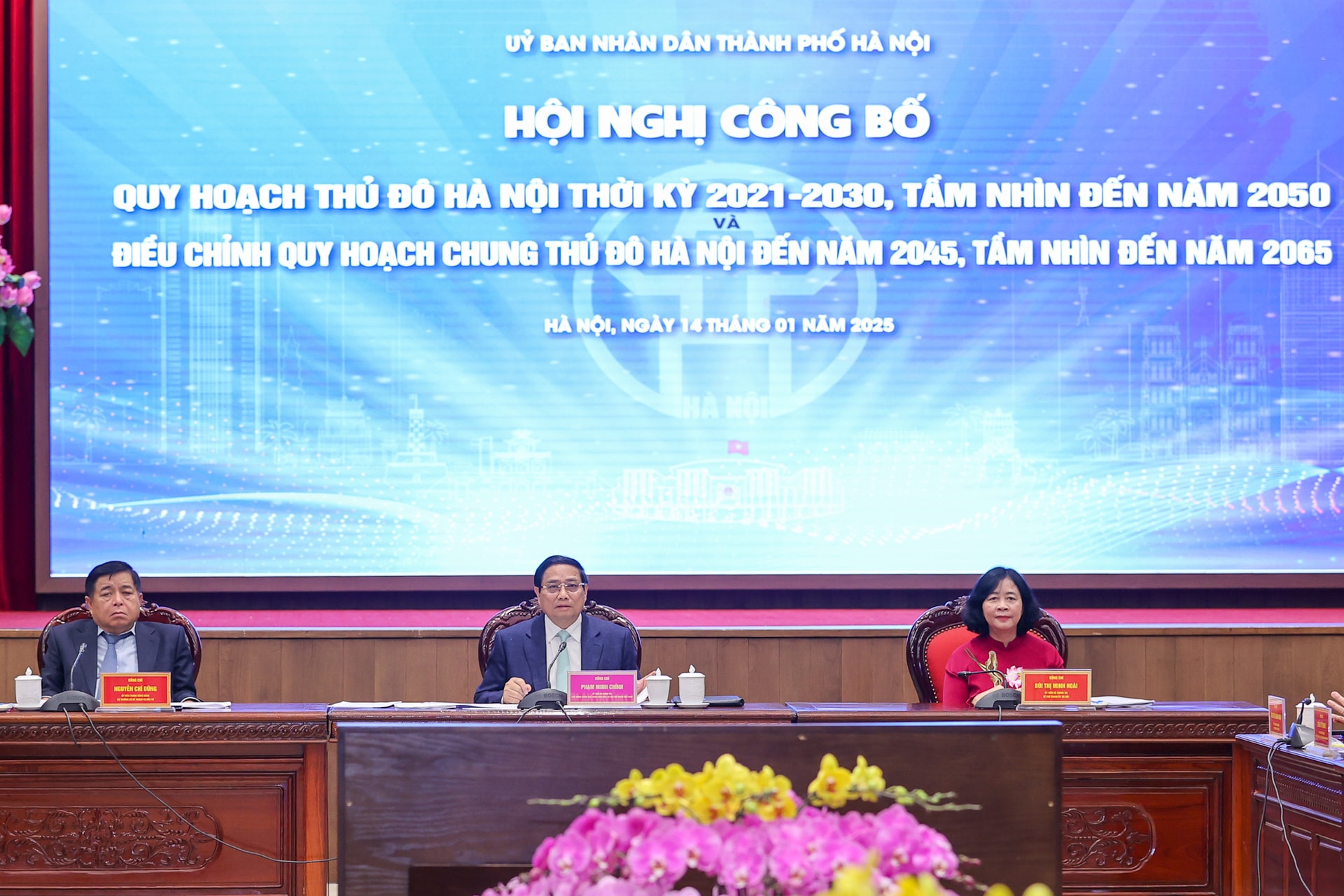
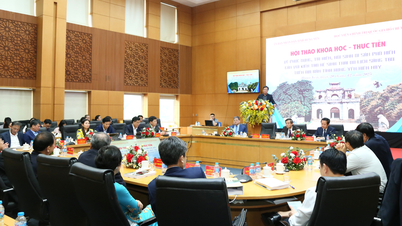
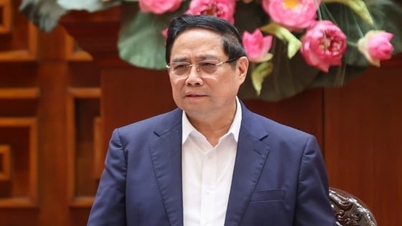
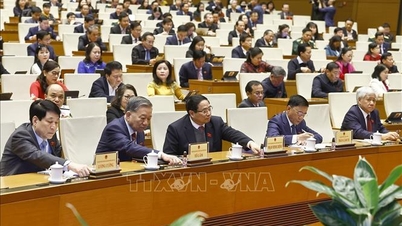
On the morning of January 14th, in Hanoi , Prime Minister Pham Minh Chinh chaired the 5th Conference of the Red River Delta Regional Coordination Council and announced the Hanoi Capital City Planning for the period 2021-2030, with a vision to 2050, and the revised Hanoi Capital City Master Plan to 2045, with a vision to 2065.
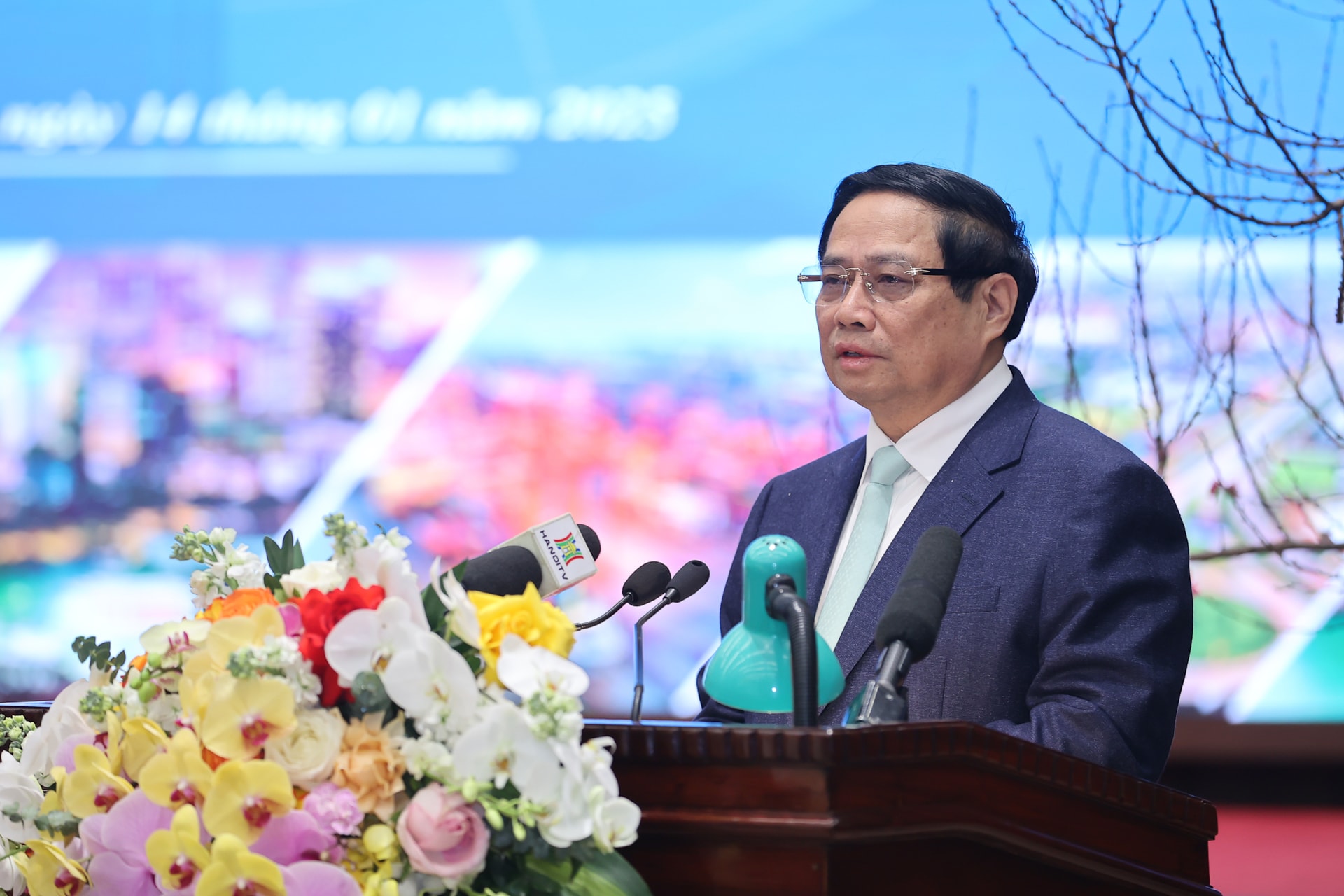
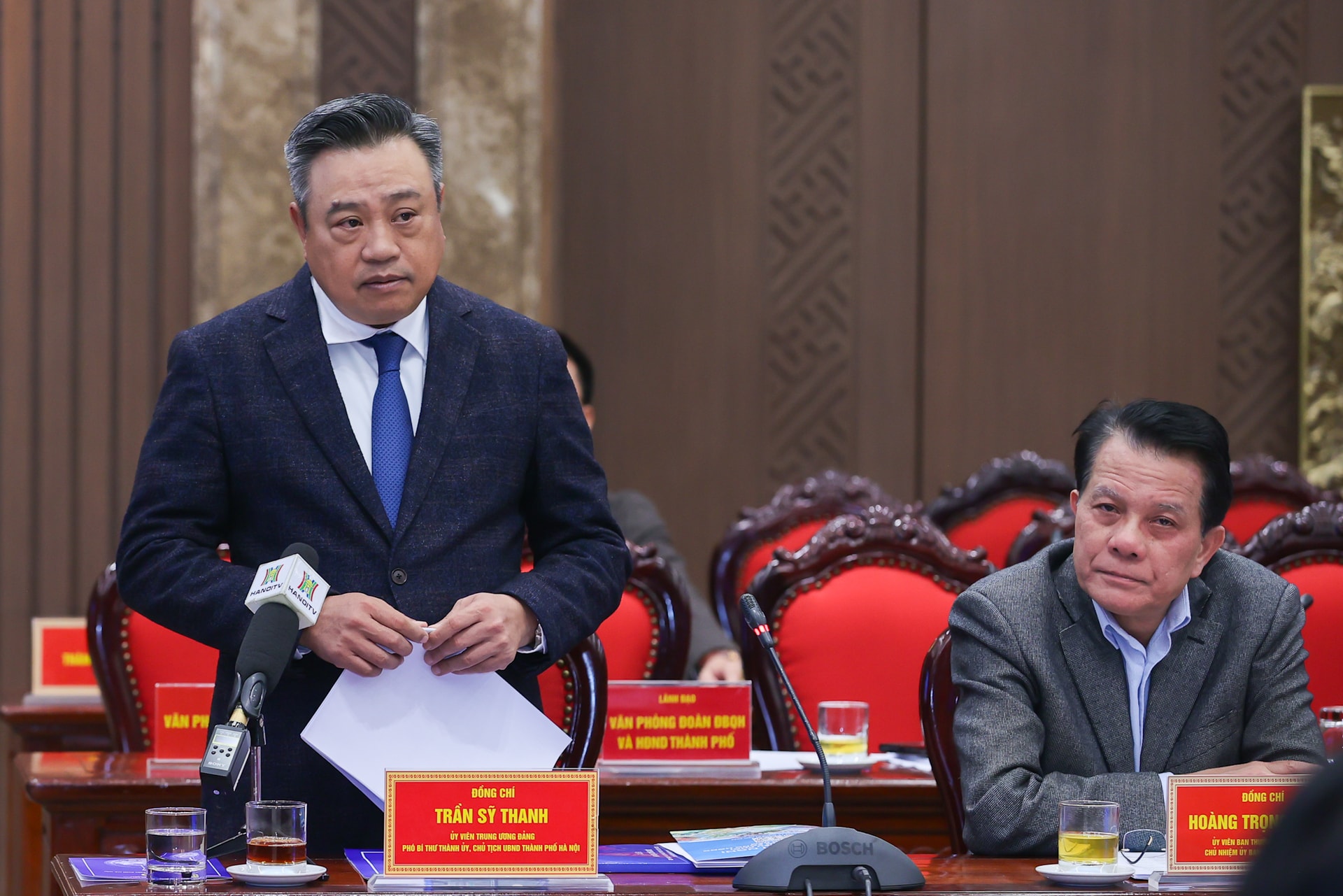
Attending the conference were Comrade Bui Thi Minh Hoai, Member of the Political Bureau and Secretary of the Hanoi City Party Committee; members of the Central Committee of the Party; leaders of central departments, ministries, and agencies; leaders of provinces and cities in the Red River Delta region; and members of the Regional Coordination Council.
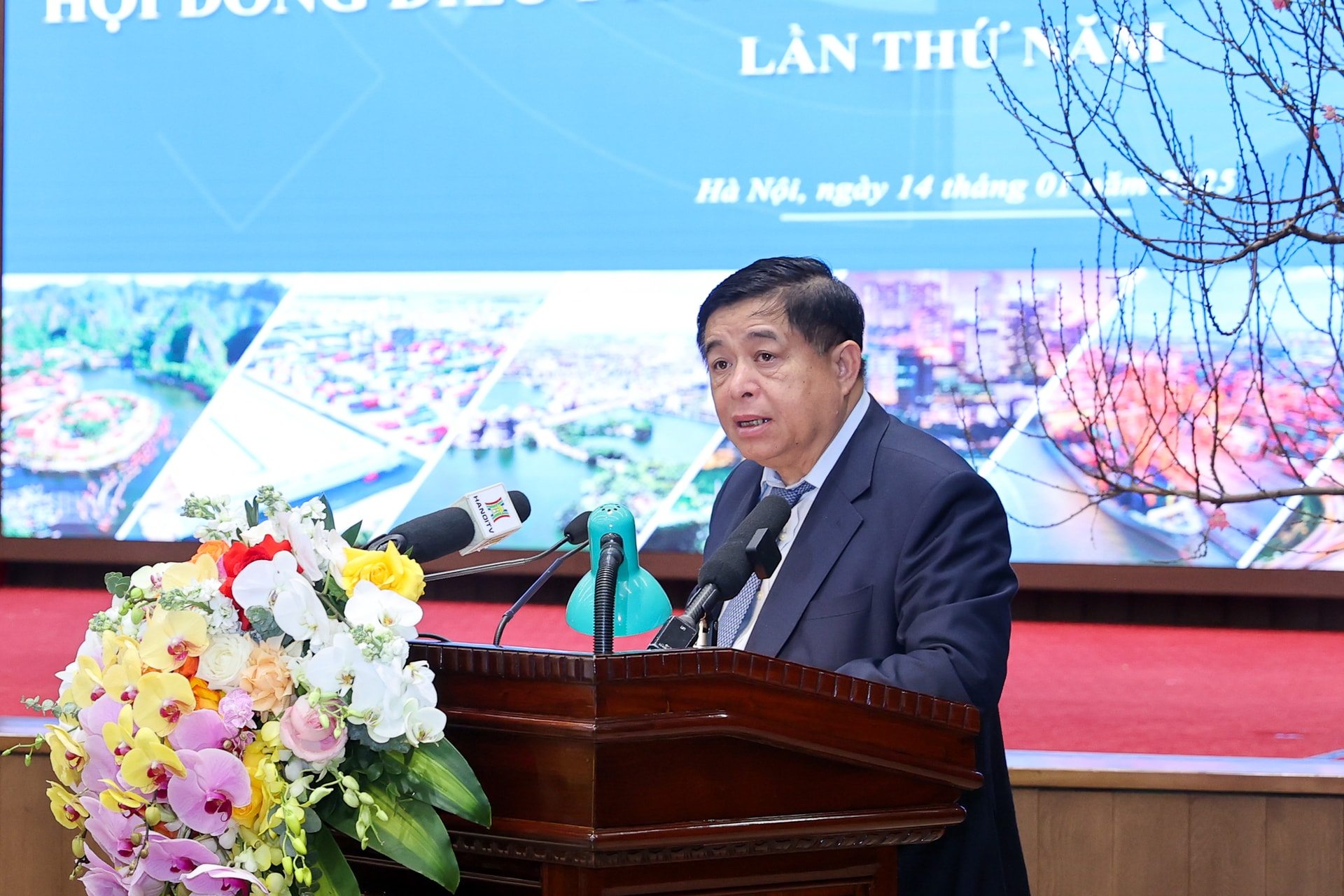
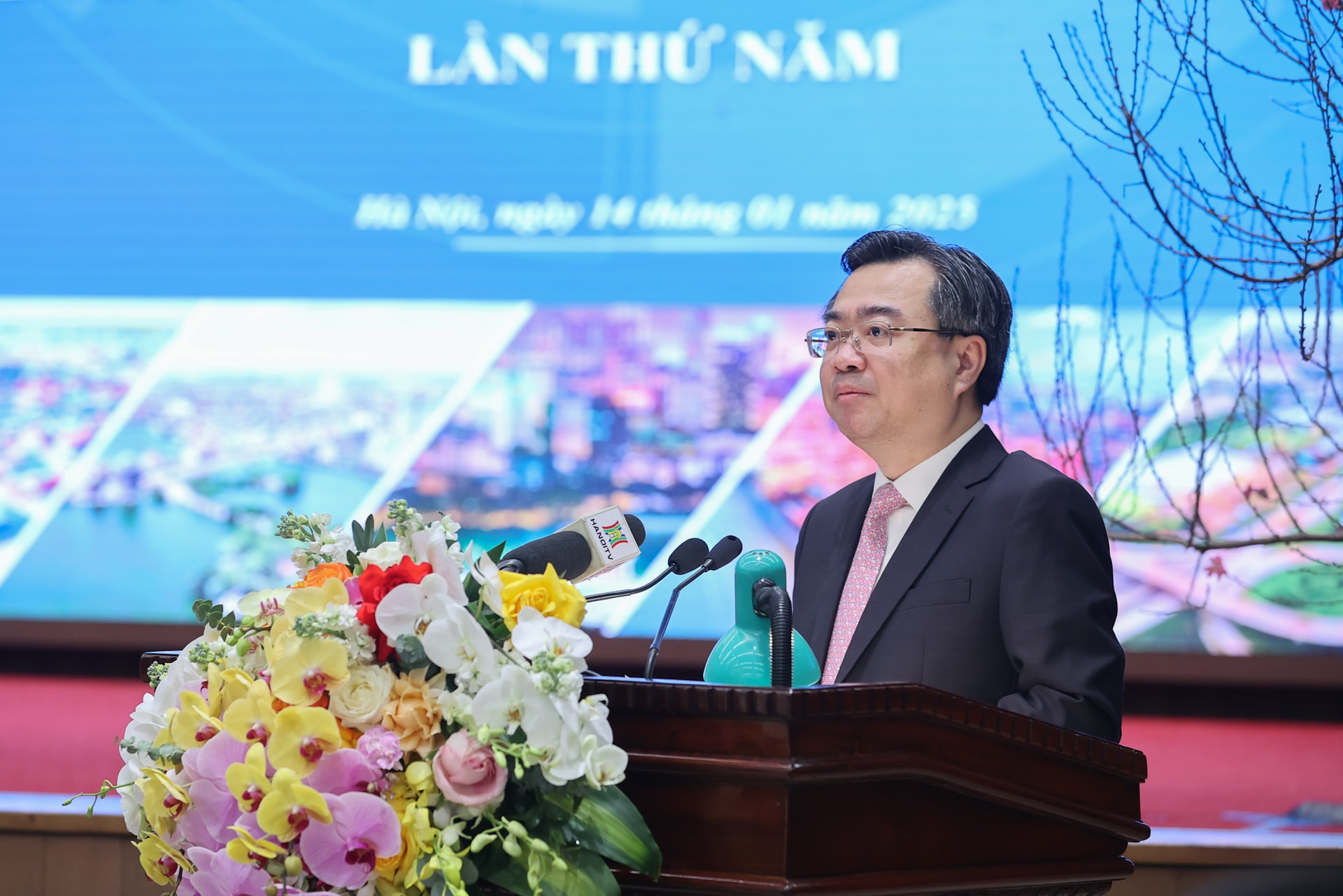
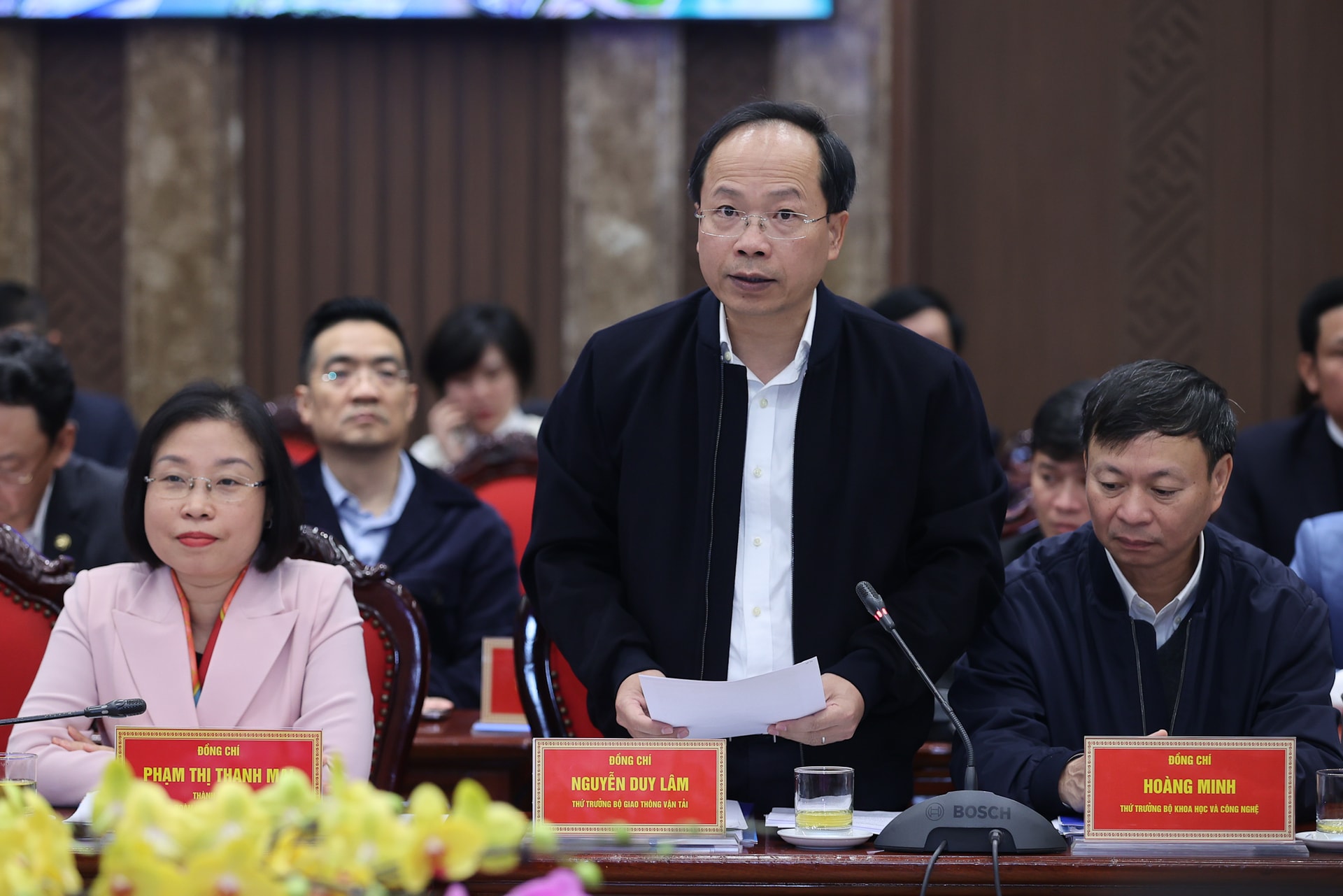
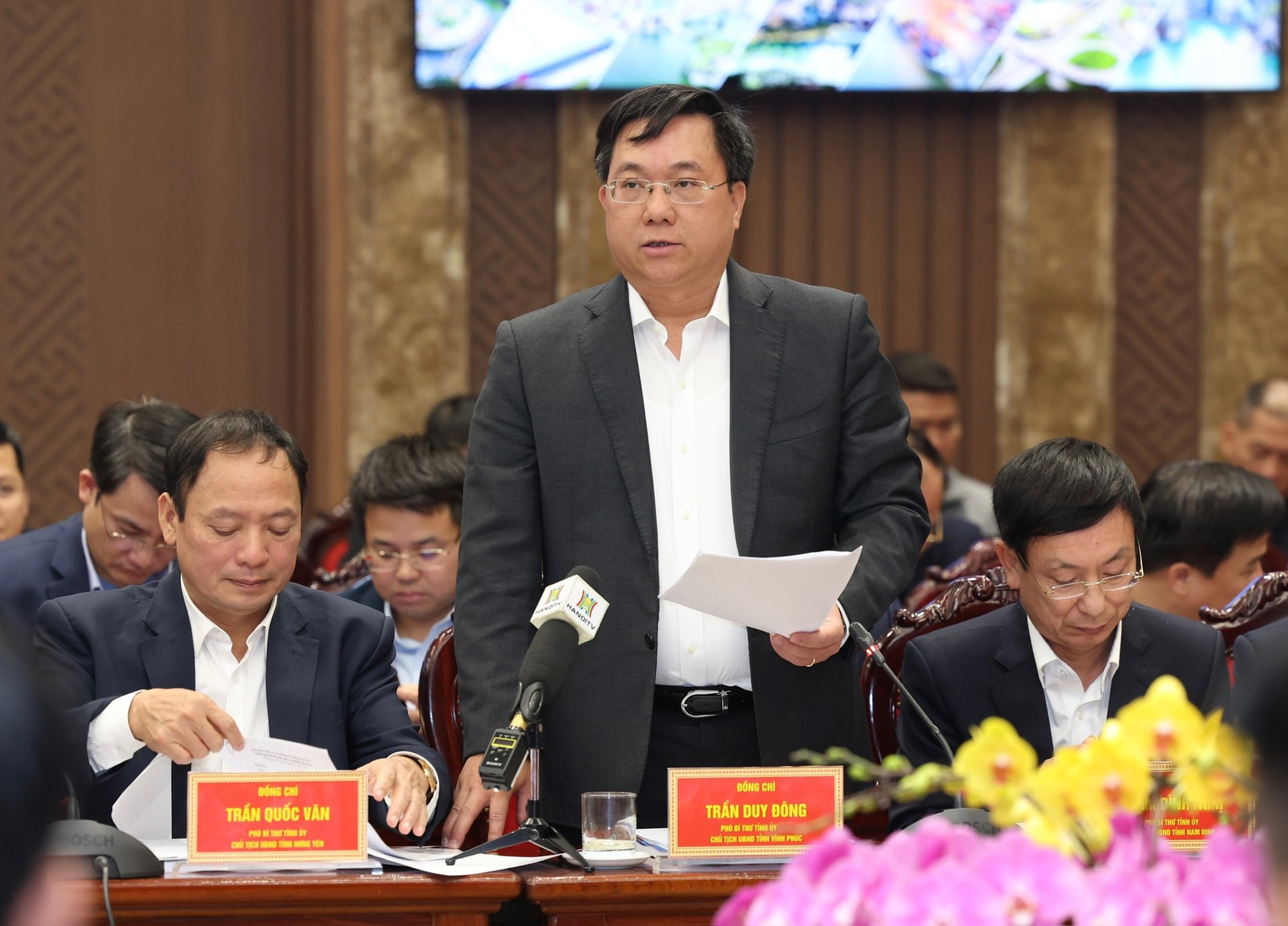
At the conference, the Ministry of Planning and Investment reported on the socio-economic situation of the Red River Delta region in 2024; the progress of the Red River Delta Regional Coordination Council's activities in 2024, and the projected activity plan for 2025. The delegates contributed many insightful, responsible, and heartfelt opinions that were relevant, feasible, and practical.
Highest budget revenue among economic regions.
Reports and opinions presented at the conference assessed that the Red River Delta is one of the two most dynamic regions in the country, a growth pole contributing to national development.
The region, which includes Hanoi, the capital and heart of the country, is a strategically important area in terms of politics, economics, culture, society, national defense, security, and foreign relations; it is rich in national identity; and it is the cradle for producing, training, and supplying human resources for the entire country, with many prestigious universities and research centers.
The region boasts the best and most comprehensive transportation infrastructure in the country, encompassing roads, railways, waterways, airports, and international seaports; it serves as the main gateway to the sea for the northern provinces.
Over the past period, the economy of the Red River Delta region has always made a significant contribution to the whole country. In 2024, amidst many difficulties and challenges in the international and domestic situations, the region's economy still achieved many positive results in all aspects, higher than in 2023.
The region's economic growth rate reached 7.8%, second only to the Northern Midlands and Mountains region (9.1%). Total state budget revenue for the region in 2024 reached over 882.65 trillion VND, accounting for nearly 43.4% of the total national budget revenue (a 22% increase compared to the Prime Minister's projected target), the highest among all economic regions.
Exports in 2024 reached over US$132 billion, accounting for nearly 32.5% of the country's total export turnover, the highest among all economic regions. Foreign direct investment (FDI) attraction in 2024 was also the highest among all economic regions: By the end of the year, the Red River Delta region had the highest registered investment capital with a total of US$20 billion, accounting for nearly 53% of the country's total registered capital.
Four localities (Bac Ninh, Quang Ninh, Hai Phong, and Hanoi) are among the top five localities nationwide in attracting FDI. Bac Ninh leads the way, while Quang Ninh made a breakthrough, ranking second nationwide in FDI attraction in 2024.
The region's business sector is consistently the second most dynamic after the Southeast region. It boasts the best social welfare system in the country; the region's poverty rate, according to the multidimensional poverty standard, is consistently the lowest nationwide.
Political and social stability is maintained, social order and security are upheld, national defense and security capabilities are strengthened; foreign relations and integration are promoted, contributing to enhancing the country's position, role, and prestige.
The entire coastal road from Quang Ninh to Nghe An should be opened soon.
Regarding the activities of the Regional Coordination Council, reports and opinions at the conference assessed that, with 5 conferences already held, the Council's activities have been on the right track in overcoming bottlenecks and difficulties and achieving the set goals, with important results.
Accordingly, the regional plan and its operational plan (identifying key directions, tasks, strategic breakthroughs, priority policies, and resources to achieve the set goals) should be developed and submitted for promulgation, with an emphasis on the core tasks and breakthroughs during the planning period of the region.
Specifically, this involves developing a comprehensive and modern infrastructure that connects within the region, between regions, and internationally. The focus is on building and improving the efficiency of innovation centers, science and technology centers, and startup ecosystems, while promoting technology transfer.
Focus on attracting investment in high-tech, environmentally friendly, and high-value-added industries such as electronics, software production, artificial intelligence, automotive manufacturing, supporting industries, and logistics. Improve mechanisms and policies for regional development and inter-regional linkages to ensure effective coordination in several areas…
In addition, implementing the Politburo's and the Government's resolutions on socio-economic development of the region and regional planning, especially for key inter-regional tasks and projects, ministries, sectors, and localities have actively participated and achieved positive results.
Notably, they have actively contributed to drafting and submitting to the Government for approval the Land Law, the Public Investment Law, the Law amending 4 laws in the investment sector, and the Law amending 7 laws in the finance and budget sector, all aimed at promoting decentralization, delegation of power, and simplification of procedures in line with the spirit of "local authorities decide, local authorities act, and local authorities take responsibility".
Many other key projects in the region are being urgently implemented to meet the set deadlines, such as: the Ring Road 4 - Capital Region; the expressway through Hai Phong, Thai Binh, and Ninh Binh provinces; and the urgent completion of ports No. 3, No. 4, No. 5, and No. 6 at Lach Huyen; coastal roads to soon open the entire route from Quang Ninh to Nghe An; and roads with regional and inter-regional connectivity.
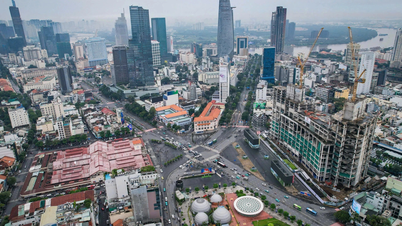
Urgent measures needed to address air pollution, traffic congestion, and revive dying rivers.
In his concluding remarks, Prime Minister Pham Minh Chinh basically agreed with the reports and opinions at the conference and, on behalf of the Government, acknowledged, highly appreciated, and commended the efforts and important results of the localities in the Red River Delta region in the past period, making important contributions to the overall achievements of the country.
Besides the very basic results achieved, Prime Minister Pham Minh Chinh pointed out that the Red River Delta region still has some bottlenecks and obstacles.
Accordingly, air pollution, traffic congestion, and river environments are urgent issues. The current growth model has not kept pace with the trends of the times, and the regional economy has not developed proportionally to its potential, advantages, and its particularly important position and role. Industrial development and FDI projects still have limitations, and value chains and industry clusters have not yet been formed.
The implementation of regional and provincial planning in some localities is still slow and not truly decisive. Cooperation and linkages between localities within the region are still not strong. Public investment has not yet played its leading role. There are still limitations in the availability of high-quality human resources.
The progress in implementing the tasks of the Regional Coordination Council is slow, with many projects yet to be implemented according to the Government's Action Program to implement Resolution No. 30-NQ/TW dated November 23, 2022 of the Politburo on socio-economic development and ensuring national defense and security in the Red River Delta region, as well as the 2024 Regional Coordination Plan.
In 2025, the Prime Minister stated that we will both accelerate and make breakthroughs to complete the socio-economic development targets for 2025 to successfully achieve the goals set forth in the Resolution of the 13th National Congress of the Party, while simultaneously streamlining the organizational structure, organizing Party congresses at all levels leading up to the 14th National Congress of the Party; and successfully organizing major national holidays and important events.
Emphasizing that our country is preparing to enter a new era - an era of national growth, development towards wealth, civilization, prosperity, and increasing well-being and happiness for the people, the Prime Minister stated that we are prioritizing growth, striving for a GDP growth rate of at least 8% in 2025 and aiming for double-digit growth in the coming years.
The Prime Minister requested that the regional council and local authorities in the region thoroughly understand the aforementioned spirit, with a mindset, methodology, and approach to problem-solving that is relevant to the actual situation, timely, appropriate, and effective.
While generally agreeing with the tasks and solutions outlined, the Prime Minister emphasized six key tasks and solutions that ministries, sectors, and localities need to focus on implementing to sustainably develop the Red River Delta region and achieve double-digit economic growth.
Firstly, we need to concretize and immediately develop a plan for implementing Government Resolutions 01 and 02 of 2025.
Secondly, we need to focus more decisively on removing institutional obstacles, reviewing laws, decrees, and circulars, clearly identifying which obstacles exist, where they are, who will address them, and how they will be resolved.
Thirdly, complete the restructuring and streamlining of the organizational structure and put the new system into operation in the first quarter of 2025.
Fourth, develop an Action Plan to implement Resolution 57 of the Politburo on breakthroughs in national science, technology, innovation and digital transformation, and the Government's action program to implement this Resolution, to be completed by January 2025.
Fifth, build mechanisms and policies to mobilize all resources for development, using public investment to lead and activate private investment and all social resources.
Sixth , actively, proactively, and effectively implement regional connectivity, especially transportation connectivity with projects such as the Capital Region's Ring Road 4, Hanoi's bridges (including Phu Dong Bridge and Tu Lien Bridge, which must be started between now and April 30, 2025); the Ninh Binh – Nam Dinh – Thai Binh – Hai Phong expressway, with the remaining sections to be started in the first quarter; the Van Cao – Hoa Lac urban railway line (Hanoi) to be launched; the Lao Cai – Hanoi – Hai Phong railway line to be started in 2025; and resolving outstanding and prolonged projects…
Regarding urgent issues, the Prime Minister requested Hanoi and other localities to immediately develop and implement schemes and projects to mobilize resources to address air pollution and traffic congestion in Hanoi, revitalize dead rivers, and ensure food safety for the people… reporting to the Government on mechanisms and resources, to be completed in the first quarter of 2025. Along with that, focus on mobilizing development resources and disbursing public investment.
Regarding the Regional Coordination Council , the Prime Minister requested that each member, ministries, agencies, and localities within the region demonstrate the highest level of responsibility, continue to be more proactive and diligent in implementing tasks and solutions, and perform their assigned duties even better to strongly and effectively promote regional coordination activities. He emphasized that each Council meeting should be a joyful occasion, achieving concrete results, overcoming the limitations, shortcomings, and weaknesses identified in previous sessions, and proposing breakthrough solutions to prioritize double-digit growth.
The Prime Minister emphasized five guiding principles:
Firstly, resources originate from mindset and vision, motivation from innovation and creativity, and strength from the people and businesses.
Secondly, thinking must be clear, determination must be high, effort must be great, action must be decisive and effective, and each task must be completed thoroughly; clearly assigning responsibilities to specific people, tasks, timelines, and expected outcomes.
Thirdly, value time, intelligence, and decisiveness as key factors for success.
Fourth, with the Party's leadership, the Government's consensus, the National Assembly's agreement, the people's support, and the nation's expectation, we should only discuss action, not retreat.
Fifthly, actions must match words; commitments must be fulfilled, and actions must yield concrete, measurable results.
Regarding planning work, the Prime Minister acknowledged and commended Hanoi for coordinating with ministries, sectors, and localities to complete two very important planning projects for the capital city, the Red River Delta region, and the entire country.
The Prime Minister highly appreciated the recently approved Hanoi Master Plan for identifying and developing unique potentials, outstanding opportunities, and competitive advantages; and for discovering contradictions, shortcomings, limitations, and challenges… in order to propose solutions to resolve and overcome them.
The Prime Minister emphasized that the implementation of the Plan must continue to adhere closely to the Party's guidelines and policies, the State's laws, the practical situation of the locality, region, area, and the world, and the needs and aspirations of the people; have appropriate and effective measures to mobilize resources; respect the Plan, and when adjustments are necessary, they must be carefully considered and thoroughly researched.
The Prime Minister suggested that Hanoi study the construction of a planning exhibition center befitting its status, aiming to enhance transparency and public oversight while attracting investment and serving as a tourism product; to build "villages within cities, and cities within villages"; to focus on developing the cultural and entertainment industries, maximizing the rich and glorious traditions and cultural-historical identity; and to effectively utilize underground space, outer space, and surface water spaces, especially the Red River.
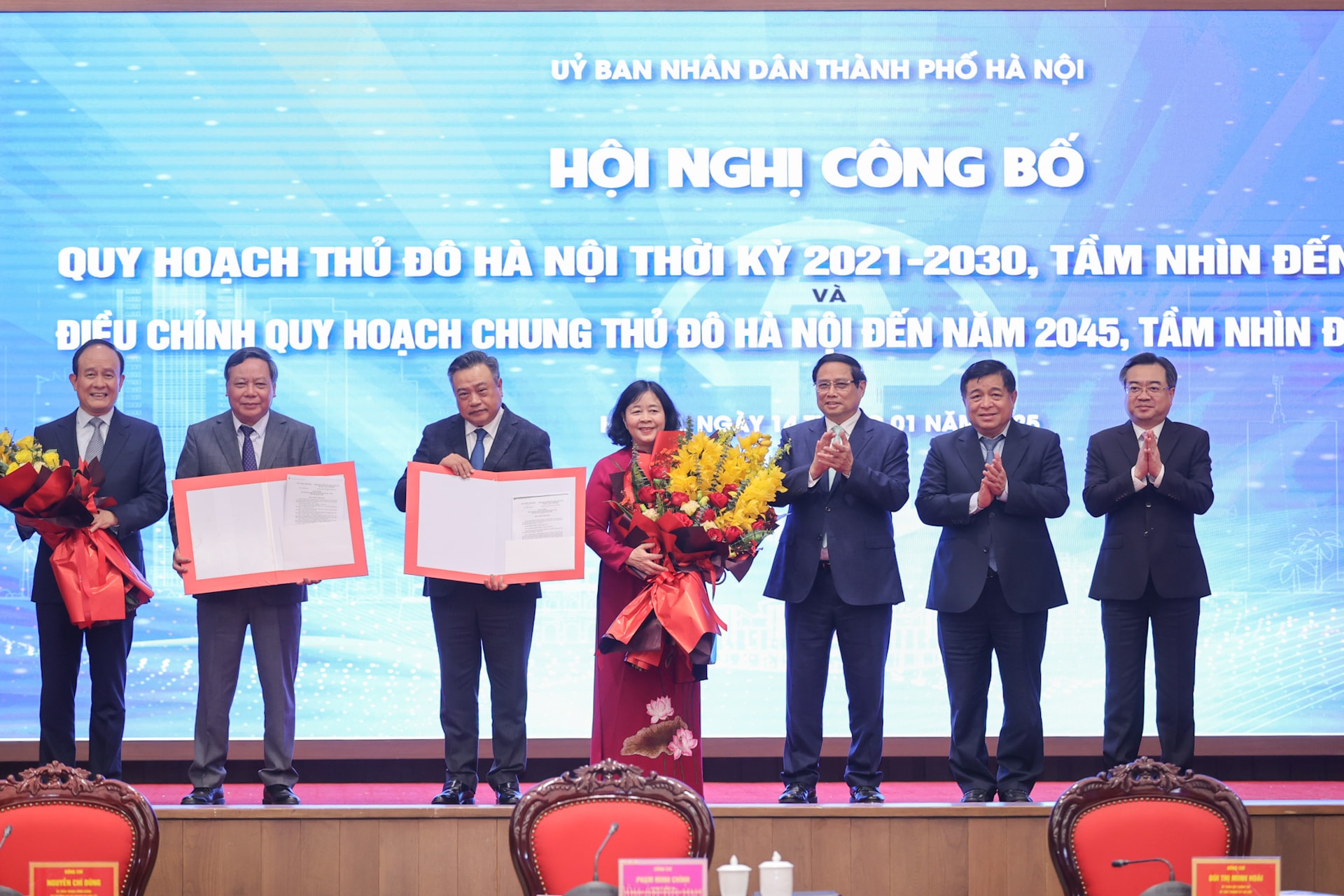
According to the recently approved master plan, by 2030, Hanoi will be a "Cultural - Civilized - Modern" capital city, green, smart, a place where cultural excellence converges, deeply integrated into the international community; a center and driving force for the development of the Red River Delta region, and a growth pole playing a leading role in the national economy.
By 2050, Hanoi will be a global city, green, smart, peaceful, and prosperous, befitting the status of a strong and prosperous Vietnam; with comprehensive and distinctive economic, cultural, and social development, representative of the entire country; a leading level of development in the region, on par with the capitals of developed countries worldwide; a place worth visiting and staying, a place worth living in and contributing to. Its citizens will enjoy a high standard of living and quality of life.
The plan identifies: Five development spaces - Five economic corridors and belts - Five development driving axes - Five socio-economic regions - Five urban regions.
The urban system of Hanoi is organized according to a cluster model comprising a central urban area, radial urban axes, and cities within the capital. Urban expansion in the area north of the Red River aims to create a balanced and harmonious urban space on both sides of the river, with the Red River axis becoming a central landscape axis; forming a city-within-the-capital model to create growth poles and new drivers of development.
Source: https://baotainguyenmoitruong.vn/thu-tuong-ha-noi-dong-bang-song-hong-can-dot-pha-tang-truong-2-con-so-va-cap-bach-xu-ly-o-nhiem-385668.html




































































Comment (0)