

Increase in hand, foot, and mouth disease cases.
According to a report from the Hanoi Center for Disease Control (CDC), in the week from March 29 to April 5, Hanoi recorded 124 cases of hand, foot, and mouth disease, an increase of 47 cases compared to the previous week.
Patients are scattered across 26 districts; among them, some units with a high number of patients include Bac Tu Liem (10 cases), Me Linh and Nam Tu Liem (9 cases each), Ha Dong and Hoang Mai (8 cases each). This week, there was an additional outbreak of hand, foot and mouth disease in Van Hoa commune, Ba Vi district, with 2 cases.
From the beginning of 2024 to date, Hanoi has recorded 424 cases of hand, foot, and mouth disease (an increase of 155 cases compared to the same period in 2023).
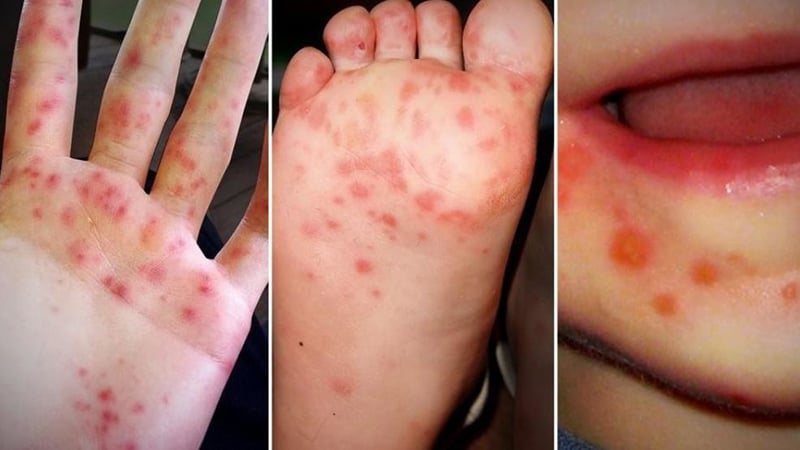
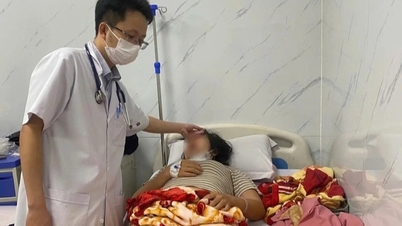
Hanoi sees an increase in hand, foot, and mouth disease cases. (Illustrative image)
Not only in Hanoi, but the whole country is seeing an increase in hand, foot, and mouth disease cases at this time . From the beginning of 2024 until now, the country has recorded more than 8,200 cases of hand, foot, and mouth disease (more than double compared to the same period in 2023).
According to health experts, hand, foot, and mouth disease in Vietnam tends to occur in the summer and early autumn. This is an infectious disease caused by viruses, most commonly Coxsackievirus and Enterovirus 71.
According to Dr. Dang Thi Thuy, Head of the Pediatrics Department at the Central Hospital for Tropical Diseases, hand, foot, and mouth disease is a common infectious disease in young children, transmitted through direct contact with infected individuals (shaking hands, hugging, kissing), contact with toys, clothing, household items, and surfaces containing the virus. The disease can spread rapidly, especially in group environments such as kindergartens and schools.
The typical symptom of the disease is mouth ulcers. These ulcers usually appear on the palate, cheek lining, mouth, and tongue, causing pain, difficulty swallowing, poor appetite, and fussiness during mealtimes.
In addition, raised, firm blisters appear on the skin, often on the palms, soles, knees, and buttocks. Children may have a mild or high fever; a high fever that is difficult to bring down is a warning sign of a serious illness.
Most children with hand, foot, and mouth disease recover gradually after 7-10 days, similar to other viral fevers, but there is also a percentage who experience life-threatening complications such as encephalitis, myocarditis, and acute pulmonary edema.
Who is susceptible to hand, foot, and mouth disease?
Doctors say that hand, foot, and mouth disease mainly occurs in children under 10 years old, usually in children under 5. The younger the child, the more severe the symptoms. Anyone who has never had the disease is at risk of infection through contact with contaminated utensils or surfaces touched by an infected person, but not everyone infected will show symptoms.
Children are at a higher risk of contracting the virus and getting sick because they have weaker resistance and immunity than adults. Most adults are immune, but cases of teenagers and adults contracting the virus are not uncommon.
It's important to note that hand, foot, and mouth disease can recur multiple times if a child comes into contact with someone who has it. A child may contract hand, foot, and mouth disease a second, third, even fourth time or more.
The reason is that after being infected with the hand, foot, and mouth disease virus, whether or not they show clinical symptoms, children develop some antibodies against the virus. However, the amount of antibodies is not large or stable enough to protect them.
In addition to the two common strains of viruses that cause hand, foot, and mouth disease in children, there are more than 10 strains of enteroviruses that can cause hand, foot, and mouth disease. This is why children can contract hand, foot, and mouth disease multiple times due to infection with different strains.
Signs of worsening hand, foot, and mouth disease.
According to Dr. Truong Huu Khanh, Vice President of the Ho Chi Minh City Infectious Disease Association, the most important thing when monitoring children with hand, foot, and mouth disease is for parents to be able to detect signs of the disease worsening.
Accordingly, the most important and first sign in children is startling. Almost all babies with severe hand, foot, and mouth disease have previously shown signs of startling. This startling occurs when the child is dozing off; the baby closes their eyes, lies on their back to sleep, then suddenly jerks, opens their eyes, falls back asleep, and starts startling again.
If a child startles two or more times within 30 minutes, it's almost certain that the situation is serious, and parents should take the child to the hospital immediately.
Additionally, some children may cry continuously, have a rapid pulse, develop purple patches on their skin, or experience weakness in their arms and legs. These are signs that the child's condition is worsening, and parents should take their child to the hospital immediately.
According to Dr. Khanh, the third important sign is when a child has a fever for more than two days and the fever is high (a continuous high fever above 38.5 degrees Celsius that doesn't go down even with Paracetamol), parents should take their child to the doctor to avoid complications.
How to care for a child with hand, foot, and mouth disease at home.
According to Dr. Dang Thi Thuy, for children with mild hand, foot, and mouth disease who only have mouth ulcers and skin rashes, they can be treated and monitored at home. Nutritional care should include drinking plenty of cool water and eating easily digestible foods, avoiding pacifiers, and refraining from giving them sour or spicy foods and drinks. Daily oral and personal hygiene is also important to prevent secondary infections.

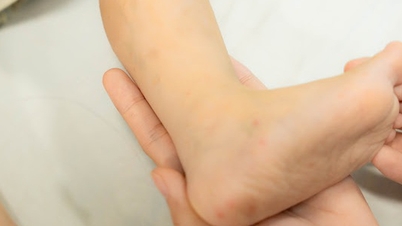
Maintain personal hygiene, food hygiene, and keep toys and living spaces clean to prevent hand, foot, and mouth disease in children. (Illustrative image)
According to experts, there is currently no vaccine to prevent hand, foot, and mouth disease, nor is there a specific treatment for it. To actively prevent and minimize the impact of hand, foot, and mouth disease on health, especially in children, the Department of Preventive Medicine, Ministry of Health, recommends that people proactively implement preventive measures such as:
Personal hygiene
Wash hands frequently with soap under running water several times a day (both adults and children), especially before preparing food, before eating/feeding children, before holding children, after using the toilet, and after changing diapers and cleaning children.
Food hygiene
Children's food must be nutritious; food must be cooked thoroughly, and water must be boiled; eating utensils must be thoroughly washed before use (ideally, rinsed with boiling water); use clean water in daily activities;
Do not feed children by mouth; do not allow children to eat with their hands, suck their fingers, or put toys in their mouths; do not let children share napkins, handkerchiefs, eating utensils such as cups, bowls, plates, spoons, or toys that have not been disinfected.
Clean toys and living areas.
Households, kindergartens, and home-based childcare providers should regularly clean surfaces and items that are frequently touched, such as toys, learning materials, doorknobs, stair railings, tabletops/chairs, and floors, using soap or common cleaning agents.
Collecting and disposing of children's waste.
Use sanitary toilets; feces and waste from children must be collected, treated, and disposed of in sanitary toilets.
Early detection monitoring
Children should have their health monitored regularly to promptly detect, isolate, and treat cases of illness, preventing the spread of disease to other children.
Isolate and treat promptly when symptoms appear.
Nurseries, kindergartens, daycare centers, and households with children under 6 years old need to proactively monitor children's health to promptly detect any problems and take them to medical facilities for timely treatment.
Children who are sick must be isolated for at least 10 days from the onset of symptoms. Children showing symptoms should not attend school, and they should be immediately isolated and taken to medical facilities for examination and treatment.
The video is currently trending:
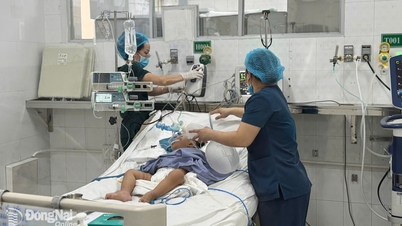
Nurses at A9 Bach Mai Hospital resuscitate a foreign tourist who has suffered cardiac arrest.
Source


![[Photo] Prime Minister Pham Minh Chinh presides over a meeting on private sector economic development.](/_next/image?url=https%3A%2F%2Fvphoto.vietnam.vn%2Fthumb%2F1200x675%2Fvietnam%2Fresource%2FIMAGE%2F2025%2F12%2F20%2F1766237501876_thiet-ke-chua-co-ten-40-png.webp&w=3840&q=75)




























































































Comment (0)