The plan aims to strengthen the State's responsibility for food safety management at all levels, from the city to the grassroots. Post-inspection of food safety assesses compliance with food safety laws by establishments involved in the production, trading, advertising, import, storage, and transportation of food; OCOP (One Commune One Product) products used as food; establishments producing, trading, advertising, and importing food supplements and nutritional products; and food service businesses. Particular attention is paid to collective kitchens in industrial zones and schools, establishments providing ready-made meals, and food safety at festivals, large events, and street food vendors.
Post-inspection work on food safety aims to control the production, processing, trading, and import of food products, including agricultural, forestry, and aquatic products, beer, wine, alcoholic beverages, soft drinks, confectionery, food additives, and other food products, according to the assigned management responsibilities of the following sectors: Health, Agriculture & Environment, and Industry & Trade.
Through post-inspection at food production, business, and advertising establishments, the assessment of the issuance of various food safety certificates such as: Food Safety Certificates, Advertising Content Confirmation Certificates, Product Declaration Registration Certificates, and self-declarations of products...

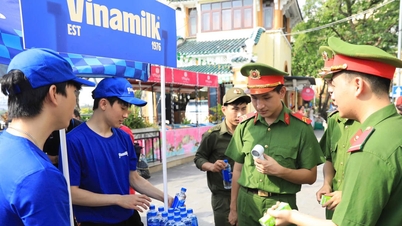
Food safety inspection during Tet holiday in Dong Ngac ward, Hanoi .
Post-inspection work must fundamentally prevent the production, import, and sale of unsafe food; the advertising of food that violates regulations; and the detection and strict handling of organizations and individuals violating food safety regulations, with the results publicized through mass media and the electronic portals of relevant sectors and localities.
In addition, the city will organize inter-agency inspections during the Lunar New Year (Year of the Horse), Spring Festival, Food Safety Action Month, and peak food consumption periods such as the Mid-Autumn Festival and the end of the year. Post-inspection work will be carried out synchronously at both the city and ward/commune levels, ensuring no overlap, proper assignment and delegation of responsibilities, transparency, and no disruption to the normal operation of production and business establishments.
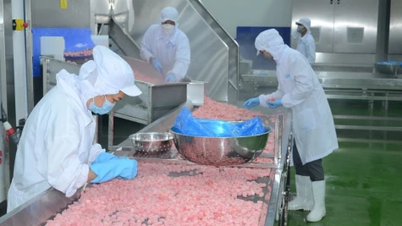
The focus of post-inspection activities regarding food safety will include ensuring food quality, concentrating on controlling food quality at all stages: origin of raw materials, transportation, storage; production and processing; import and circulation in the market. This will also include monitoring the use of food additives, processing aids, flavorings, and colorings in food processing; controlling banned substances in livestock farming, crop cultivation, and aquaculture; and monitoring antibiotic residues, pesticide residues, and veterinary drug residues.
Post-inspection work also focuses on controlling small-scale livestock and poultry slaughtering activities; controlling the use of salbutamol in animal husbandry; controlling counterfeit, unidentifiable, expired, and smuggled food products; and controlling multi-level marketing and e-commerce activities related to food, with a focus on health supplements, nutritional supplements, and foods fortified with micronutrients.
For food production, business, import, and advertising establishments, post-inspection of compliance with regulations on product declaration for food products: medical nutrition; products for special diets; infant formula; focusing on post-inspection of self-declared product dossiers at the dossier receiving agency.
For food safety management agencies, the inspection covers the responsibilities of state management agencies regarding food safety, including departments, sectors, and the Food Safety Steering Committees of wards and communes; agencies that issue and revoke product declarations and products subject to self-declaration/registration of product declarations, advertising content confirmation certificates, and food safety compliance certificates; information, education , and communication on food safety; and inspection, post-inspection, and handling of violations.
Source: https://kinhtedothi.vn/ha-noi-tang-cuong-hau-kiem-an-toan-thuc-pham.953779.html

















































































Comment (0)