

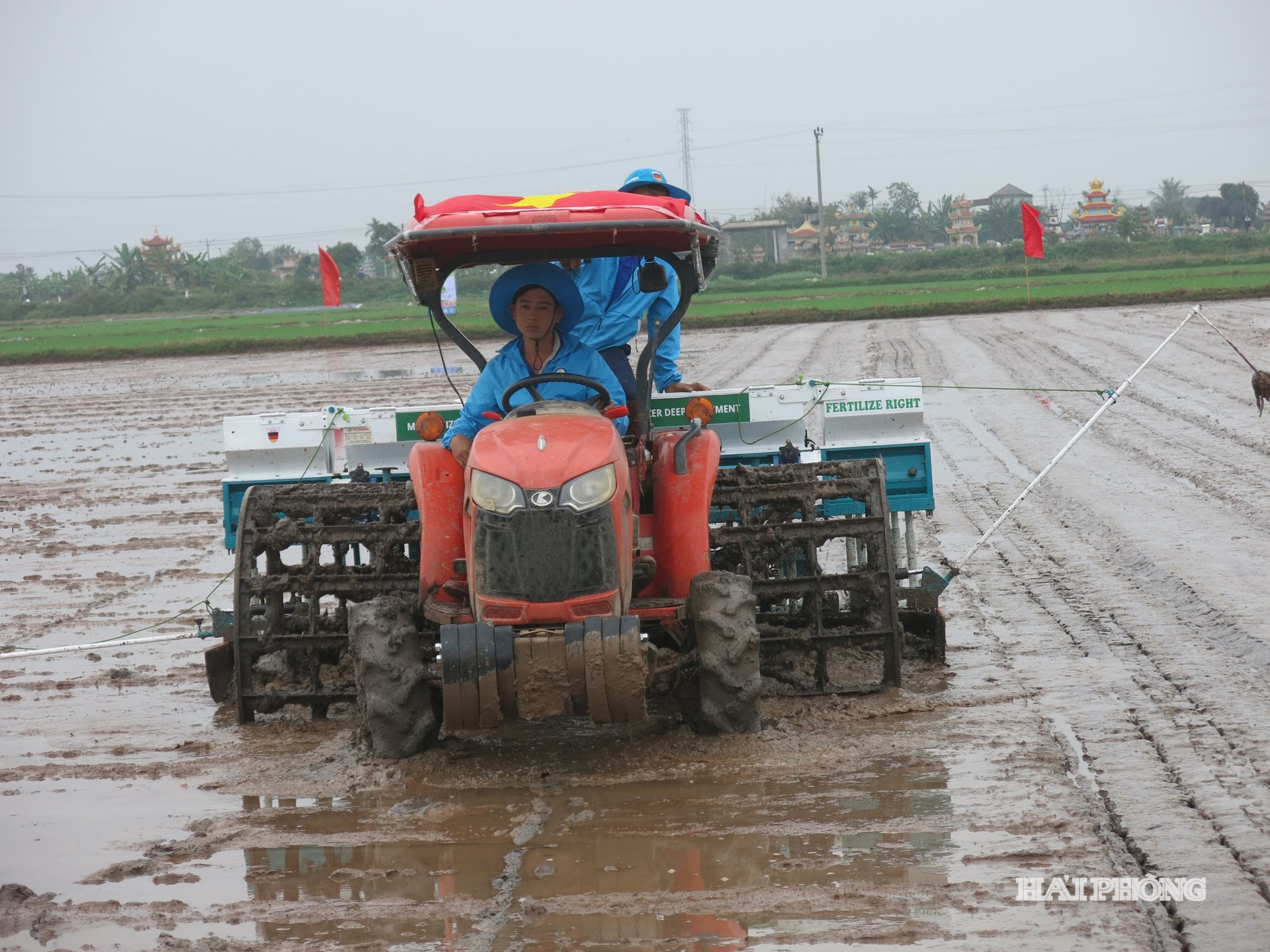
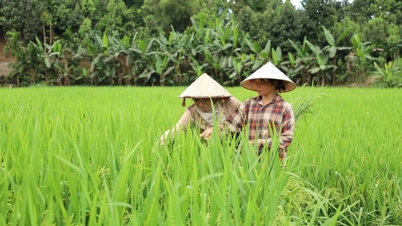
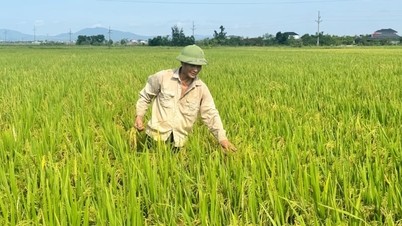
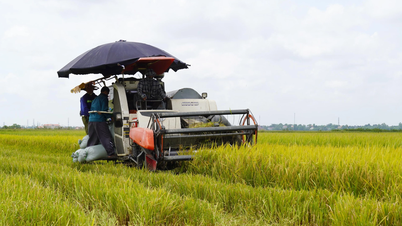
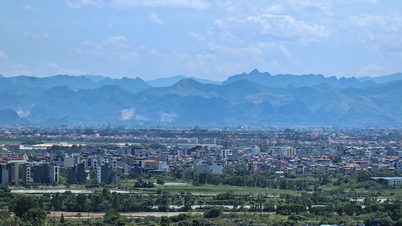
According to the Hai Phong Department of Agriculture and Environment, by the end of April 2026, the city had expanded the area of low-emission rice cultivation to 3,279 hectares.
Low-emission rice farming methods are recommended by international organizations as an effective solution to save costs, maintain productivity, and reduce methane emissions from rice fields.
The low-emission rice farming project was implemented in the former Hai Duong province starting from the 2024 crop season with the support of Green Carbon Japan Vietnam Co., Ltd., the Organic Agriculture Center, and the Vocational Training and Experimental Center (Vietnam Academy of Agriculture).
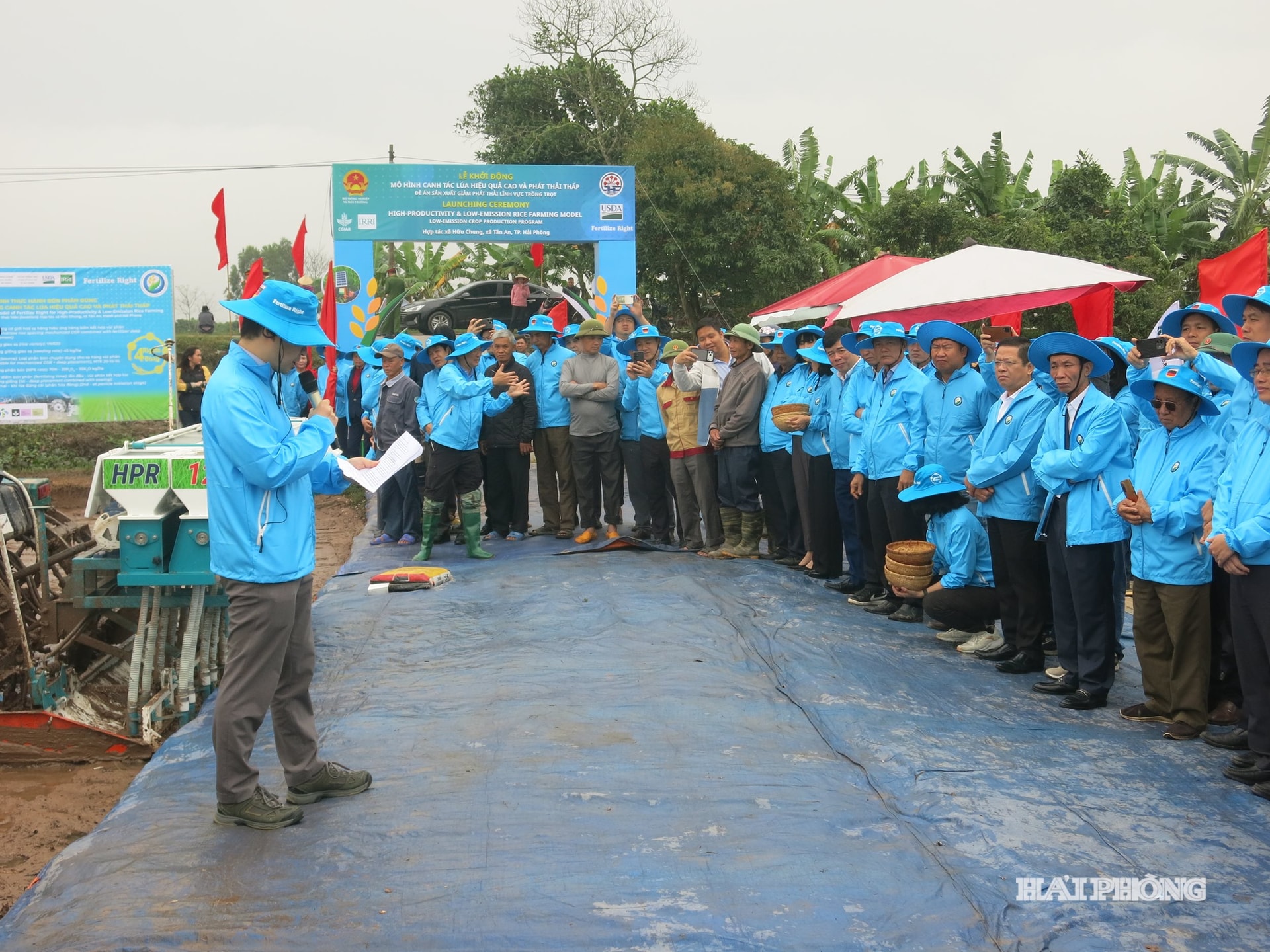
For the spring crop of 2025, the production area will be expanded to 1,075 hectares in the former Hai Duong province and a pilot project of 2 hectares will be implemented in the former Hai Phong city.
For the 2025 crop season, the model will continue to be implemented on an area of 2,885 hectares in 8 new communes: Tan An, Hong Chau, Thanh Mien, An Quang, An Khanh, Nguyen Binh Khiem, Viet Khe, and Quyet Thang.
By the spring of 2026, the production area will expand to 3,279 hectares.
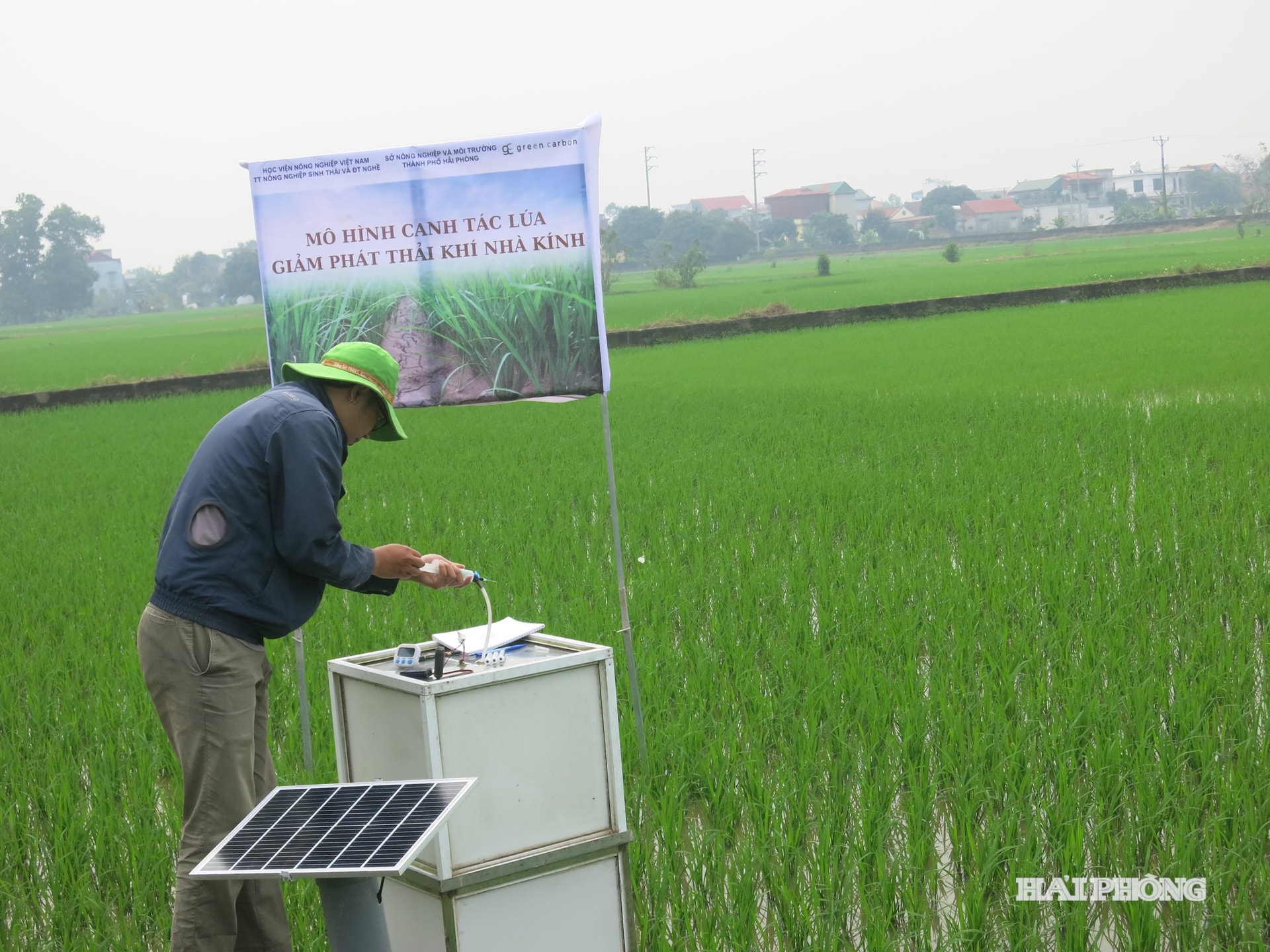
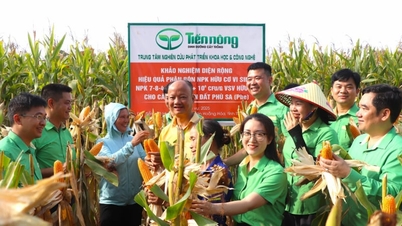
Following successful trials, this farming method has proven scalable and offers significant environmental benefits. Specifically, it reduces average CO2 emissions by 4.65 tons (equivalent to a 51% reduction compared to conventional farming methods), reduces labor costs by 2-3 times, and increases average yields by 5-9% depending on the location and rice variety.
Plants with well-developed root systems are stronger and less prone to lodging, reducing pest and disease pressure and the cost of pesticides.
It is projected that by 2026, the area of rice cultivation with reduced greenhouse gas emissions will reach 7,000 - 8,000 hectares for both the spring and autumn seasons.
HO HUONGSource: https://baohaiphong.vn/hai-phong-da-co-3-279-ha-lua-phat-thai-thap-540012.html





![[Photo] General Secretary and President To Lam and his wife begin their official visit to Thailand.](https://vphoto.vietnam.vn/thumb/1200x675/vietnam/resource/IMAGE/2026/05/27/1779881249412_anh-man-hinh-2026-05-27-luc-18-10-51.png)


































































Comment (0)