

The city, at all levels, sectors, and localities, is strengthening control from supply and processing to consumption, proactively preventing food poisoning and protecting people's health.
Strengthen widespread inspections.
In April and May 2026, the Department of Health established inter-agency inspection teams on food safety. These teams inspected food production and service establishments, and collective kitchens in the wards of Gia Vien, Le Chan, Le Thanh Nghi, etc.
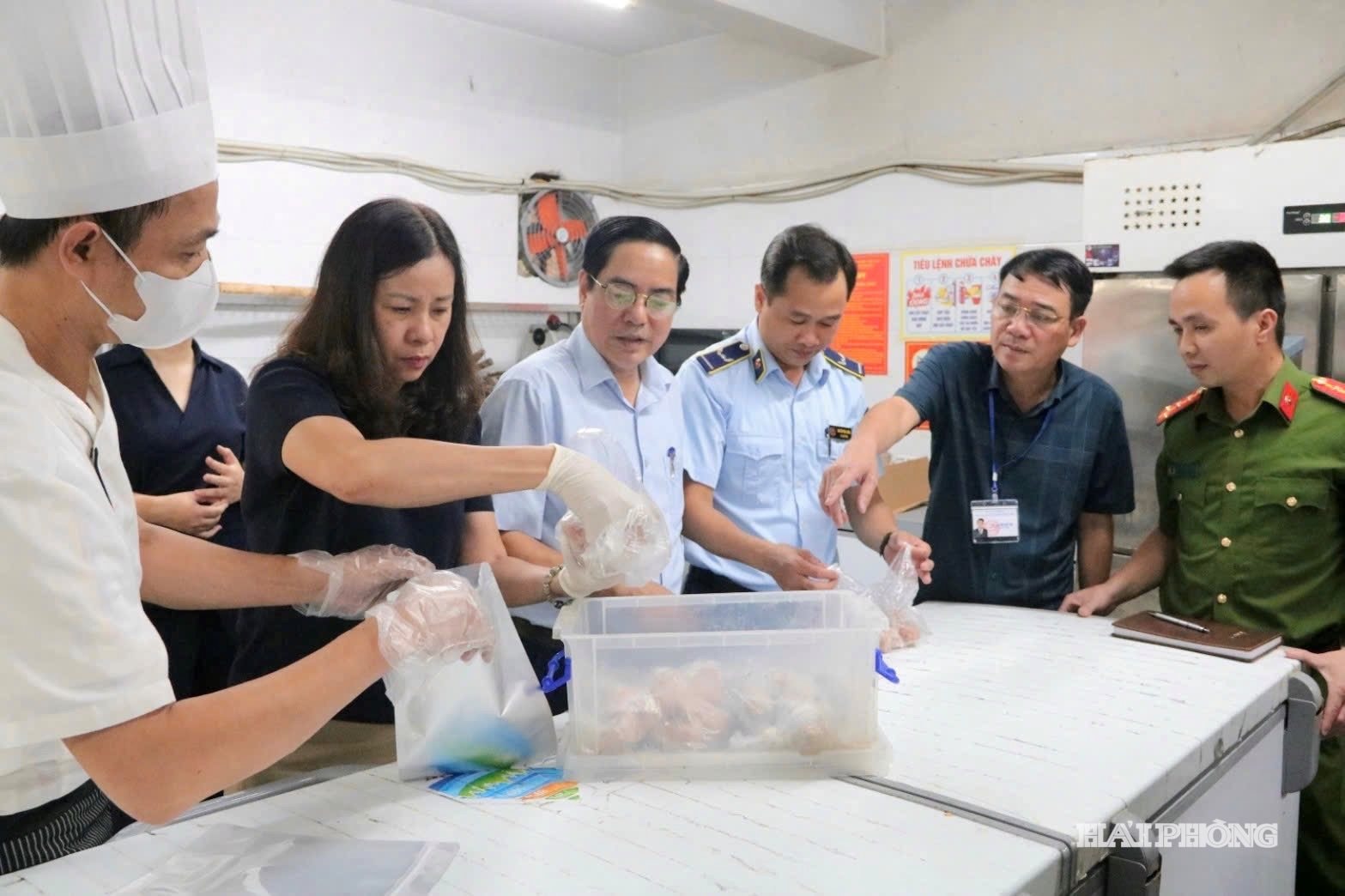
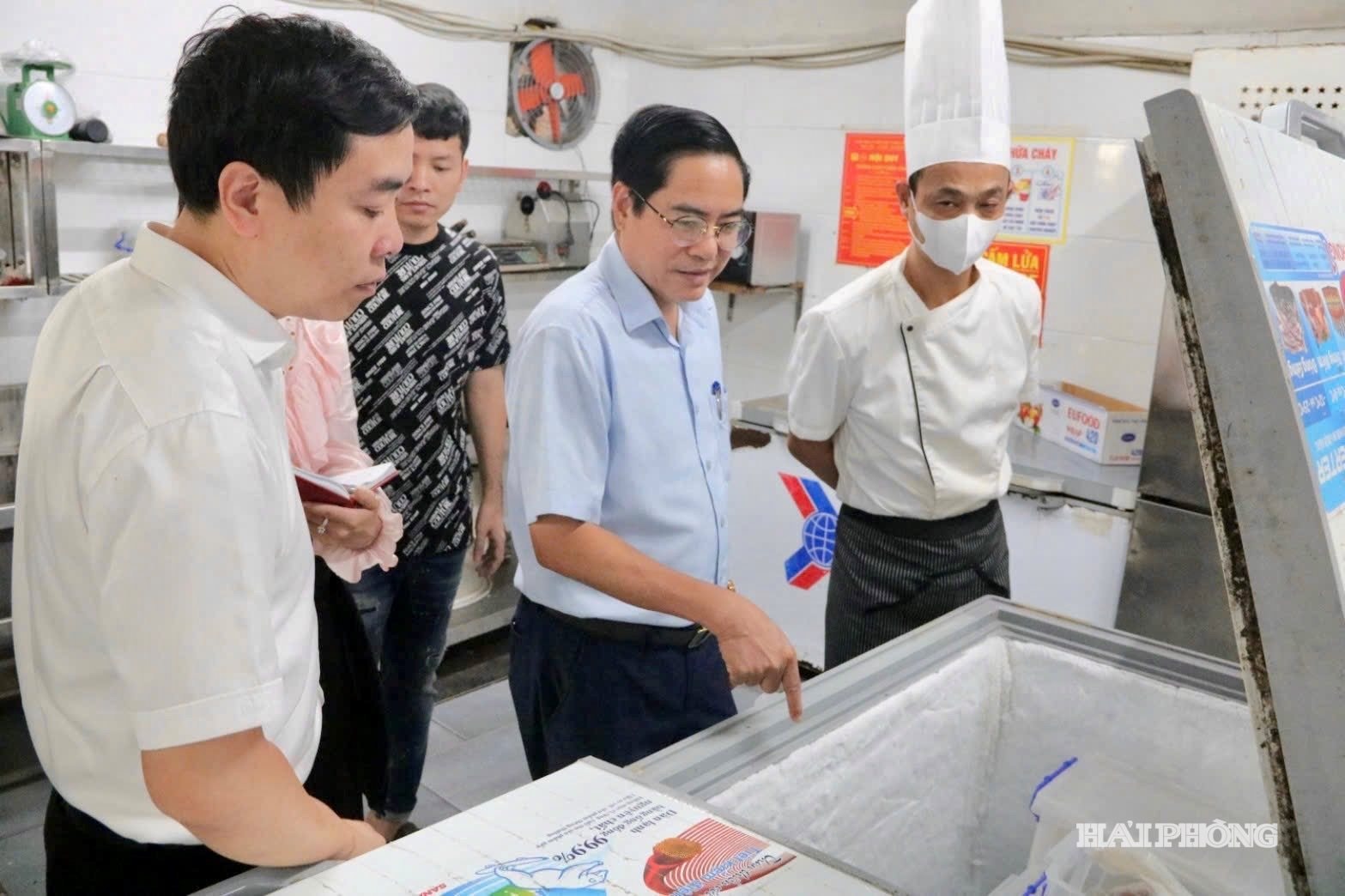
At Suoi Restaurant (Gia Vien Ward), the inspection team checked the following documents: food safety certificate; employee health certificates; food safety training certificates; records and invoices for food purchases and sales; and documents proving the origin and source of ingredients, food, and kitchen equipment.
During the inspection, the team noted that the units basically met the conditions for ensuring food safety, and reminded the units to pay attention to classifying food and clearly labeling the date of import, date of purchase, expiration date, etc. Mr. Tran Dinh Duc, owner of Suoi Restaurant, said: The restaurant will seriously implement the team's suggestions to ensure food safety, for the health of the people and also for the reputation and responsibility of the restaurant.
According to statistics from Gia Vien ward, there are over 1,100 food production and business establishments in the ward, including 152 establishments managed at the city level with 7 collective kitchens and 979 establishments managed at the ward level, including 34 school kitchens and private preschool groups. The rest are mainly small-scale businesses such as street food vendors and fresh food sellers.
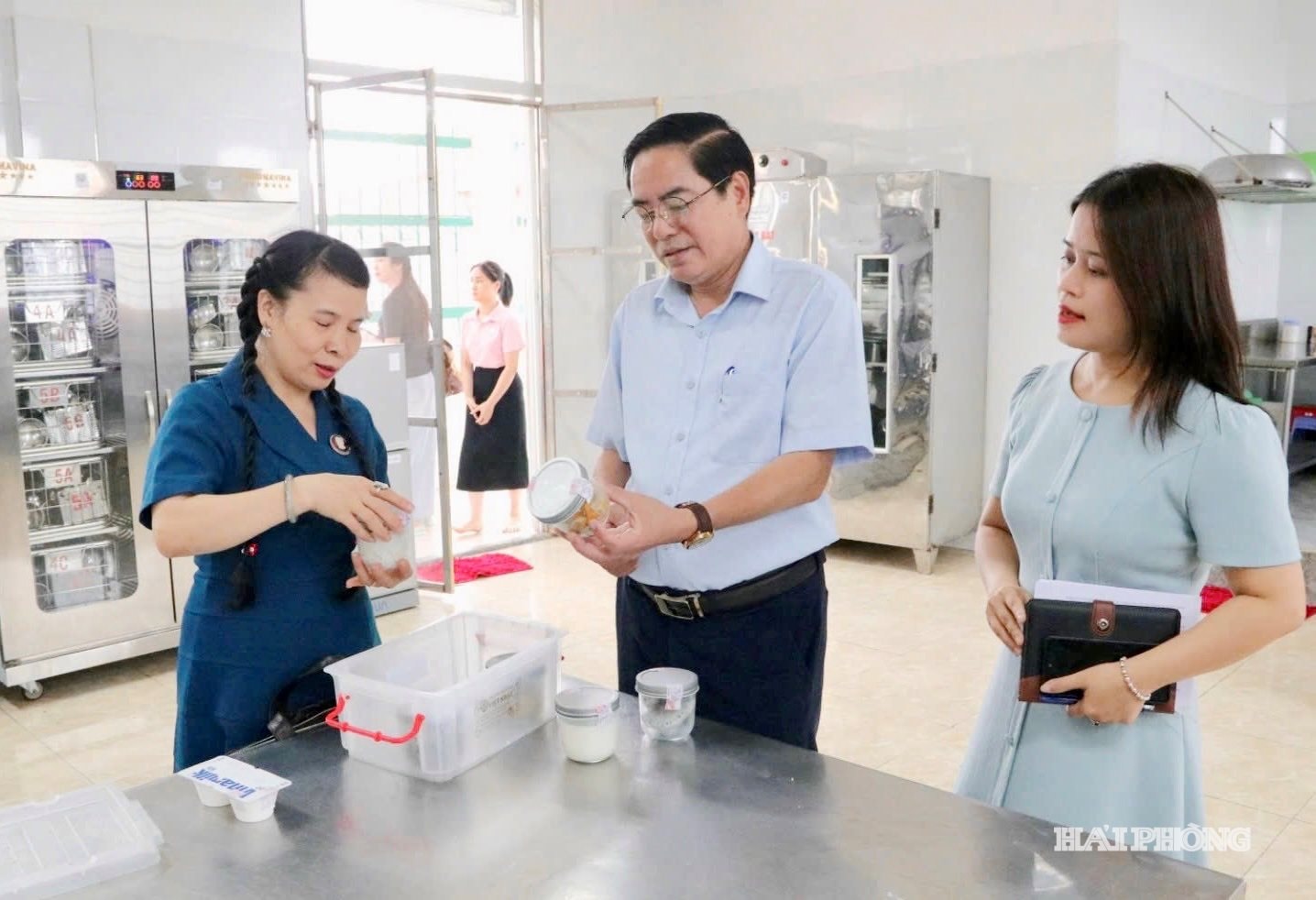
In Le Thanh Nghi ward, the inter-agency inspection team conducted an on-site inspection at Amanaki School. The inspection revealed that the school kitchen was appropriately arranged and hygienic; records of the origin of food ingredients were kept; facilities, equipment, and utensils met requirements; and employees received adequate training and health check-ups. The team also advised the school to complete the procedures for signing a commitment to comply with food safety regulations.
According to the Vice Chairman of the People's Committee of Duong Thi Hang Nga Ward: the ward has 33 establishments producing and trading milk and dairy products; 39 establishments producing and trading beer, wine and alcoholic beverages; 2 establishments trading and preserving frozen animal products; 638 establishments producing and trading food services, markets, supermarkets (209 establishments processing and trading street food); and 3 establishments producing and trading vegetarian food. State management of food safety in the ward has become more systematic after the implementation of the two-level government system; the awareness of food production and trading establishments has improved; and there have been no cases of mass food poisoning.
Challenges in food safety management
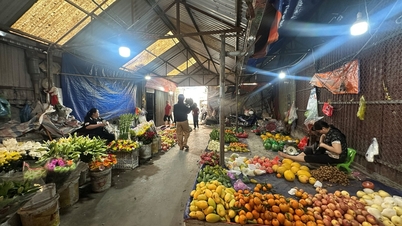
Hai Phong currently has over 30,100 food establishments, including: 6,043 production facilities, 8,342 food trading establishments, 8,481 food service establishments, and 7,258 street food vendors. According to the Department of Industry and Trade, the city currently has 342 markets; 14 shopping centers, 34 supermarkets, and thousands of convenience stores and grocery stores widely distributed throughout the city.
According to the Hai Phong Department of Health, the majority of food production and business establishments in the city are small-scale, family-run, seasonal, have frequently changing workforces, operate spontaneously, and produce inconsistent products, making food safety management challenging.
Currently, food poisoning incidents are under control, but food service establishments and street food vendors still pose a risk. The traceability of fresh food at food service establishments is not yet strictly controlled.
Regarding imported food, according to the Customs Sub-department of Region III, quality control faces many difficulties due to a lack of information on origin, unclear manufacturers, and the absence of standardized inspection standards, leading to difficulties in assessing quality and safety; some imported frozen and processed foods pose a risk of spoilage, contain prohibited substances, or do not meet food safety and hygiene standards.
For effective management, propaganda, inspection, and supervision are effective measures. In the first four months of 2026, inter-agency and specialized inspection teams inspected 197 food production and business establishments, food service establishments, and collective kitchens. As a result, the authorities fined 18 establishments a total of over 167 million VND.
The dissemination of information continued to be intensified with 251 communication and training sessions for over 6,000 people; and 15 specialized training courses for over 1,150 food safety management officials at the commune level and health officials .
In the coming period, the Department of Health will focus on investing in facilities, equipment, and working tools to serve the food inspection and control work of functional agencies at all levels.
Furthermore, a strong shift in management methods is needed, moving from fragmented control to chain-based management; from incident response to risk prevention. The application of digital transformation, traceability using QR codes, and the development of a synchronized data platform are considered fundamental solutions to improve management efficiency and market information transparency. The health sector proposes perfecting mechanisms, strengthening inter-sectoral coordination, investing in infrastructure and human resources, and promoting digital transformation to enhance the effectiveness of food safety management.
HOANG HUESource: https://baohaiphong.vn/hai-phong-siet-chat-quan-ly-an-toan-thuc-pham-543496.html































































































Comment (0)