

From old memories to startup ideas
One winter afternoon, we arrived at Ms. Quyen's house in To Hieu ward ( Son La province) and heard the sounds of cotton being pounded, echoing from afar like a memory. Welcoming us, Ms. Bui Le Le Quyen immediately told us about how she came to be involved in the project.
“When I was little, every time I visited my grandmother, I was always impressed by being able to bury myself in a thick cotton mattress, fragrant with the scent of sunshine. Every time I went to the stream in the spring, I would admire the bright red kapok flowers covering the mountains and forests. Many times, watching my grandmother pound the cotton to make mattresses and pillows, I thought this image would last forever. But as I grew up, I realized that fewer and fewer people know how to do this,” Ms. Quyen shared.
From her childhood memories, she realized that the traditional crafts of the Muong and Thai people in Northwest Vietnam are facing the risk of disappearing. The number of elderly people who know how to make cotton mattresses and pillows is decreasing. If these crafts are not preserved, no one will know the value of cotton, how to process it, how to fluff it, or how to sew mattress covers.
“I wondered, if we don’t start now, when the last generation passes away… who will still know how to make cotton mattresses?” Le Quyen recalled.
That question became the spark that ignited a journey full of challenges but also filled with pride. Quyen was determined to create clean, comfortable pillows and mattresses; at the same time, reviving memories and keeping alive a traditional craft that had once stood on the brink of oblivion.
Unlike traditional methods, Quyen started with a very modern approach. With the support of the Thuan Chau Commune Youth Union (Son La province), she surveyed the market, learned about raw material hygiene, researched the cotton processing procedures according to clean standards, and tested dozens of pillow and mattress samples.
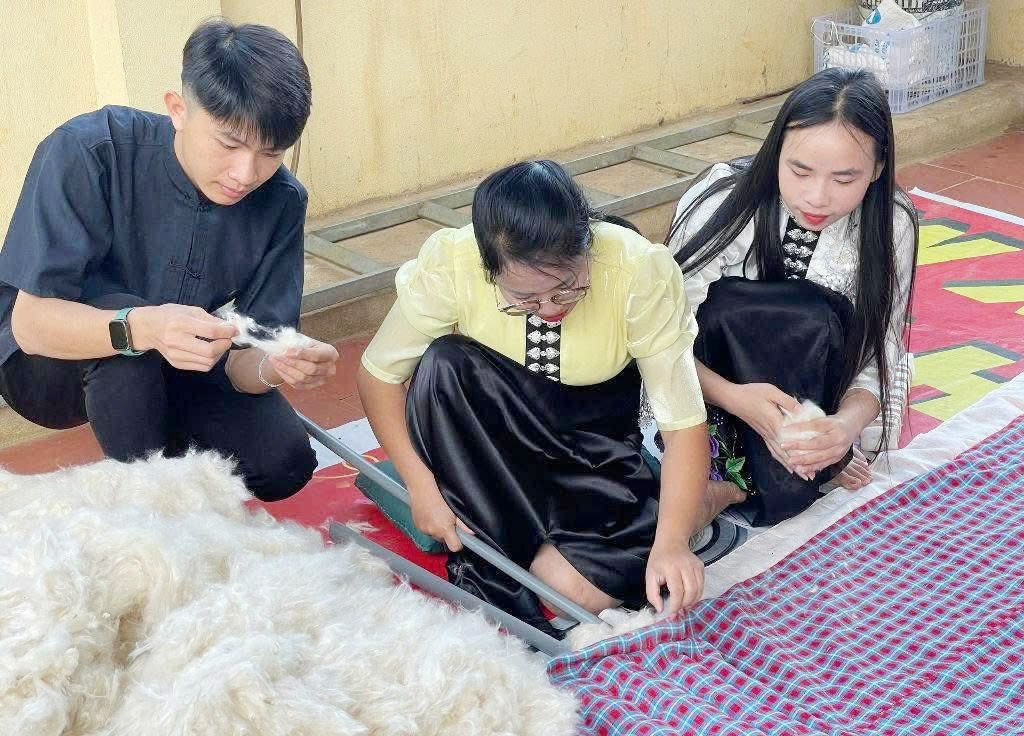
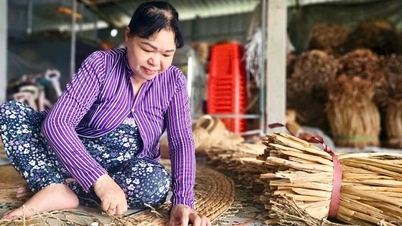
In the early days, Quyen and her colleagues had to travel to various villages to find each sack of cotton, asking the villagers how to identify good quality cotton, and meticulously documenting each step of the process. The cotton was thoroughly sun-dried, then put into a washing machine to remove dust, dried, and fluffed with a pestle or small machine. The result was a layer of white cotton that was smooth, soft, and much cleaner than the old method.
The mattress and pillow covers are made from materials deeply rooted in Muong culture, such as cotton, linen, and raw silk, with some even featuring hand-embroidered traditional motifs. As a result, each product is not just a household item but also carries the story of the mountain and forest culture.
Quyen said that just by touching the cleaned, processed rice cotton, one immediately feels its soft, cloud-like lightness. The hollow cotton fibers provide good elasticity, preventing deep indentation like synthetic foam. It's breathable in the summer and retains warmth well in the winter. Importantly, rice cotton is completely natural and doesn't irritate the skin. These advantages have become a major selling point when introducing the product in cities. "The first customer messaged me saying that sleeping on a rice cotton pillow was very comfortable, and I was so happy I couldn't sleep," Quyen laughed.

A journey of overcoming difficulties
Bui Le Le Quyen confided that, despite careful planning, the path to entrepreneurship was far from smooth. “The cotton supply was insufficient, so my team and I had to travel dozens of kilometers to source it. With limited investment capital, we had to pool our money to buy used washing machines and small dryers, and we had to figure out how to repair them ourselves when they broke down…,” Le Quyen recounted.
But the biggest challenge was bringing the product to market. Amidst a sea of eye-catching mass-produced goods, handcrafted pillows and cushions needed time to convince consumers. "I sought advice from experts on promotion, sales, and branding…," Le Quyen shared.
Ultimately, Quyen chose to tell the story of Muong culture, emphasizing its naturalness, cleanliness, and eco-friendliness. Each product comes with a small sheet explaining the process of making the cotton, and the origin of the rice plant – a plant closely associated with the life and spring of the Muong people. Small orders from Hanoi , Hai Phong, Da Nang, and other places have given her strength.
Thanks to Quyen's project, the homes of the elderly workers in the area are once again filled with the sounds of cotton pounding every afternoon. Currently, Quyen earns about 20 million VND per month; the older workers only work part-time, earning about 4 million VND per month. The best part is that many young people are also coming to learn the trade.
"I used to think this craft was gone, but now that I see the young people relearning it, I'm very happy. The craft is being preserved, and women in the village have more jobs and increased income," shared Ms. Cam Thi Tanh (65 years old).
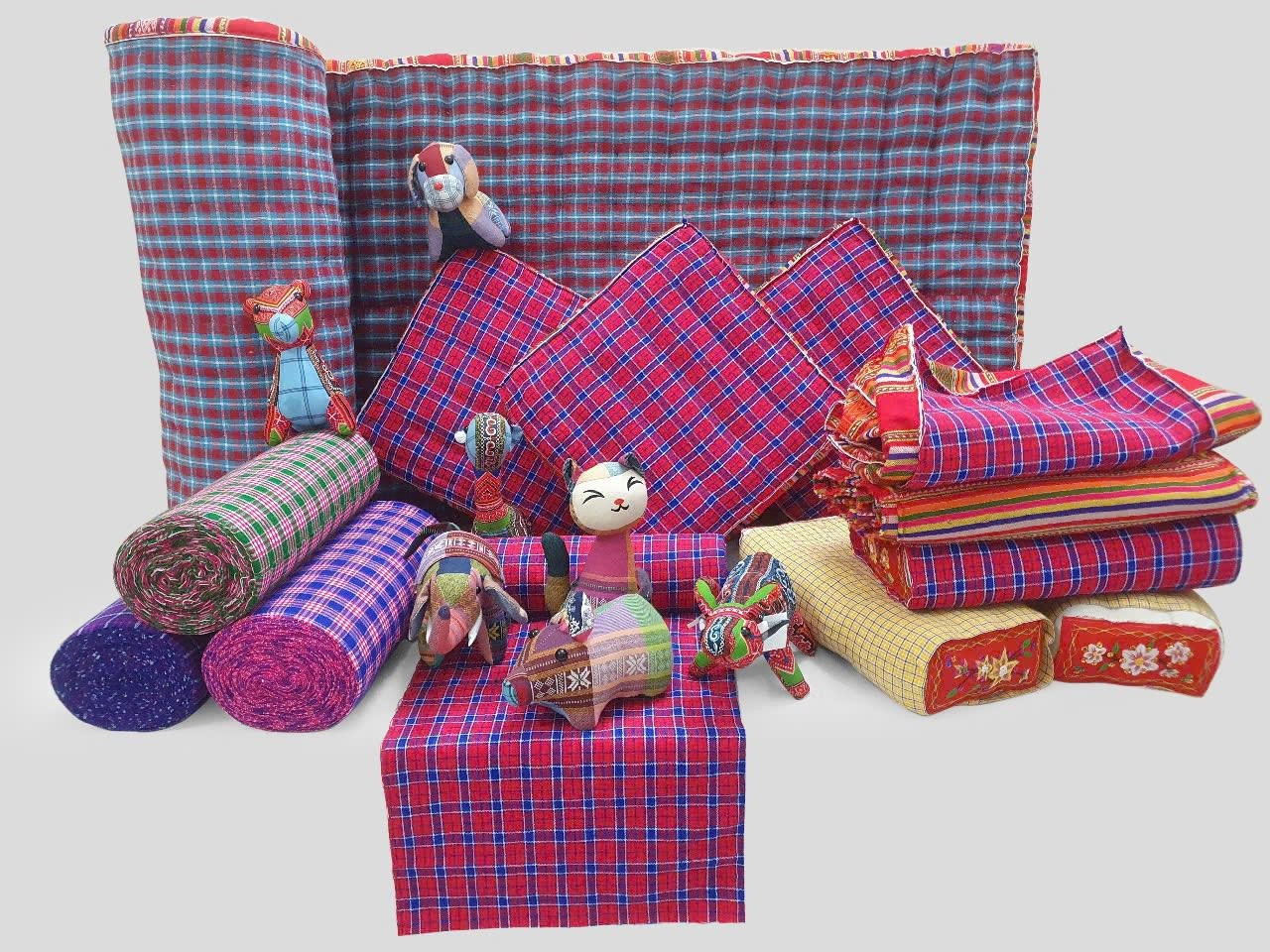
Quyen said that her next goal is not just to do small-scale work, but to move towards establishing a business and expanding the market. "I'm currently developing and designing products that combine silk with cotton to make warm and beautiful blankets; building a brand for pillows, mattresses, and cotton blankets with a broader reach," Quyen said.
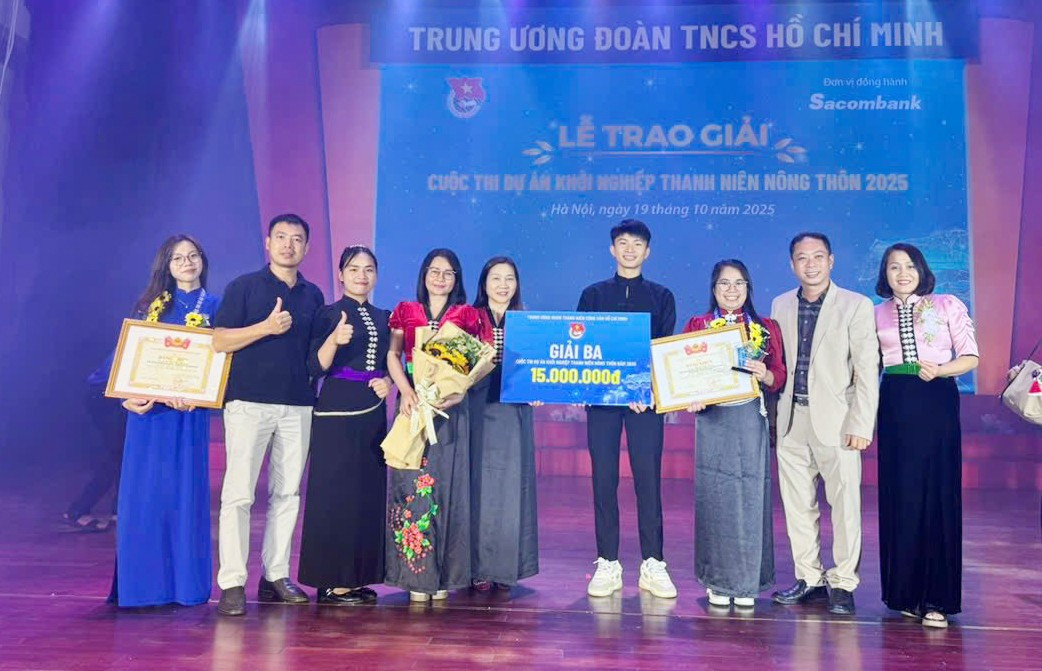
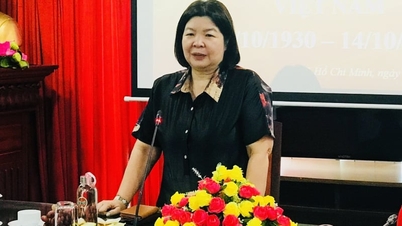
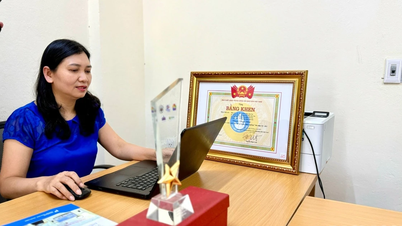
According to Ms. Dinh Thi Bich Phuong, Secretary of the Thuan Chau Commune Youth Union (Son La province), Bui Le Le Quyen's project to produce traditional cotton mattresses won third prize in the 2025 Rural Youth Startup Project Competition organized by the Central Committee of the Ho Chi Minh Communist Youth Union.
This idea is of great significance in preserving the traditional crafts of the ethnic group. With the support of the Youth Union and businesses, the project has initially achieved certain successes, generating income for Quyen's family and some elderly women.
"In the future, as the project develops, we will continue to support Le Quyen in securing loans, building her brand, and promoting her cotton blankets, mattresses, and pillows to people inside and outside the province," said Ms. Dinh Thi Bich Phuong.
Source: https://tienphong.vn/hanh-trinh-vuot-kho-cua-co-gai-muong-post1798507.tpo

![[Image] Nearly 125,000 Hanoi students completed the Literature exam for the 10th grade entrance exam.](https://vphoto.vietnam.vn/thumb/1200x675/vietnam/resource/IMAGE/2026/05/30/1780117233041_ndo_br_thiet-ke-chua-co-ten-2-png.webp)




















































































Comment (0)