

According to the Lebanese embassy in Washington, this agreement does not mean a complete end to the conflict.
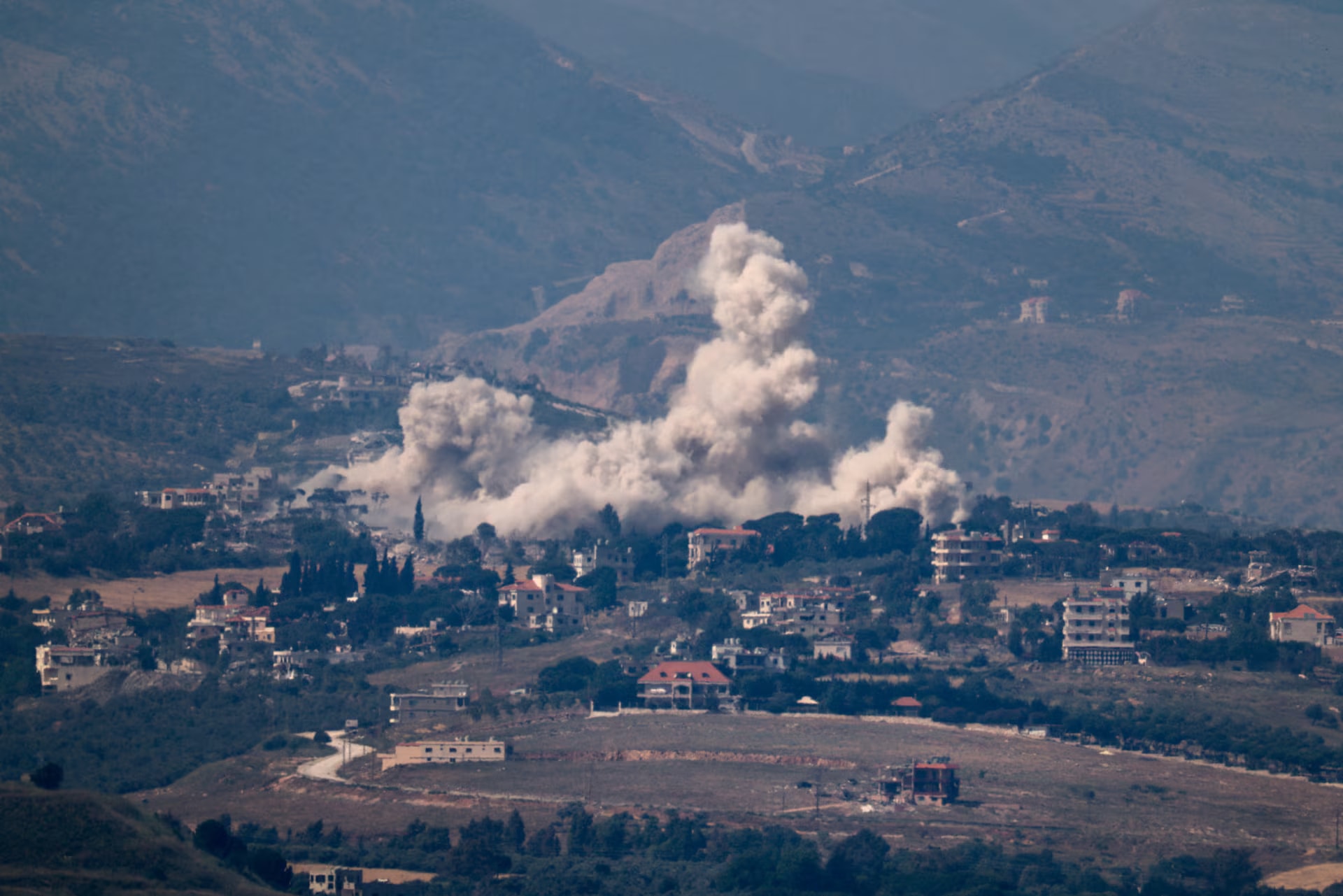
According to published information, Israel has pledged not to conduct airstrikes against the capital Beirut and Hezbollah-controlled suburbs, while Hezbollah will cease attacks on Israeli territory.
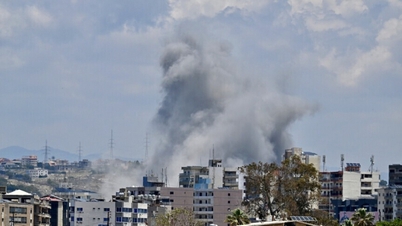
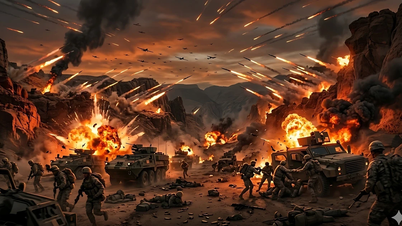
However, fighting in southern Lebanon, where the Israeli army launched a military operation in March, continued into the evening of June 1st. Early this morning, the Israeli army reported intercepting two flying objects that had traveled from Lebanon towards the northern part of the country, with no casualties reported.
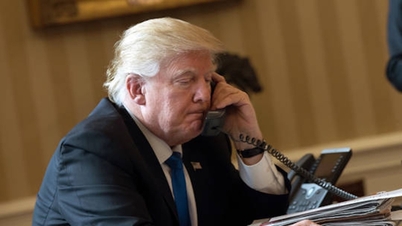
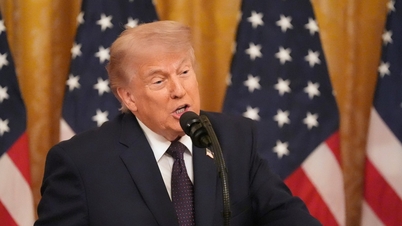
US President Donald Trump, who first announced the agreement, said Hezbollah, through intermediaries, had pledged not to attack Israel. The US still classifies Hezbollah as a terrorist organization and has never maintained official contact with the group.
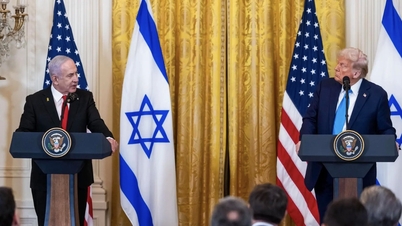
Trump also said that Israeli Prime Minister Benjamin Netanyahu had agreed to withdraw military units that were preparing to attack Beirut.
However, following Trump's statement, Netanyahu affirmed that Israel would continue its military operations in southern Lebanon, where its ground forces are advancing toward the Zaharani River, considered the deepest penetration into Lebanese territory in 25 years.
Hezbollah lawmaker Hassan Fadlallah said the group supports a comprehensive ceasefire across Lebanon as a prerequisite for Israel's withdrawal. However, he did not confirm whether Hezbollah would cease its attacks against Israel.
The Lebanese government said it would seek to expand the scope of the ceasefire agreement in talks with Israel scheduled to take place in Washington from June 3-6.
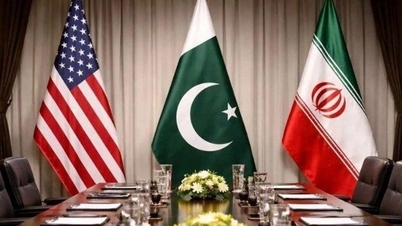
This move could pave the way for renewed efforts to end the three-month-long regional crisis, sparked by US and Israeli attacks on Iran. Negotiations have stalled almost completely as the parties have failed to agree on an initial framework for peace talks.
The conflict between Israel and Hezbollah erupted on February 2-3 and quickly became intertwined with the broader confrontation between the US, Israel, and Iran.
Iran has repeatedly stated that an end to Israeli attacks in Lebanon is a prerequisite for any agreement to end the hostilities, while the US maintains that these are two separate conflicts.
Iranian Foreign Minister Abbas Araqchi declared that the ceasefire between Iran and the US must be understood as a ceasefire on all fronts, including Lebanon.
Iranian state media previously reported that Tehran had suspended indirect peace talks with the US and might consider ending the ceasefire agreement, which has largely been in place since early April, due to developments related to the fighting in Lebanon.
However, Iranian officials have not directly confirmed this information. On the US side, Mr. Trump said he had not received any message from Tehran. In an interview with CNBC on June 2nd, he stated that the peace talks had become "boring" and that he wasn't overly concerned if the process broke down.
Since mid-March, President Trump has repeatedly stated that a peace agreement with Iran is imminent, but so far no concrete results have been achieved. Despite the ceasefire, the US and Iran have continued to exchange attacks over the past week.
In another development, Esmaeil Qaani, commander of the Quds Force of Iran's Islamic Revolutionary Guard Corps, warned that Tehran could extend its blockade from the Strait of Hormuz to the Bab el-Mandeb Strait, a strategic waterway connecting the Red Sea with the Gulf of Aden.
Iran continues to restrict maritime activity in the Strait of Hormuz, a shipping lane that, before the conflict, handled about 20% of the world's oil and liquefied natural gas supply, causing global energy prices to surge.
In trading on June 2nd, world oil prices rose by approximately 4% due to concerns about escalating geopolitical tensions.
Source: https://hanoimoi.vn/hezbollah-va-israel-dat-thoa-thuan-ngung-ban-1019329.html


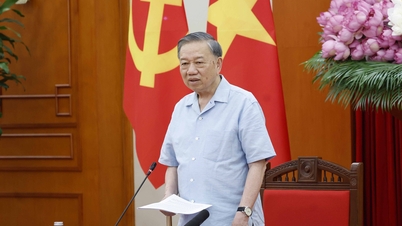
![[Photo] General Secretary and President To Lam presides over a meeting on preparations for the review of one year of operation of the three-tiered government system.](https://vphoto.vietnam.vn/thumb/1200x675/vietnam/resource/IMAGE/2026/06/02/1780391821195_a1-bnd-4595-9717-jpg.webp)















































































Comment (0)