

Finding common ground in the school environment.
In the context of increasing attention to the preservation and promotion of intangible cultural heritage, bringing traditional art closer to the younger generation is considered one of the important solutions to ensure the long-term vitality of this heritage. The recent Xam singing experience for students at the Hoang Mai Star Education System (Hanoi) is a vivid example of this approach.
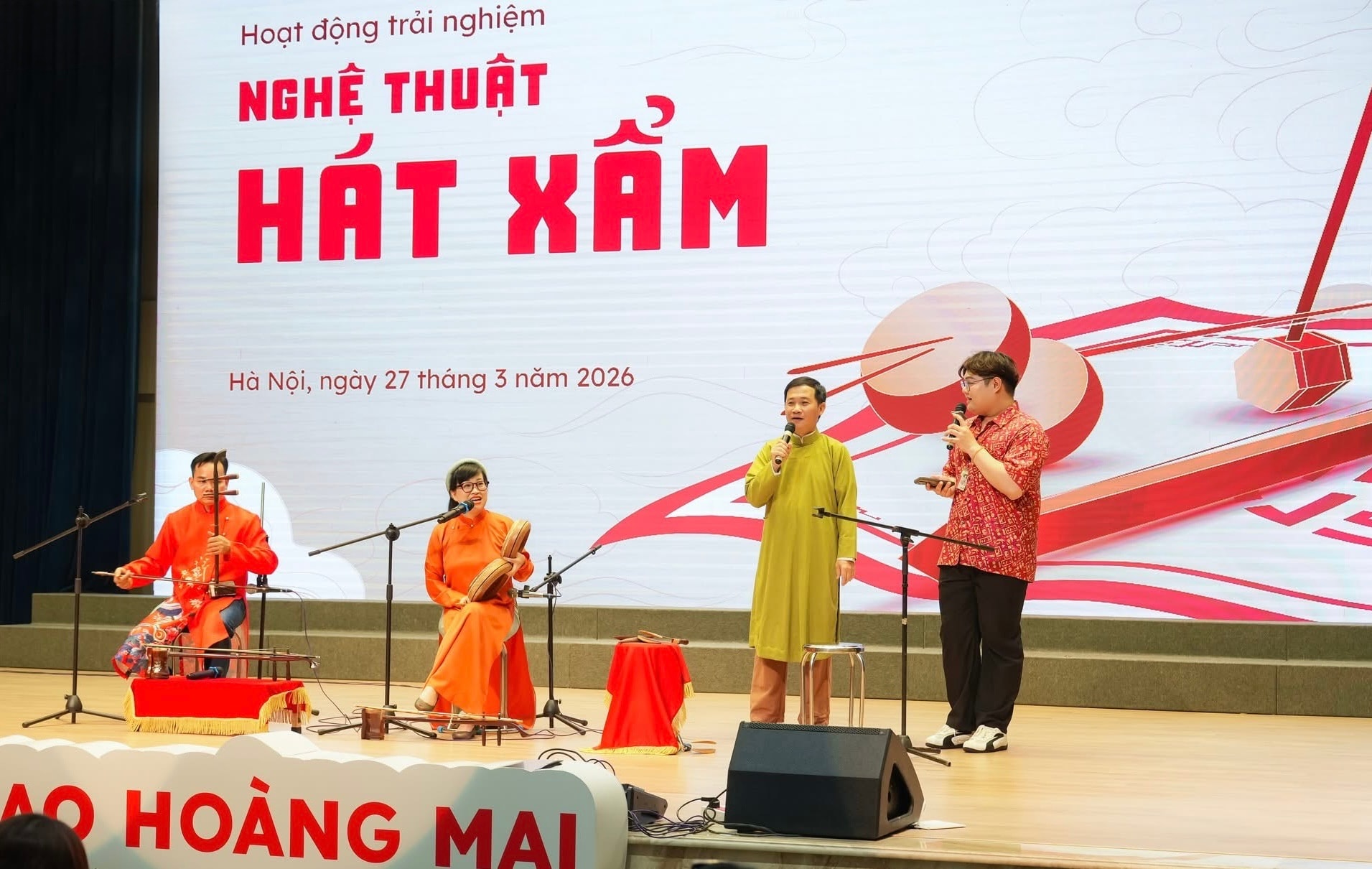
Xẩm singing – a folk art form with a history of over 700 years – was once closely associated with the lives of visually impaired artists in rural markets, village squares, riverside areas, and on old trams. More than just a unique form of folk performance, xẩm is also a treasure trove preserving social memory, reflecting the thoughts, lives, and aspirations of people across generations.
At the program, with the participation of musician Nguyen Quang Long and artists from the Xam Ha Thanh group, students from elementary to high school were introduced to this art form in a vivid and engaging way. They were able to directly listen to and feel famous Xam melodies, such as: "Who is better than me?", "The love of father and mother", "Following the Party for life"...
The school environment transforms into an open stage, with the melodious sounds of the two-stringed fiddle, the lively sounds of the castanets, and the simple melodies that naturally transport students into the world of traditional culture. Lessons about history, morality, love for one's homeland, and resilience are no longer confined to textbooks, but are present in every tune.
In particular, the introduction and solo performance of the two-stringed fiddle helped students better understand the instrument considered the "soul" of Xam singing. The poignant and profound sounds from the instrument created a strong emotional connection between traditional art and the younger generation.
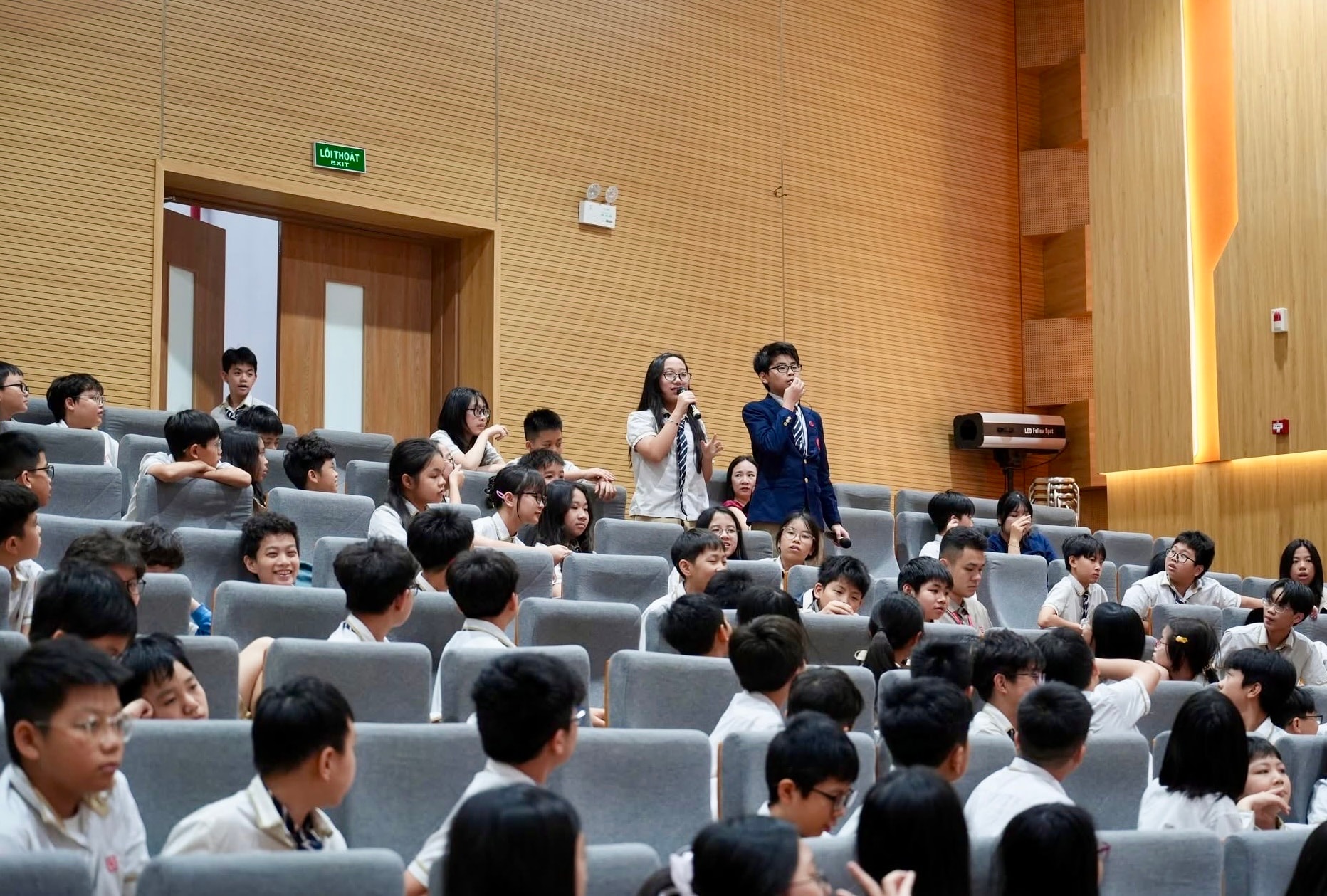
Many children attentively followed each performance, unconsciously tapping their fingers to the rhythm, boldly asking questions, and engaging in discussions with the artists. This interaction demonstrates the appeal of traditional music to young people today.
This fact also helps to refute the notion that traditional art is gradually losing its place in the lives of young people. The problem lies not in the heritage itself, but in the way it is approached. When placed in an open, intimate space, Xam (a traditional Vietnamese folk singing style) still has enough appeal to arouse curiosity, interest, and love for national culture in the younger generation.
More than just an extracurricular activity, the program also serves as a bridge between the past and the present, helping students better understand the value of heritage and fostering an awareness of preserving and promoting traditional national art forms.
When Xam singing resonates with global rhythms
While Xẩm is gradually finding common ground with students in schools, in a broader context, this art form also demonstrates its ability to connect with international audiences.
In recent years, at creative cultural spaces, pedestrian streets, and community performance events, Xẩm (a traditional Vietnamese folk singing style) has increasingly attracted the attention of foreign tourists. Many, even those who don't understand Vietnamese, are captivated by the emotionally rich expression, narrative quality, and lifelike aspects in each song.
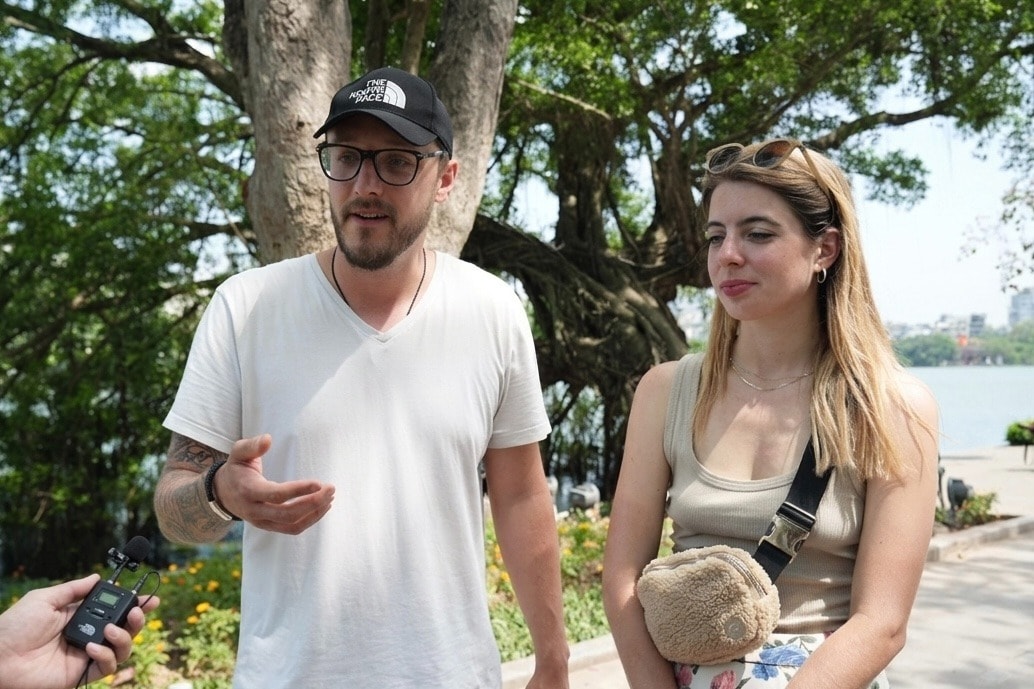
Having happened to enjoy a Xam singing performance in Hanoi's Old Quarter, Dan and Elle, tourists from England, said they were truly captivated by this type of music.
According to them, even without understanding the lyrics, the sound of the erhu (a type of Vietnamese string instrument) and the way the artist pronounced the words created a very special feeling. This art form reminded them of Western blues music, due to its narrative nature and ability to tell stories through music.
This comparison is not accidental. Both Xẩm and blues originated from the common people, reflecting social life and imbued with humanistic values. This very similarity creates a "cultural bridge," making Xẩm more accessible to international audiences.
In the context of a global cultural consumption trend shifting strongly towards products that are local, unique, and historically significant, Xam singing possesses many advantages to become a distinctive cultural diplomacy product of Vietnam. What international audiences are looking for today is not just pure entertainment, but also authentic and unique cultural stories.
Musician and researcher Nguyen Quang Long, who has been involved in the restoration and development of Xam singing for many years, believes that the vitality of this art form lies in its ability to adapt to the times.
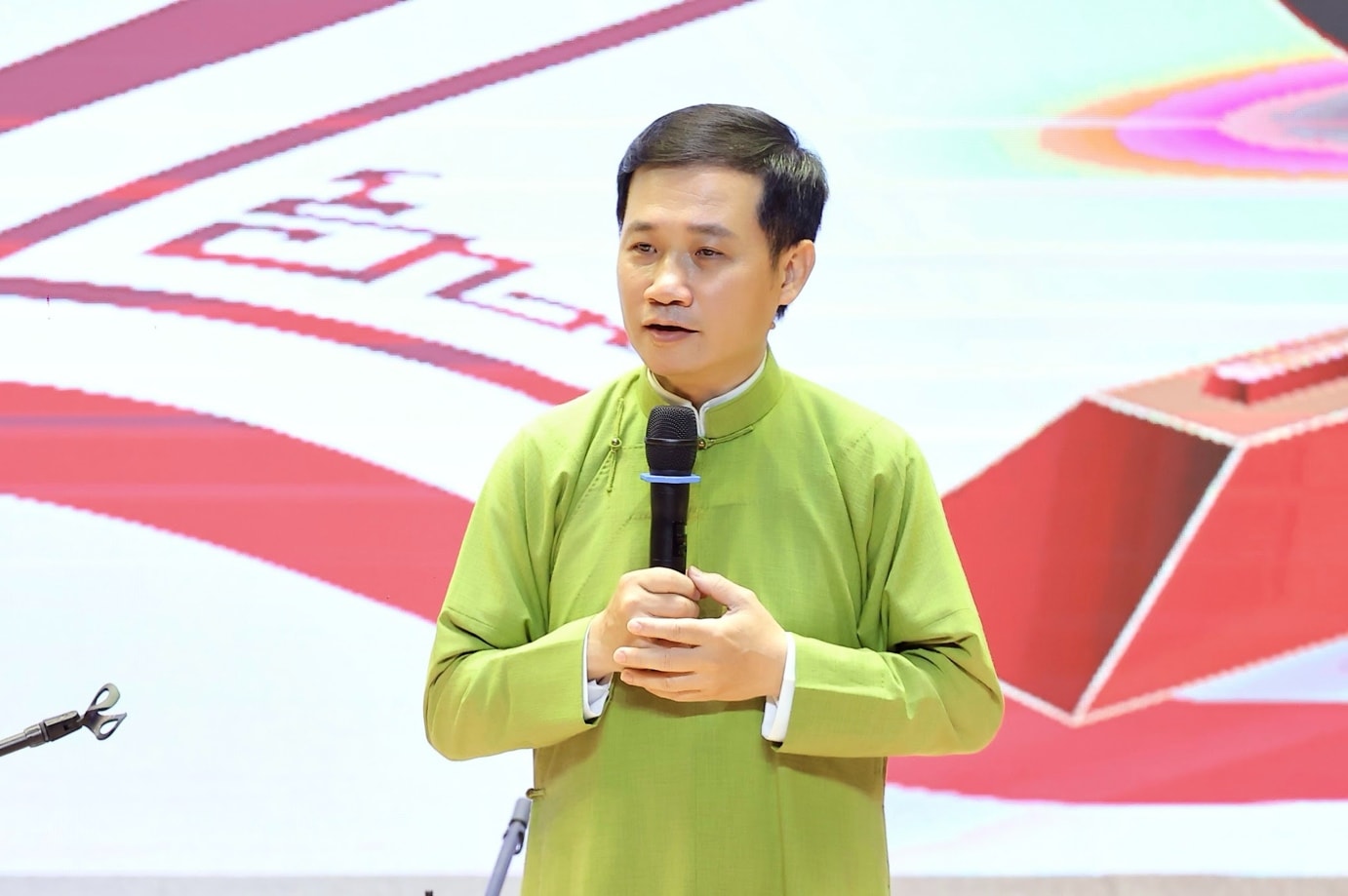
According to musician Nguyen Quang Long, if the heritage is simply preserved in its current state and "frozen," Xam will lose its ability to survive in contemporary life. The essence of Xam has always been its topicality and adaptability. The artists of the past sang about stories happening in society, so Xam today also needs to reflect the spirit of the 21st century.
By preserving the artistic essence of traditional melodies while expanding the content to reflect modern life, and even incorporating new musical trends, Xẩm will have the opportunity to find a new audience without losing its identity.
That is also why Xam is seen as an "open heritage" - an art form capable of adapting, embracing new things, and continuing to develop in the context of globalization.
Boldly bring Xẩm (a traditional Vietnamese folk music genre) to the world.
If researchers like musician Nguyen Quang Long are the guardians of the soul of Xam (a traditional Vietnamese folk singing style), then the younger generation is becoming the pioneering force expanding the space for this heritage to be present in the digital age.
Nguyen Khanh Linh, a young woman from the "Gen Z" generation working in content creation and participating in many cultural digitalization projects, is a prime example. What's special is that Khanh Linh received formal training in Xam singing from a young age, giving her a deep understanding of this art form.
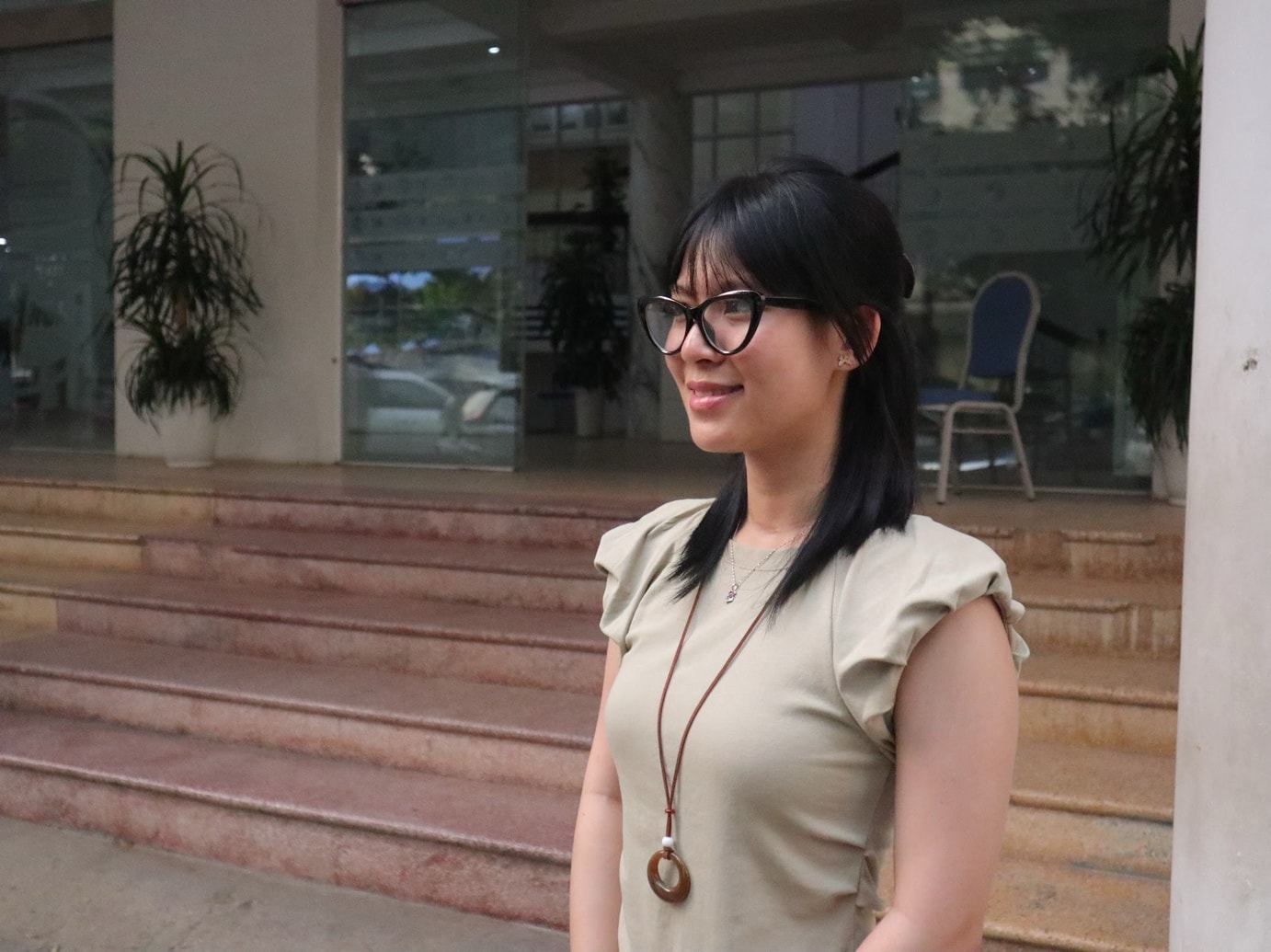
According to Khanh Linh, for Xam (a traditional Vietnamese folk singing style) to truly reach the world, it's crucial to innovate its modes of expression through collaborative activities. The original values regarding melody, vocal techniques, and narrative spirit need to be preserved, but they can be combined with rap, jazz, EDM, or other contemporary art forms to broaden its reach.
Along with that, it's crucial to make the most of digital platforms. Real-life experience videos, street interviews, and creative remixes on TikTok, Spotify, or YouTube can become the shortest path to bringing Xam (Vietnamese folk singing) to a global audience.
In reality, this approach is opening up many new opportunities for traditional art. With the support of technology, heritage can reach a wider audience.
To spread the art of Xam singing and create cultural products from Xam singing that are competitive in the international market, a long-term strategy is needed. That strategy must begin with preservation based on a thorough understanding of its original value, while simultaneously building an ecosystem for promotion, distribution, and brand positioning on multinational digital platforms.
Source: https://hanoimoi.vn/nguoi-tre-tiep-suc-cho-hat-xam-buoc-ra-the-gioi-1065682.html




![[Photo] Delegation attending the 14th Congress of the Vietnam Trade Union visits the Mausoleum of President Ho Chi Minh.](https://vphoto.vietnam.vn/thumb/1200x675/vietnam/resource/IMAGE/2026/06/03/1780451842301_ndo_br_img-3824-jpg.webp)














































































Comment (0)