

Living with pollution
According to our research, this is part of an irrigation canal system that once stretched for tens of kilometers, flowing through many areas in western Hanoi to serve agricultural production. However, with urbanization, its irrigation function ceased, and the canal gradually became a receiving point for domestic wastewater from urban and residential areas.
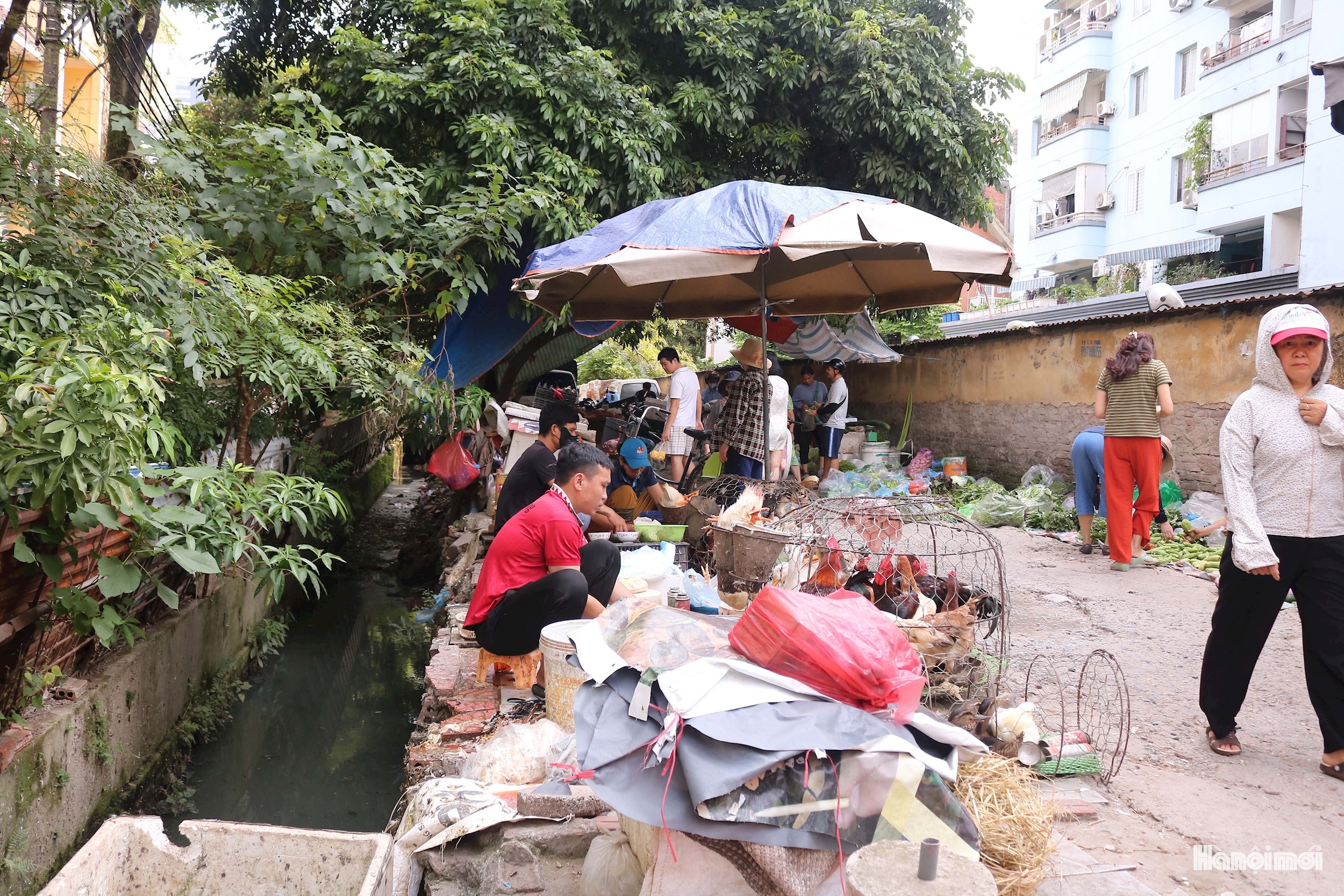
To date, most of this drainage system has been covered with culverts, with many sections becoming well-maintained roads such as Tran Tu Binh Street or the Starlake urban area. However, the section of the drainage ditch from the road bordering the Starlake urban area to Hoang Quoc Viet Street still exists as an open ditch, becoming a persistent "bottleneck" in terms of environment and urban civilization.
During hot days, the foul odor emanating from the sewage is so strong that many households have to keep their doors and windows closed. In the rainy season, the stagnant water further increases the risk of flies, mosquitoes, and diseases.
.jpg)
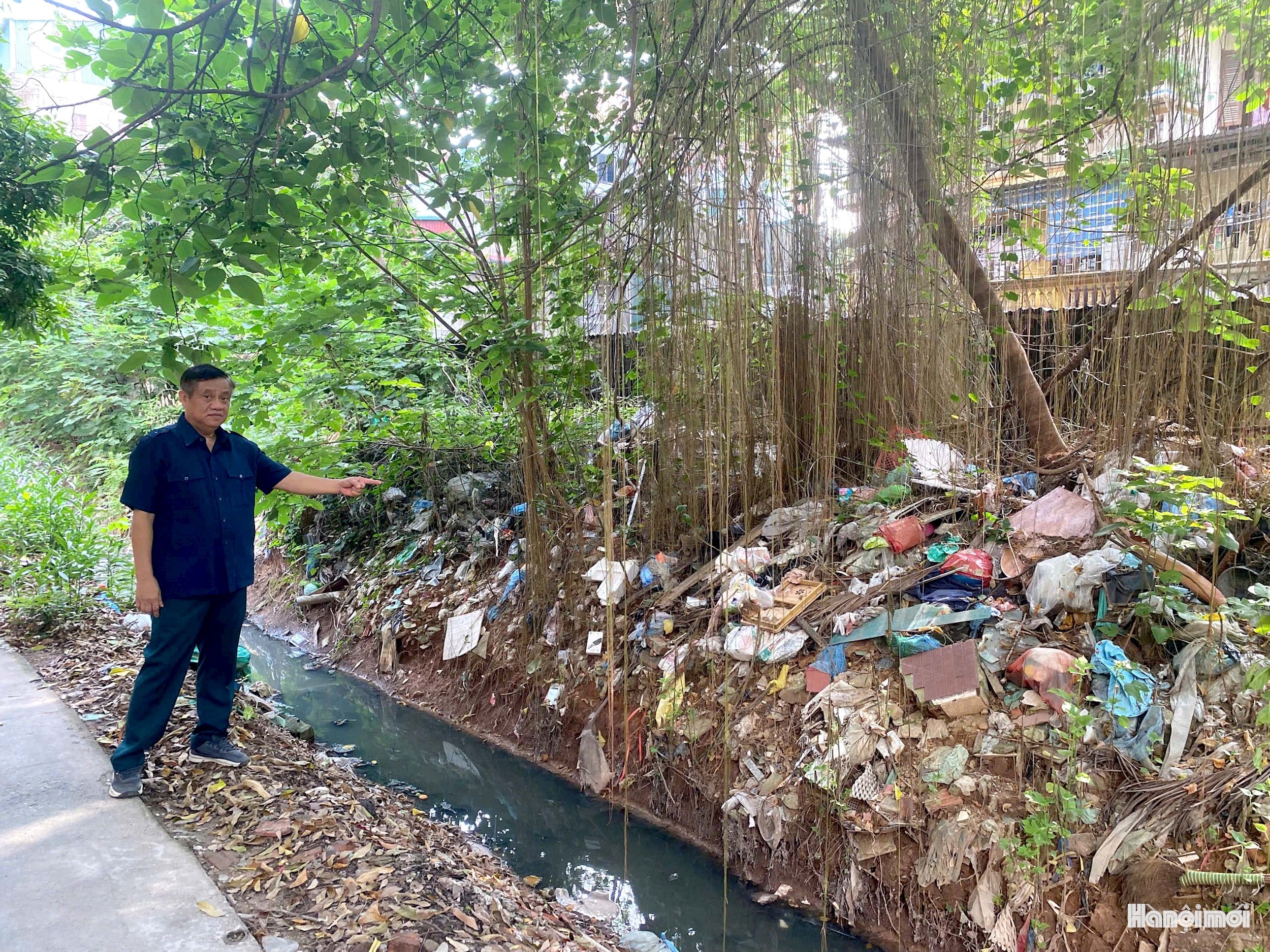
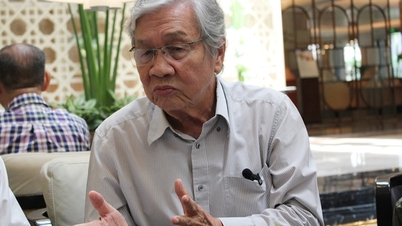
Mr. Nguyen Van Thuc, a long-time resident of the former Tu Liem District People's Committee housing complex, said that the canal used to serve as an irrigation ditch for rice fields. With rapid urbanization, it gradually became a drainage channel for domestic wastewater and sewage from residential areas, leading to increasingly serious environmental pollution.
"While both ends of the canal have been covered with culverts and transformed into clean, civilized roads, this section of the canal remains a neglected depression in the heart of the city. Residents are hoping for a solution soon to end this prolonged pollution," Mr. Thuc shared.
Besides environmental pollution, the area along both sides of the canal has also been home to a makeshift market for many years. Every day, bustling buying and selling activities take place, with vendors encroaching on the road and sidewalks, causing urban blight and obstructing traffic.
More worryingly, some food processing activities and waste dumping into the canals continue, leading to increasing pollution.
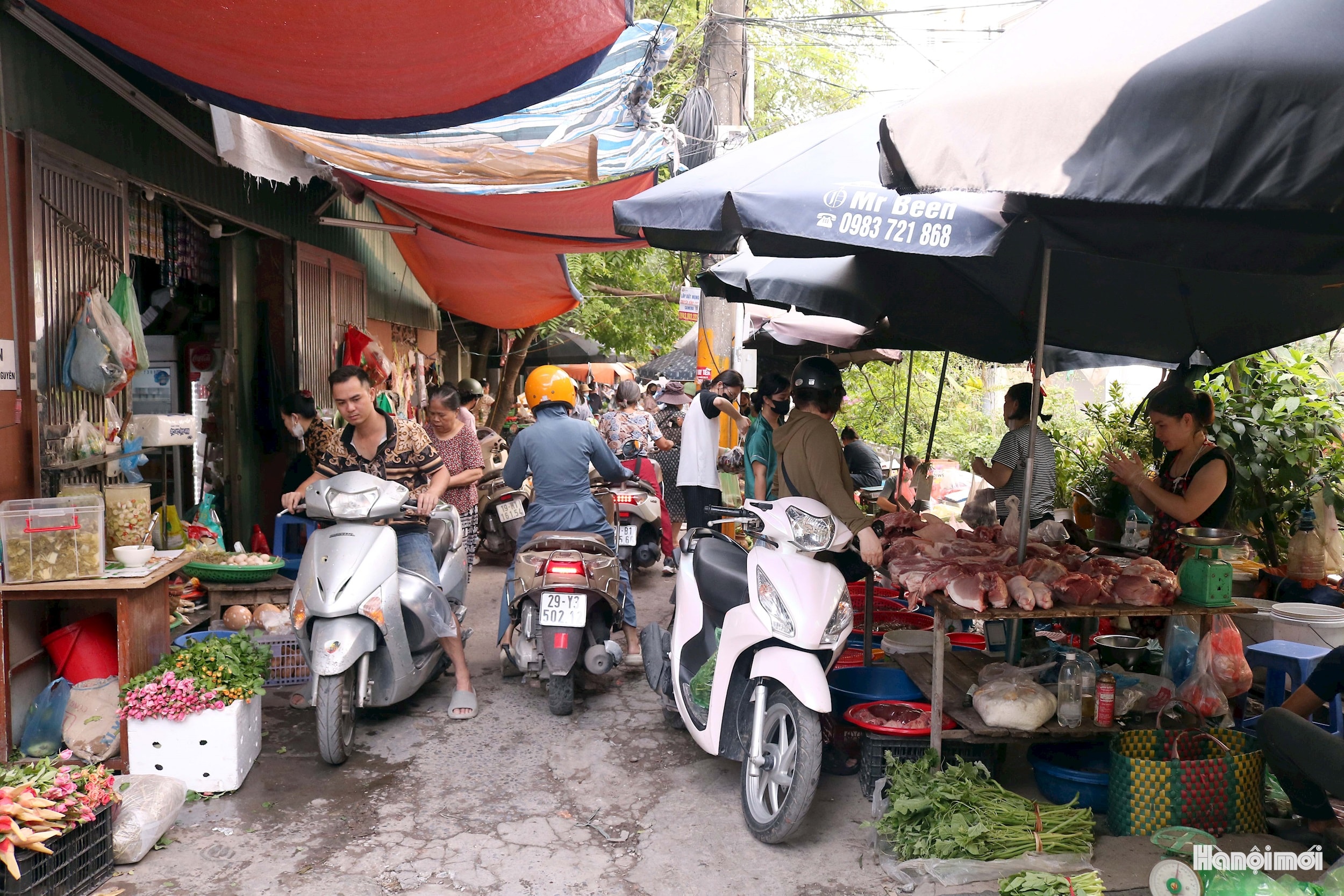
Besides environmental issues, the fact that the canal section has not been covered with culverts has led to some households encroaching on the canal bank to construct illegal structures. These violations are mainly concentrated at both ends of the canal section connecting Hoang Quoc Viet Street with the area bordering Starlake Tay Ho Tay.
According to Mr. Nguyen Duy Ha, Head of the Residents' Representative Board of the former Tu Liem District People's Committee residential area, the pollution in the canal has directly affected hundreds of households in Hoang 3 and Hoang 4 residential groups, as well as many nearby residential areas and apartment buildings such as the In Tai Chinh residential area, the Water and Environment Research Center residential area, the Armored Forces residential area, Chem Concrete apartment building, An Sinh housing area, and the Army apartment building.
“The residents have repeatedly petitioned the authorities, but the issue has not been resolved definitively because the canal was previously located in an area bordering several districts. Now that the city is implementing a two-tiered local government model with clearly defined boundaries, we hope that the ward and the city will soon invest in covering the canal and turning it into a road to definitively resolve environmental pollution and reduce pressure on Tran Cung Street, which is frequently congested,” Mr. Ha expressed.
Authorities intervened to address the issue and recommended investment in culvert construction.
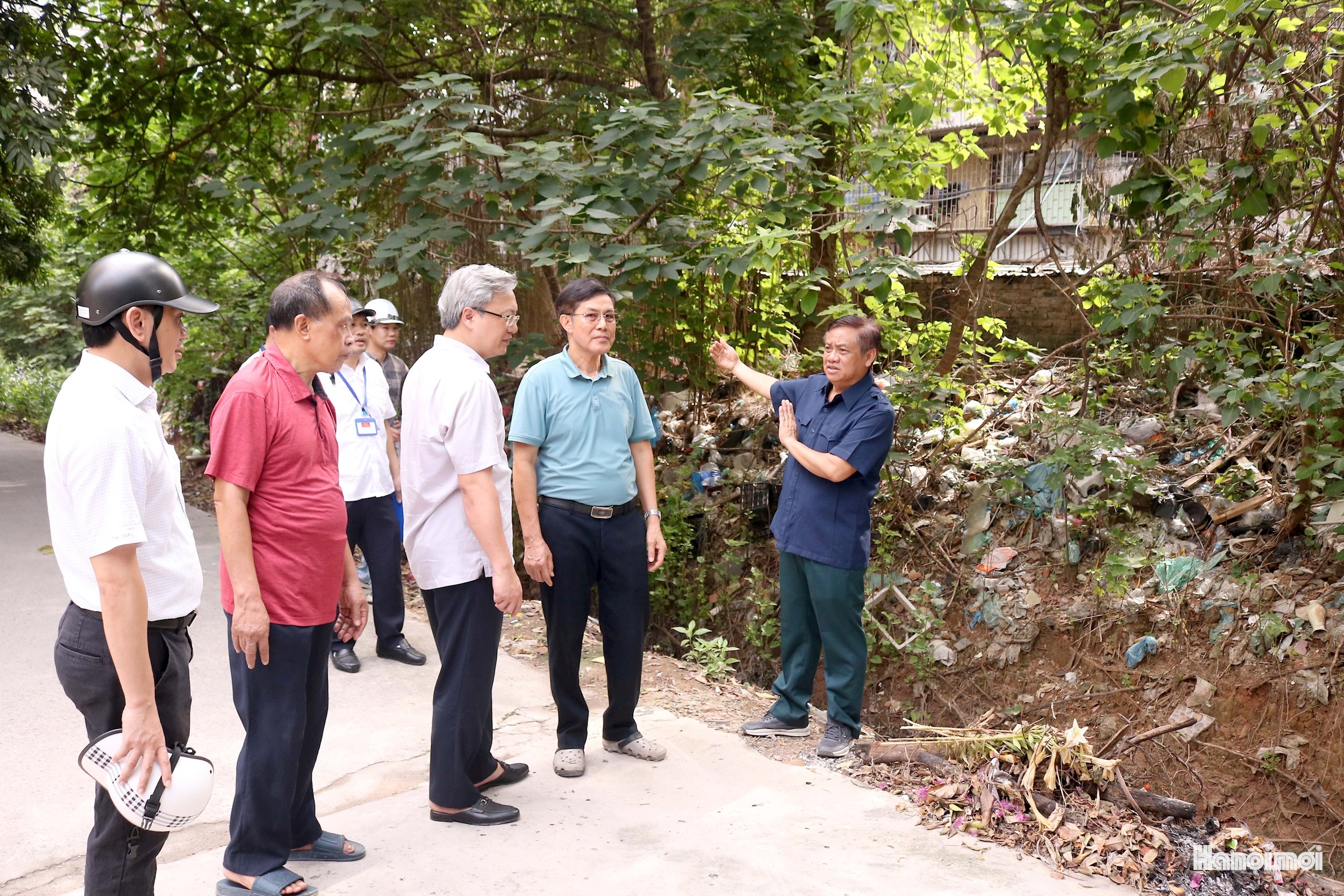
Following complaints from residents, the local authorities conducted an on-site inspection. Mr. Do Viet Hung, Chairman of the Nghia Do Ward People's Committee, stated that after the survey, the ward recognized this as one of the urgent issues that needs to be prioritized for resolution in order to improve the quality of life for residents and to help address environmental problems, flooding, and urban order issues in the area.
According to Mr. Do Viet Hung, the ward has requested the city to consider allocating public investment funds to expedite the implementation of the canal culvert project. Previously, the locality submitted Proposal No. 61 dated November 5, 2025, proposing the addition of 23 projects to the medium-term public investment list for the 2026-2030 period, including the road formed by culverting this canal section. After receiving the ward's proposal, the Department of Finance issued Document No. 1168/STC-HTĐT to guide the locality in implementing the next steps.
Alongside proposing infrastructure investment, Nghia Do ward is implementing immediate solutions to improve the area's environment. In June, the locality will organize the dismantling of four makeshift markets in the area, including an unauthorized market located along the canal. At the same time, the ward has requested specialized units including the Hanoi Center for Agricultural and Environmental Technology and Drainage Enterprise No. 2 - Hanoi Drainage Company to intensify the collection of accumulated waste, dredge the waterways, and ensure drainage capacity and environmental sanitation. The ward will take decisive action against any encroachment or illegal construction.
In reality, resolving the open drainage ditch issue is not only a desire of the people of Nghia Do but also an urgent requirement in the process of building a civilized and modern city. Residents hope that with the decisive involvement of the local government and the attention of the city, the project to cover the ditch will be implemented soon. When that happens, not only will the environmental pollution problem be solved, but the area will also have a new transportation route, contributing to urban beautification, improving the quality of life, and building a greener, cleaner, more beautiful, civilized, and modern capital city.
Source: https://hanoimoi.vn/muong-ho-gay-o-nhiem-khu-dan-cu-1119669.html
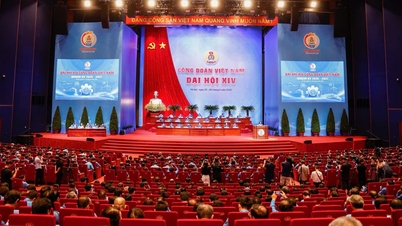
![[Photo] First session of the 14th Congress of the Vietnam Trade Union](https://vphoto.vietnam.vn/thumb/1200x675/vietnam/resource/IMAGE/2026/06/03/1780465947883_ndo_br_img-3852-jpg.webp)

![[Photo] General Secretary and President To Lam presides over a meeting with the Central Organizing Committee.](https://vphoto.vietnam.vn/thumb/1200x675/vietnam/resource/IMAGE/2026/06/03/1780482764658_a1-bnd-4741-3342-jpg.webp)
![[Photo] Secretary of the National Assembly Party Committee, Chairman of the National Assembly presides over the meeting of the Standing Committee and Executive Committee of the National Assembly Party Committee.](https://vphoto.vietnam.vn/thumb/1200x675/vietnam/resource/IMAGE/2026/06/03/1780480353201_ndo_br_bnd-2585-jpg.webp)




































![[Video] Sunset at Lap An Lagoon – Where the sun sets over the fishing nets](https://vphoto.vietnam.vn/thumb/1200x675/vietnam/resource/IMAGE/2026/05/31/1780192137701_beach-landscape-sea-water-nature-grass-745871-pxhere-com.jpeg)
























Comment (0)