

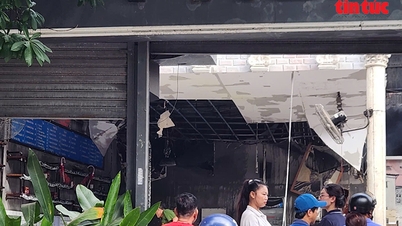
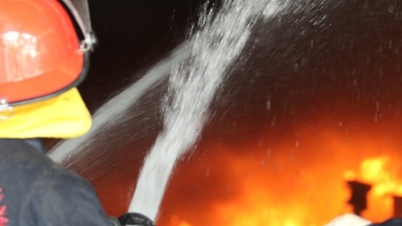
It is worth remembering that at approximately 6:30 PM on October 26th, a particularly serious fire occurred in Thanh Tri District ( Hanoi ), resulting in three deaths and one injury. According to authorities, the fire broke out at a scrap metal collection facility located in a residential area.
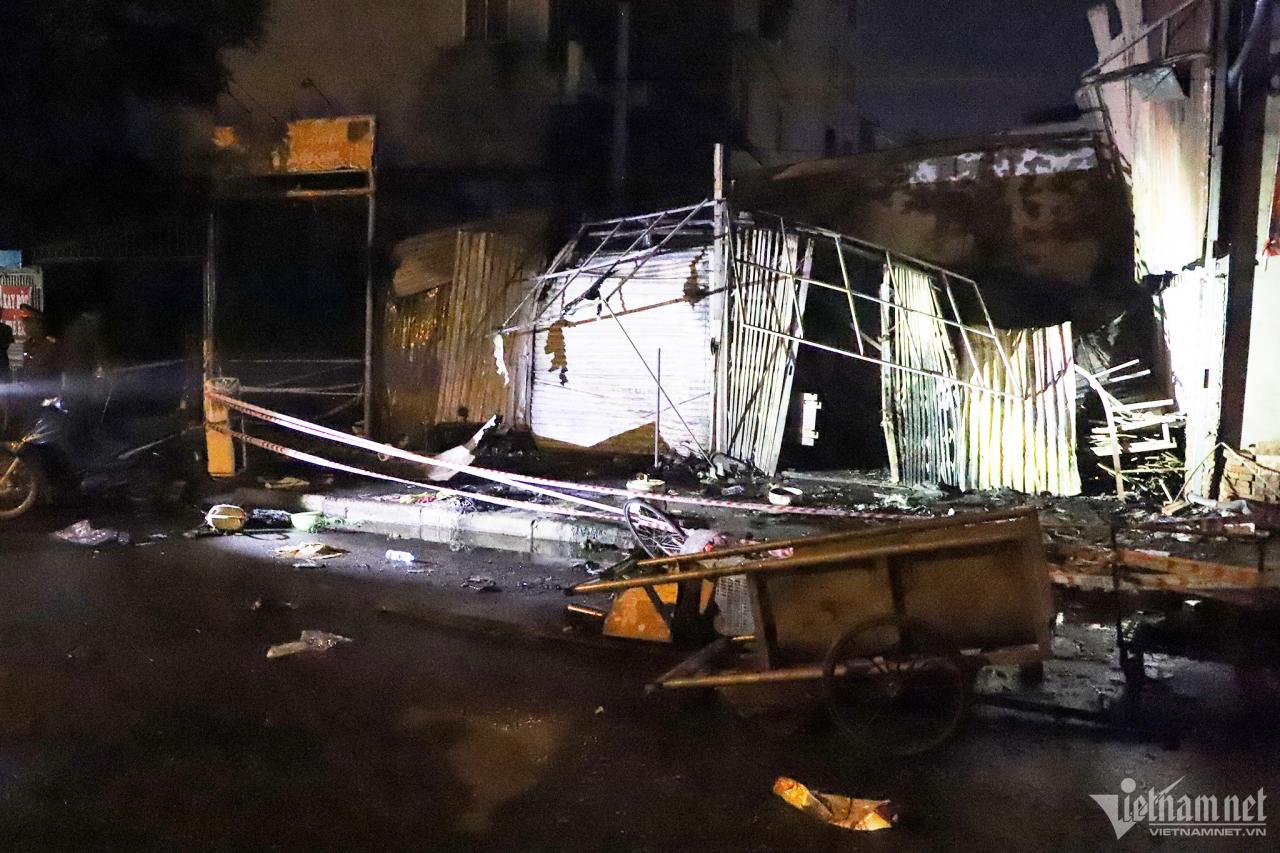
The cause of the fire was determined to be the owner's use of a specialized baling machine to compress scrap materials. During the baling process, the machine accidentally pressed against a hairspray can, leading to a large explosion, sparks, and a rapidly spreading fire.
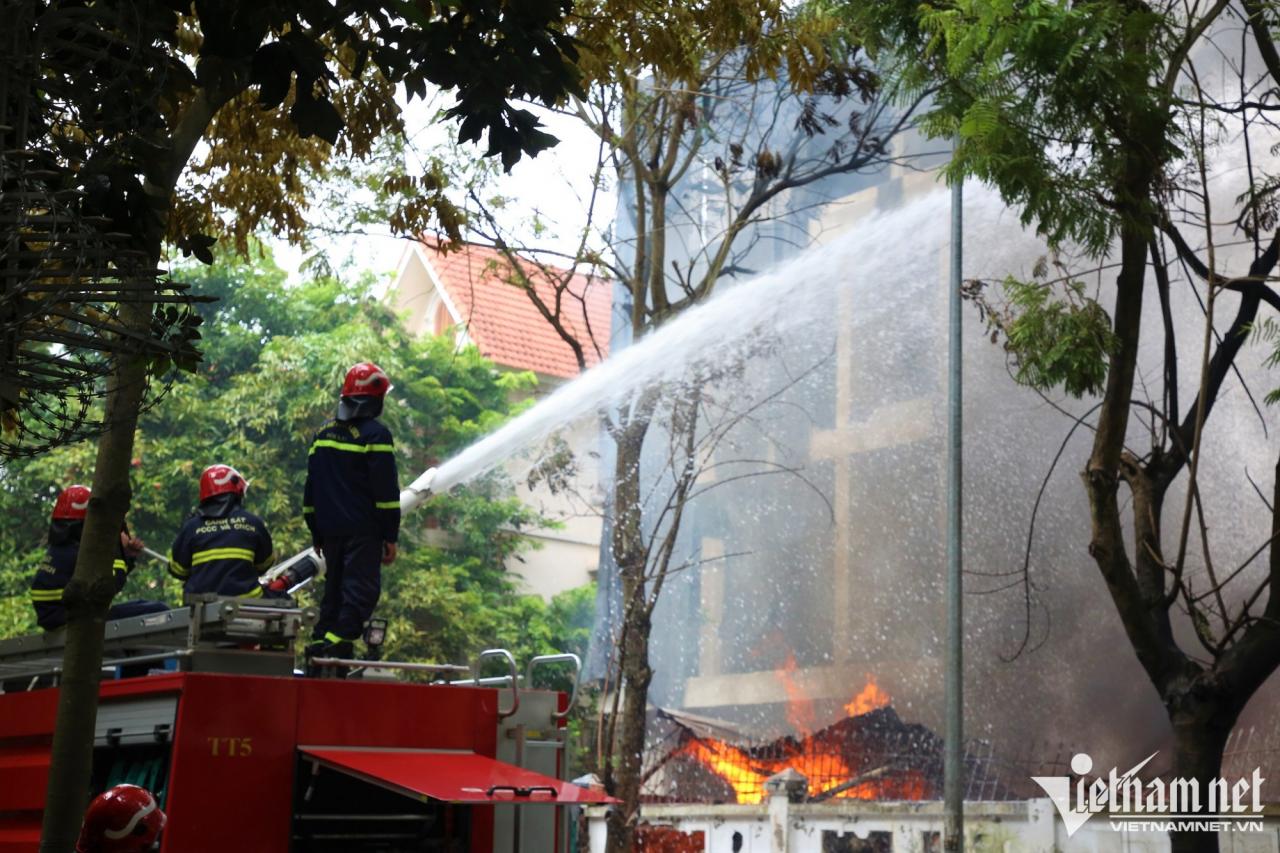
Earlier, on the morning of July 13th, a fire also broke out at a scrap metal collection yard in Nam Tu Liem district (Hanoi). While the incident did not cause any casualties, it destroyed four cars and motorbikes parked nearby.
These are just two of many fires that have occurred at scrap yards. This has raised alarm bells about the lack of fire safety at scrap collection facilities, especially those located in residential areas.
According to Mr. Bui Xuan Thai, an expert from the Vietnam Fire Prevention and Rescue Association, scrap metal collection facilities often lack adequate fire safety measures. Some facilities even use makeshift, substandard equipment, and the collection and recycling processes do not involve thorough sorting and inspection of materials, easily leading to fires and explosions.
Citing the fire in Thanh Tri district as an example, Mr. Thai explained that gas cylinders in general, and hairspray cans in particular, are designed on the principle of compressed air under pressure. Therefore, using hydraulic machines to roll or press these types of cans can easily cause them to explode.
"When a cylinder explodes, if it comes into contact with an electrical spark, it will cause a fire. In the fire that occurred in Thanh Tri district, the owner of the scrap metal collection facility may have been compressing many cylinders at once. During the compression process, the cylinders may have collided with each other, generating electrical sparks and causing the fire," Mr. Thai stated.
There are no regulations for disposing of gas cylinders when they expire.
Mr. Bui Xuan Thai stated that currently, Vietnam does not have any regulations requiring manufacturers or businesses to dispose of compressed air cylinders when they reach the end of their service life. In practice, the disposal of these products is handled by businesses themselves through agreements with purchasing units.
"The fire in Thanh Tri has taught us a profound lesson about waste disposal. Before processing these gas cylinders, facility owners need to thoroughly inspect them and release all the gas from the cylinders before compression," Mr. Thai advised.

Mr. Thai suggested that manufacturers of compressed air tanks should also have warning measures in place for purchasing units when liquidating their products.
In addition, the expert from the Vietnam Fire Prevention and Rescue Association also recommended that scrap metal collection facilities should be equipped with sufficient fire prevention and firefighting equipment and design additional escape routes in case of fire or explosion.
Source

![[Photo] Prime Minister Pham Minh Chinh presides over a meeting on private sector economic development.](/_next/image?url=https%3A%2F%2Fvphoto.vietnam.vn%2Fthumb%2F1200x675%2Fvietnam%2Fresource%2FIMAGE%2F2025%2F12%2F20%2F1766237501876_thiet-ke-chua-co-ten-40-png.webp&w=3840&q=75)
































































































Comment (0)