

National Assembly Deputy Nguyen Thi Yen Nhi ( Vinh Long ): Linking the results of resolving voters' petitions with the evaluation of officials.
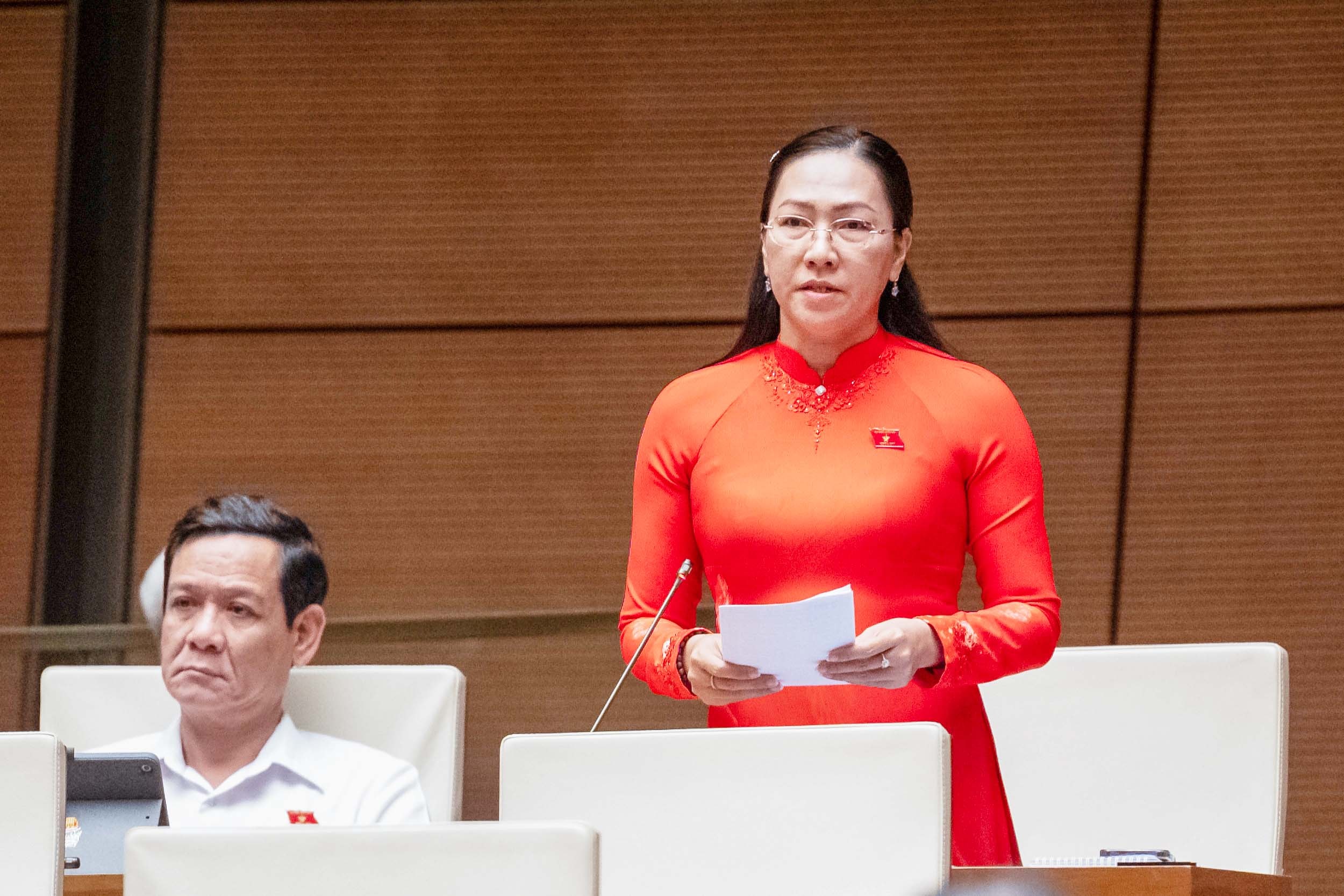
Regarding the results of monitoring the handling and responses to voters' petitions submitted to the Tenth Session of the 15th National Assembly , I highly appreciate that many pressing issues have been addressed, and many petitions have been responded to promptly, contributing to resolving difficulties for people and businesses, thereby strengthening voters' trust in the state apparatus.
However, there is still a delay in responding to voters' petitions, especially regarding complex issues involving multiple agencies, and some petitions have dragged on through several sessions without being definitively resolved. The quality of responses from some agencies is not high, particularly being too general, failing to directly address the issues of concern to voters, and lacking specific solutions and clear roadmaps.
On the other hand, some areas that voters have repeatedly petitioned about, such as environmental pollution, policies supporting farmers in agricultural production; transportation infrastructure; food safety and hygiene, counterfeit and substandard goods; harmful and toxic information on the internet; high-tech crime; wastefulness; and policies and regulations for grassroots officials, are still slow to be addressed or have not shown significant changes in practice, thus affecting people's lives.
I propose that the Government and relevant ministries and agencies continue to decisively direct the resolution of voters' petitions, ensuring that they are addressed within the correct timeframe and authority, and improving the quality of problem-solving.
In addition, it is necessary to innovate the way responses are given, focusing on clarity, specificity, and directly addressing the issues raised by voters, linking them to solutions, implementation timelines, and the responsibilities of each agency. For issues that cannot be resolved immediately, the reasons and expected timeframe for resolution should be clearly stated.
For outstanding and long-standing petitions, there needs to be a mechanism for reviewing, classifying, and resolving them definitively; inspection work should be strengthened to avoid the situation where many petitions are repeated multiple times. The results of resolving voters' petitions should be linked to the evaluation of officials, considering this an important criterion in assessing the level of task completion.
Voter petitions are the direct voice of the people, reflecting issues arising from real-life situations. Thoroughly and promptly addressing these petitions is not only an administrative responsibility but also a measure of the effectiveness of national governance and the closeness of the state apparatus to the people.
National Assembly Deputy Dang Thi My Huong (Khanh Hoa): Clarify the causes, determine the roadmap, and commit to the progress schedule.
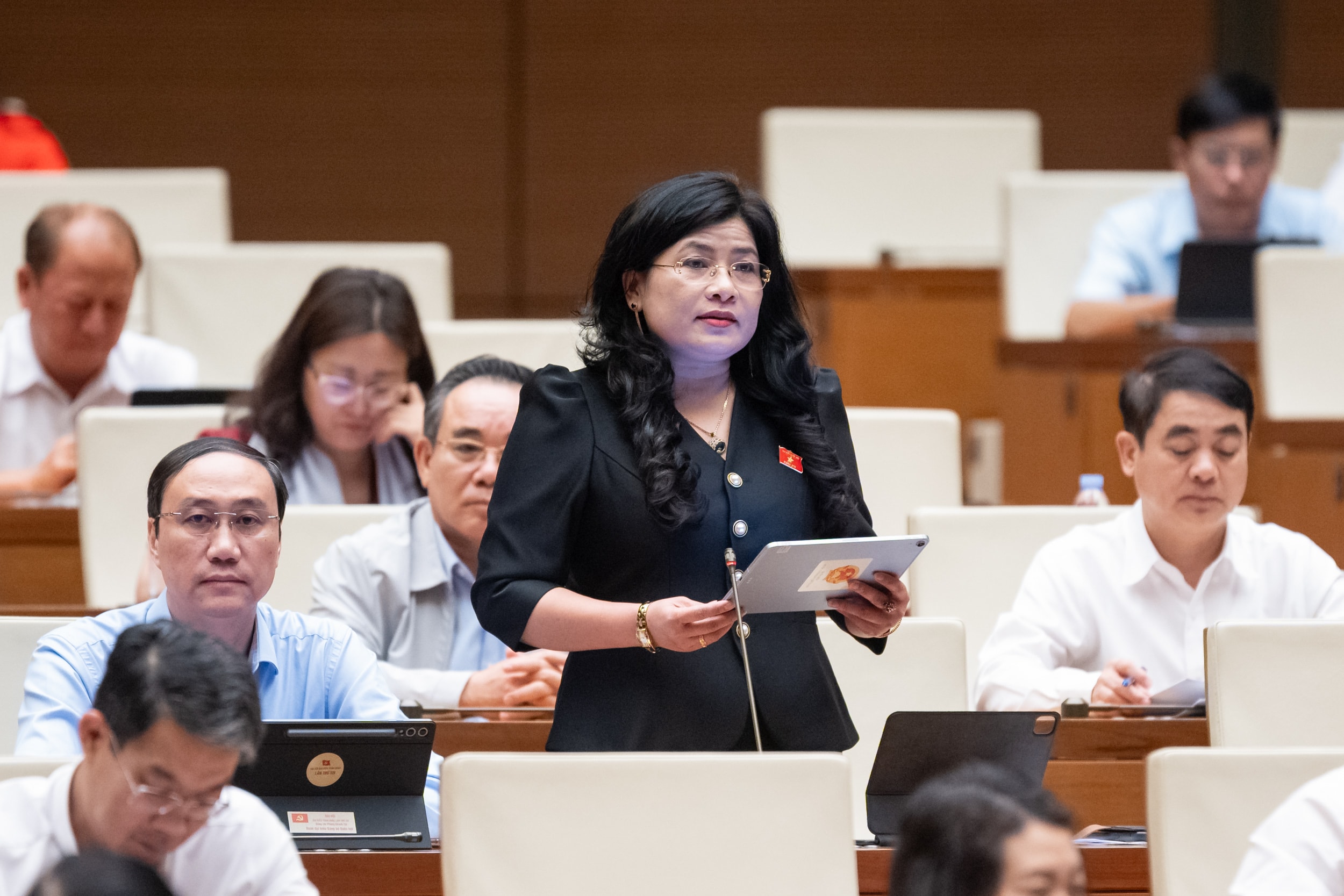
Regarding the quality of addressing and responding to voters' petitions, the report shows that, among the petitions that have been answered, 68% mainly involved explanations and information provision, while only about 12.8% were processed through specific measures such as policy issuance, inspection, and auditing. This indicates that a significant portion of voters' petitions have not been fully resolved.
Furthermore, the report notes that some recommendations are still being processed slowly and protractedly, and many recommendations are in the process of being addressed but lack a clear roadmap and completion timeline. For issues involving multiple sectors and fields such as land, construction, resources, environment, education and training, and resources for implementation, coordination in some cases remains inadequate, and the lead agency responsible for resolution is not clearly identified, leading to prolonged processing times.
Based on the issues mentioned above, I believe it is necessary to continue improving policies and laws on resolving voter petitions, focusing on enhancing quality and effectiveness, ensuring feasibility, and aligning with the actual conditions regarding resources and mechanisms for implementation. The mechanism for classifying voter petitions should be improved, clearly identifying which petitions can be resolved immediately, which require a roadmap, and which are long-term policy proposals. Furthermore, the progress and timeline for resolving voter petitions should be made more transparent; clearly stating the processing timeframe allows voters to monitor and supervise, thereby fostering consensus and understanding of the difficulties encountered during implementation.
Furthermore, further research is needed to quantify the accountability of those responsible, thoroughly address voters' concerns through evaluation, and implement comprehensive and objective measures tailored to the nature of each suggestion, available resources, and inter-agency coordination requirements. For issues that cannot be resolved immediately, the root causes should be clarified, a roadmap established, and a commitment to progress made, rather than simply providing general responses. Supervision should be strengthened, not merely addressing the issue once responses are given, but also monitoring the implementation of the responses and commitments made, especially in areas with many outstanding suggestions.
At the same time, it is necessary to regulate mechanisms to promote the application of information technology in monitoring and managing the resolution and response to voters' petitions; continue to improve the quality of responses in a clear, specific, and direct manner, linking them to solutions and implementation roadmaps; and strengthen coordination mechanisms between agencies, especially on inter-sectoral issues.
National Assembly Deputy Duong Khac Mai (Lam Dong): Consider classifying the results of voter petitions in a more specific way.
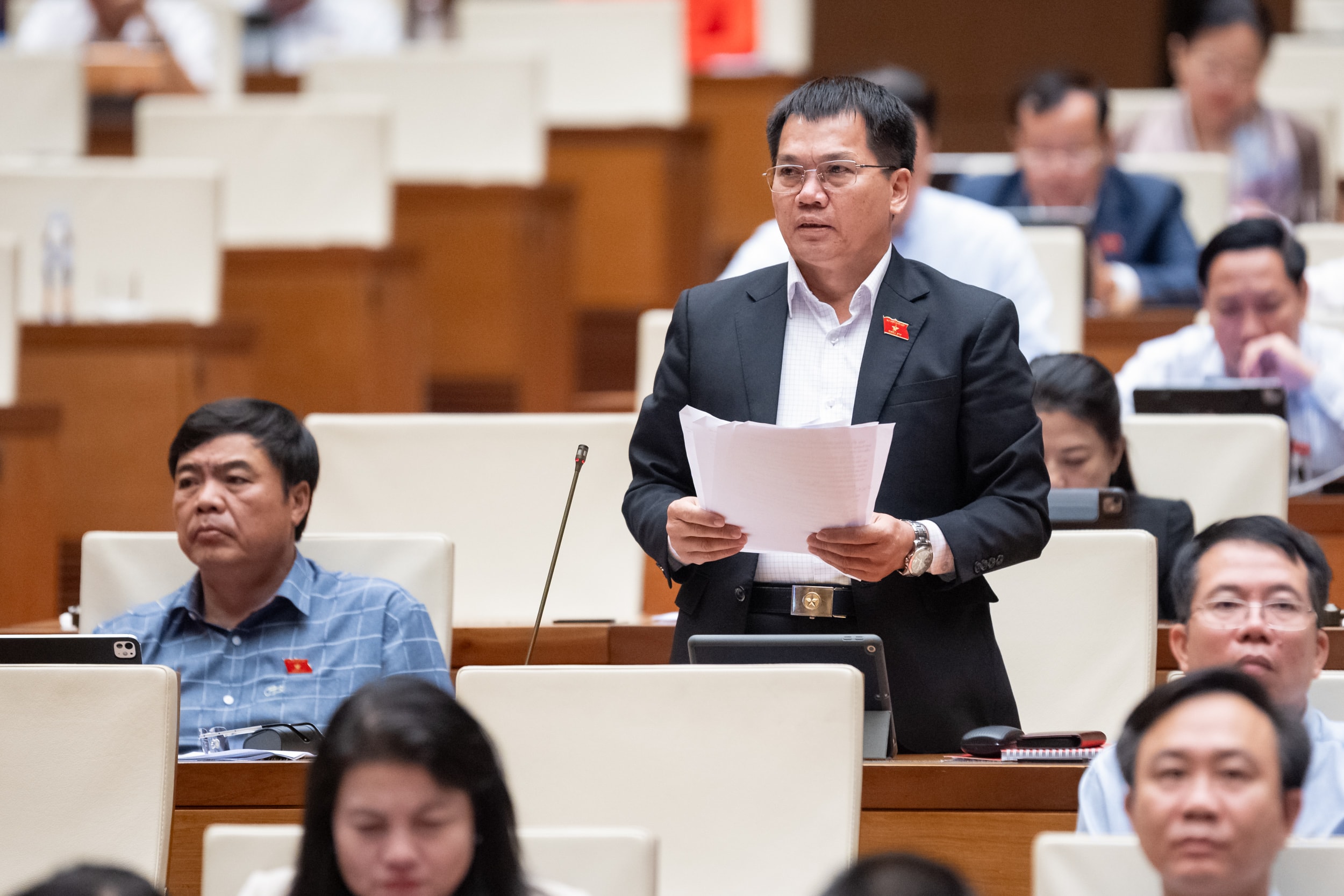
The process of receiving, forwarding, resolving, and responding to voters' petitions has continued to show many positive changes recently. Despite the large number of petitions, 98.6% have been resolved and responded to, demonstrating the efforts and determination of the National Assembly, the Standing Committee of the National Assembly, the Government, ministries, and relevant agencies in receiving and responding to voters' opinions and petitions.
The report also comprehensively reflected the areas of concern to voters, from policies on officials, civil servants, meritorious individuals, agricultural land, resources, environment, health, education, transportation, and construction. This shows that voter outreach and the compilation of opinions and recommendations are becoming increasingly practical and accurately reflect the issues that people care about. In particular, the report not only summarized the results but also pointed out some limitations such as vague responses, inconsistencies between some guiding documents and the law, and slow implementation of recommendations following oversight. I believe this is an appropriate approach, demonstrating a more substantive spirit of oversight.
However, as assessed in the Report, the handling and response to voters' petitions remain general and do not clearly demonstrate the state management responsibilities of ministries and agencies. Thus, it can be seen that many opinions and petitions from voters have not been addressed in a way that brings about concrete changes in policies, laws, or implementation, but have only gone as far as explaining information and current regulations.
In monitoring activities, relying solely on the criterion of "answered" does not fully reflect the quality of complaint resolution. While timely responses to some complaints are necessary, what is more important is the extent to which those complaints have been addressed and whether they have resolved the difficulties faced by citizens and businesses.
Therefore, I suggest that we consider categorizing the results of voter petitions in a more specific way, such as petitions that have been completely resolved; petitions that have been incorporated into policy amendments and improvements; petitions that have only reached the stage of explanation and information provision; and cases where the responses are incomplete or lack depth and focus. This approach will help to more accurately reflect the reality of resolving voter petitions and create a favorable basis for future monitoring activities.
Source: https://daibieunhandan.vn/hoan-thien-co-che-phan-loai-kien-nghi-cua-cu-tri-10415436.html




![[Image] Hanoi's urban life under the challenge of a "scorching hot" environment](https://vphoto.vietnam.vn/thumb/1200x675/vietnam/resource/IMAGE/2026/05/25/1779706979265_nang-nong-t5-2026-minh-duy-7-4636-jpg.webp)













































































Comment (0)