

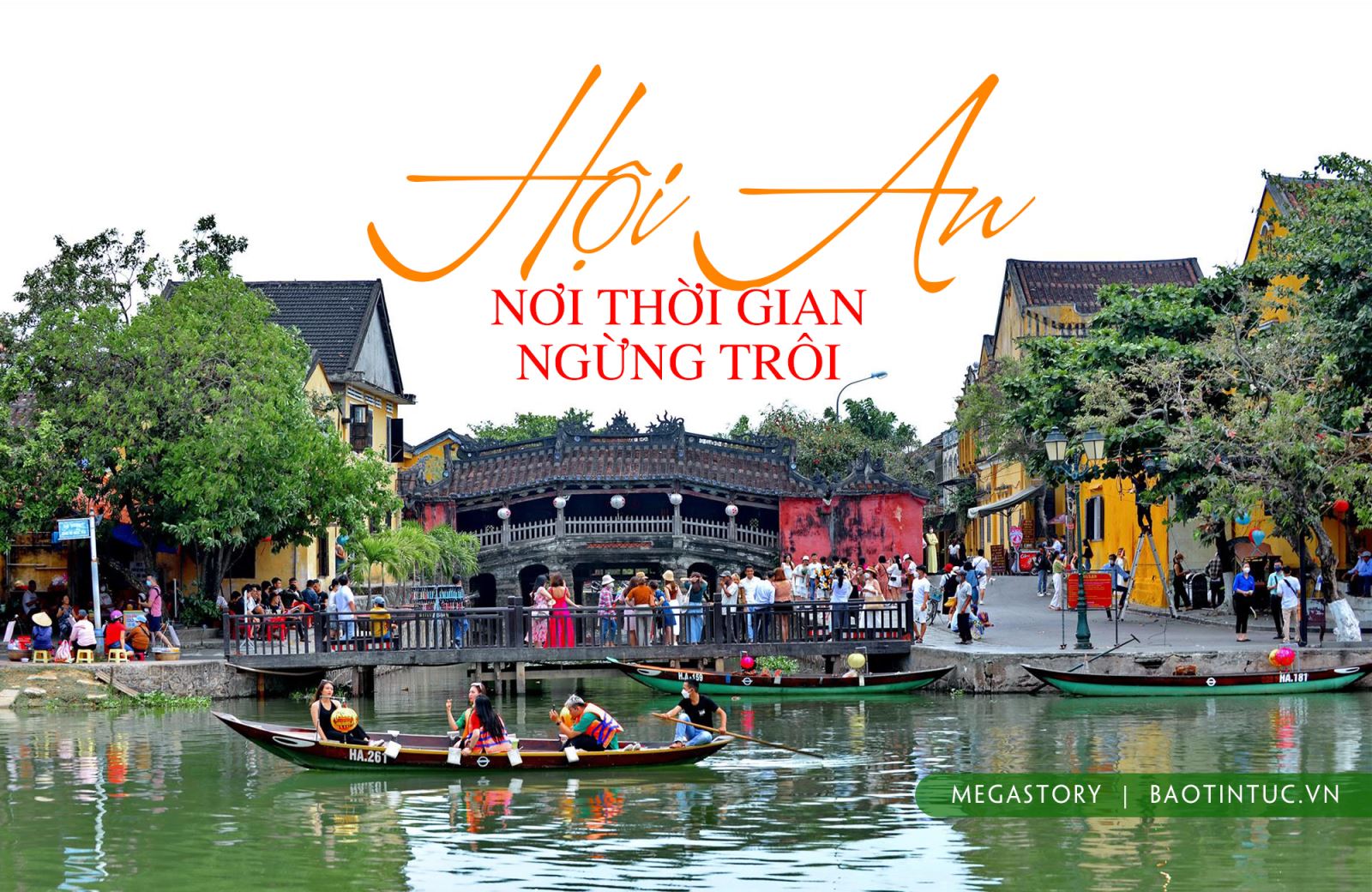
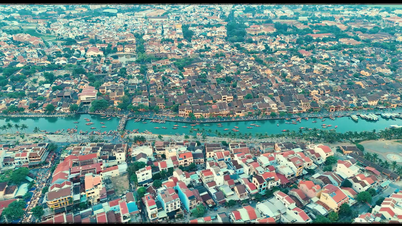
Nestled beside the picturesque Hoai River, the ancient town of Hoi An is a precious gem in the heart of Quang Nam province, preserving its timeless beauty and tranquility throughout the centuries. Recognized as a UNESCO World Heritage Site on December 4, 1999, Hoi An is not only a living museum of architecture and urban lifestyle but also a symbol of the unique East-West cultural fusion.
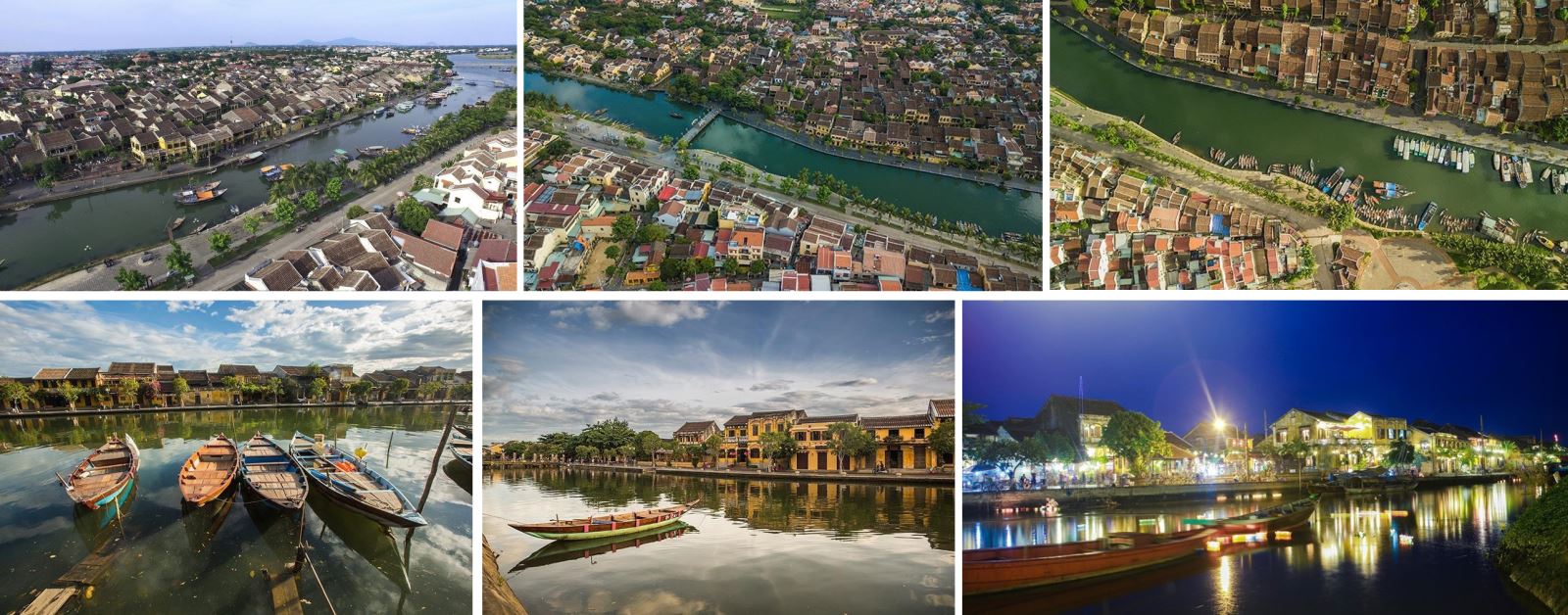
Established and developed since the 16th century, Hoi An was once one of the busiest international trading ports in the region. From the 16th century, merchants from China, Japan, the Netherlands, India, and Spain came here to trade goods. Therefore, the architectural works and cultural values of Hoi An ancient town reflect a convergence of many Eastern and Western cultures. This influence is still deeply imprinted on every yin-yang tiled roof, every small street, and every exquisitely designed Chinese assembly hall.
According to Mr. Pham Phu Ngoc, Director of the Hoi An Cultural Heritage Conservation Management Center (Quang Nam), Hoi An city has more than 1,400 classified relics, including 27 national-level relics, 49 provincial-level relics, and more than 1,330 relics on the city's protection list. The ancient town alone has 1,130 relics, including 9 individual relics classified at the national level and 8 at the provincial level. These architectural and artistic relics include civil works (houses, bridges, wells, markets), religious structures (communal houses, pagodas, mausoleums, shrines, assembly halls, ancestral churches), and unique structures (tombstones). Each architectural type has its own characteristics and nuances, but it is a harmonious combination of space, layout, and a skillful blend of Vietnamese, Chinese, Japanese, and Western architectural styles, contributing to the richness and diversity of the ancient town of Hoi An.
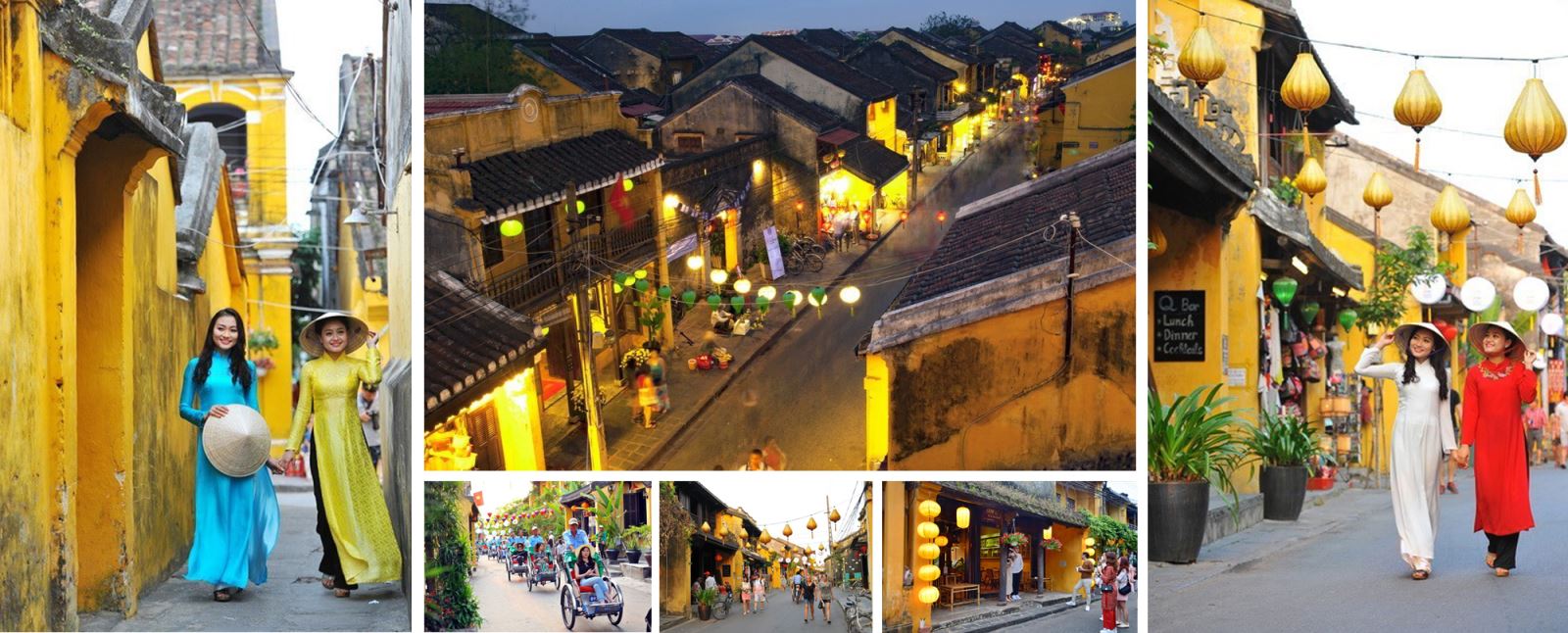
In contrast to the rapid modernization of many other cities, Hoi An leaves a lasting impression with its moss-covered roofs, ancient yellow walls, and shimmering lanterns. Stepping into this beautiful old town, one can deeply feel the diverse, artistic, and ancient blend of architecture reflected in the rows of closely packed houses, each showcasing the distinctive features of different cultures.
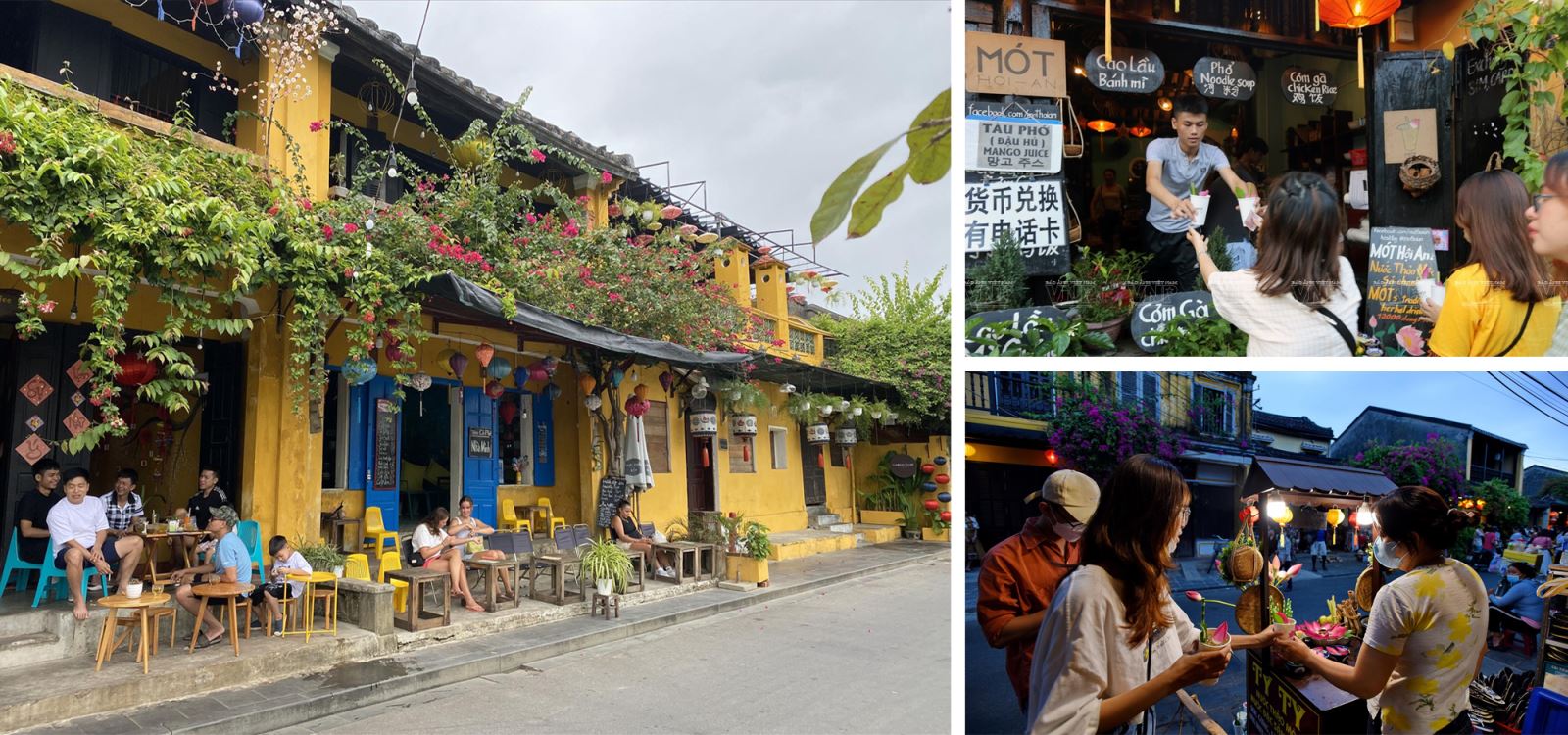
Hoi An is not only a living museum preserving ancient architectural values but also a vibrant cultural space. Customs, beliefs, and folk art such as Bài Chòi singing and Hò Khoan chanting on the Hoai River are still preserved, adding to the unique cultural beauty of Hoi An. Wandering through the narrow streets, you can easily find street vendors selling Cao Lau noodles, Quang noodles, and chicken rice – specialties imbued with the soul of Quang Nam province. Alongside these, handicraft shops selling products from traditional villages such as Kim Bong carpentry, Tra Que vegetable farming, or Thanh Ha pottery evoke memories of Hoi An as a bustling trading port, both ancient and full of life.
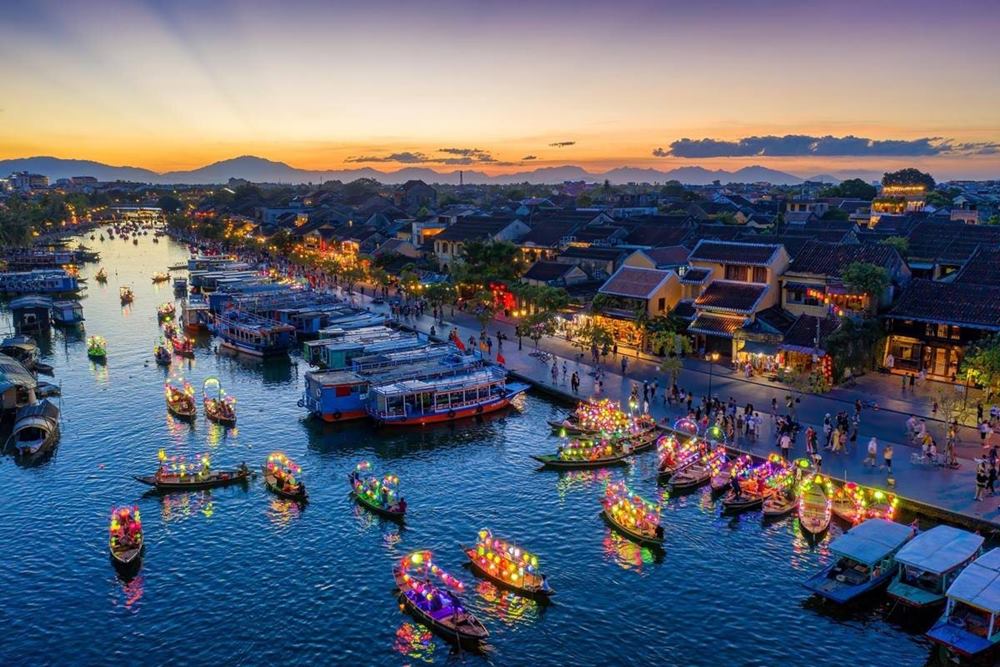
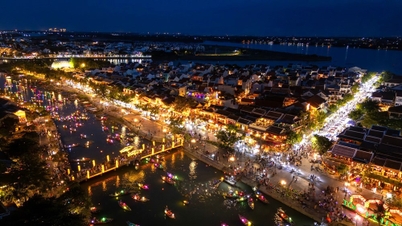
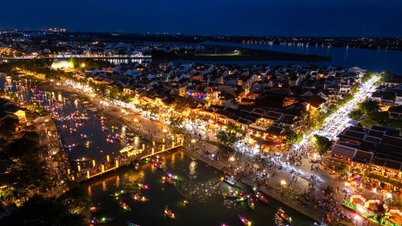
As night falls, Hoi An glows with the magical beauty of thousands of shimmering, colorful lanterns. Especially on the 14th day of the lunar month, the lantern festival transforms Hoi An into a magnificent, vibrant painting. A must-do experience when visiting Hoi An is releasing floating lanterns on the romantic Hoai River. Small boats glide gently, carrying the soft light of the lanterns, carrying hopes and wishes along the water. For the locals, releasing lanterns is not only a beautiful ritual but also a way to dispel worries and find peace and happiness.
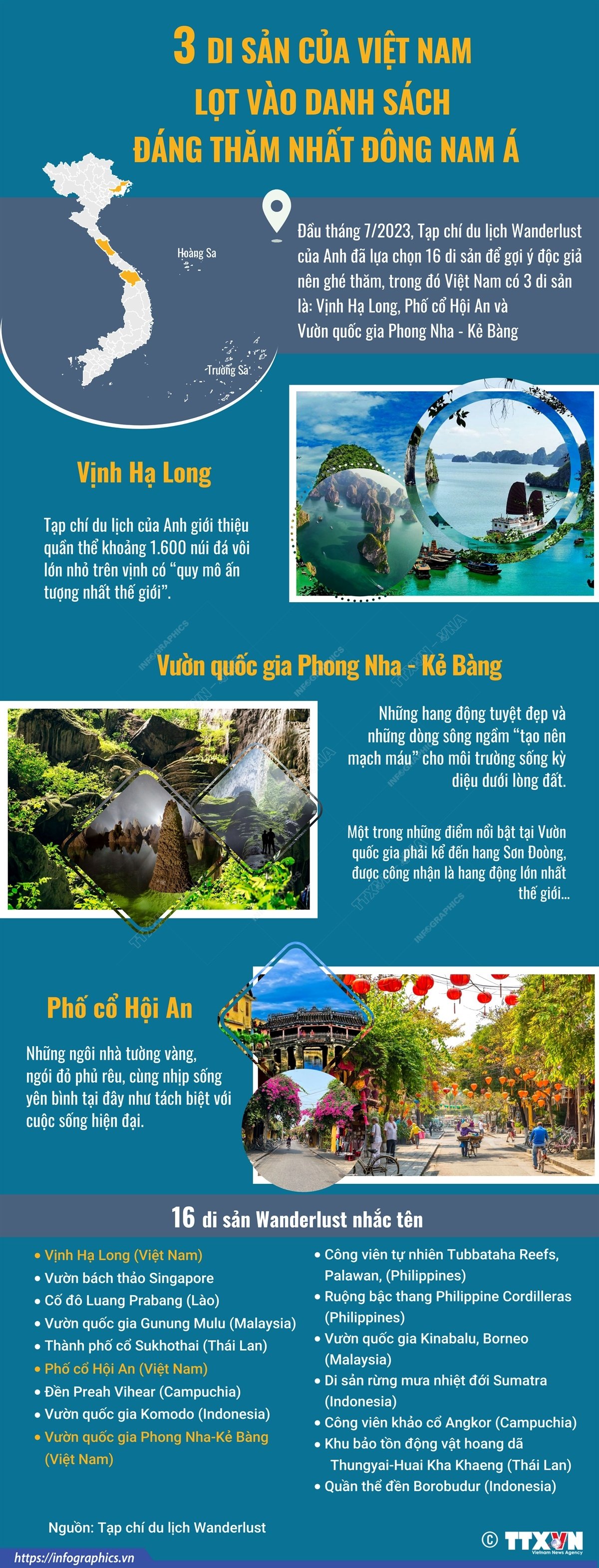
With its unique values, the ancient town of Hoi An was classified as a national historical and cultural relic by the Ministry of Culture in 1985, a special national relic by the Prime Minister in 2009, and recognized as a World Cultural Heritage site by UNESCO in 1999.
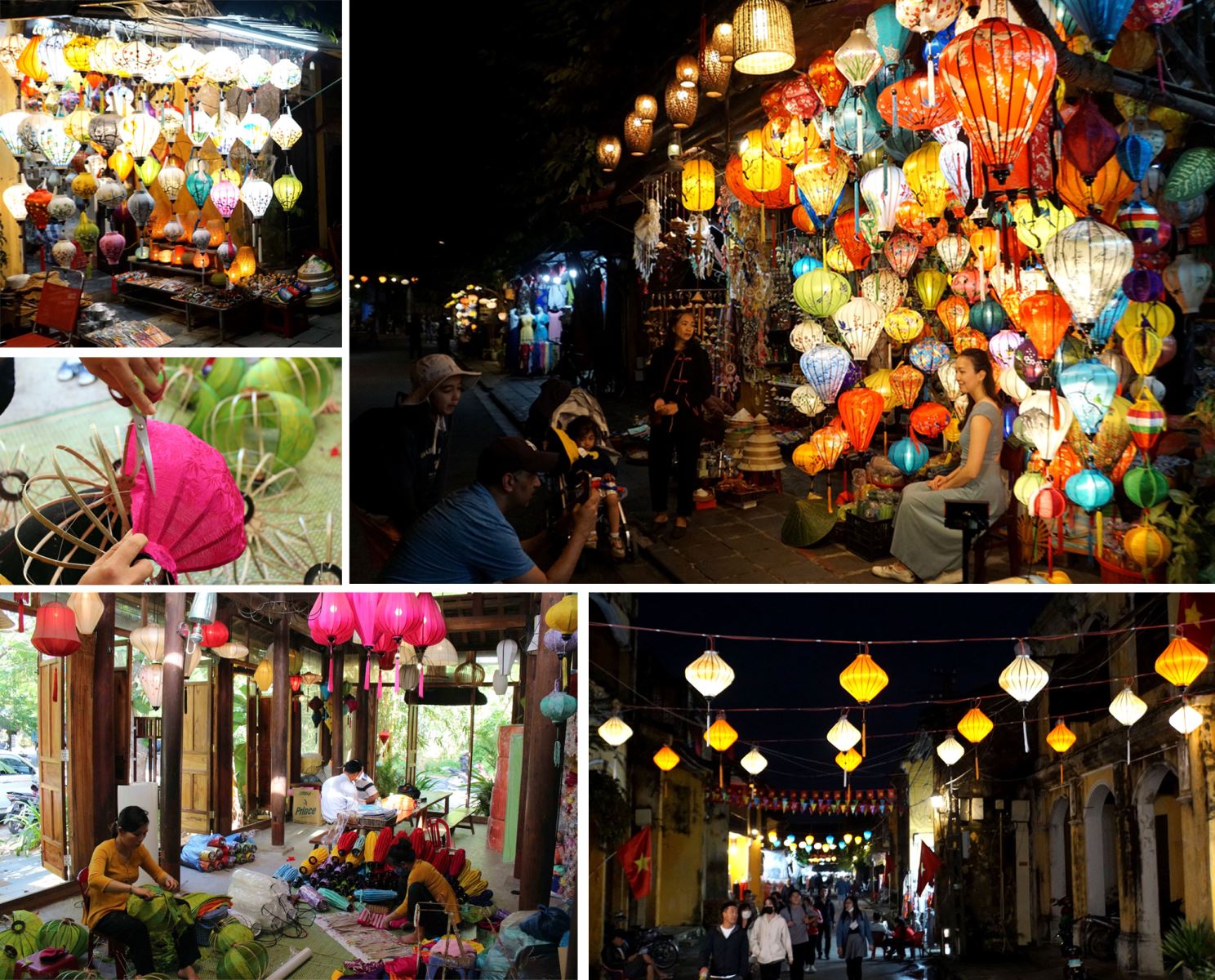
Over the years, Hoi An has consistently affirmed its position in the hearts of both domestic and international tourists. The number of tourists, especially international visitors, to Hoi An has grown strongly in recent years, demonstrating the irresistible appeal of this heritage site. In 2019 (before the COVID-19 pandemic), Hoi An welcomed 5.35 million tourists . After three years of being affected by the COVID-19 pandemic, the number of visitors to Hoi An gradually recovered and reached 4 million in 2023.
Hoi An has also consistently won prestigious titles such as "Asia's Leading Cultural City Destination" (World Travel Awards), "World's Best Tourist City" (Travel + Leisure)... At the World's Best Awards 2024, Hoi An ranked 4th in the list of 25 most loved cities in the world and 3rd in the list of 25 most loved cities in Asia…
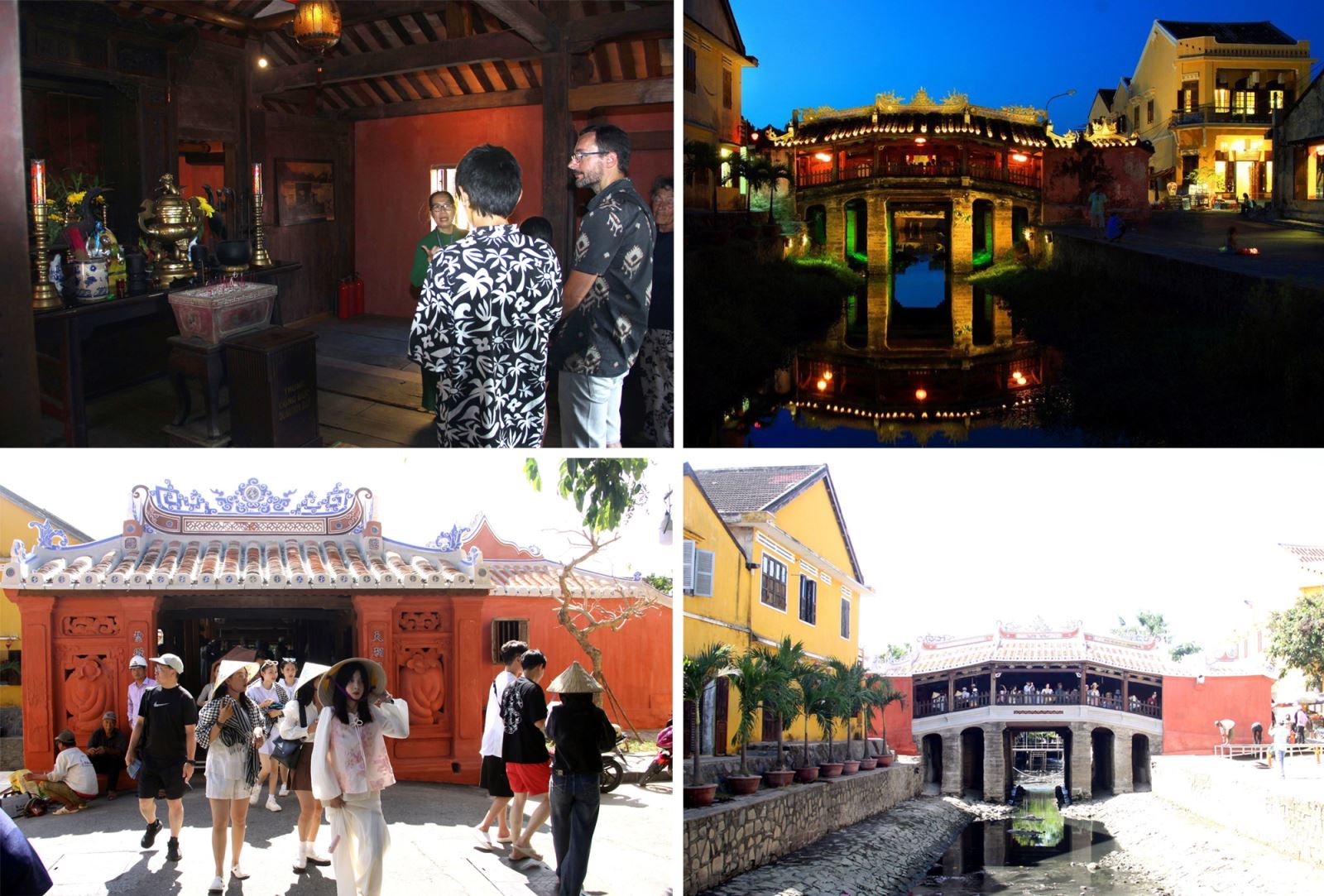
Since its recognition as a World Heritage Site, numerous large-scale conservation programs have been implemented in the ancient town of Hoi An. Currently, the Hoi An Ancient Town World Heritage site is managed strictly according to legal regulations, with the coordinated participation of the central government, Quang Nam province, and Hoi An city.
The restoration of historical relics has always been a top priority in the conservation strategy. According to statistics, from 2008 to the present, more than 400 relics have been restored with funding exceeding 150 billion VND, including both state budget funds and community contributions. The "Emergency Restoration Project for Relics at Risk of Collapse" alone has saved hundreds of ancient houses, helping to preserve the appearance of Hoi An for generations.
Important tangible relics such as the Japanese Bridge, Tan Ky ancient house, and Chinese assembly halls are being meticulously restored, managed, and protected, linked to long-term plans to ensure their integrity and historical value. The government is also implementing digital technology in record keeping and digitizing relic data to enhance monitoring and preservation efficiency.
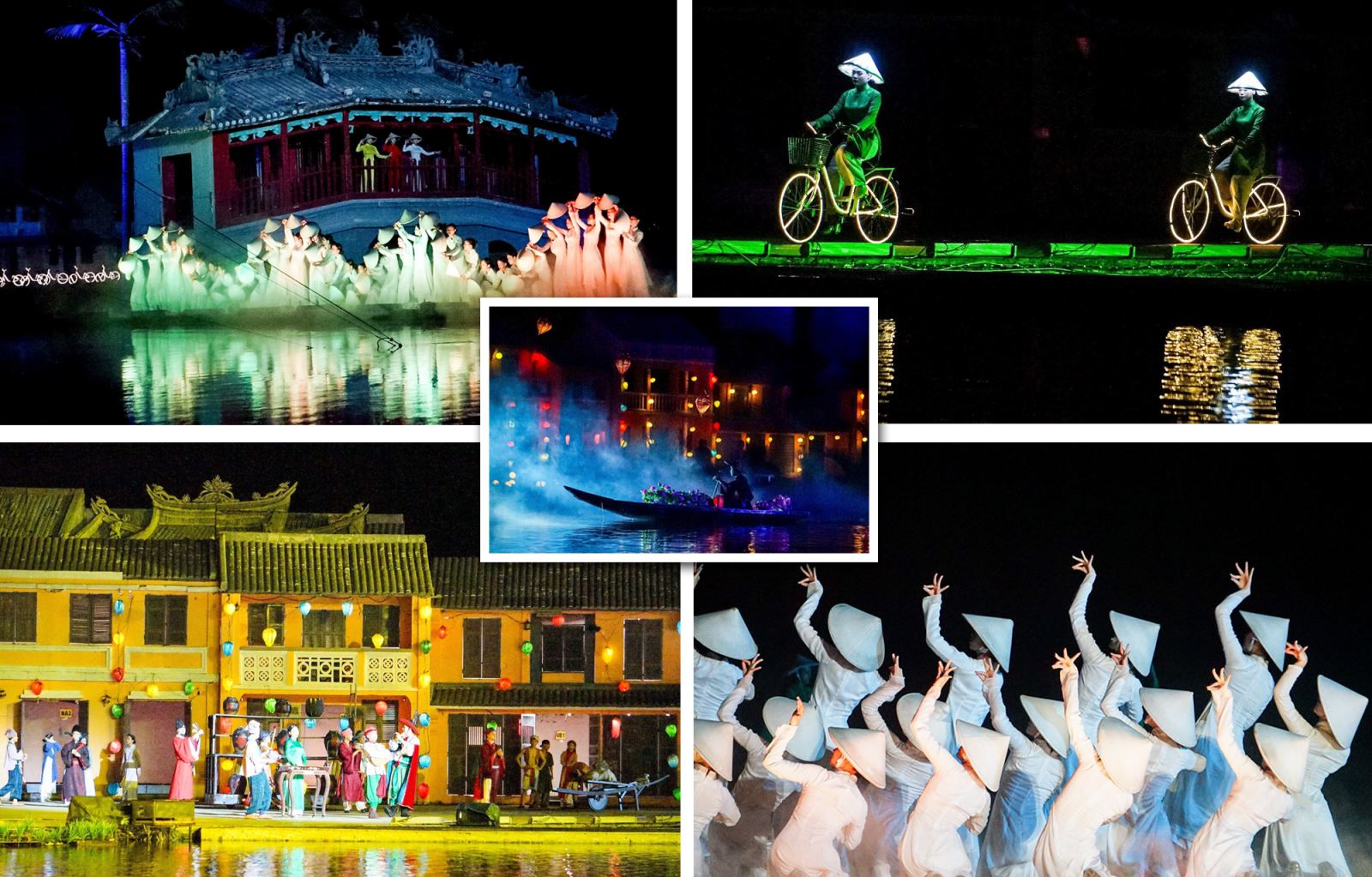
Besides tangible relics, intangible cultural values are also carefully preserved. Traditional festivals such as the lantern festival and Bài Chòi singing are regularly held, becoming a distinctive feature of this region. Customs, traditions, and folk arts are still preserved by the people through generations, bringing vitality to the heritage. Traditional craft villages such as Kim Bồng carpentry, Thanh Hà pottery, and Trà Quế vegetable farming have not only been restored but have also become cultural tourism destinations, creating livelihoods for local people.
The local community plays a central role in preserving Hoi An. It is the people themselves who have integrated the heritage into their daily lives, from maintaining ancient houses to developing eco-tourism. Programs such as "Old Town Night," "Pedestrian Street," and the night market have become highlights, attracting tourists while promoting the culture.
Hoi An is moving towards a sustainable tourism development model. The city has implemented initiatives such as using electric vehicles in the old town, reducing plastic waste, and encouraging tourists to participate in environmental protection activities. The Vietnamese government and international organizations have also implemented many support projects such as establishing conservation funds, organizing scientific workshops, and training programs to raise awareness…
Nevertheless, Hoi An still faces pressures from population issues, population density and composition, a rapidly increasing and difficult-to-control number of tourists in the urban area, especially in the old town, and the negative impacts of rapid urbanization and the development of tourism and services, which have seriously affected the integrity and authenticity of its cultural heritage…
In that context, in March 2024, the People's Committee of Quang Nam province developed and submitted to the Government for promulgation the "Project for the preservation and promotion of the value of the Hoi An Ancient Town World Cultural Heritage site until 2030, with orientation to 2035".
The project emphasizes the principle of preserving the authenticity and integrity of the heritage, while harmoniously addressing the relationship between preservation and development. The goal is to build Hoi An into an ecological, cultural, and tourist city that both preserves its identity and effectively exploits the economic potential of its heritage.
In particular, the plan focuses on protecting not only the Old Town but also traditional craft villages, the Thu Bon River delta, and the Cu Lao Cham World Biosphere Reserve. These natural and cultural elements are considered a protective buffer zone, helping Hoi An develop sustainably.
The specific goal by 2030 is to complete 100% of the restoration work on dilapidated relics and to create complete scientific documentation for all tangible and intangible cultural heritage. By 2035, Hoi An will expand its heritage protection area, ensuring the integrity and outstanding universal value of the ancient town.
The city also aspires to become a leading cultural and eco-tourism center in the region, integrating digital technology into tourism management and experiences. In particular, Hoi An will continue to promote international cooperation in heritage research and conservation, expanding opportunities to showcase its image to the world.
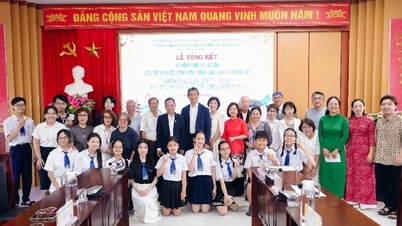
To commemorate the 25th anniversary of Hoi An Ancient Town being recognized as a World Heritage Site (December 4, 1999 – December 4, 2024), the People's Committee of Hoi An City (Quang Nam province) has issued a plan to organize many commemorative activities from November 23 to December 4, 2024. Notable activities include a seminar on "The renowned figure Dang Huy Tru and Hoi An," a seminar on "Milestones on the journey of preserving and promoting the cultural heritage of Hoi An Ancient Town," an exhibition of photographs titled "Hoi An Ancient Town World Heritage Site – 25 years of preservation and promotion," and a competition titled "We and our heritage"... These commemorative activities aim to comprehensively assess the results of managing, preserving, and promoting the value of the world cultural heritage; acknowledge the efforts of the political system and the people in preserving the heritage, along with the support of domestic and international friends. To honor and encourage organizations, individuals, and all sectors of society to work together to preserve cultural heritage; and to promote the dissemination, introduction, and widespread promotion of cultural heritage values.
Twenty-five years is a long journey filled with efforts to preserve and promote the value of heritage. With the joint efforts of the community, the government, and international friends, Hoi An is not only a source of pride for the Vietnamese people but also one of the cultural symbols of humanity. Its timeless beauty, the harmonious blend of architecture and culture, and the continuous efforts in preserving and promoting its heritage have kept Hoi An shining. Whether you visit for the first time or have returned many times, Hoi An always offers unforgettable emotions, a place where everyone can find peace, nostalgia, and the beautiful values of national culture.
Article by: Minh Duyen
Photo and graphics: VNA
Editor: Ky Thu
Presented by: Ha Nguyen
Source: https://baotintuc.vn/long-form/emagazine/hoi-an-noi-thoi-gian-ngung-troi-20241122224910013.htm
![[Photo] Opening Ceremony of the National People's Council Conference on the Implementation of Directions and Tasks for the 2026-2031 Term](https://vphoto.vietnam.vn/thumb/1200x675/vietnam/resource/IMAGE/2026/05/28/1779939257690_ndo_br_bnd-1991-jpg.webp)



![[Image] Checking the security conditions at the exam site, ready for the 10th grade exam.](https://vphoto.vietnam.vn/thumb/1200x675/vietnam/resource/IMAGE/2026/05/28/1779943458889_z7872507660648-d764421a26e8cd7b61d70d142a48a685-jpg.webp)
















































































Comment (0)