

Alarming revelations from seemingly insignificant habits.
At 2 AM, many student dormitories are still brightly lit. In cramped rooms, many young people continue to stare at their phones and laptops after hours of studying and working part-time. Staying up late, skipping meals, relying on fast food, energy drinks, or social media are gradually becoming a familiar part of today's youth lifestyle. More worryingly, many consider this normal, even viewing lack of sleep and working through the night as a sign of energy and effort. But behind this lifestyle are health risks silently accumulating day by day.
 |
| Staying up late is gradually becoming a habit among young people. |
For Tran Le Khanh Ngoc (born in 2006, Ha Dong ward, Hanoi ), sleeping only a few hours a day used to be commonplace. Attending school during the day, working part-time in the evening, and staying up late at night to complete assignments often left her body exhausted, with headaches and difficulty concentrating.
“I used to think that staying up a little late was okay when you were young. It wasn't until I experienced low blood pressure and fainted in class after a sleepless night that I truly became scared,” shared Tran Le Khanh Ngoc. After her hospitalization, the student began to change her lifestyle, balancing her studies and rest. However, not everyone recognizes the warning signs from their body early on.
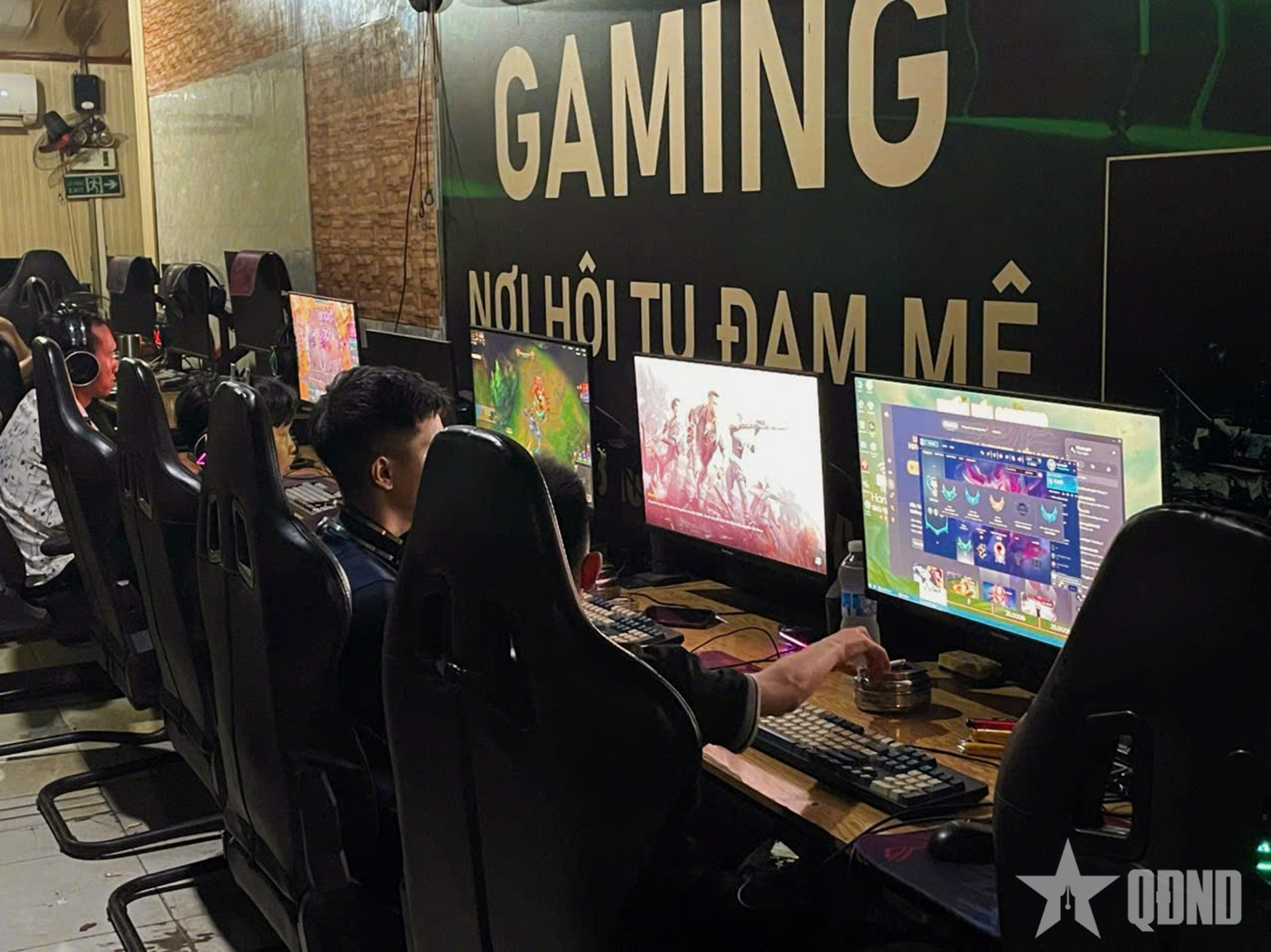 |
| The internet cafe was still crowded with young people playing games even late at night. |
Furthermore, based on our observations at many internet cafes operating overnight, the sight of young people playing games and browsing social media until 4-5 am before going to school or work is no longer uncommon. This prolonged lack of sleep leads to frequent fatigue, impaired memory, difficulty concentrating, and increased stress and irritability. These stories serve as a warning to many young people who are neglecting self-care.
It is necessary to develop a healthy lifestyle from an early age.
According to the report "Digital Life of Vietnamese People" published by Q&Me, over 51% of young people aged 18 to 29 spend more than 3 hours a day on social media. Meanwhile, the average internet usage time for Vietnamese people is currently around 7 hours per day. Much of that time is directly "cut" from sleep and rest time.
Furthermore, at the concluding workshop of the Sports for Public Health Cooperation Initiative, the World Health Organization (WHO), along with health and education experts, warned about the "inactivity crisis" among Vietnamese youth. According to the WHO, 87% of Vietnamese teenagers do not meet the recommended level of physical activity, increasing the risk of obesity, cardiovascular disease, diabetes, and mental health problems. The WHO also stated that adults should consume at least 400g of fruits and vegetables daily, but Vietnamese people only consume about 231g.
These figures show that an unscientific lifestyle is no longer an isolated phenomenon but is becoming an alarming reality among a segment of today's youth, especially students and young workers.
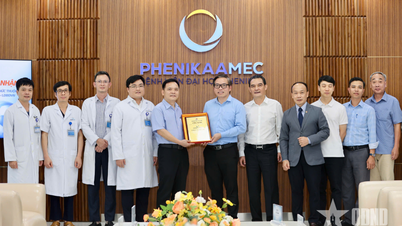
According to Master Hoang Quoc Lan, a psychology expert at Phuong Dong General Hospital (Hanoi), staying up late, not getting enough sleep, and having irregular sleep patterns are becoming increasingly common among young people. The causes stem not only from academic and work pressure but also from the significant influence of social media and electronic devices. Many students maintain late-night habits to complete assignments, work part-time, or relax after a stressful day. However, when the biological clock is constantly disrupted, the body struggles to recover energy, which can negatively impact memory, psychology, and mental health in the long run.
 |
| Dr. Hoang Quoc Lan, a psychologist at Phuong Dong General Hospital (Hanoi), shared his opinion on the unhealthy lifestyles of young people today. |
"Initially, many people think that staying up late or skipping meals is just a temporary habit. But if it continues, the effects on physical and mental health will become more apparent," commented Master Hoang Quoc Lan.
To eliminate unhealthy habits, experts recommend that young people proactively build a healthy lifestyle from an early age, maintain reasonable sleep schedules, limit phone use before bedtime, eat a balanced diet, increase physical activity, and balance studying, working, and resting.
Furthermore, individuals, families, schools, and society as a whole need to pay more attention to the mental and physical health of young people and students today. At the same time, schools and local authorities should strengthen propaganda and guidance on healthy life skills, preventing young people from being drawn into a cycle of pressure and negative lifestyle habits.
Youth is the most energetic period of life, but it's also the time when many people tend to be careless about their health. Sleepless nights, hasty meals, or overuse of social media may not have immediate consequences, but they are silently eroding physical and mental health every day. Don't wait until your body "speaks up" with warning signs before young people realize that health is something that cannot be sacrificed.
| Tran Le Khanh Ngoc (born in 2006, Ha Dong ward, Hanoi) shared about her health crisis. |
Source: https://www.qdnd.vn/van-hoa/doi-song/hoi-chuong-canh-bao-cho-loi-song-thieu-lanh-manh-1041818


![[Photo] General Secretary and President To Lam presides over a meeting on preparations for the review of one year of operation of the three-tiered government system.](https://vphoto.vietnam.vn/thumb/1200x675/vietnam/resource/IMAGE/2026/06/02/1780391821195_a1-bnd-4595-9717-jpg.webp)





























![[Image] Affirming the aspirations and new standards of the Vietnamese real estate market in the new era.](https://vphoto.vietnam.vn/thumb/1200x675/vietnam/resource/IMAGE/2026/06/03/1780441948766_giai-thuong-bat-dong-san-2026-minh-duy-6-7364-jpg.webp)





























































Comment (0)