

What are the four largest freshwater lakes in the northern mountainous region?
In fact, when people think of freshwater lakes in the mountains, they often picture small, tranquil natural pools. However, in Northern Vietnam, there are historically significant projects that have transformed raging rivers into freshwater lakes nestled high in the mountains. Each lake is a unique ecosystem, a story of heroic history, and an invaluable source of livelihood for millions of people.
1. Thac Ba Lake ( Lao Cai ): The birthplace of Vietnam's hydropower industry and the "Ha Long Bay in the mountains".
Ranked second on the list of the largest artificial freshwater lakes in Vietnam, Thac Ba Lake is a great source of pride for the former Yen Bai region, now Lao Cai province. This project, created by damming the Chay River, was officially completed in 1971, marking the birth of the first hydroelectric power plant in our country.
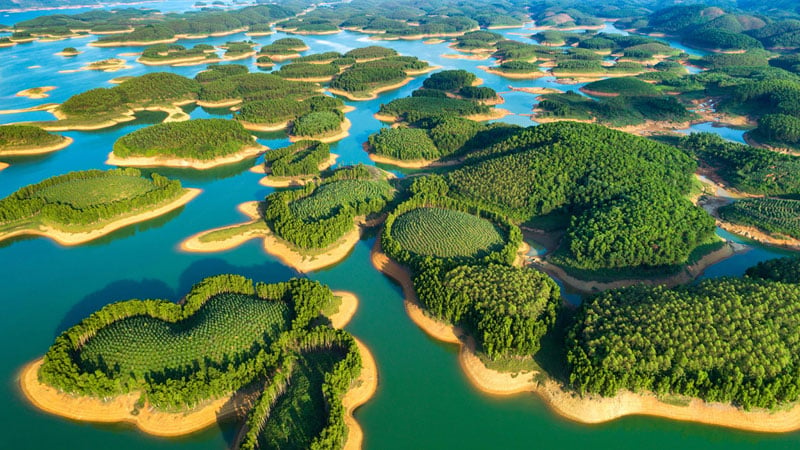
Spanning a vast area of 234 km² (approximately 23,400 hectares), the lake stretches for about 80 km with an average depth of 46-58 m. Its enormous capacity of 3 to 3.9 billion cubic meters of water not only serves for electricity generation but also regulates the microclimate for a large region.
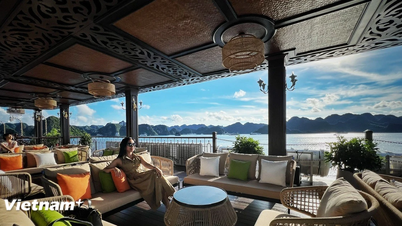
What truly captivates travelers about Thac Ba Lake is its scenery, often likened to a "Ha Long Bay in the mountains" of the Northwest region. Scattered across the clear blue water are more than 1,300 islands of varying sizes, covered in lush green vegetation.
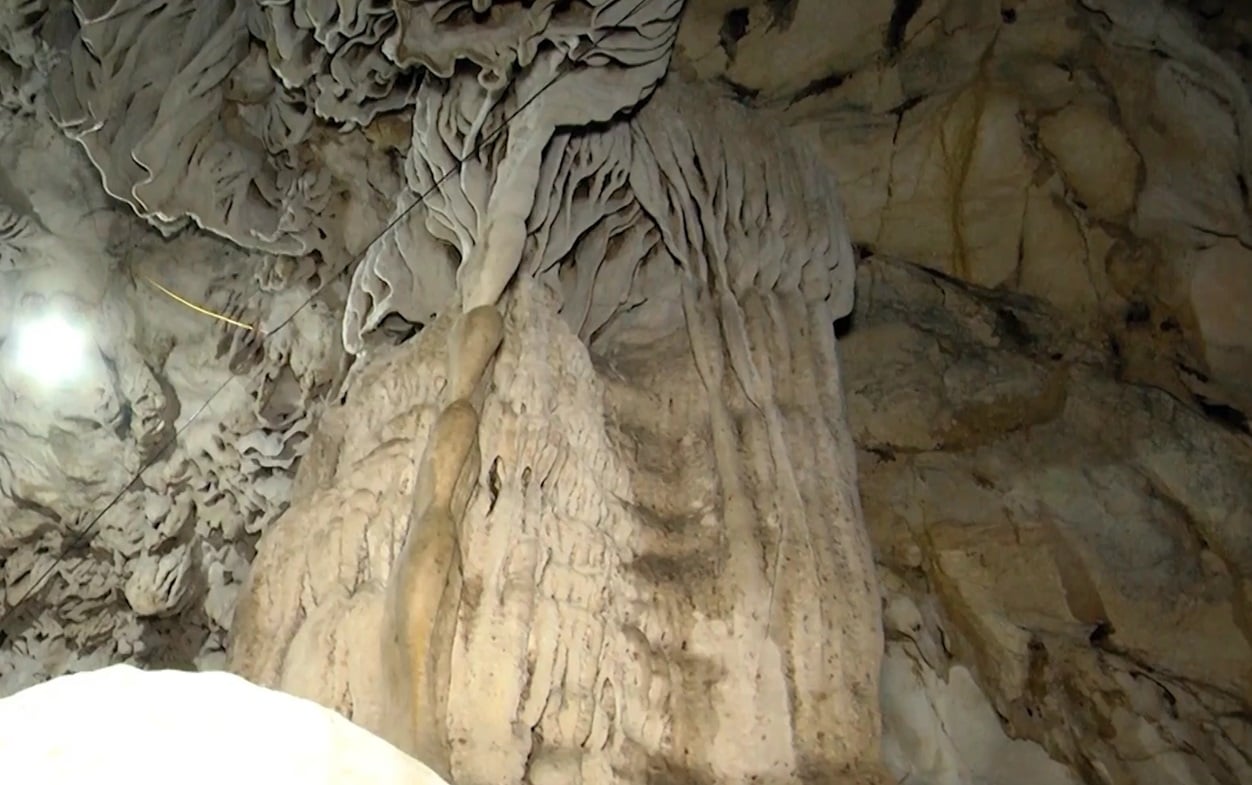
Hidden deep within the limestone mountains bordering the lake is a mysterious cave system, bearing the marks of time and folk legends, such as Thuy Tien Cave and Xuan Long Cave, with countless shimmering, magical stalactites. While cruising on the lake, visitors can also easily visit the famous Luc Yen gemstone market.
More than just a man-made wonder, the area around Thac Ba Lake is also a melting pot of diverse cultural identities of ethnic minority groups such as the Tay, Nung, Dao, and Cao Lan.
Visitors can stay in peaceful villages, enjoy local cuisine , and pay respects at the sacred Thac Ba Mother Goddess Temple, a National Historical Monument. Currently, the area is being systematically planned to become a National Tourist Area, offering a range of high-class experiences such as cruises, kayaking, and long-distance trekking.
2. Son La Lake (Son La): An epic on the Da River and a symbol of energy security.
Continuing our journey along the once-turbulent Da River, we will be overwhelmed by the grandeur of Son La Hydroelectric Reservoir – the third largest artificial lake in Vietnam.
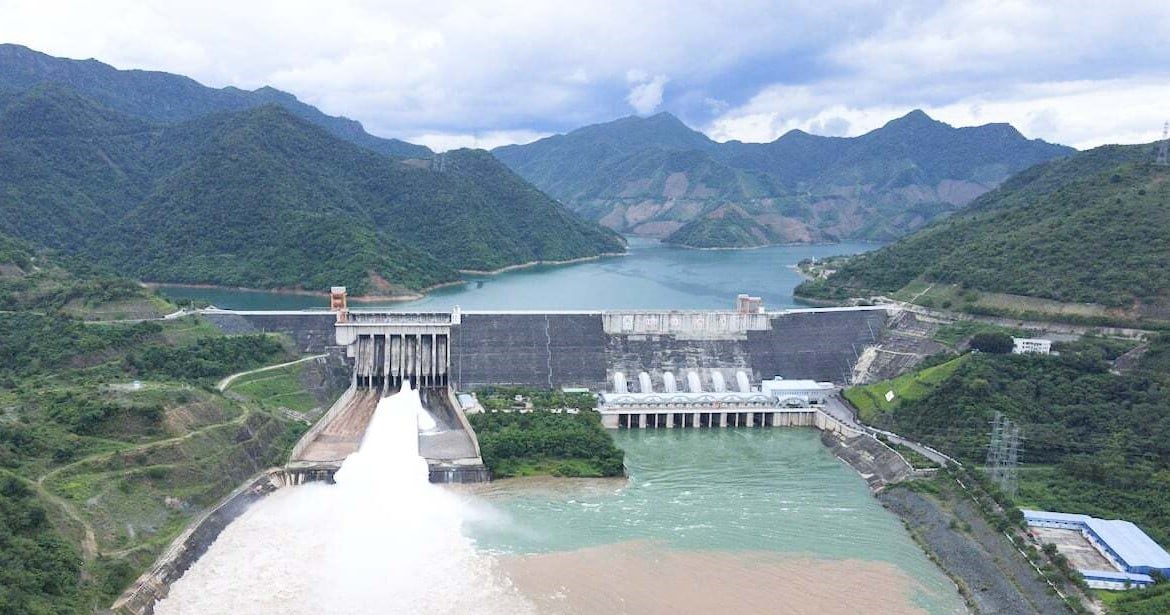
The reservoir, built on the Da River in Muong La commune, Son La province, covers an area of 224 km², with a length of 175 km from the dam to Muong Lay ward, Dien Bien province.
This is the reservoir of the Son La Hydropower Plant – the largest hydropower project in Southeast Asia, a multi-valued "gem" that brings four core strengths to the Northwest region: energy security, hydrological regulation, aquaculture, and tourism development. With a 138.1m high gravity concrete dam applying the world's leading advanced roller-compacted concrete (RCC) technology, the plant has 6 generating units with a total installed capacity of 2,400 MW, providing billions of kWh of electricity every year.
From a hydrological perspective, Son La Lake boasts a storage capacity of up to 9.26 billion cubic meters, playing a crucial role in effectively controlling floods in the Northern Delta during the rainy season and providing vital irrigation water during the dry season.
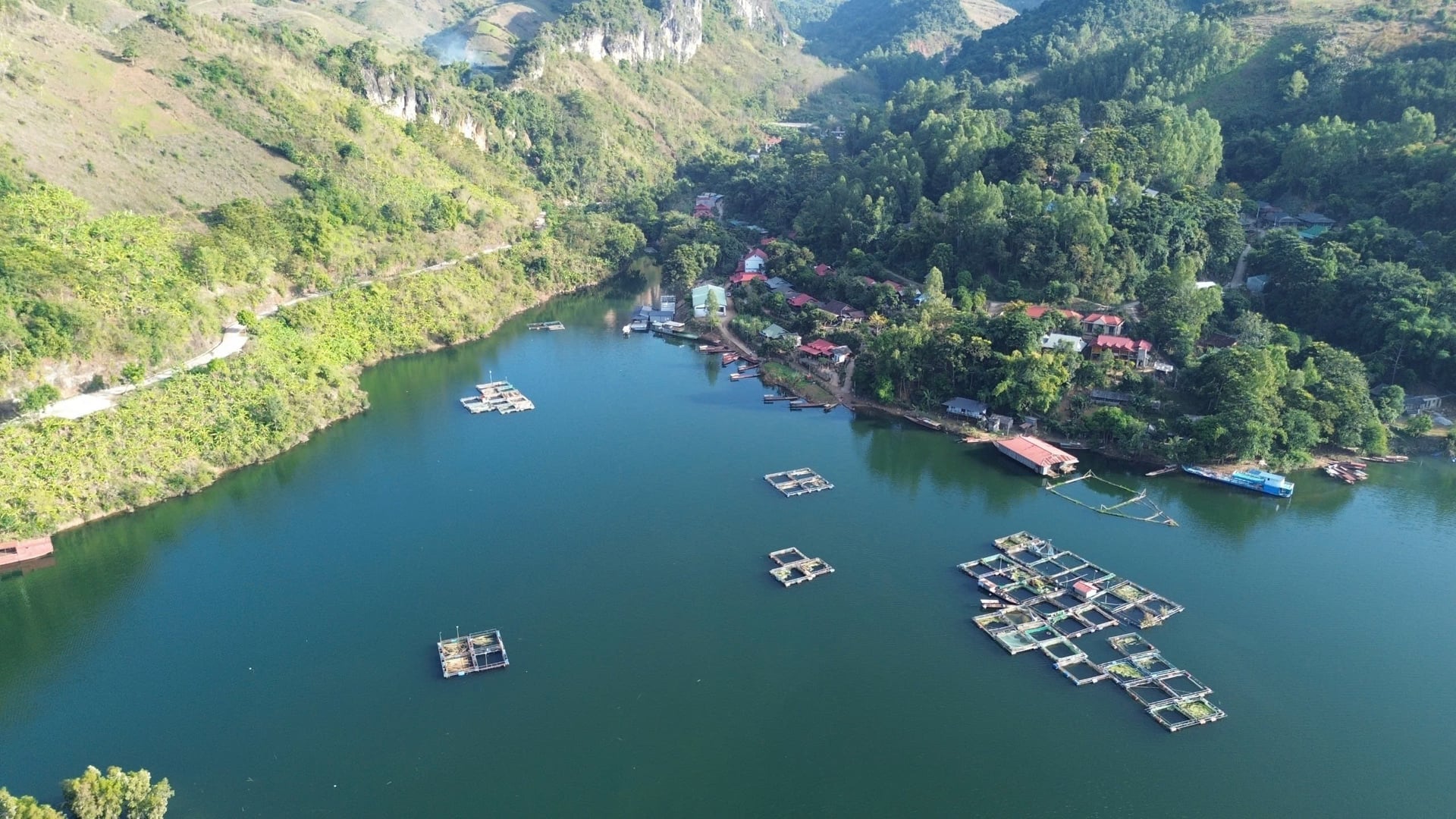
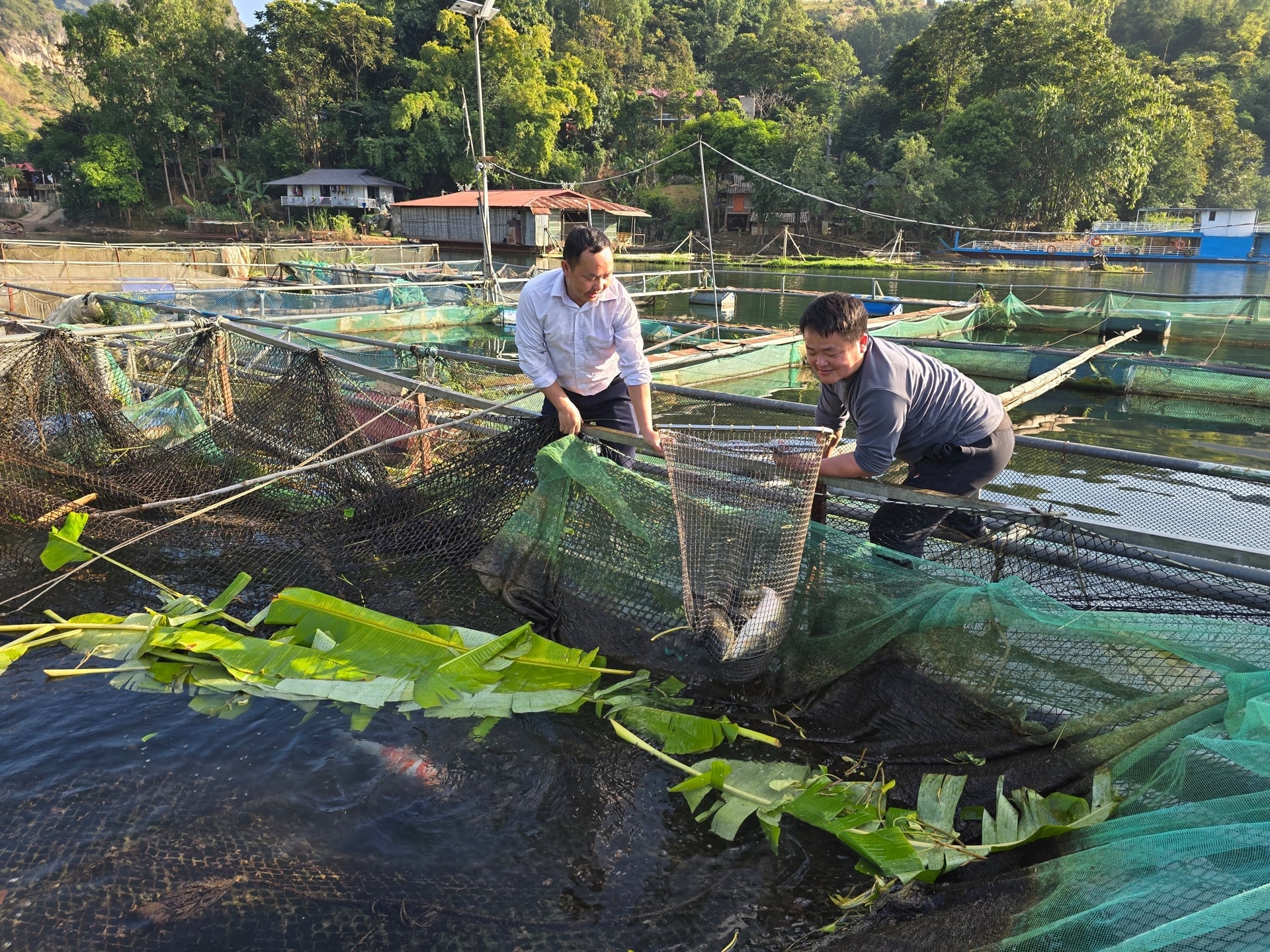
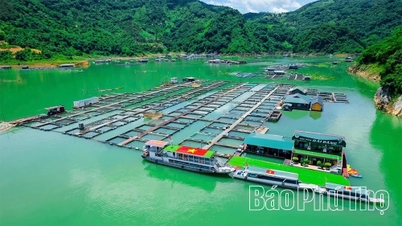
Furthermore, the vast 10,500-hectare water surface area opens up a sustainable path out of poverty for the local people through the cage farming model. Cooperatives raising cold-water fish, catfish, sturgeon, and tilapia are thriving in this clean, natural water environment.
In terms of scenery, Son La Lake is equally stunning, earning the nickname "Ha Long Bay on land" amidst the vast forest. The lake is embraced by majestic limestone mountain ranges. Notably, this area also boasts the Pa Uon Bridge – a bridge with 103.8m high piers, ranking among the tallest bridges in Vietnam, and an unmissable architectural highlight.
3. Hoa Binh Lake (Hoa Binh Province): An artificial "sea lake" bearing the historical imprint of the 19th century.
While the Da River, as it flows through Son La, possesses the majestic beauty of modernity, its journey to Hoa Binh takes on a profound historical depth. Hoa Binh Lake (covering 89 km² and approximately 70 km long) is the fourth largest artificial lake in Vietnam, formed from the Hoa Binh hydroelectric power plant.
This is truly a "water regulating heart" of Northern Vietnam, with a massive capacity of up to 9.5 billion cubic meters. For decades, Hoa Binh Reservoir has successfully fulfilled its nhiệm vụ of flood control, mitigating natural disasters, and providing water for domestic use and irrigation for the entire Red River Delta region.
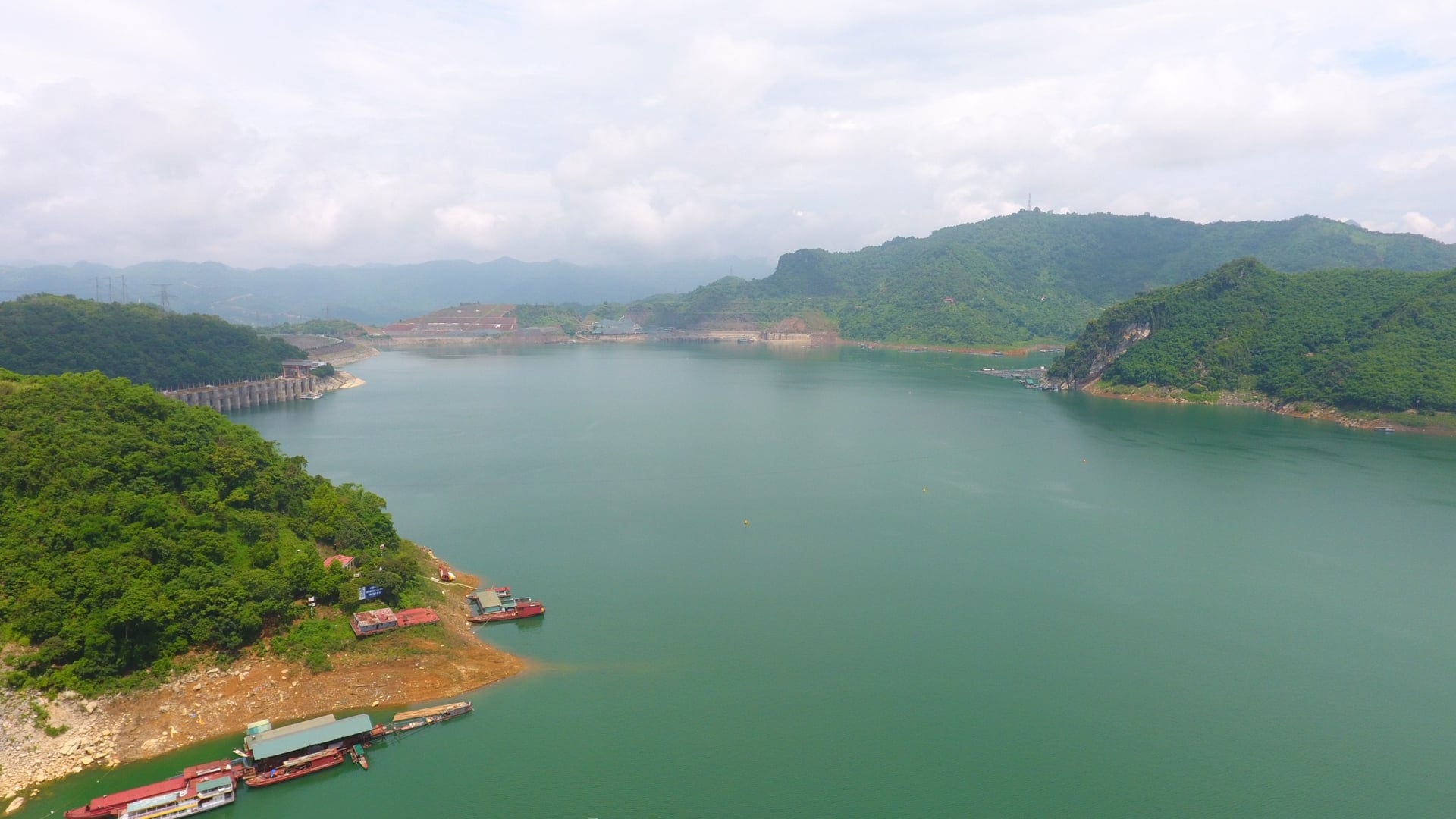
But the value of Hoa Binh Lake doesn't lie solely in the dry statistics of the electricity or irrigation industries. It has undergone a dramatic transformation into a key eco-tourism and spiritual tourism complex.
The picturesque landscape with its small islands rising above the turquoise waters continues to be a captivating version of "Ha Long Bay in the mountains." Boat tours take visitors to explore Hoa Tien Cave, Thac Bo Cave, and especially the famous spiritual destination - Ba Chua Thac Bo Temple.
Furthermore, Hoa Binh Lake also holds a source of historical pride. Located within the factory grounds is the 18-meter-tall statue of President Ho Chi Minh, standing majestically atop Ong Tuong Hill. This place still preserves unforgettable memories of a period of arduous and heroic construction, with the dedicated support of Soviet experts.
4. Ba Be Lake (Bac Kan): The world's most pristine green gem.
Completely different from the three aforementioned man-made wonders, Ba Be Lake (Ba Be commune, Thai Nguyen province) is a masterpiece of nature. Ba Be Lake's local name (in the Tay language) is "Slam Pé," meaning "three lakes." This name originates from the fact that the lakebed is divided into three large lakes by limestone mountain ranges, connected by narrow waterways. These three lakes each have their own names: Pé Lầm, Pé Lù, and Pé Lèng.
Despite its small area of only about 6.5 km², this is the largest natural freshwater lake in Vietnam. Furthermore, Ba Be Lake proudly ranks among the Top 100 largest natural freshwater lakes in the world and the Top 20 most important freshwater lakes globally that require urgent protection.
Ba Be Lake is located in the Gâm River arc, a rugged terrain crisscrossed by mountains ranging from 1,400m to 1,600m high, interspersed with valleys. The lake was formed more than 200 million years ago. The continental uplift of Southeast Asia at the end of the Cambrian period brought a massive body of water, with a surface area of approximately 5 million m² and a depth of over 30m, up the side of the limestone mountains, creating Ba Be Lake.
Ba Be Lake is located at an altitude of approximately 145m above sea level, with a surface area of over 650 hectares, surrounded by limestone mountain ranges with many caves and underground streams. The average depth of the lake is 20-25m during the rainy season but can drop to approximately 10m during the dry season.
The lake's surface remains calm year-round, like a giant emerald mirror, reflecting the clouds, sky, and the pristine forest ecosystem of Ba Be National Park. This area has also been recognized as Vietnam's third RAMSAR site, boasting an extremely rare and diverse flora and fauna.
Visiting Ba Be Lake means discovering fascinating natural wonders marked by geological formations. These include Puong Cave, over 300 meters long and 30 meters high, with its bizarre stalactite formations and home to tens of thousands of bats. There's also the tranquil, secluded Fairy Pond atop the mountain, and the majestic Dau Dang Waterfall cascading down the Nang River. Standing out in the middle of the lake is the charming Widow Island, associated with the remnants of a great flood from ancient legends.
A trip to Ba Be Lake is an experience of immersing yourself in absolute tranquility. Visitors can paddle a dugout canoe across the calm water, visit Pac Ngoi village of the Tay people to listen to the Then folk songs and the melodious sounds of the Tinh lute by the warm fire. And of course, the trip would not be complete without trying famous local specialties such as grilled fish from Ba Be Lake, smoked sausage, sour shrimp paste, or a plate of fragrant five-colored sticky rice.
From Thac Ba, Son La, Hoa Binh to Ba Be, each of the largest freshwater lakes in Northern Vietnam carries its own unique mission and captivating beauty. While artificial lakes are a glorious testament to the ingenuity, intellect, and spirit of the Vietnamese people in conquering nature to bring light and prosperity, the natural Ba Be Lake serves as a reminder of the importance of preserving and protecting the precious pristine beauty of nature.
Planning and developing tourism while protecting the ecological environment in these "oceans in the mountains" not only opens doors to cultural exchange and boosts the economy for ethnic minority communities, but also affirms Vietnam's tourism position on the international map. These "green gems" are still rippling day and night, waiting for adventurous explorers to discover them.
Source: https://danviet.vn/kham-pha-4-ho-nuoc-ngot-lon-nhat-phia-bac-d1425364.html














































































Comment (0)