New research has uncovered a unique deer skull cap that reveals a cultural intersection between hunter-gatherer and agriculture 7,500 years ago in Germany.
Báo Khoa học và Đời sống•09/02/2026
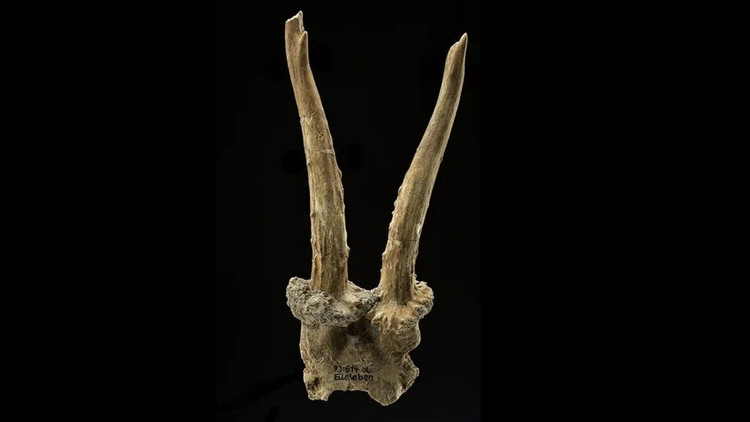
According to newly published research, a headdress made from a deer skull unearthed at an archaeological site in Germany suggests that Stone Age hunter-gatherers shared sacred items, tools, and ideas with an agricultural community there approximately 7,500 years ago. (Image: Landesamt für Denkmalpflege und Archäologie Sachsen-Anhalt, J. Lipták.) The study's lead author, Laura Dietrich, an archaeologist at Martin Luther University Halle-Wittenberg in Germany, said the ancient agricultural village near Eilsleben, about 100 km east of Hannover in northern Germany, was "a kind of outpost" of the first farmers in Europe. Photo: Martin-Luther University Halle, F. Becker.
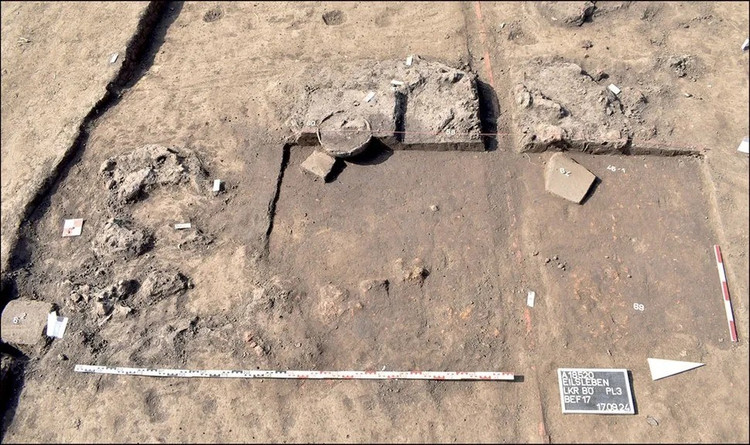
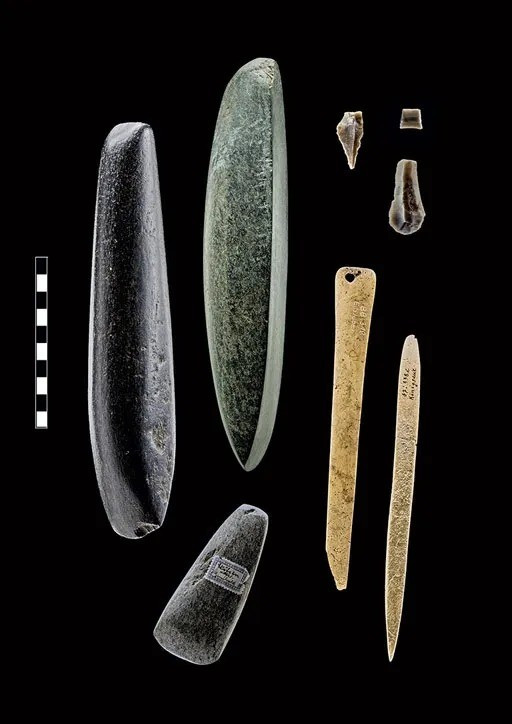
This site was discovered in the 1970s and has been extensively excavated since then. Recent geomagnetic analysis suggests the village spanned an area of approximately 8 hectares and may have been the largest settlement in the region at the time. Photo: Landesamt für Denkmalpflege und Archäologie Sachsen-Anhalt, J. Lipták. Archaeologist Laura stated that these villagers belonged to a Stone Age culture – people who migrated to Central Europe as early as 7,500 years ago from the Aegean and Anatolian regions, now Turkey. This culture is also known as the Neolithic LBK, named after their unique pottery: LBK, or "Linearbandkeramik" in German, meaning "linearly patterned pottery"). Image: Martin-Luther University Halle, L. Dietrich / L. Dietrich et al., Antiquity (2026); CC BY-NC-SA 4.0. According to archaeologist Laura, the earliest stages of this ancient village date back to the first Neolithic peasant generations, and the site still retains archaeological evidence of their characteristic houses. However, "there are also many artifacts from the Middle Stone Age," suggesting that the villagers had connections with the hunter-gatherers who lived in the area. Photo: DEA PICTURE LIBRARY/De Agostini via Getty Images.
The headdress, made from the skull and antlers of an adult deer (Capreolus capreolus), is perhaps the most remarkable artifact at the site. Photo: sci.news. Similar headwear made from deer skulls has been found at Mesolithic archaeological sites dating back up to 11,000 years, including more than 30 unearthed at the Star Carr site in northern England. Photo: The Sun. According to archaeologist Laura, the headwear found at Eilsleben appears to be part of a "technology transfer" between Mesolithic hunter-gatherers and Neolithic farmers in the village. Photo: Kean Collection/Getty Images.
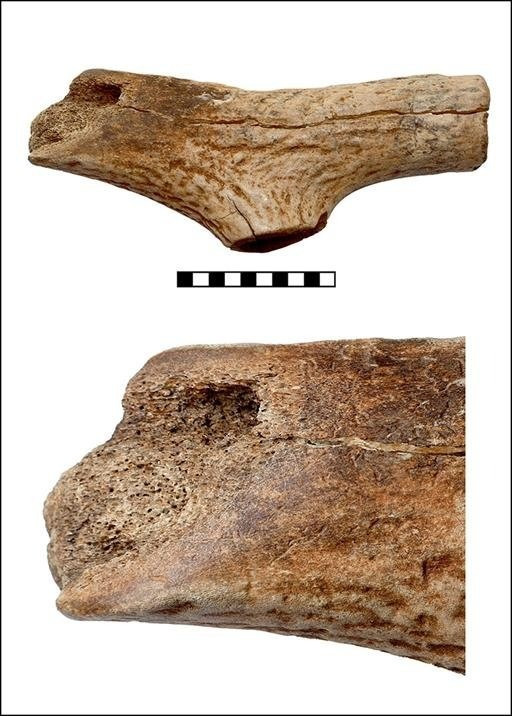
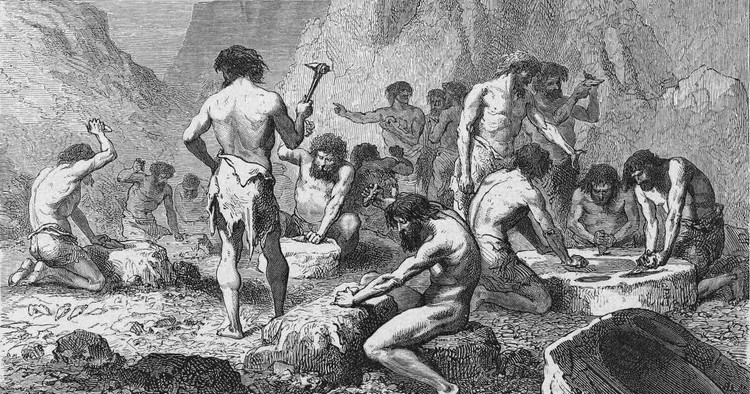
Archaeologists also found tools made from deer antlers and fragments of deer antlers at the site – a material not typically used by people of the Neolithic LBK culture. However, it is possible that Neolithic villagers crafted these tools from antlers after imitating the practices of hunter-gatherers. Photo: Fine Art Images/Heritage Images/Getty Images. Archaeologist Laura said the remains of a rampart and moat suggest the village was defended against attacks, but it is unclear who the attackers were. Photo: DeAgostini/Getty Images & Abdullah Coskun/Anadolu Agency/Getty Images.
Readers are invited to watch the video : Unveiling a lost civilization through archaeological remains.






 Báo Khoa học và Đời sống•09/02/2026

































































































Comment (0)