

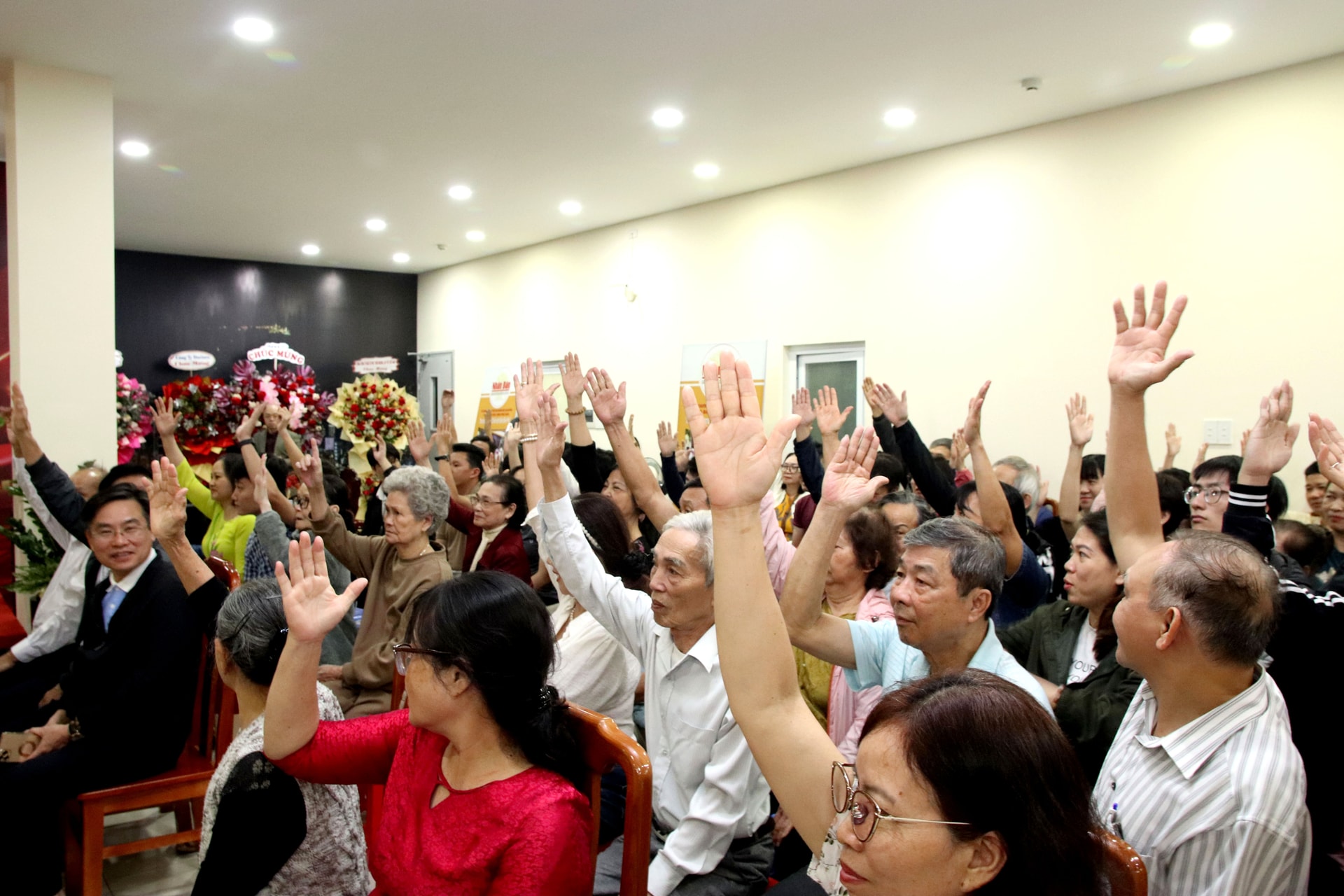
Carefully research the factors.
According to the Department of Internal Affairs, after the merger (July 1, 2025), Da Nang city will have 1,076 villages and 3,080 residential groups. Over the past period, these villages and residential groups have played a crucial role as a bridge between the Party, the government, and the people; contributing to the effective implementation of policies, tasks, and objectives for socio-economic development, national defense, and security.
In implementing Directive No. 21/CTTTg of the Prime Minister on the reorganization of villages and residential areas, and the arrangement, utilization, and policies for part-time officials at the commune, village, and residential area levels, the reorganization must ensure compliance with the criteria and conditions stipulated by the Government and the management requirements of the two-tiered local government model. At the same time, it must fully consider the specific factors of history, culture, customs, geographical conditions, national defense, security, and community cohesion.
Accordingly, after reorganization, each residential area must have at least 450 households, and each village must have at least 300 households. The reorganization will simultaneously consider specific factors such as history, culture, customs, geographical conditions, national defense, security, and community cohesion, especially in mountainous, border, and island areas, ethnic minority regions, and areas with religious elements.
Currently, out of 1,076 villages, 488 (45.4%) have fewer than 300 households; of which 102 villages are subject to merger, and 51 villages have specific characteristics as stipulated. Regarding residential groups, out of a total of 3,080 groups, 2,923 (94.9%) have fewer than 450 households; of which 2,932 groups are subject to reorganization or merger, and 73 groups have specific characteristics.
Regarding naming, villages and residential areas will be named based on the local history, culture, traditions, customs, and practices; residential areas may be named using sequential numbers from the first to the last. The naming process will be carried out during the documentation stage for the establishment of new villages and residential areas after the reorganization.
Ensuring regulations and policies
The entire city currently has 8,615 part-time officials working in villages and residential areas, including 2,433 Party branch secretaries, 3,902 village heads and residential area leaders, and 2,280 heads of the Fatherland Front working committees. In addition, there are 17,740 people participating in work at the village and residential area level, including 1,705 deputy Party branch secretaries, 3,356 deputy village heads and residential area leaders, 1,798 deputy heads of the Fatherland Front working committees, 2,342 heads of the Women's Union branches, 1,944 heads of the Farmers' Association branches, 2,289 heads of the Veterans' Association branches, 2,265 heads of the Senior Citizens' Association branches, and 2,041 Youth Union branch secretaries.
According to Government Decree No. 185/2026/ND-CP dated May 26, 2026, villages and residential areas will only have three non-professional positions: Party branch secretary, village head or residential area leader, and head of the Fatherland Front working committee. Based on the allocated allowance fund and budget balance, the provincial People's Committee will submit to the provincial People's Council for decision the specific allowance levels for each position, allowances for concurrent duties, as well as the number, positions, and support levels for those participating in activities at the village and residential area levels.
The regulations also require that the placement and utilization of part-time personnel must ensure openness, transparency, objectivity, and compliance with regulations; and that all entitlements and policies be fully implemented, ensuring the stability of morale and the rights of this group during the organizational restructuring and consolidation process.
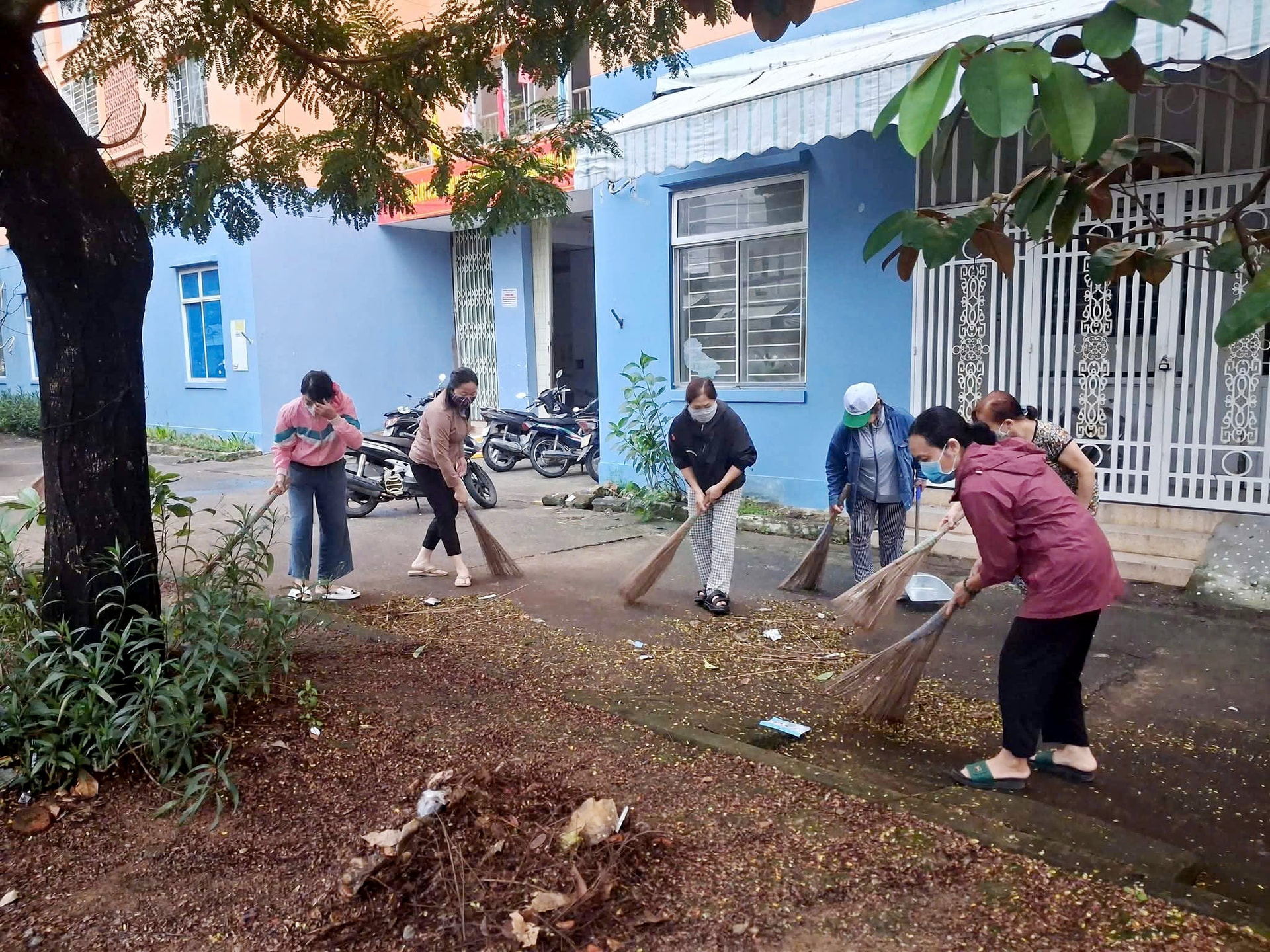
According to Deputy Director of the Department of Internal Affairs Tran Trung Son, during the process of reorganizing villages and residential areas, the selection and nomination of part-time officials must ensure criteria regarding prestige, health, dedication, responsibility, and the ability to mobilize the masses; gradually rejuvenating the workforce, improving their level of information technology application, community management skills, and the quality of service to the people.
For part-time workers who are laid off due to restructuring, the regulations are implemented according to Government Decree No. 154/2025/ND-CP on downsizing the workforce. For those working at the village and neighborhood levels, there are currently no regulations providing support from the central government. To ensure policy consistency, Da Nang City plans to apply a special scheme, providing a one-time support payment equivalent to five months of their current monthly allowance.
Building consensus
In accordance with Directive No. 21/CT-TTg, Son Cam Ha commune is expected to be reorganized from 20 villages to 9 villages. The names of the new villages will be determined based on consultations with scientists, researchers, and those knowledgeable about local history and culture, and will be associated with place names such as Phu Lam, Phu Truong, Cam Y, etc.
Mr. Pham Viet Hau, Chairman of the People's Committee of Son Cam Ha commune, said that the commune has finalized the plan for the third time and submitted it to the Department of Internal Affairs for consideration. They will also organize a public consultation as per regulations. The local authorities are currently reviewing and selecting capable young personnel to be appropriately assigned to the new villages.
According to Mr. Duong Van Ha, Secretary of the Party Branch of Hamlet 3 (Son Cam Ha Commune), the people support the restructuring because it helps reduce the number of part-time personnel, saves budget, and focuses resources on investing in infrastructure and cultural institutions. He also proactively registered to resign from his position after the restructuring to create opportunities for younger, more capable people to meet the requirements of digital transformation and new tasks.
In Viet An commune, the proposed plan is to reorganize 23 villages into 14. According to Ms. Tran Thi Hang, Secretary of the Commune Party Committee, the plan was developed based on thorough research into geographical factors, historical formation, demographic characteristics, and incorporating feedback from local officials. Reorganizing the villages will open up new development opportunities and effectively exploit the potential and advantages of the locality.
Son Tra Ward currently has 281 residential groups. It is expected that after the reorganization, there will be more than 40 residential groups remaining. To date, residents, and especially the current heads of residential groups who are preparing to retire after the merger, have expressed their agreement and support for the merger and streamlining of the administrative apparatus.
Source: https://baodanang.vn/khan-truong-sap-xep-lai-thon-to-dan-pho-3339122.html
![[Photo] Secretary of the National Assembly Party Committee, Chairman of the National Assembly presides over the meeting of the Standing Committee and Executive Committee of the National Assembly Party Committee.](https://vphoto.vietnam.vn/thumb/1200x675/vietnam/resource/IMAGE/2026/06/03/1780480353201_ndo_br_bnd-2585-jpg.webp)
![[Photo] General Secretary and President To Lam presides over a meeting with the Central Organizing Committee.](https://vphoto.vietnam.vn/thumb/1200x675/vietnam/resource/IMAGE/2026/06/03/1780482764658_a1-bnd-4741-3342-jpg.webp)


![[Photo] First session of the 14th Congress of the Vietnam Trade Union](https://vphoto.vietnam.vn/thumb/1200x675/vietnam/resource/IMAGE/2026/06/03/1780465947883_ndo_br_img-3852-jpg.webp)




















































![[Video] Sunset at Lap An Lagoon – Where the sun sets over the fishing nets](https://vphoto.vietnam.vn/thumb/1200x675/vietnam/resource/IMAGE/2026/05/31/1780192137701_beach-landscape-sea-water-nature-grass-745871-pxhere-com.jpeg)






























Comment (0)