


At 10 PM, the light from his phone screen illuminated the face of Nguyen Viet Tien (18 years old, Hanoi ). In the dimly lit room, the steady sound of VoiceOver echoed as he moved his finger across the screen to listen to the latest messages in his group chat.
"I'm a fan of Lionel Messi and Liverpool FC," Tien said with a smile. In his free time, he browses TikTok and YouTube, plays games, or watches football matches like many other young people.
 |
For most users, reading a message or browsing through a chat is an action that takes only a few seconds. But for Viet Tien, enabling an application to truly "read" the world was once no easy feat.
Born with congenital microphthalmia, Tien's childhood was shrouded in complete darkness. His inability to see presented numerous obstacles in his studies and daily life. But instead of becoming a limitation, technology gradually became his "eyes," helping him become more independent.
Every day, Tien uses his phone to text, study, order rides, stay updated, and connect with friends. These seemingly ordinary tasks are only possible when the application is designed to be user-friendly enough for a visually impaired person to use independently.
However, while most tech products are marketed as "for everyone," there is a group of users who receive little attention during the design process. For example, visually impaired people cannot read text messages using voice assistants, people with hearing impairments cannot follow video calls, or people with mobility difficulties rely on others simply to complete a basic account registration.

In the context of unprecedented digital transformation, the majority of current technology products are still designed and operated based on an implicit assumption about the "default user." This mindset assumes that every individual interacting with an electronic screen possesses perfect physical, sensory, and cognitive capabilities.
As technology shifts from being a supporting tool to becoming an essential infrastructure of social life, the lack of accessibility features is not merely a drawback in user experience, but inadvertently creates barriers to community integration for a specific segment of users.
According to data from the World Health Organization (WHO), an estimated 1.3 billion people with disabilities exist, equivalent to 16% of the global population. The physical inequalities faced by people with disabilities are often exacerbated by environmental and social barriers.
From a social interaction perspective, this obstacle is present throughout the user experience, starting with difficulties in account setup and registration due to incompatible input fields, forcing users to give up or rely entirely on others. The process is further disrupted by confusing, unlabeled search and navigation icons, or the lack of programmable data on confirmation buttons, paralyzing the ability to shop and pay independently.
For someone with normal vision, an unlabeled icon or a button displaying an error might only be a minor inconvenience. But for someone with visual impairment, these details can completely render an application unusable.
This happened to Viet Tien himself when he switched from an Android phone to an iPhone. While TalkBack on Android could help Tien use Zalo relatively stably, on iOS, VoiceOver could only read the summary outside of the conversation and couldn't access the detailed message content inside the chat window.
"Sometimes I had to ask someone else to read my messages for me," Tien recounted.

This digital divide isn't limited to the visually impaired; it's prevalent in many families, where grandparents have to hold their phones close to their ears to hear their grandchildren or struggle with screens cluttered with icons and seemingly simple touch and swipe gestures. For many older adults, the barrier isn't a reluctance to use technology, but rather that digital applications aren't yet designed to suit their hearing, vision, and dexterity.
As accessibility becomes an increasingly important part of the digital experience, many global messaging apps are also beginning to change their product development strategies.
In Vietnam, the story of Zalo's improved accessibility is deeply humanistic and reflects an optimization process based on real-world feedback from local users.
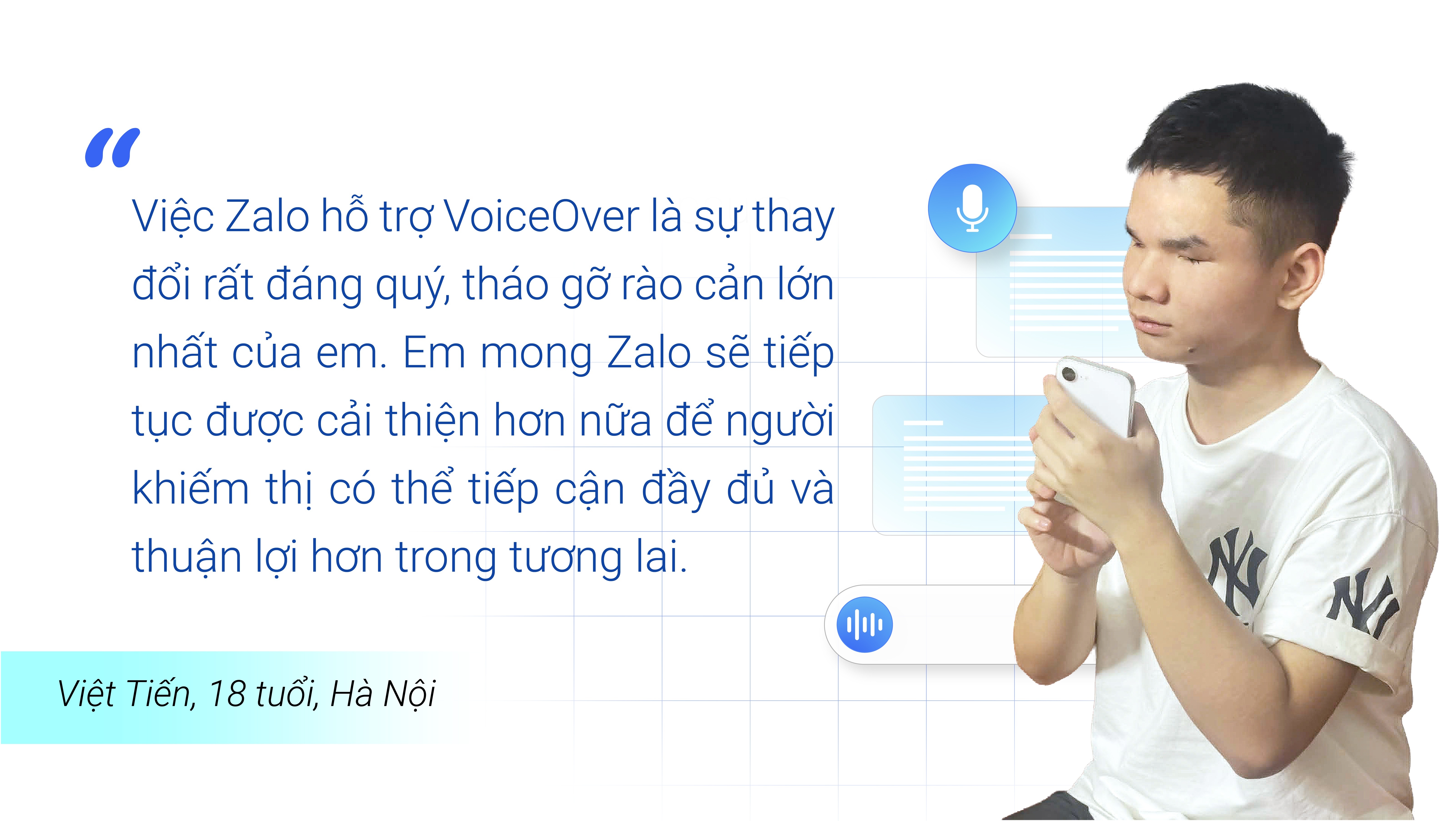
Following feedback from Tien, the Zalo development team adjusted the app's compatibility with VoiceOver on iOS. After the update, the screen reader can read the sender's name, message content, sending time, attachments, and even descriptions of stickers in the chat interface.
"Zalo's support for VoiceOver is a very valuable change, removing the biggest barrier for me. I hope Zalo will continue to improve so that visually impaired people can access it more fully and conveniently in the future," Tien said.
 |
This change not only helps visually impaired individuals "use" the application, but also allows them to communicate, learn, and connect with others more independently in their daily lives.
In his presentation at the "Build Accessible Experiences on iOS" event held in Singapore on Global Accessibility Awareness Day (GAAD), Mr. Nguyen Huu Duc (manager of in-app AI products) affirmed that accessibility is not simply about adding a feature, but rather a "philosophy" that product developers should consider from the outset.
“The moment we received the email from Viet Tien, the team realized that accessibility is not just a technological issue, but also a driving force for the team to continue developing better products every day. In the future, Zalo will continue to invest in and improve more features to enhance accessibility for various user groups in society,” Mr. Nguyen Huu Duc emphasized.
The story of accessibility didn't stop with the visually impaired. During video calls, many older adults often struggle to hear conversations in noisy environments or with unstable connections. To support this user group, Zalo added a video call captioning feature, allowing the conversation content to be displayed directly on the screen in real time.
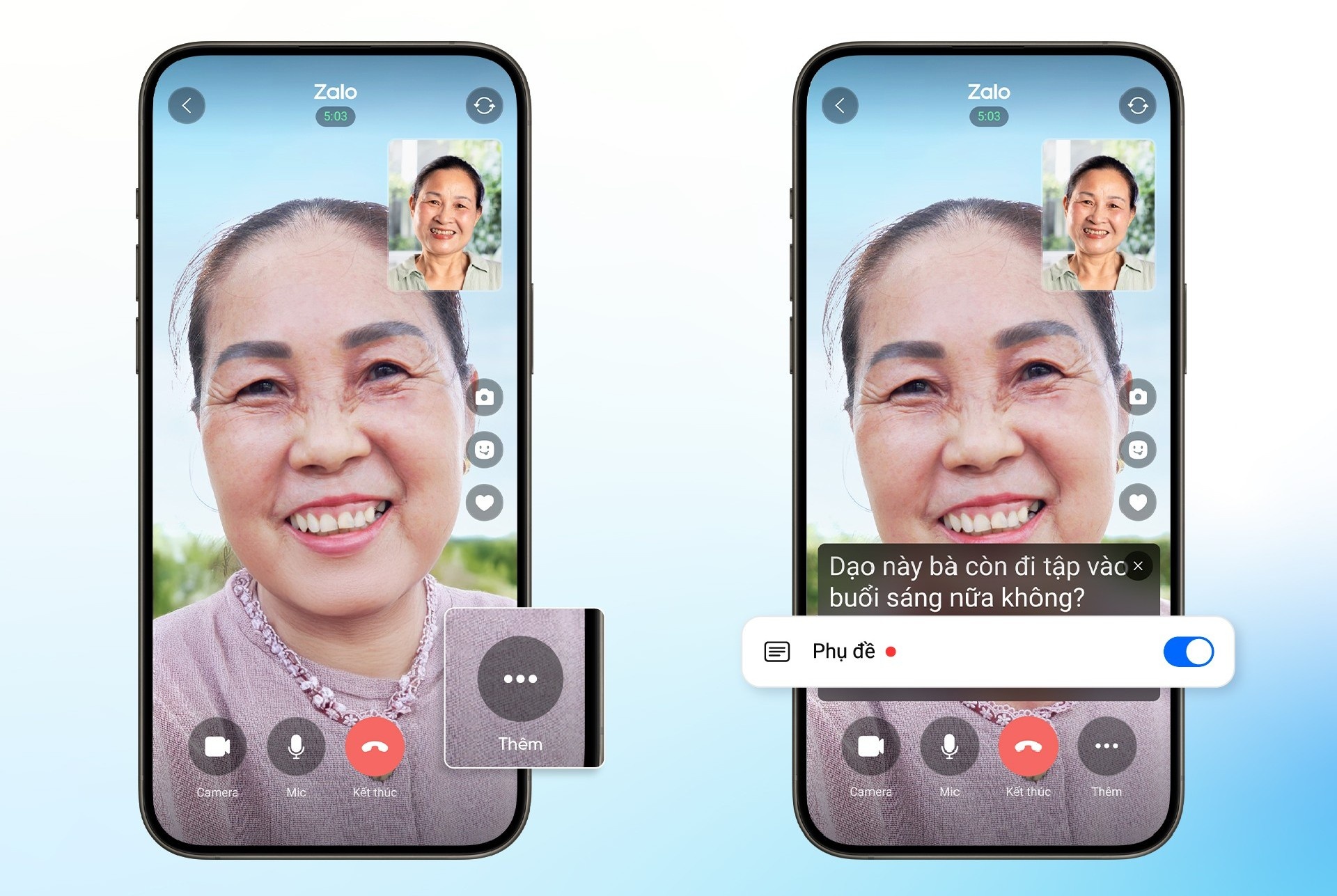 |
Elderly people can enable the Call Caption feature to easily have video chats on Zalo. |
Meanwhile, for those who have difficulty typing, the Dictation feature allows them to text faster using their voice. This technology is currently used by over 8 million regular users every month and can recognize many different regional accents in Vietnam.
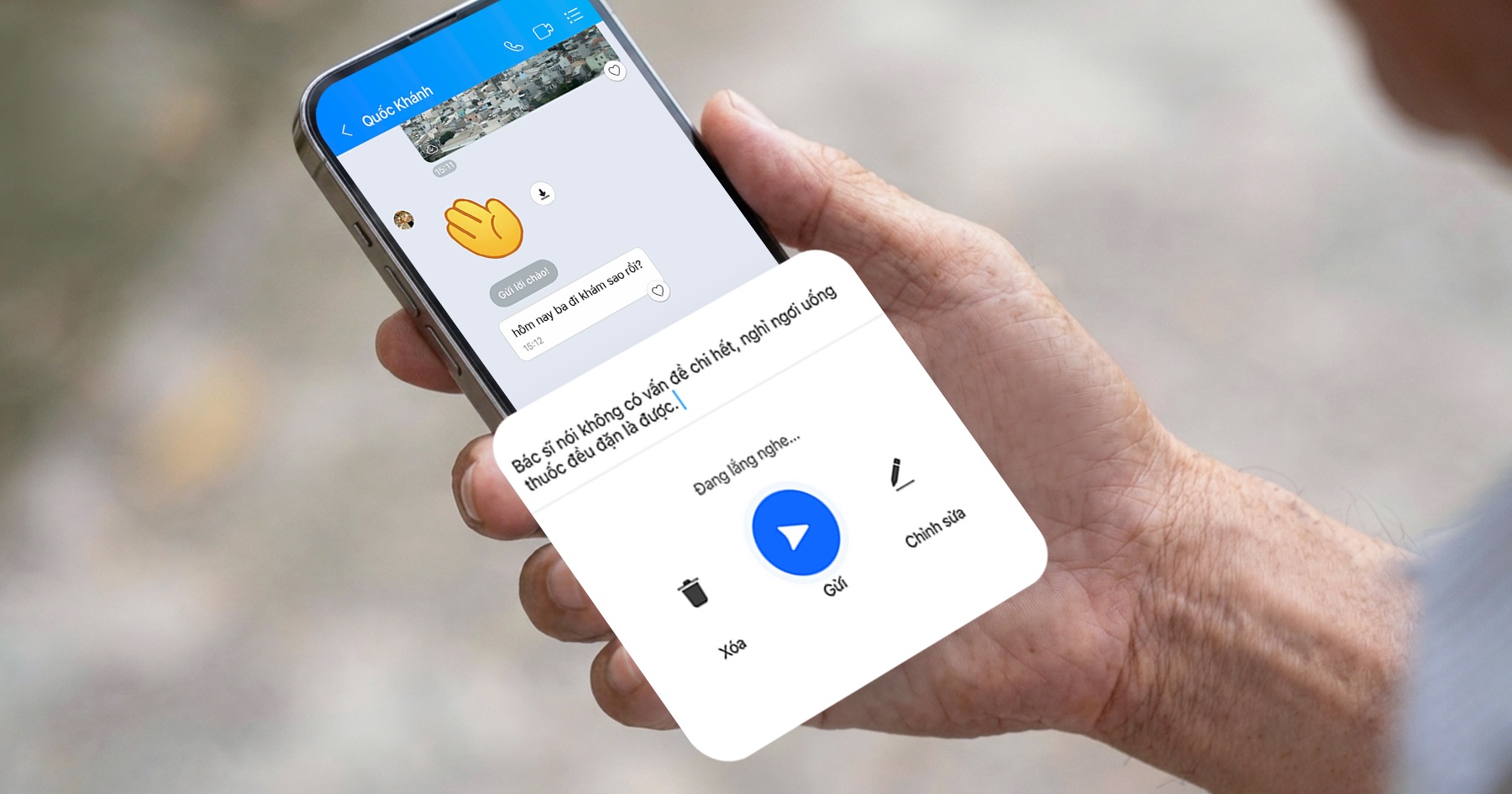 |
The Dictation feature on Zalo. |

As more and more aspects of daily life are moved to the digital environment, product development thinking must also shift towards a more inclusive approach. To address the disconnect in the digital experience, modern technology product design is gradually moving towards Inclusive Design and Design for Accessibility. Unlike traditional approaches that consider disability support as secondary add-on features or purely legal compliance clauses, inclusive design places the diversity of human behavior at the center from the very first system design sketches.
The shift in how applications like Zalo develop features shows that accessibility is no longer an optional feature to be added later, but is gradually becoming a measure of a company's technological maturity and human values in the digital age.
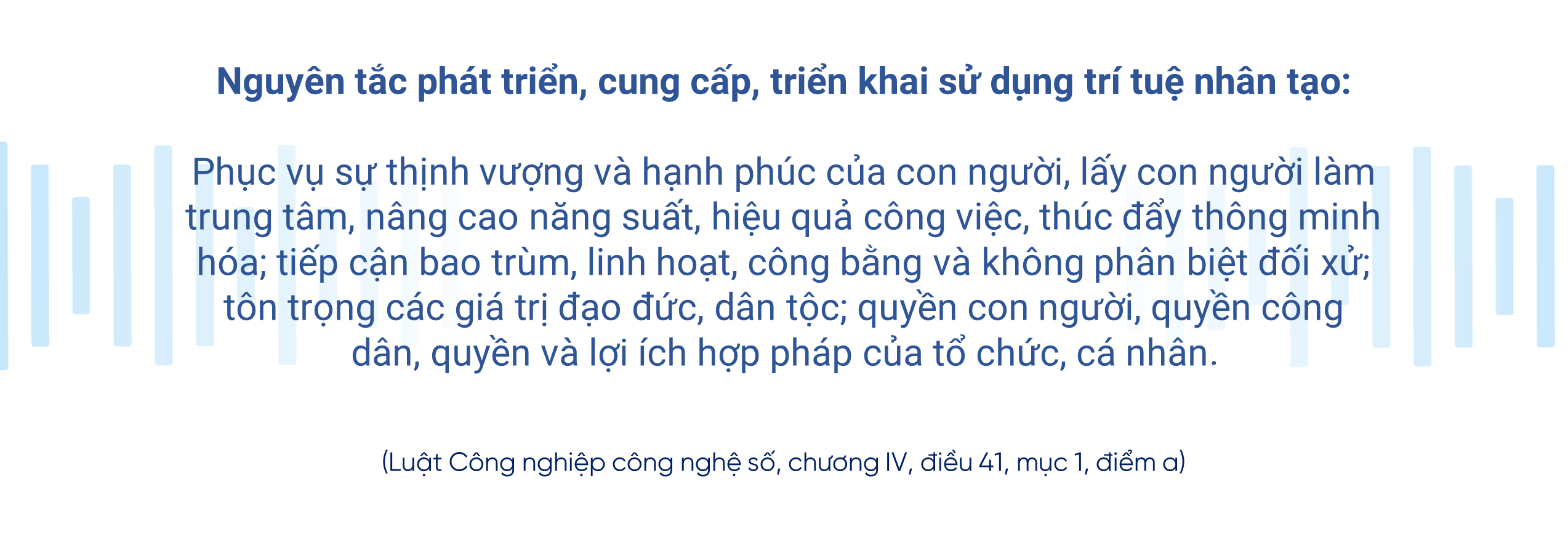
In Vietnam, the Law on Digital Technology Industry (effective from the beginning of 2026) is considered a significant legal turning point as it identifies artificial intelligence and semiconductor technology as key areas of the national development strategy.
The law emphasizes that artificial intelligence must serve human prosperity and well-being, be human-centered, contribute to increased productivity and efficiency, and promote the process of intelligentization. At the same time, AI needs to be developed in an inclusive, flexible, fair, and non-discriminatory manner; respecting ethical values, national identity, human rights, civil rights, as well as the legitimate rights and interests of organizations and individuals.
 |
To build a barrier-free digital ecosystem in Vietnam, technology companies need to proactively shift from a passive patchwork mindset to an inclusive design approach right from the system architecture stage. Strictly adhering to international standards such as WCAG (Web Content Accessibility Guidelines) and building a library of interfaces with built-in accessibility features will help businesses not only optimize operating costs and minimize late-stage technical errors, but also expand their market reach to potentially vulnerable customer groups.
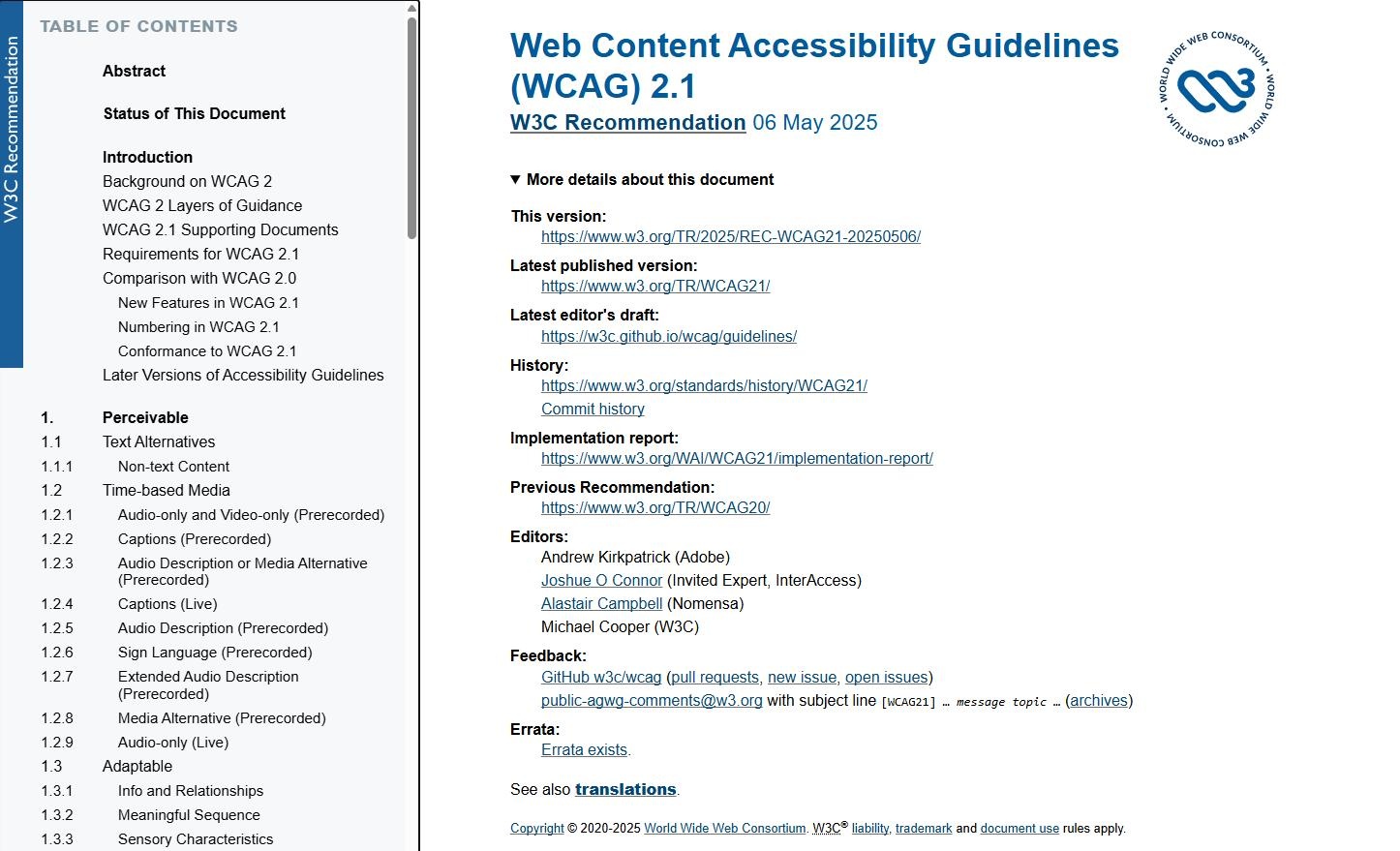 |
Web Content Accessibility Guidelines (Source: W3C). |
However, according to Dr. Abdul Rohman, a senior lecturer from RMIT University Vietnam, the legislative process still suffers from significant gaps between policy documents and practical implementation. A review of 25 technology policy documents in Vietnam revealed that only 3 directly address people with disabilities. Furthermore, these regulations often lump people with disabilities together with other vulnerable groups such as the elderly or those in difficult circumstances, leading to a "passive protection" approach rather than an "active empowerment" approach.
According to Dr. Abdul Rohman, it's more important not just to support people with disabilities in accessing technology, but also to enable them to directly participate in shaping technology. Society needs to promote the concept of "active digital citizenship," where people with disabilities not only receive support passively but also directly participate in designing, testing, and shaping new technologies.
Late at night, Viet Tien's phone rang with a notification for a new message from Zalo. VoiceOver slowly read through each line of the group chat. Elsewhere, a grandmother was intently watching the subtitles scrolling across the video call screen, listening to her grandson recount his school experiences.
Technology may begin with algorithms, code, or AI. But ultimately, what makes it meaningful is its ability to keep people connected so that no one is left behind.
Source: https://znews.vn/khi-kha-nang-tiep-can-la-thuoc-do-cua-cong-nghe-post1655251.html





![[Photo] Delegation attending the 14th Congress of the Vietnam Trade Union visits the Mausoleum of President Ho Chi Minh.](https://vphoto.vietnam.vn/thumb/1200x675/vietnam/resource/IMAGE/2026/06/03/1780451842301_ndo_br_img-3824-jpg.webp)






















































































Comment (0)