

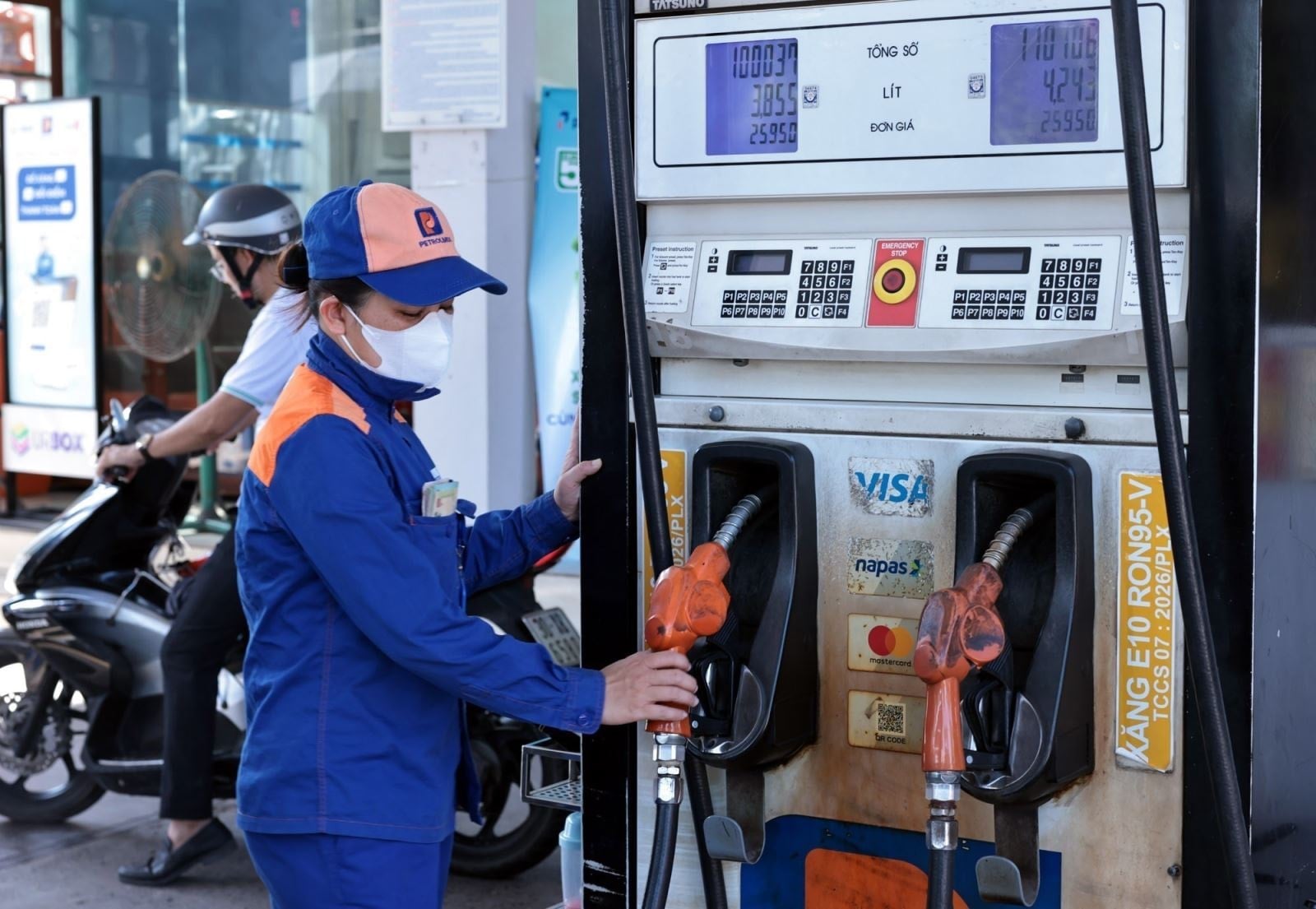
No negative impact on the vehicle's engine has been observed.
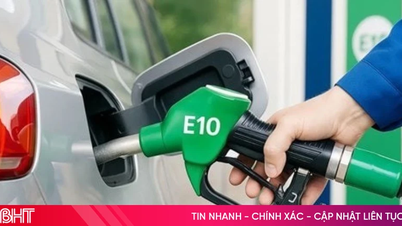
According to Mr. Do Van Tuan, Chairman of the Vietnam Biofuel Association, E10 gasoline has been widely used in many countries such as Europe, the US, Australia, India, Thailand, the Philippines, China, and many others for many years.
According to Mr. Tuan, if it does not meet technical and quality standards, this type of fuel is unlikely to survive in the long term and gain the trust of global consumers. Therefore, the circulating information claiming that E10 gasoline can affect or damage vehicle engines currently lacks clear scientific basis.
Mr. Tuan added that most motorcycle models manufactured from 2000 to the present are already compatible with E10 gasoline. During the drafting of Circular No. 50/2025/TT-BCT of the Ministry of Industry and Trade, which stipulates the mandatory roadmap for applying the blending ratio of biofuels with traditional fuels in Vietnam, the Vietnam Motorcycle Manufacturers Association (VAMM) also affirmed that these vehicles can safely use E10 gasoline.
Modern fuel tanks have all been treated and painted on the inside; the piping system and related fuel components are also designed to be compatible with this type of biofuel. Therefore, concerns about E10 gasoline affecting newer motorcycles are unfounded.
According to Mr. Dao Duy Anh, Deputy Director of the Department of Innovation, Green Transformation and Industrial Promotion, Ministry of Industry and Trade, during the development of the biofuel roadmap, the Ministry of Industry and Trade conducted surveys and assessments on the potential impact of E5 and E10 bioethanol on engine performance and lifespan.
According to assessments by scientists at Hanoi University of Science and Technology and Hanoi University of Transport, E5 and E10 gasoline have virtually no significant negative impact on the performance or lifespan of engine components in gasoline engines.
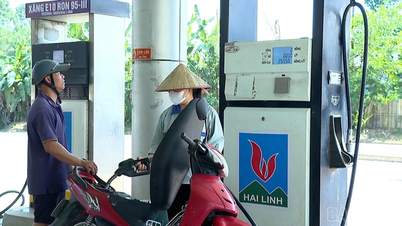
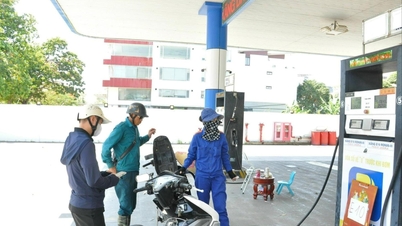
Notably, Vietnam has been using E5 gasoline nationwide since 2018, while E10 has been piloted since August 2025. However, to date, neither distribution businesses nor the Ministry of Industry and Trade have received any feedback regarding E5 or E10 negatively impacting engine performance or lifespan.
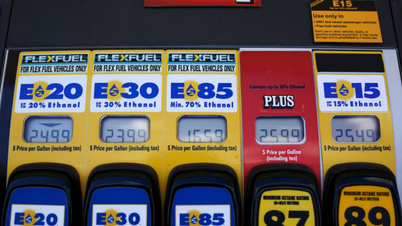
International experience also shows that biofuels have been used for a long time. The US and Brazil have been using E10 gasoline since the 1980s. In Southeast Asia, Thailand and the Philippines are now using E15, and are even upgrading to E20 without reporting significant negative impacts on vehicle engines.
According to Mr. Nguyen Anh Tuan, Head of the Petroleum and Gas Business Management Department, Domestic Market Management and Development Agency, Ministry of Industry and Trade, vehicles manufactured from 2022 onwards basically meet the requirements for using E10 gasoline according to Euro 3, Euro 4, and Euro 5 emission standards.
Be wary of "rumors" about food additives.
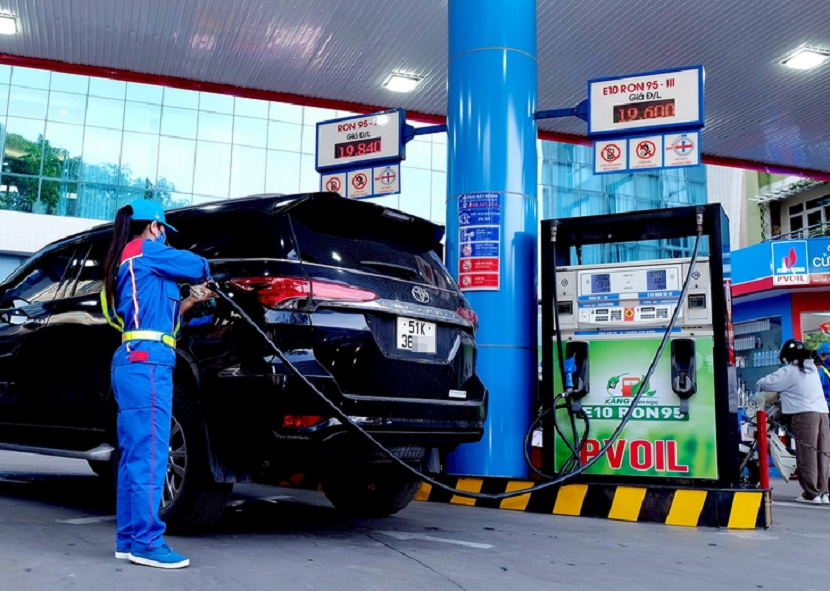
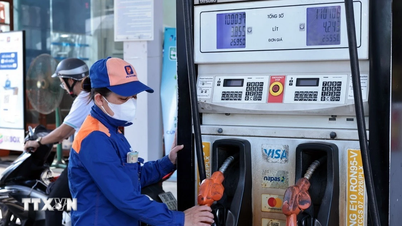
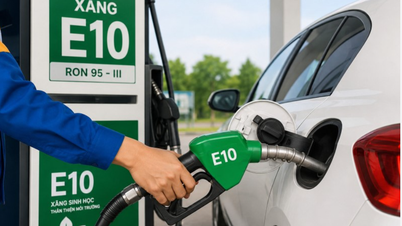
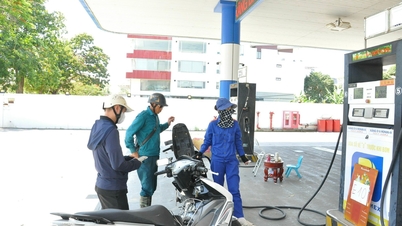
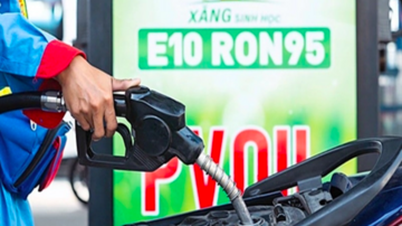
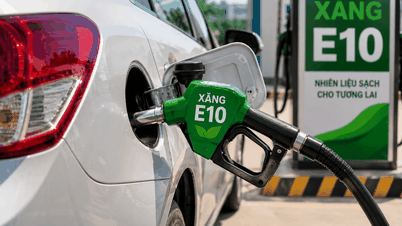
From June 1st, 2026, E10 bioethanol fuel will be officially distributed nationwide according to the roadmap outlined in Circular No. 50/2025/TT-BCT of the Ministry of Industry and Trade. Prior to the implementation, many opinions on social media expressed concerns about the compatibility of E10 fuel with car and motorcycle engines.
Nguyen Manh Thang, an automotive expert and administrator of the Oto+ forum with over 1 million members on Facebook, believes that E10 should be approached based on international technical and practical experience, rather than with apprehension about a new fuel.
“I think we need to view E10 gasoline as a fuel that has been proven in practice for many years, not a completely new technology. In the US and many developed countries, biofuels have been widely used for a long time. Even in many international markets, it's difficult to find pure mineral gasoline without ethanol blends. Even in Vietnam, E5 gasoline has been implemented for many years. Initially, there was considerable debate about vehicles using E5. However, after a period of practical use, the market gradually stabilized and consumers became familiar with this type of fuel,” said Mr. Nguyen Manh Thang.
According to this expert, it is important that most car and motorcycle manufacturers today have designed fuel systems compatible with ethanol-blended gasoline. If E10 truly seriously affected engine durability, it would be difficult for this fuel to survive for decades and be used on hundreds of millions of vehicles globally.
Furthermore, E10 gasoline is also significant for emission reduction goals. By blending ethanol into gasoline, the combustion process becomes cleaner, reducing CO, soot, and other emissions compared to traditional mineral gasoline. This is a trend that many countries are adopting to reduce the environmental impact of private transportation.
Regarding the current content on social media featuring numerous advertisements for additives specifically for E10 gasoline, Mr. Thang stated that it shouldn't be understood that using E10 necessarily requires the use of additives. If the fuel meets standards and the vehicle is compatible, it can be used normally without any additional additions.
In fact, when car manufacturers certify the use of E10, they base it on standard fuel standards and do not require any additives. The most important factors remain fuel quality and vehicle maintenance.
Consumers should also be wary of unregulated or over-advertised food additives. Additives aren't always bad, but improper use or use from unknown sources can have adverse effects.
Source: https://baohaiphong.vn/khong-nen-dung-phu-gia-khi-su-dung-xang-sinh-hoc-e10-544235.html




![[Image] Nearly 125,000 Hanoi students completed the Literature exam for the 10th grade entrance exam.](https://vphoto.vietnam.vn/thumb/1200x675/vietnam/resource/IMAGE/2026/05/30/1780117233041_ndo_br_thiet-ke-chua-co-ten-2-png.webp)




























































































Comment (0)