

From "working together" to creating great value
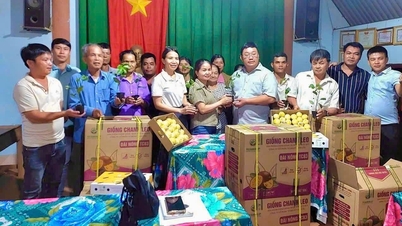
In recent years, the cooperative economy of Dak Lak has made remarkable progress. Previously, many cooperatives primarily provided input services to their members, but now they have gradually shifted to a market-oriented economic mindset, proactively organizing production along value chains, linking with businesses, expanding markets, and enhancing product value. This change reflects the transition from traditional agricultural production to a modern agricultural economy. Many cooperatives are no longer limited to supporting members with supplies, services, and production processes, but have become deeply involved in processing, branding, traceability, and connecting product consumption.
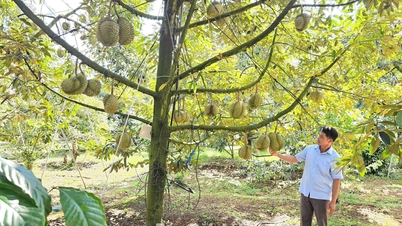
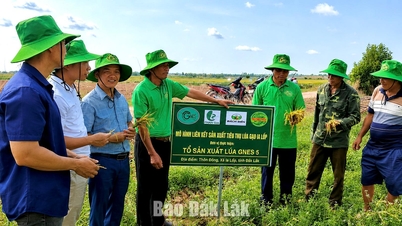
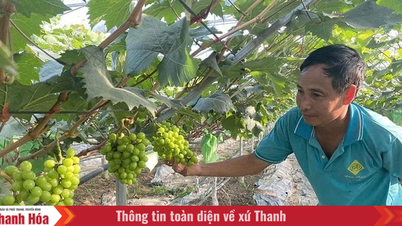
In areas specializing in coffee, durian, rice, and vegetables, more and more cooperatives are adopting advanced production standards such as VietGAP, organic farming, fair trade, and OCOP. This contributes to changing the mindset from small-scale, fragmented production to larger-scale, market-oriented commodity production.
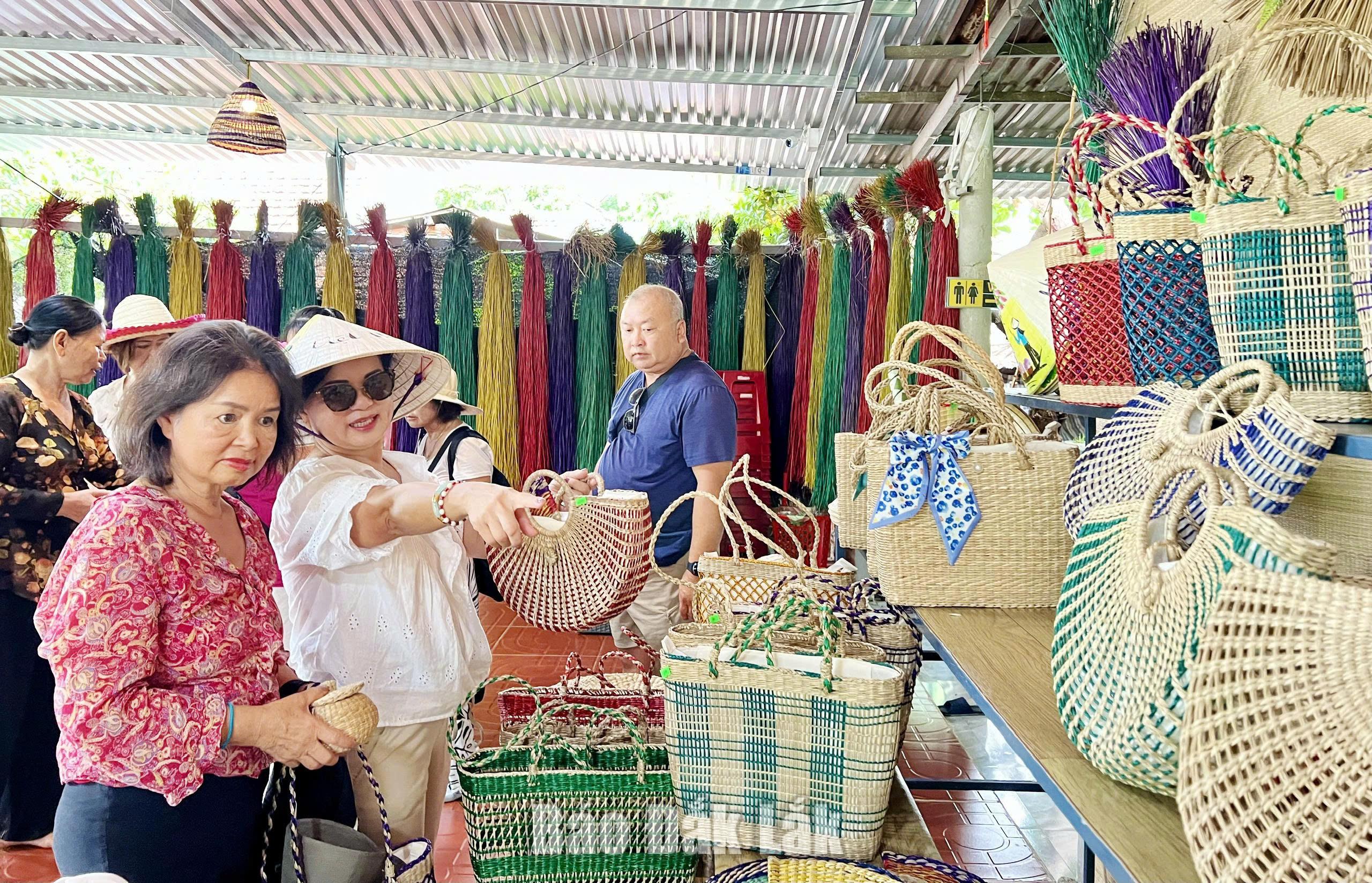 |
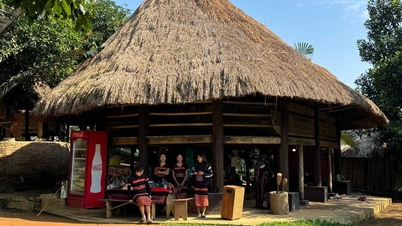
| In the eastern region, many cooperatives have boldly exploited the advantages of the sea, traditional crafts, and local cultural identity to create distinctive tourism products. |
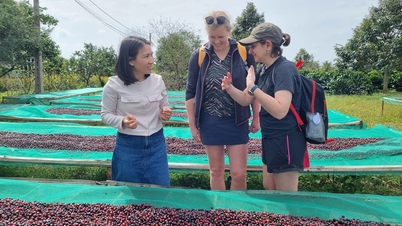
For example, the Ea Kiet Fairtrade Agricultural Service Cooperative and the Ea Tu Fairtrade Agricultural Service Cooperative have successfully built a sustainable coffee production chain according to international Fairtrade standards. Not only do they supply raw materials to the export market, but these cooperatives also invest in processing and developing roasted and ground coffee products, as well as specialty coffees, to increase their value.
The cooperative economy, with cooperatives as its core, plays a crucial role in sustainable economic development, enhancing competitiveness, creating jobs, and ensuring social security. The province will continue to improve mechanisms and policies to support cooperatives in linking production, expanding markets, applying science and technology, and developing deep processing." Vice Chairman of the Provincial People's Committee Nguyen Thien Van |
According to Mr. Nguyen Van Phuc, Chairman of the Board and Director of the Ea Kiet Fair Agricultural Cooperative, linking farmers into cooperatives helps reorganize production according to a standardized process, improve product quality, and reduce input costs. Through the mechanism of joint purchasing of supplies, linked consumption, and application of international standards, the cooperative's coffee products always have a higher selling price than the market, bringing higher profits to members.
This also demonstrates that cooperatives are no longer simply places to gather farmers, but are becoming the "conductors" in organizing production, creating added value, and enhancing the competitiveness of local agricultural products.
New space, new opportunities.
While previously the cooperative economy primarily developed within the agricultural sector, now, with the expansion of the province's development space, cooperatives have more opportunities to develop into multi-sectoral and multi-valued enterprises. One of the positive signs is the increasing number of cooperative models linking agricultural production with community tourism, experiential tourism, cultural preservation, and green economic development.
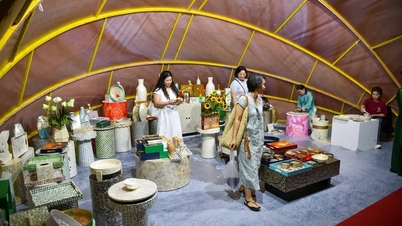
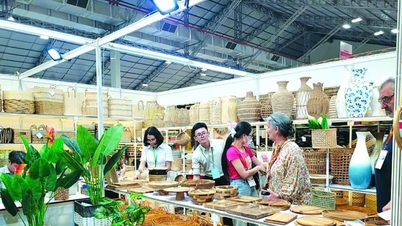
For example, the An Cu Sedge Mat Production and Tourism Service Cooperative (O Loan commune) develops traditional handicraft products from sedge combined with community tourism. The Phu Yen Green Agriculture Cooperative combines tourism development with the preservation of traditional craft villages, creating more jobs and increasing income for the people.
According to Mr. Dam Dai Huu, Director of Phu Yen Green Agriculture Cooperative, after the merger, Dak Lak possesses a more diverse development space with resources including sea, forest, agriculture, and indigenous culture. This is a favorable condition for cooperatives to develop integrated economic models, combining production with tourism, services, and the preservation of traditional culture.
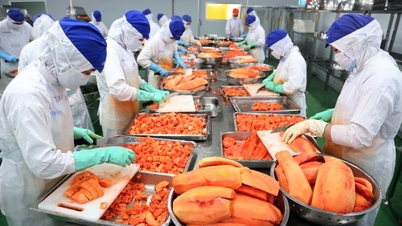
Not only in the tourism sector, many fisheries cooperatives are also gradually building production, processing, and consumption chains to serve both domestic and export markets. This shows that the cooperative economy is adapting better and better to market demands and expanding its scope of operations. More importantly, new development spaces are creating connections between the Central Highlands raw material areas and the coastal regions; between production, processing, logistics, and export. This is an opportunity for cooperatives to participate more deeply in the value chain, enhance their competitiveness, and expand their consumer markets.
Youth
Source: https://baodaklak.vn/kinh-te/202606/kinh-te-tap-the-trong-khong-gian-phat-trien-moi-a051b15/




![[Photo] Delegation attending the 14th Congress of the Vietnam Trade Union visits the Mausoleum of President Ho Chi Minh.](https://vphoto.vietnam.vn/thumb/1200x675/vietnam/resource/IMAGE/2026/06/03/1780451842301_ndo_br_img-3824-jpg.webp)





































































Comment (0)