


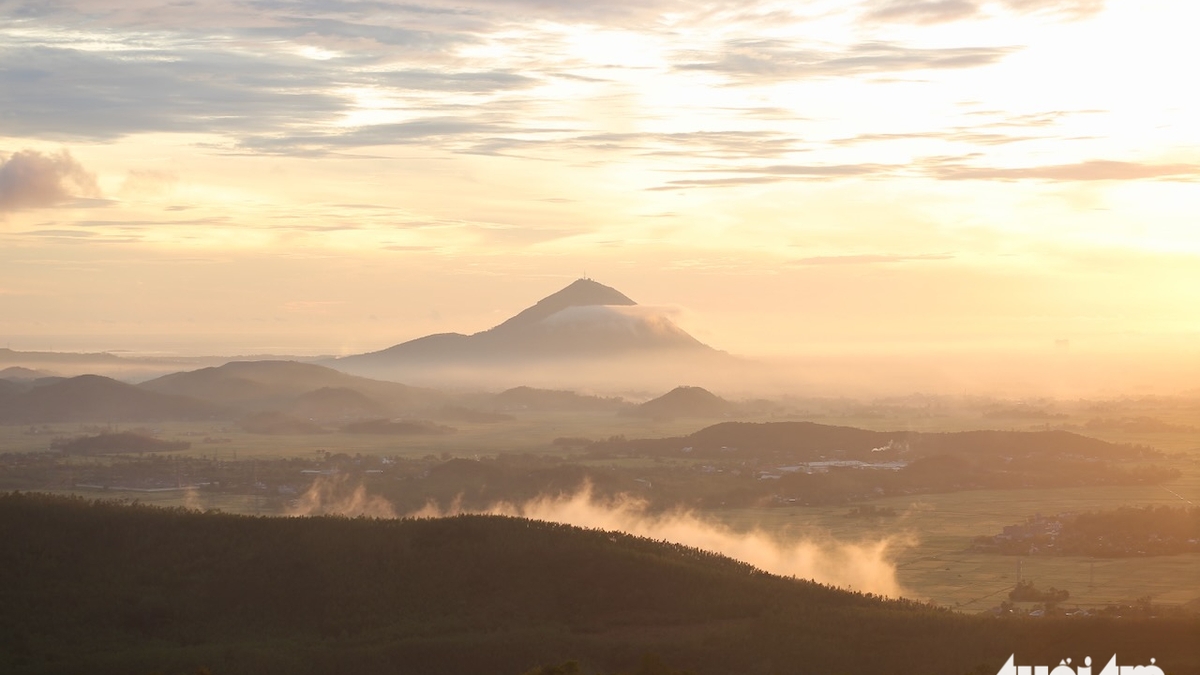
On the "white plateau" of Bac Ha, where mist clings to the mountain slopes and deep valleys… A place known for its four seasons intertwined with the earth, sky, flowers, and fruits… A place where a familiar sound has accompanied the years – the clatter of horse hooves on countless roads and hillsides… A place where the image of horses, the sound of their hooves, though not noisy or hurried… is enough to awaken the memories of generations of highland inhabitants. In Bac Ha, horses are not just livestock. Horses are loyal companions, tireless legs, valuable assets, and irreplaceable spiritual symbols in the lives of the ethnic minorities.

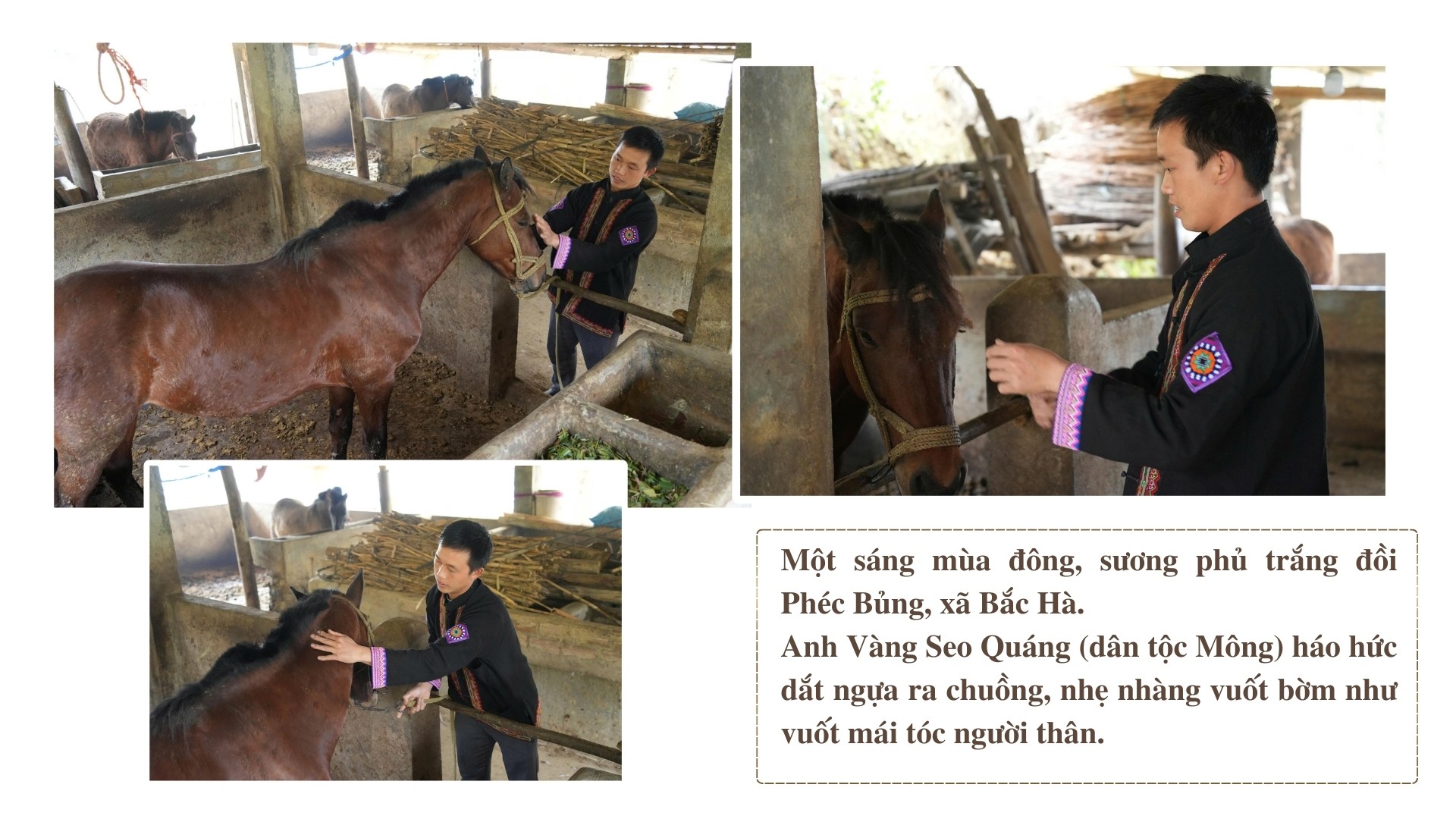
One winter morning, with mist still blanketing the hills of Phec Bung, Bac Ha commune, Vang Seo Quang, a Mong ethnic man, eagerly led his horse out of the stable. He gently stroked the horse's mane, his movements slow and deliberate, as if caressing the hair of a close friend. He said:
- Caring for a horse is like raising a family member. You have to understand it for it to stay with you for life.
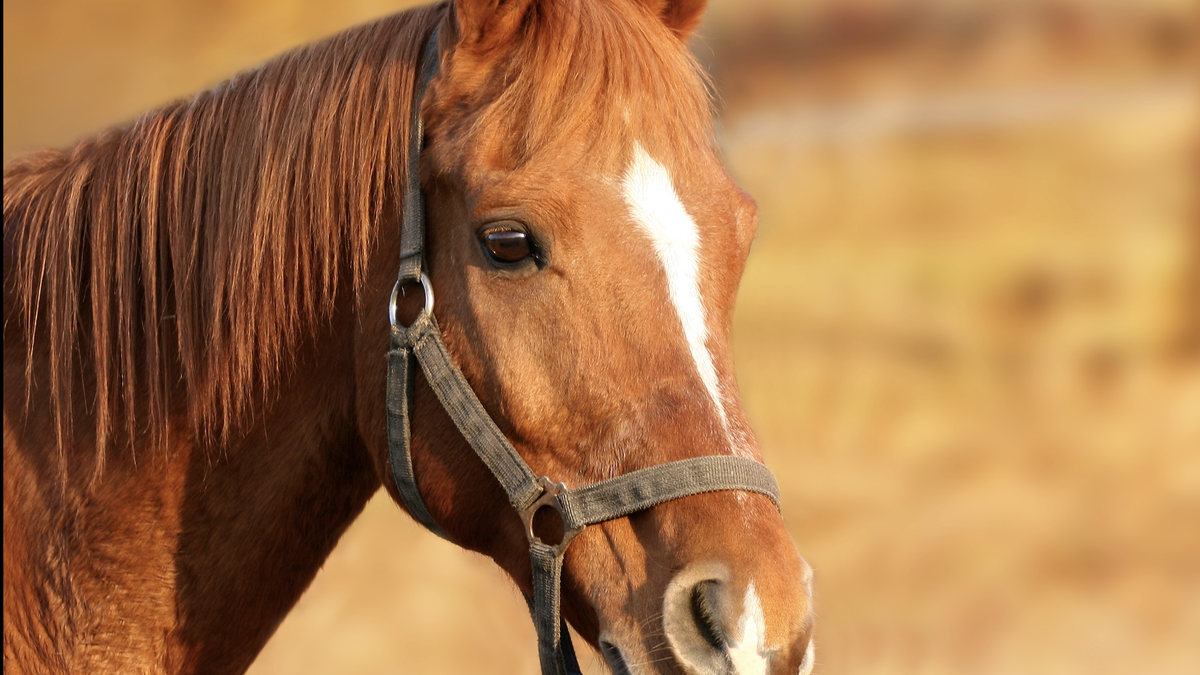
For the people of the Bắc Hà highlands, horses are more than just a means of transportation. On the steep slopes, where even motorbikes sometimes have to stop to give way to nature, horses become the most reliable legs. Horses carry corn, firewood, and goods from the market back to the village, guiding people over long distances through rain, wind, and fog. In the past, a family owning a horse was considered wealthy. But the most precious thing is not its material value. Horses are a source of peace of mind, a belief that allows people to cling to the mountains and forests. In stories told by the fire, the elders still recount to their children and grandchildren that horses understand their owners, know the way, know the way home, and even know when their owners are tired and should slow down. This relationship is forged through labor, through years of hard work, and through a silent, enduring bond.
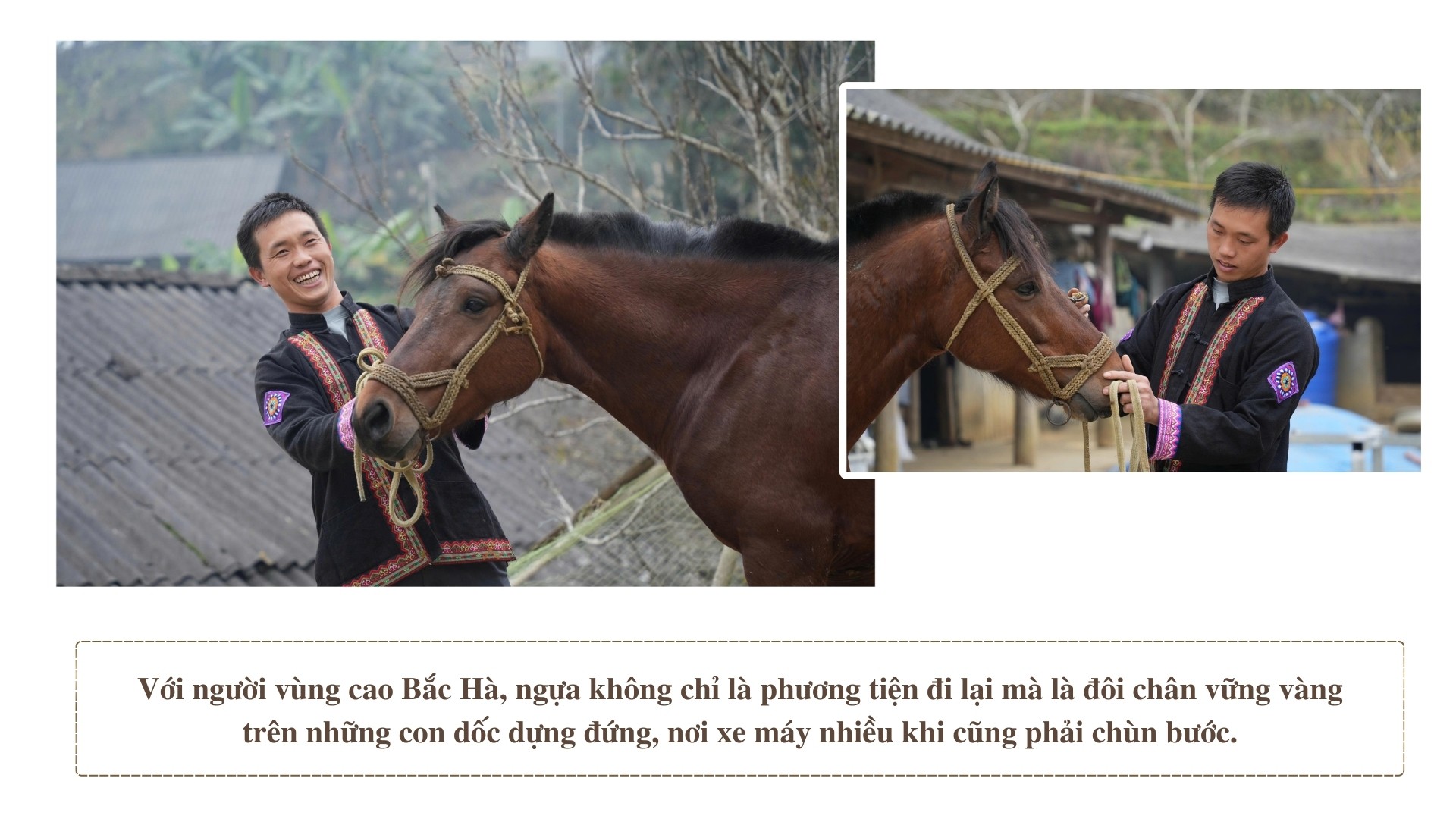

Without training schools or modern stables, the horses of Bac Ha grow up alongside cornfields and mountain winds. By day, they follow people to the fields; by evening, they stand on the porch, chewing dry straw amidst the smoke from the kitchen stove. Their endurance is honed through countless heavy hauls and along long, winding roads and steep slopes.
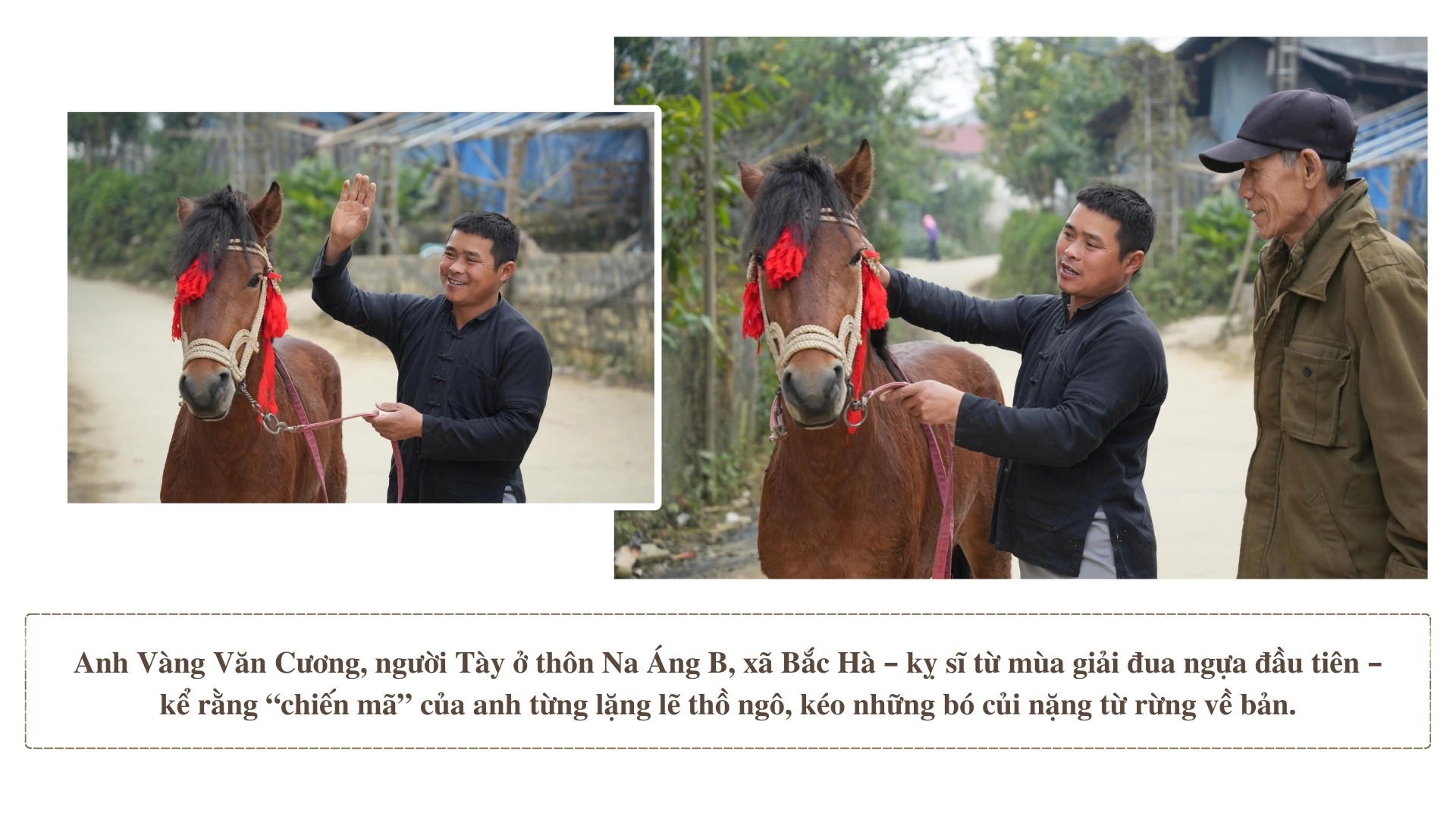
Vang Van Cuong, a Tay ethnic man from Na Ang B village, Bac Ha commune - a jockey from the first Bac Ha Traditional Horse Race - recounts that his horse used to carry corn and heavy bundles of firewood from the forest back home.
"He got used to the job before he got used to racing," Cương shared.
No horse is born to be a warhorse. It must grow up through labor.
Therefore, it is from the cornfields, from the harsh days of rain and sunshine, that the exceptionally resilient "warhorses" of Bac Ha have been forged. Without special rations or elaborate care, the highland horses are strong in their own unique way – strong in adaptability, in living with nature rather than fighting against it. People and horses here are accustomed to hardship. People are used to steep slopes. Horses are used to the wind. And between them, there is a quiet yet strong bond.

Historically, the Bac Ha horse race was usually held in the spring on a regional scale, but it had only been held for two seasons. It wasn't until 2007 that the traditional Bac Ha horse race was officially restored and became an annual event, held every June.
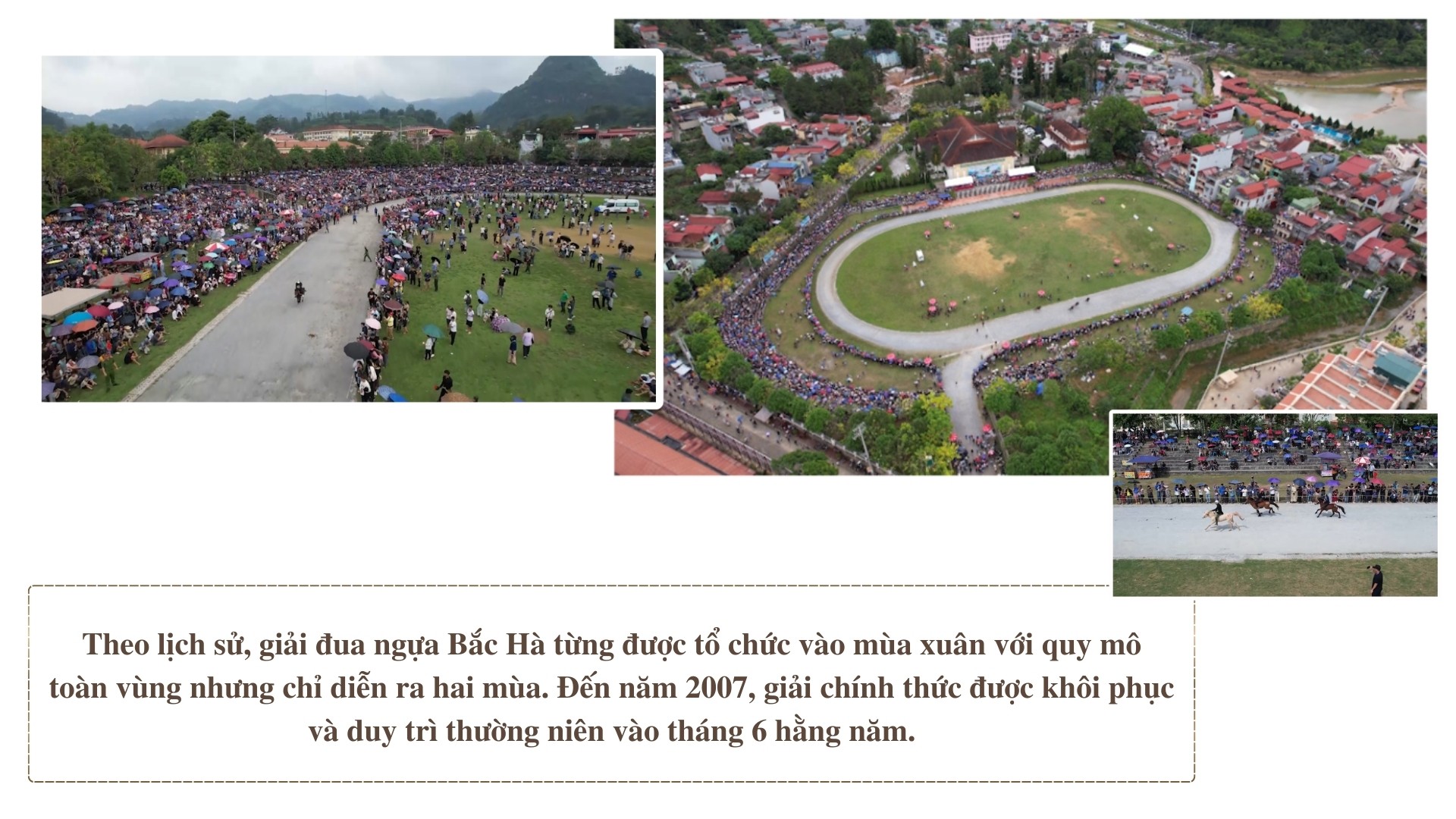
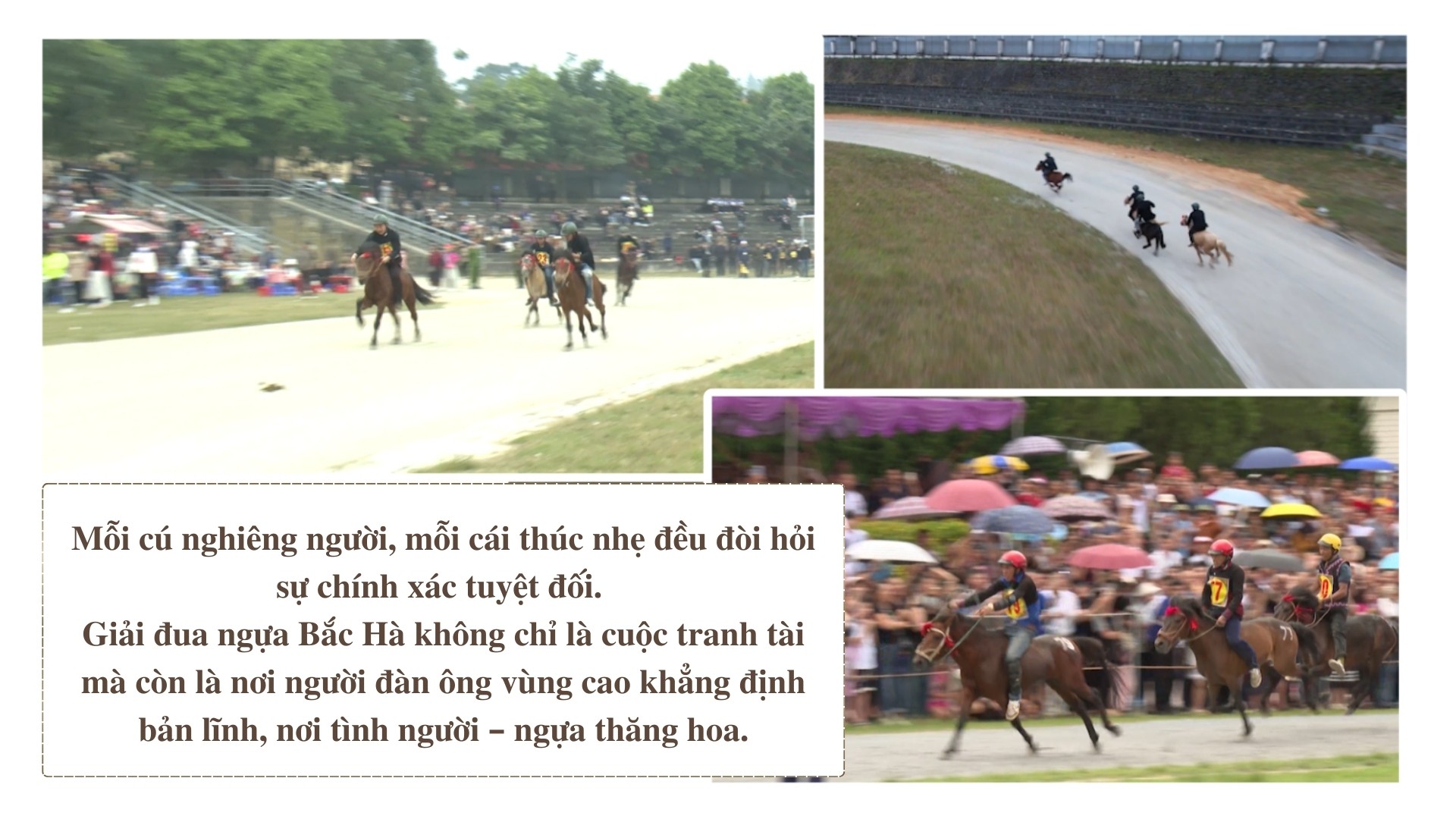
Now in its 19th year, the traditional Bac Ha horse race retains its appeal and the eager anticipation from jockeys to villagers and especially from distant visitors... Riders sit on horseback without saddles, stirrups, or modern helmets, charging onto the track with only absolute faith in their horses. On the red dirt track, hooves kick up clouds of dust, and the cheers of the spectators resound. Vang Van Cuong still remembers the feeling of participating in the race for the first time.
"Once I'm on horseback, I don't think about anything else. It's just me and the horse. I trust it, and it trusts me!" Mr. Cuong shared.
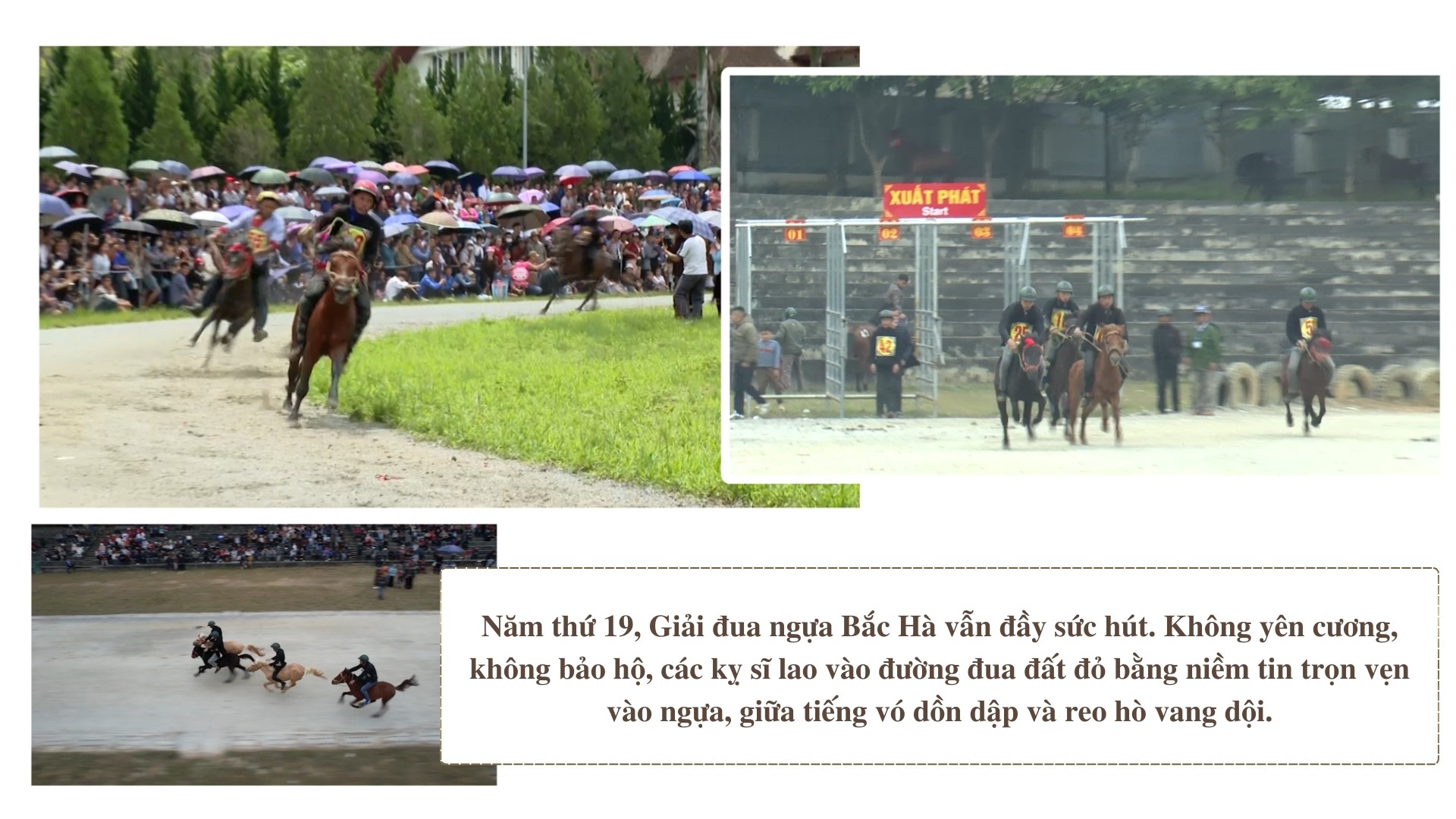
There, there is no room for hesitation. Every lean, every gentle nudge must be precise. The Bac Ha horse race is more than just a competition. It's where the highland men assert their prowess, where the man-horse relationship reaches its peak. The horses, once silently working in the fields and carrying goods, now become the centerpiece of the race, carrying the pride of the entire Northwest region in general and Bac Ha - Lao Cai in particular. Now, the horse race has transcended the realm of community life, becoming a cultural and tourism symbol of the "white plateau." Visitors come not just to watch a race, but to experience the free and uninhibited spirit of this land.
When the racetrack quiets down, when the festival season ends, the horses return to their everyday lives – simple yet endearing. In the weddings of the Nung and Phu La people, the image of a horse adorned with flowers, leisurely carrying the bride to her husband's home, is still present. The sound of hooves blends with the sound of flutes and laughter, creating a scene that is both rustic and sacred. Today, Bac Ha horses have entered a new life alongside tourism. Near the Hoang A Tuong Mansion, tourists can leisurely ride horses around the town, feeling the slow pace of life amidst the vast mountains and hills. Young people lead and care for the horses, preserving the old craft while opening up new livelihoods for their families. Horses have not lost their place; they have simply changed the way they accompany humans.
From cornfields to racetracks, from weddings to tourist strolls, horses remain an integral part of Bac Ha's soul. Amidst the "white plateau," as spring arrives, the sound of horse hooves echoes along familiar roads. Whether on the racetrack, in the cornfields, or on the small paths leading to the bride's home, the horsemen silently maintain the rhythm of the mountains and forests, preserving the spirit of Bac Ha through the years.
Presented by: Bich Hue
Source: https://baolaocai.vn/ky-si-tren-lung-ngua-post893709.html














































Comment (0)