

The ninth president of the Islamic Republic of Iran will face numerous domestic and foreign challenges.
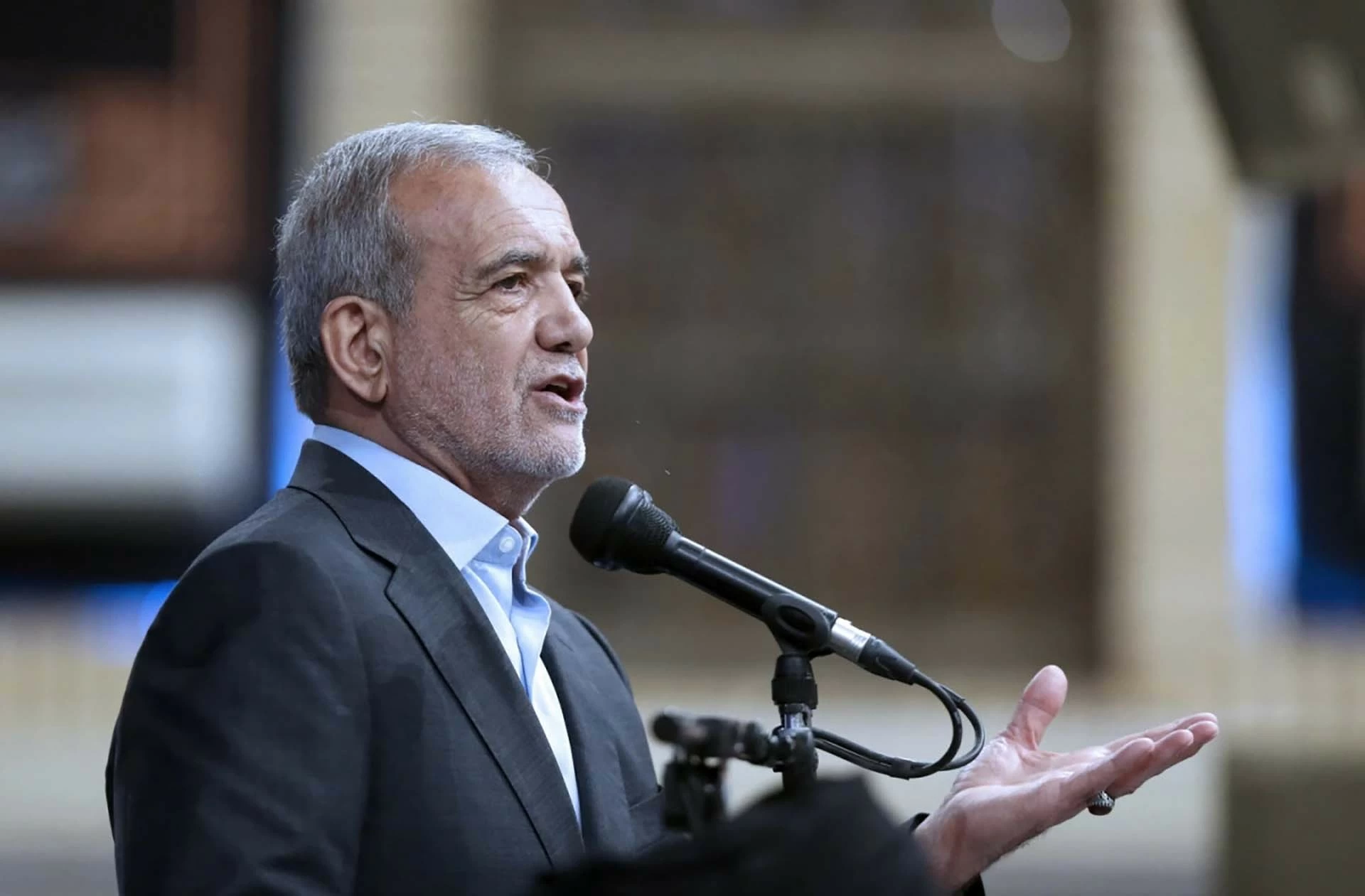 |
| Iran's new president, Masoud Pezeshkian. (Source: AP) |
On July 30th in Tehran, 69-year-old Masoud Pezeshkian, sworn in before Parliament , officially became the ninth President of the Islamic Republic of Iran, succeeding Ebrahim Raisi, who died in a plane crash in May. However, a series of daunting domestic and foreign challenges await him.
A challenging task
The first challenge facing newly elected President Masoud Pezeshkian is forming a new government and surviving a vote of confidence. The 69-year-old politician will have two weeks to form a government before facing his first vote of confidence.
The leader has now appointed Mohammad Reza Aref, 72, as his deputy. Aref holds a centrist reformist stance and previously served in this position under former President Mohammad Khatami, during the period when Pezeshkian was Health Minister. In the coming days, the new Iranian president is expected to appoint key officials, with a greater number of centrist reformist politicians appearing on the scene.
However, even as he criticized the hardliners for failing to restore the 2015 Joint Comprehensive Plan of Action (JCPOA) or selling oil at low prices to avoid sanctions, they remain the key force, led by Supreme Leader Ali Khamenei. Therefore, the leader may well add some more hardline figures to his cabinet. Pezeshkian's efforts to consolidate his position contribute to restoring balance and unity among political forces. Besides mentioning the departure of his predecessor, he praised Major General Qassem Soleimani, the iconic figure of Iran's Islamic Revolutionary Guard Corps (IRGC), who was assassinated by US forces in Baghdad, Iraq, in January 2020.
The second challenge he needs to address quickly is restoring the economy and finding new drivers of growth. Data from Iran's Statistics Center shows that despite increased public spending and revenue from oil sales, Gross Domestic Product (GDP) growth has slowed, falling from 7.9% (Q2 2023) to 5.1% (Q4 2023). From March 2023 to March 2024, GDP growth reached only 4% and is projected to fall to 3% in the 2024-2025 fiscal year. Inflation stands at 43.6%, and investments in Iran have plummeted, now accounting for only 11% of GDP.
On the positive side, the unemployment rate in Iran decreased from 9% (fiscal year 2022-2023) to 8.2% (2023-2024). At the same time, statistics from the Central Bank of Iran show that the service sector accounts for an increasingly large share (58%) of the economy, creating stable jobs. If maintained and stimulated appropriately, this could be a new growth engine for Iran, thereby reducing its dependence on oil sales.
A turning point in Tehran?
To date, oil exports remain a key source of income. However, to fully realize the potential of this sector, resuming the JCPOA or seeking a similar agreement on lifting sanctions is necessary. Speaking on July 30th, the new Iranian president affirmed: “I will not stop until those unjust sanctions are lifted. We want to normalize economic relations with the world.” Iran’s ambassador to the United Nations, Amir Saeid Iravani, emphasized that restoring the JCPOA is “the best option” and that the government is ready to adjust its nuclear program if sanctions “are completely and verifiably lifted.” This represents a significant shift in the Pezeshkian administration compared to his predecessor, Raisi.
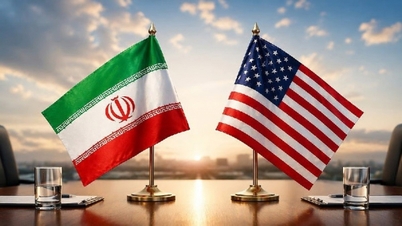
However, Pezeshkian asserted that resuming the JCPOA or seeking a similar agreement does not mean Iran is making concessions to the US. In an article published in the Mehr Times (Iran) on July 12, the politician emphasized: "The US needs to face reality and understand that, now and in the future, Iran has not and will not succumb to pressure." Asserting that the US withdrawal from the JCPOA and its hostile attitude towards Iran are the main reasons for the current state of relations between the two countries, Pezeshkian urged the US to "learn from past miscalculations and make appropriate policy adjustments."
His views on the remaining parties to the JCPOA were somewhat more moderate. The politician acknowledged that Iran-Europe relations had "seen many ups and downs," citing the efforts of France, Germany, and the UK to salvage the agreement, but failing to fulfill their commitments. However, he hoped for "constructive dialogue" between the two sides to get relations back on track; this statement and the presence of the European Special Envoy for Iran's nuclear negotiations, Enrique Mora, at Pezeshkian's inauguration ceremony were positive signals.
Iran's new president hopes to continue establishing a mutually beneficial "Comprehensive Strategic Partnership" with China, based on the 25-year roadmap agreed upon by both countries, towards a new world order. The politician highly values China's role in efforts to normalize relations between Iran and Saudi Arabia.
Regarding Russia, he affirmed that the country remains an "important strategic partner and neighbor" of Iran; both sides are committed to expanding and deepening relations. At the same time, the new government is ready to promote peace initiatives in Ukraine. The new Iranian president is expected to meet his Russian counterpart, Vladimir Putin, at the BRICS summit in Kazan, Russia, next October.
On a regional level, he affirmed that Iran “desires to cooperate with Türkiye, Saudi Arabia, Oman, Iraq, Bahrain, Qatar, Kuwait, the United Arab Emirates (UAE), and regional organizations” to strengthen political relations, economic ties, and address common challenges. However, his stance on Israel was quite different. Using very strong language to criticize Israel and its military campaign in the Gaza Strip, he expressed strong support for the Palestinian state and people. This aligns with the general position of both hardline and moderate reformist factions within Iran.
Will the new winds of change in Tehran help build political stability, unlock new growth drivers, and maintain and enhance Iran's position in a volatile Middle East? The answer remains to be seen.
Source: https://baoquocte.vn/tong-thong-masoud-pezeshkian-lan-gio-moi-tai-iran-280910.html



















































Comment (0)