

The teacher is old, the singer is old too.
At the seminar "Young People in the Development of Contemporary Theatre" recently held in Hanoi , People's Artist Thanh Tram, Chairman of the Art Council of the Hanoi Theatre Association, stated that traditional theatre is currently facing a crisis of a shortage of young artists, especially talented artists capable of preserving and promoting the value of these precious artistic heritages. Statistics from the Department of Performing Arts in 2024 show that the number of actors aged 20-25 in theatre units nationwide only accounts for 5.6%. This shortage of young actors forces theatres to cast older actors in plays, often using makeup to portray younger characters.
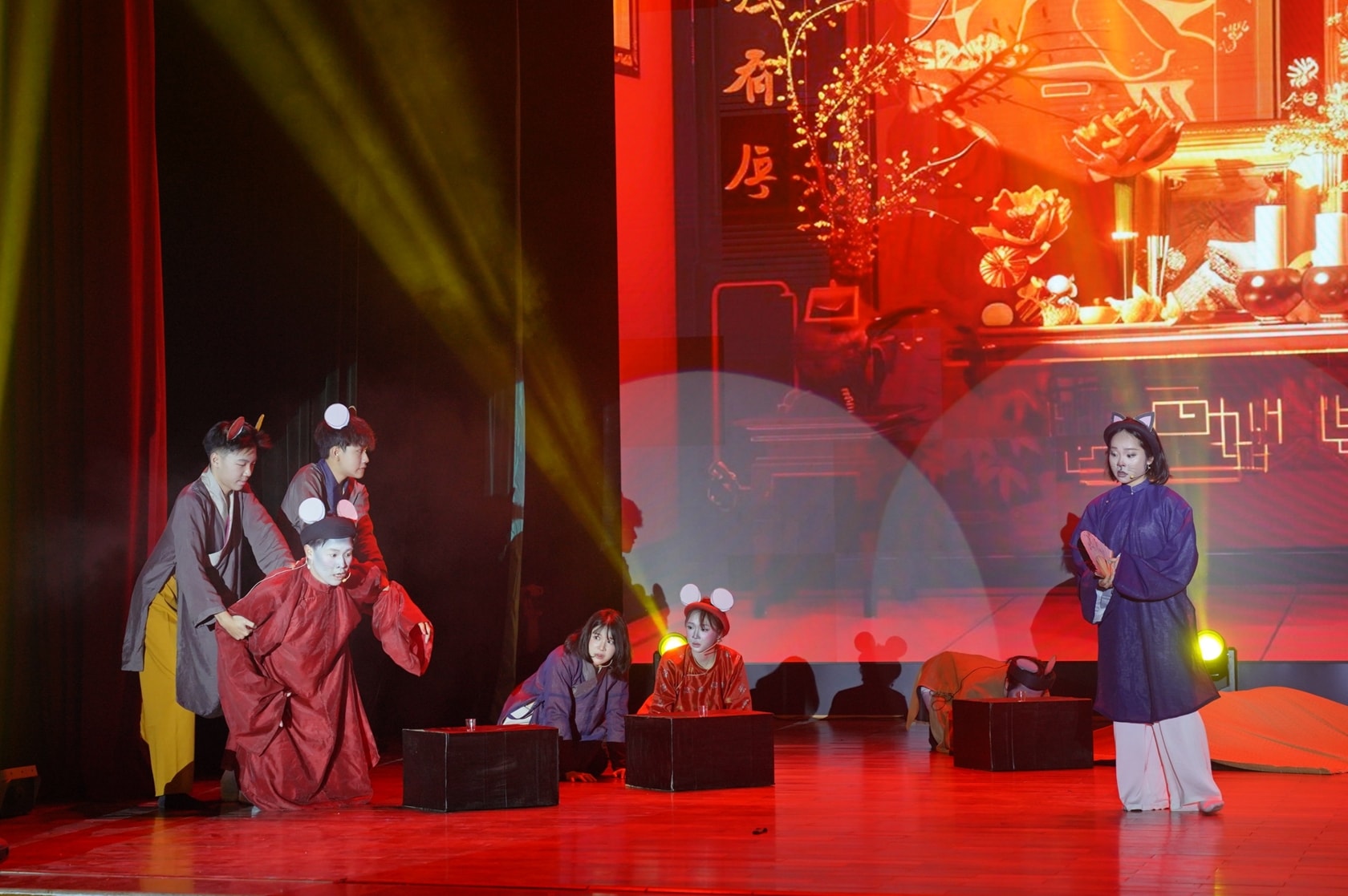
The shortage of young actors is particularly evident in traditional Vietnamese theater forms such as Tuong, Cheo, and Cai Luong, where theaters have struggled to recruit young artists for many years. The inflexible system, with increasingly reduced staffing quotas and rising retirement ages, means that many artists who have passed their prime but haven't yet reached retirement age are filling the theaters' staffing quotas.
Furthermore, the already scarce pool of applicants has been exacerbated by the fact that the Hanoi University of Theatre and Film has not been able to recruit students for traditional arts programs for many years. "These problems lead to the reality in traditional art troupes today that 'the teachers are old, and the performers are also old,'" said People's Artist Thanh Tram.
The human resource gap is also evident in the disparity in the number of creative personnel, from authors, directors, actors, artists, musicians, choreographers to sound and lighting technicians, and researchers, theorists, and critics of theater. Actors account for approximately 90% of the workforce, while other components are few and far between. People's Artist Thanh Tram stated that the organizational structure of all central and provincial/city theater performing arts units lacks sufficient personnel in these areas. Many units even lack directors, artists, musicians, and choreographers, having only actors and sound and lighting technicians. This puts traditional Vietnamese opera at risk of a shortage of scriptwriters and a lack of high-quality theoretical research and writing.
“At recent professional festivals and competitions, generally speaking, there haven't been any truly outstanding new directors who have made a significant impact and are capable of surpassing the legacy of the veteran directors who came before them. Furthermore, while they are called young directors, most are around 50 years old, primarily established actors who have transitioned into directing. Few are under 45. The question is, after regular training courses at schools, young directors graduate, yet why is the number of stage directors still so scarce? Is the problem in the training process or in the policies for employing and rewarding young directors?” pondered People's Artist Thanh Tram.
Author Nguyen Toan Thang also argues that, besides the shortage of a new generation of writers, actors, directors, choreographers, etc., there is also concern about the "desert-like absence" of a new generation of theorists and critics. The stage – after a period of almost monopolistic dominance – is beginning to give way to film, television, and now social media platforms and digital technology .
Young people still lack opportunities to showcase their talents.
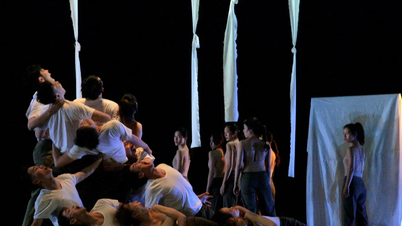
Young people are a crucial driving force for innovation and development in today's theater, bringing new creativity, modern thinking, and a strong spirit of commitment. According to Meritorious Artist Pham Ngoc Duong, in the trend of integration and digital transformation, young creative forces play a vital role in promoting art. Many young authors are not afraid of challenges; their works directly address the issues that need to be addressed and are highly relevant to the times.
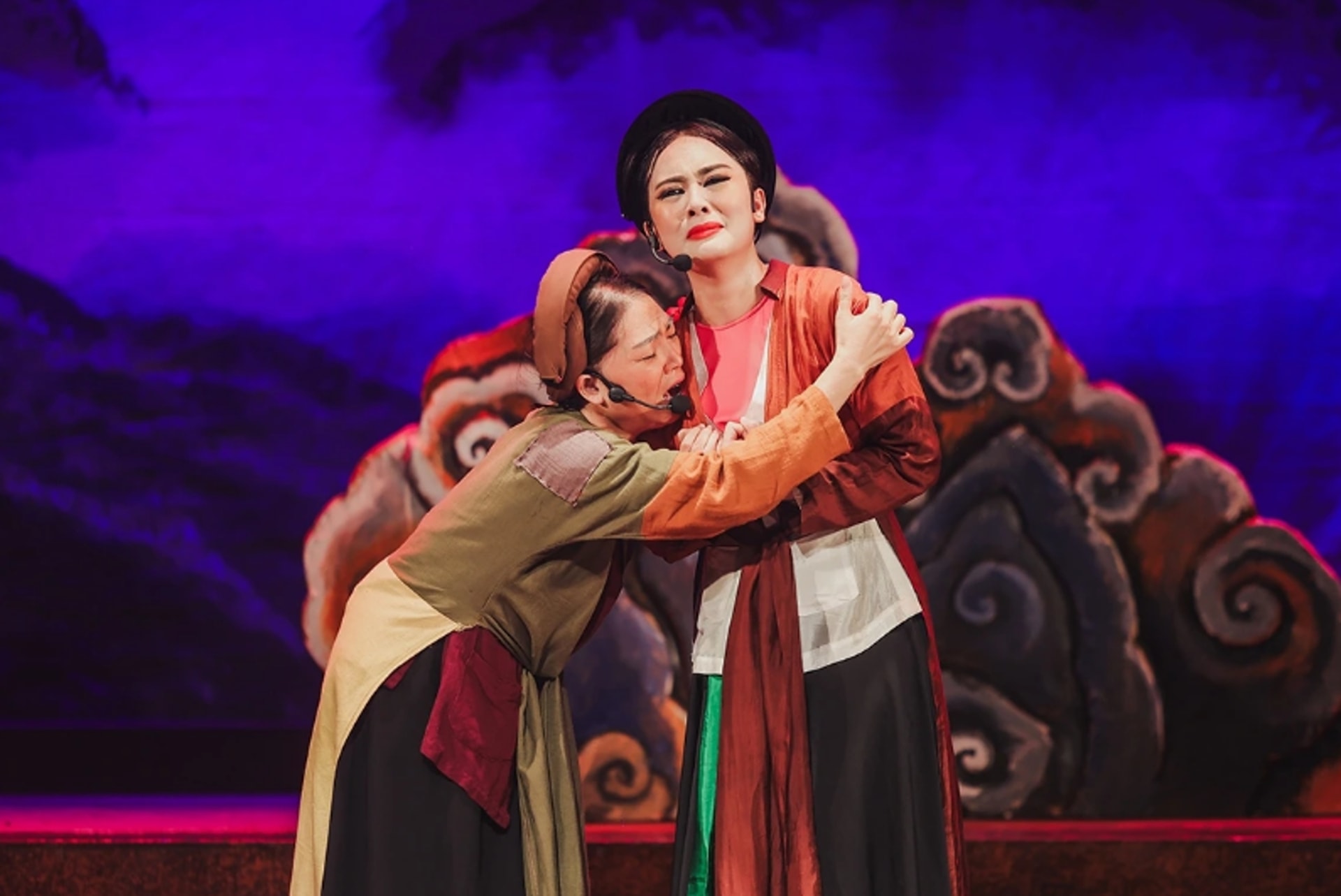
Furthermore, the creative forces directly on stage, such as directors and young actors, are always eager to "revitalize" old or outdated works of art. Their works vividly portray the rhythm, spirit, and people of today, bringing art closer to all audiences, especially young audiences.
However, a long-standing paradox exists: art unit leaders have yet to place their trust in young creative talents – this seems to be the biggest obstacle currently facing young people. To avoid the risk of financial losses, theaters often prioritize the creations of veteran directors or established works. According to People's Artist Thanh Tram, the leader of a traditional theater, who frankly admitted that the theater only has the budget to stage a few plays each year for performances and competitions, they often have to invite star directors or established directors to direct plays rather than entrusting them to inexperienced directors. As a result, opportunities for young directors to practice their craft are limited, and everything continues in a vicious cycle, leaving young directors with no "space" to grow.
Sharing the same view, Meritorious Artist and director Nghiem Nhan also believes that creativity and a willingness to experiment are among the outstanding advantages of the younger generation. They dare to boldly break old molds, quickly absorbing modern theatrical languages such as dramaturgy, non-linear drama, visual theater, surreal theater, and absurdist theater. They can master modern technology – elements that open up new expressive spaces and enhance visual effects. However, they are also facing difficulties and challenges due to a lack of practical opportunities, limited resources, and inadequate training and development mechanisms.
According to director Nghiem Nhan, young people need a "creative laboratory," a place where they can experiment, make mistakes, correct them, and try again. However, we currently lack dedicated spaces for young people to develop. Theaters hardly have stages for young people, professional experiential spaces are scarce, and school and community theaters have not received sufficient investment.
Furthermore, the prejudices of some older judges at festivals, and the persistence of outdated aesthetic standards, lead to an "unconscious aversion" to new experiments. This makes it difficult for young artists' works to win awards, even if they are creative; gradually, young people lose motivation, become discouraged, and leave the profession.
Based on this experience, director Nghiem Nhan suggested that theaters should allocate 20-30% of their annual production slots to young talents, and establish a fund for the development of young theater performers to support the funding for experimentation, training, and technology development, as well as building an ecosystem connecting training, production, and performance.
Many opinions at the seminar also suggested that, to fill the gap in the next generation of artists, a comprehensive system of solutions is needed, ranging from training to expanding the professional practice environment and incentive policies. When art organizations, training institutions, and management agencies work together to create favorable conditions, young artists will have the opportunity to hone their skills and create, thereby contributing to the sustainable and vibrant development of Vietnamese theater in the future.
Source: https://congluan.vn/lap-khoang-trong-nhan-luc-tre-nganh-san-khau-bai-toan-kho-voi-cac-nha-hat-10323016.html


![[Photo] Prime Minister Pham Minh Chinh attends the Conference on the Implementation of Tasks for 2026 of the Industry and Trade Sector](/_next/image?url=https%3A%2F%2Fvphoto.vietnam.vn%2Fthumb%2F1200x675%2Fvietnam%2Fresource%2FIMAGE%2F2025%2F12%2F19%2F1766159500458_ndo_br_shared31-jpg.webp&w=3840&q=75)







































































Comment (0)