

Traditionally, on the 18th and 19th of January each year, the people of Van Hoa neighborhood, Ngoc Lac town (Ngoc Lac district) and the people of neighboring Muong areas organize the water procession festival at Ban Bu cave.
 Procession of palanquins at the Meo Temple festival.
According to historical records, during the resistance against the Ming army, this place served as a refuge and gathering point for the Lam Son rebels. Ban Bu Stream was an outer defensive line that helped Le Loi and his army defeat the Ming army many times. After the successful uprising, Ban Bu Cave was bestowed a royal title by King Le Thai To. Since then, the Ban Bu Cave water procession festival has been preserved and promoted.
In Lang Chanh town, Meo Pagoda, also known as Mieu Thien Temple, was built in the 13th century during the Tran Dynasty. At that time, the pagoda was called Chu Pagoda and was considered one of the three largest pagodas in Thanh Hoa province. When raising the banner of the Lam Son Uprising, Le Loi and his army prayed at Chu Pagoda for the success of the resistance. After the uprising ended, Le Loi issued a decree changing the name of Chu Pagoda to Meo Pagoda. Currently, Meo Pagoda is a provincial-level historical and cultural relic, a scenic spot, and a spiritual and cultural tourism destination of the province.
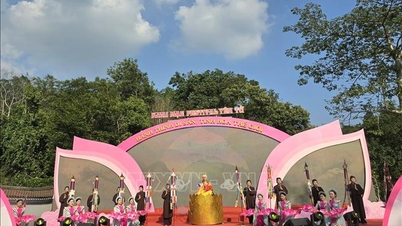
The Meo Pagoda Festival is held on the 6th and 7th of January every year, featuring many religious, cultural, and sporting activities that reflect the rich culture of the ethnic groups in the district. Through the festival, people remember and express gratitude to those who have contributed to the country, and pray for prosperity, abundance, and bountiful harvests.
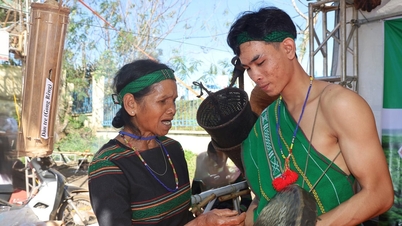
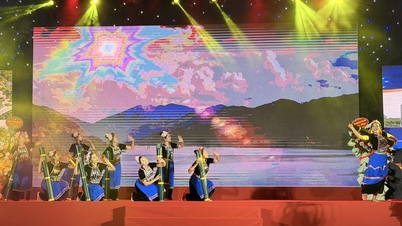
In keeping with the tradition and moral principle of "drinking water, remembering the source," the festivals of ethnic minorities in many mountainous areas of Thanh Hoa province are held enthusiastically at the beginning of spring. Most of these festivals are linked to historical events, commemorating national heroes; therefore, the games and performances often reflect a spirit of martial arts; the rituals at these festivals are organized solemnly, sacredly, and respectfully.
Festivals are held not only to commemorate those who have contributed to the country, but also as an opportunity for people to have fun, compete, and pray for favorable weather and bountiful harvests. Notable examples include: the Thi Temple festival of the Tho ethnic group in Nhu Xuan district; the incense offering ceremony to Trung Tuc King Le Lai in Thanh Son village, Kien Tho commune (Ngoc Lac); the procession of the sacred fish (also known as the Khai Ha ceremony) in Cam Luong commune, Cam Thuy district; the Cua Dat Temple festival (Thuong Xuan); and the Phu Na festival (Xuan Du commune, Nhu Thanh district)...
Text and photos: Khanh Linh
Source


![[Photo] Prime Minister Pham Minh Chinh attends the Conference on the Implementation of Tasks for 2026 of the Industry and Trade Sector](/_next/image?url=https%3A%2F%2Fvphoto.vietnam.vn%2Fthumb%2F1200x675%2Fvietnam%2Fresource%2FIMAGE%2F2025%2F12%2F19%2F1766159500458_ndo_br_shared31-jpg.webp&w=3840&q=75)














































Comment (0)