



Swinging – a popular folk game in many villages of Thanh Hoa province during the Lunar New Year.
Amidst the vibrant atmosphere of the spring days – the Lunar New Year of the Horse 2026, somewhere in the memories of the old Gia Mai village, formerly Te Thang commune (later merged into Thang Loi commune), the image of people eagerly preparing for the blessing ceremony and the red and white horse race reappears.
This game is elaborately organized with the participation of two village clans: the East clan and the West clan. According to tradition, each clan will build a horse. Before building the horses, the two clans must draw lots; the clan that draws the word "red" will build the red horse, and the other clan will build the white horse.
Horses are the symbol and soul of the festival. Therefore, from the end of the year, villages must hold meetings and send people to ask for bamboo to make the horses. The bamboo used for the horses must be young bamboo (around 2 years old), straight, with long segments... And the family from whom the village asks for bamboo must be a well-off family, maintaining good customs and traditions, and without any bereavement or reason for doing so during the year.
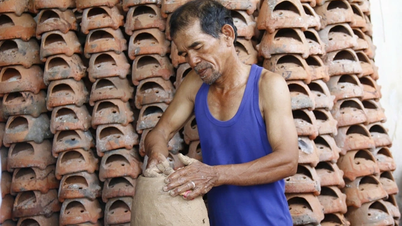
On the fourth day of the Lunar New Year, people from the two hamlets gather to make horses. The horse frame is made of bamboo, and the base has four wheels to help the horse move. The horse's skin is skillfully woven by the villagers, the size of a real horse. After weaving the skin, they buy paper to make the hide and dye it. Once the horse is formed, they must make a saddle, bridle, bells, tail, mane, etc. In particular, the tail and mane of the pink horse must be made from fig tree roots; while the tail and mane of the white horse are made from wild pineapple leaves that have been soaked for a while until the leaves and stems decompose, leaving only the fibers. Each horse must have 60 bells made of fired clay so that when the horse runs, it makes cheerful sounds, adding to the excitement and liveliness of the festival.
The traditional race between red and white horses in Gia Mai village was held in the uncultivated rice fields. When the village elder struck the drum three times, the village chief beat the drum nine times, then struck three more times before pulling the reins taut. Young men and women ran to grab the reins. The number of people holding the reins was just enough; they were not allowed to touch the horses' bodies. They pulled slowly around the field once to warm up. The cheers of the villagers filled the entire countryside. After the drums stopped, the flags were raised, and both sides unleashed their horses to run at full speed amidst the cheers and gongs of the villagers. The horses had to complete three laps. The horse that didn't fall or touch the white line won. The winning village would represent its people in the ceremony to worship the gods. At the end of the race, both horses were cremated together as a ritual to bid farewell to the gods.
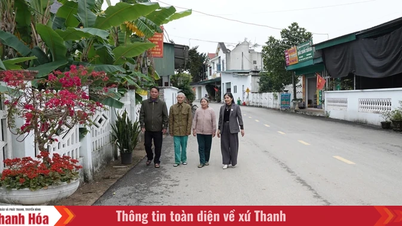
The image of the vibrant pink and white horses racing against the backdrop of the spring fields is no longer preserved. Mr. Le Van Sinh, head of Gia Mai village (Thang Loi commune), shared: "Our generation was born and raised when the spring horse racing game had faded away, only heard vaguely in stories from our elders. The place where the village used to hold this competition is now a densely populated residential area."
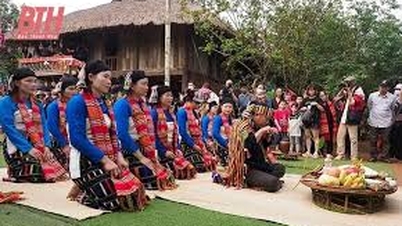
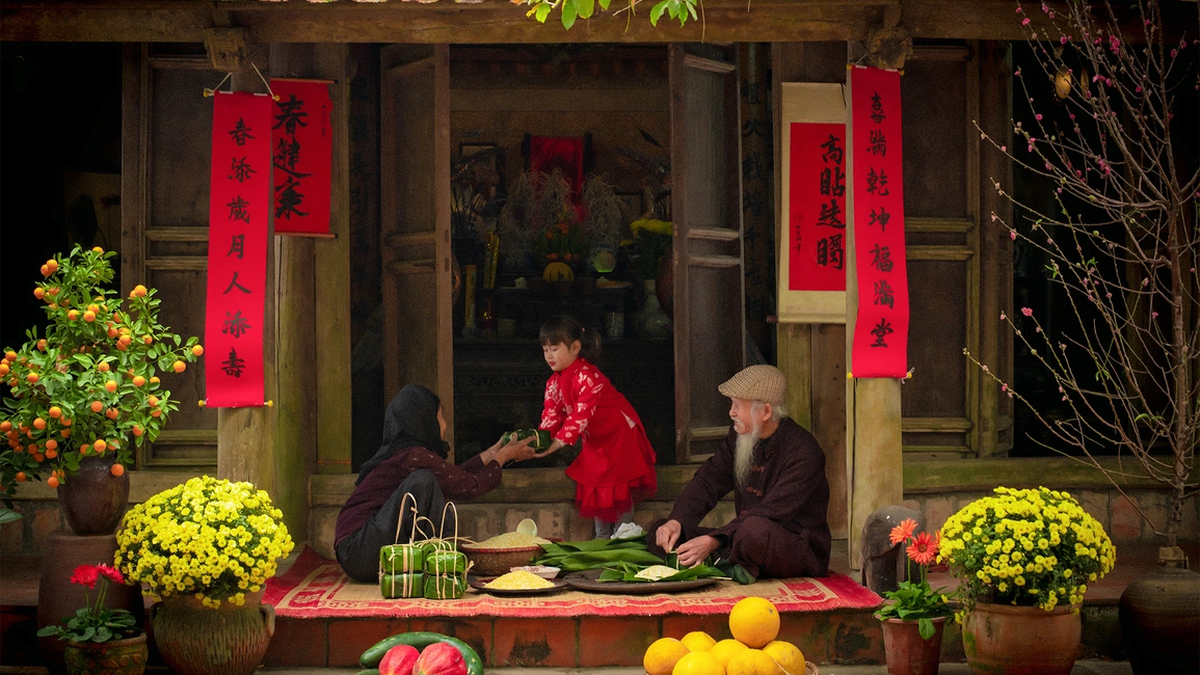
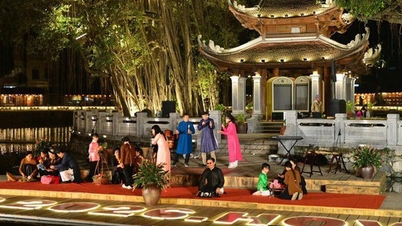
Gone are the preparatory meetings and village gatherings for weaving mats and making horses from red and white paper, and the bustling competitions, but the people of Gia Mai village still celebrate Tet (Lunar New Year) with many distinctive cultural activities steeped in tradition. Every year at the beginning of the new year, the Gia Mai village cultural center is filled with lively folk games such as sack racing, swinging, and cultural performances... Especially, the sounds of Cheo (traditional Vietnamese opera) once again resonate throughout this peaceful countryside.
Just like the red and white horse competitions of Gia Mai village, many traditional spring games of Thanh Hoa province have faded away over time. While it's regrettable, and we know that some things, once lost, can never be found again, it's an inevitable part of life. The most important thing is that the meaning and value of spring and Tet (Lunar New Year) remain deeply ingrained in the Vietnamese consciousness and the flow of Vietnamese culture.
Spring and Tet (Lunar New Year) remain occasions for the entire nation to share in a common joy. During this time, spring games serve as a bridge connecting the past and present, preserving traditional cultural values while simultaneously incorporating new values of the modern era to enhance and enliven the festive atmosphere of the New Year.
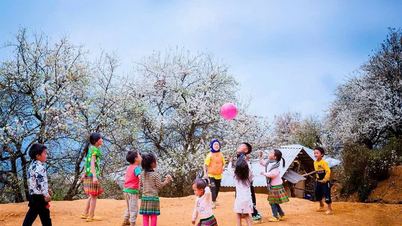
Springtime in the highlands features games showcasing skill and community spirit, such as throwing the ball, stick pushing, crossbow shooting, and flute dancing. These folk games and performances are not only forms of entertainment and spring festivities but also rituals to pray for a bountiful harvest and favorable weather. Closely associated with villages and communes, within historical sites, large numbers of people enthusiastically participate in games like human chess, wrestling, ball fighting, tug-of-war, swinging, and rice cooking competitions. Coastal areas are often vibrant with boat races and rowing competitions.
Spring games not only reflect optimism, love of life, and spiritual beliefs, but also uphold the spirit of chivalry, cultivate perseverance, physical fitness, community spirit, and teamwork, and convey springtime aspirations. Therefore, reflecting on what has been lost helps us appreciate what we have more, and fosters a greater awareness of preserving and promoting traditional cultural values.
Text and photos: Dang Khoa
This article uses material from the book "Spring Games in Thanh Hoa Province" (2003).
Source: https://baothanhhoa.vn/le-xua-nep-cu-278941.htm








































Comment (0)