

The digestive system works to break down food and convert it into energy. Some foods, such as spicy dishes, although delicious, can cause digestive discomfort and stomach pain when consumed in excess, according to the health website Medical News Today (UK).

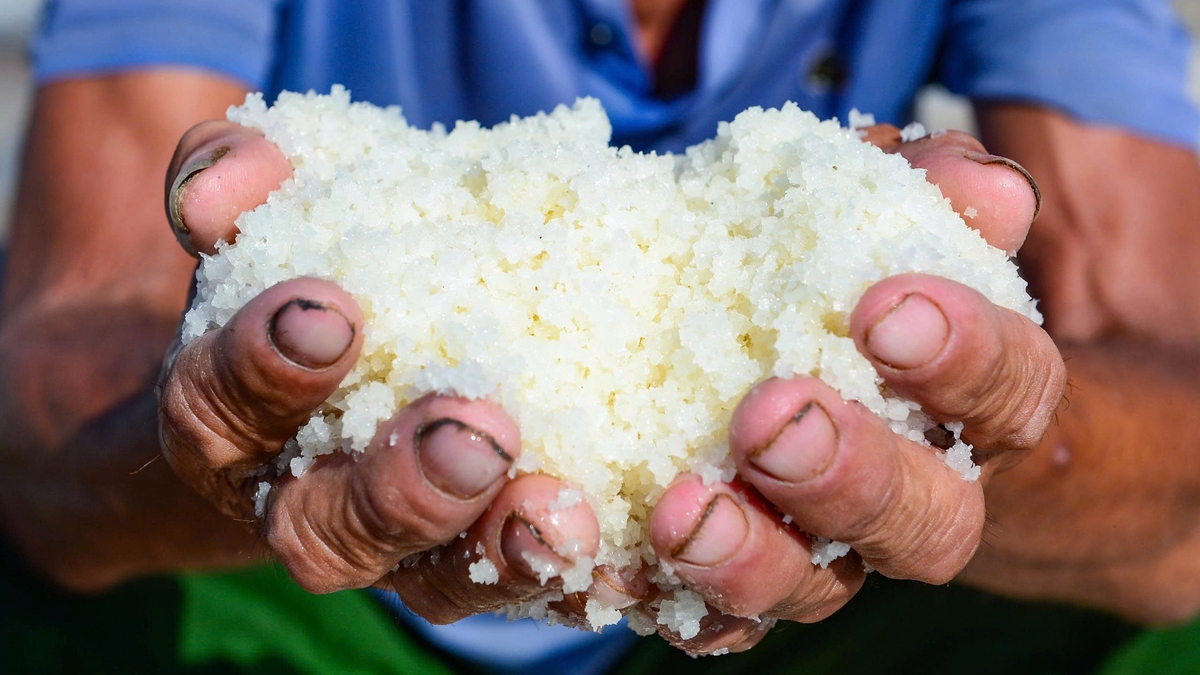
Starch has a soothing effect on stomach pain.
Stomach pain can also be caused by eating late at night or eating too quickly. Besides pain, people with stomach pain will experience bloating, discomfort, and a burning sensation in the upper abdomen. Food intolerances and viral infections are other common causes of stomach pain.
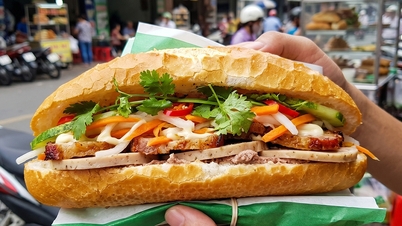
When experiencing pain, foods high in starch, including white starch, are suitable and very beneficial for the stomach. Foods made from white starch, such as cakes, bread, and white rice, although they may raise blood sugar, are easy to digest and help soothe pain.
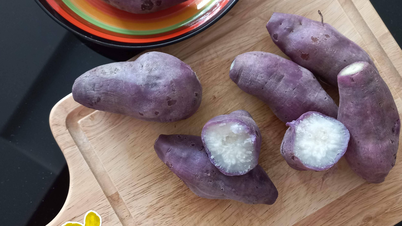
Meanwhile, foods made from complex carbohydrates like sweet potatoes and whole grains, although digested more slowly, are rich in fiber. This fiber absorbs excess acid in the stomach, thereby reducing discomfort.
Other options besides starch
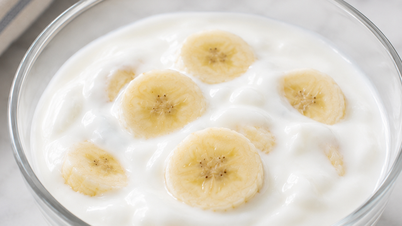
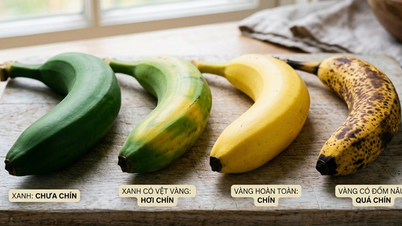
Those who don't want to eat carbohydrates can absolutely choose other options. The first choice should be bananas. Bananas help reduce stomach acid levels. The abundant potassium in bananas also helps reduce stomach irritation.
Another food that is beneficial for the stomach is ginger. Patients can use ginger in the form of fresh ginger, ginger tea, or ginger wine. With ginger wine, experts recommend drinking it slowly, in small amounts at a time, so that the stomach can tolerate it well.
Foods to avoid
In addition, people with stomach pain should avoid certain foods that can worsen the pain. Foods to avoid include spicy foods, greasy foods, highly acidic foods, caffeine, and alcohol. Alcohol, in particular, can rapidly increase stomach acid levels and irritate the lining of the stomach wall.
Most stomach aches will resolve within 24 to 36 hours. However, if the pain persists, or if accompanied by symptoms such as vomiting, diarrhea, blood in the vomit, or bloody stools, you should see a doctor as soon as possible.
Patients also need medical attention if they are unable to urinate for 8 hours, have vomited and had bowel movements but the pain does not subside. To reduce the risk of stomach pain, people should eat slowly, chew thoroughly, avoid overeating, drink enough water, eat enough fiber, and avoid eating large meals late at night, according to Medical News Today .
Source link




![[Photo] General Secretary and President To Lam presides over the meeting to approve the draft report on the results of the second inspection by the Politburo of the Standing Committee of the Hanoi City Party Committee.](https://vphoto.vietnam.vn/thumb/1200x675/vietnam/resource/IMAGE/2026/05/26/1779789811432_a2-bnd-4430-9620-jpg.webp)


























































































Comment (0)