

In the bustling streets of the British capital, many people may be having their faces scanned by cameras for just seconds without even knowing it.
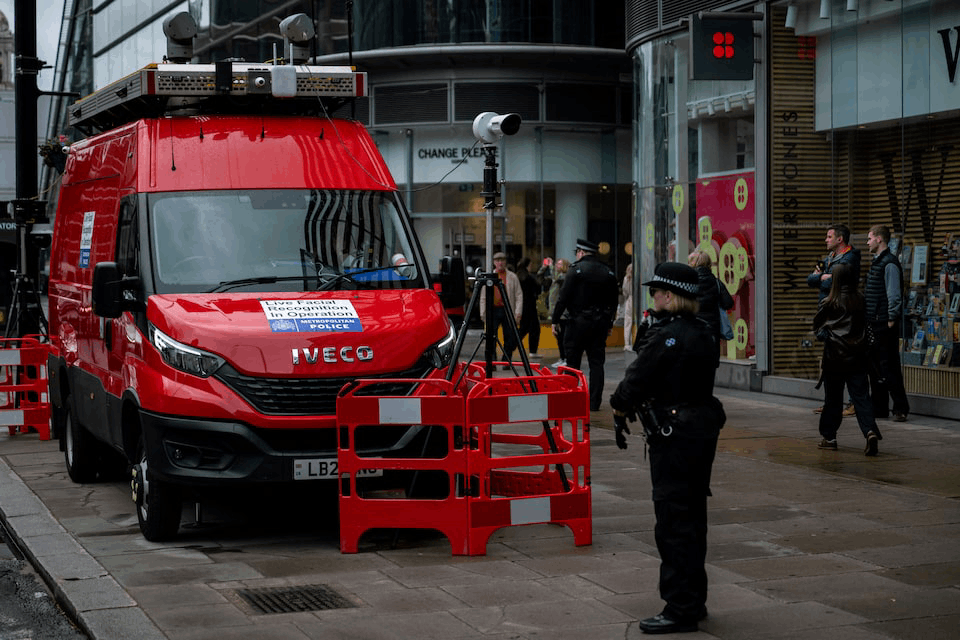
The system converts facial images into biometric data and then compares it to a watchlist of approximately 17,000 people, mostly derived from police detention data.
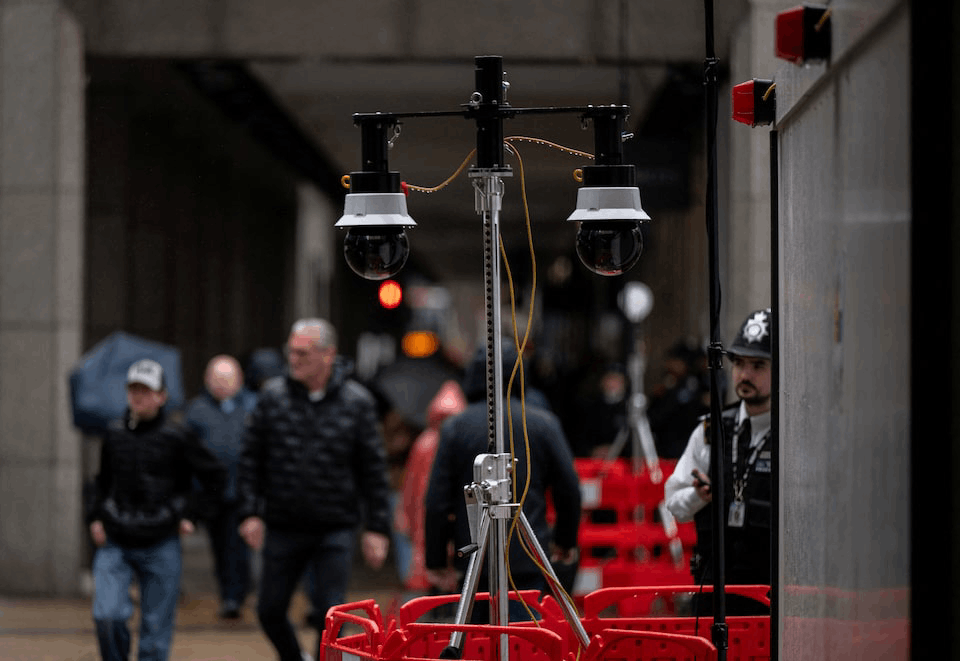
In just over a year, this technology has helped apprehend approximately 2,500 wanted individuals, including many suspects involved in violence and sexual crimes.
Lindsey Chiswick, Director of Live Facial Recognition at the London Metropolitan Police, described the technology as "breakthrough" for security operations. According to her, the system allows police to quickly identify dangerous suspects in crowds, something that was previously very difficult to do.
Ms. Chiswick cited the case of a convicted pedophile who was identified walking with an eight-year-old girl on the streets of London. “This person should not have been allowed to be alone with a girl like that,” she said. The suspect was subsequently returned to prison for violating his probation conditions.
London police claim the system is highly accurate. Of the more than 3 million faces scanned in the 12 months leading up to September last year, the technology generated only 10 false alarms, and all were verified by police before intervention.
However, civil liberties organizations argue that the issue lies not only in the accuracy of the technology but also in the underlying legal principles.
According to them, mass facial scanning on the streets puts every citizen at risk of being considered a suspect even without any specific signs of committing a crime.
The anti-surveillance advocacy group Big Brother Watch warns that this technology could normalize large-scale biometric tracking in public places. The controversy intensified after the system was first deployed near an anti-immigration protest in London on May 16.
Jasleen Chaggar, a senior legal officer at Big Brother Watch, argues that "biometric identity verification cannot be a condition for people to exercise their rights to freedom of speech and assembly." She believes Britain is moving closer to the image of "a country where every citizen is being monitored."
Meanwhile, London police insisted the system was deployed in a limited way and solely for public safety. They stated that the technology was not used directly on the protest march but only in areas where intelligence indicated potential security threats.
The controversy continues to heat up after the UK Supreme Court last month dismissed Big Brother Watch's lawsuit and ruled that the use of live facial recognition is legal. The British government is now also developing a new legal framework for the technology.
According to surveys conducted by London police, around 80% of the population supports the use of facial recognition to catch criminals. However, for civil activists, this widespread support does not mean that the technology does not threaten fundamental freedoms.
According to Reuters
Source: https://hanoimoi.vn/london-tranh-cai-ve-camera-nhan-dien-khuon-mat-828495.html



![[Image] Hanoi's urban life under the challenge of a "scorching hot" environment](https://vphoto.vietnam.vn/thumb/1200x675/vietnam/resource/IMAGE/2026/05/25/1779706979265_nang-nong-t5-2026-minh-duy-7-4636-jpg.webp)
![[Image] Close-up view of the interchange connecting the two expressways and Long Thanh Airport.](https://vphoto.vietnam.vn/thumb/1200x675/vietnam/resource/IMAGE/2026/05/25/1779703378210_ndo_br_z7863716673926-224453a31600126cce10622af6290afd-4549-jpg.webp)

























































































Comment (0)