

The drafting of the revised Law on Science and Technology is considered one of the important tasks of the Science and Technology sector in 2024.
The 2013 Law on Science and Technology came into effect on January 1, 2014. After 10 years of implementation, the domestic and international contexts have changed significantly, impacting all areas of socio -economic life. Therefore, the 2013 Law on Science and Technology needs comprehensive review and amendment to institutionalize the Party's guidelines and policies on the development of science, technology, and innovation; to update new issues in science and technology domestically and internationally; and to address difficulties and obstacles in the practical implementation of the Law.
The amendment of the Law on Science and Technology aims to perfect the legal framework regulating scientific research, development, and application of technology in a comprehensive approach to the national innovation system, promoting all three functions of knowledge creation, knowledge application, and knowledge dissemination more strongly in social life. This will boost economic growth, ensure national security and safety, improve the material and spiritual lives of the people; and make science, technology, and innovation truly the driving force for completing the industrialization and modernization of the country.

To date, the Ministry of Science and Technology has proposed eight main policy groups in the revision process. These are: reforming research, development, and innovation activities; reforming state management of science, technology, and innovation; reforming the operations of science and technology organizations; developing human resources in science, technology, and innovation; reforming the methods of implementing science and technology programs and tasks to ensure efficiency; attracting investment and facilitating the use of budget for science, technology, and innovation; developing science, technology, and innovation infrastructure; and promoting science, technology, and innovation activities. These eight policies aim to encompass science, technology, and innovation activities across all three main pillars of the national innovation system: knowledge creation, knowledge application, and knowledge dissemination.
Regarding the name of the Law, the Ministry of Science and Technology proposed two options: Option 1: Law on Science and Technology (amended); Option 2: Law on Science, Technology and Innovation. The Ministry proposed Option 2 to better reflect the expanded scope and subjects of regulation.
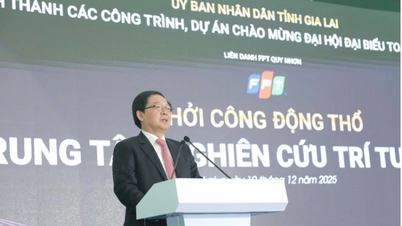
According to Deputy Minister of Science and Technology Bui The Duy, one of the "bottlenecks" hindering the practical application of research results relates to the legal framework. Specifically, the 2013 Law on Science and Technology, along with many related laws, does not accept the practice of scientists conducting research without producing results. Furthermore, research results require a long time, 10-20 years, before they can be applied in practice; therefore, evaluating commercialization results within only 1-5 years is not entirely accurate.

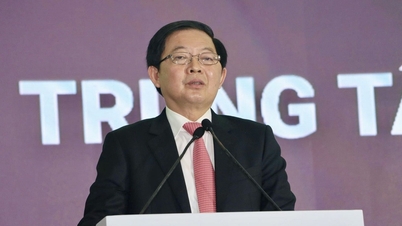
Deputy Minister Bui The Duy
Regarding strengthening human resources for research and development, the draft law proposes increasing the number of research staff from 7 to 12 per 10,000 people. This is a solution aimed at promoting investment from society, businesses, and the private sector in science and technology. This investment will include financing and the construction of research and development centers and research institutes, as well as the formation of research and development teams within businesses.
Regarding the content of innovation, the draft Law is expected to establish a comprehensive legal framework to promote the development of the national innovation system, with businesses at the center, and research institutes and universities playing the role of strong research entities; while also encouraging innovation activities in businesses, communities, and state management agencies.
According to Deputy Minister Bui The Duy, in order to synchronize the regulations of the Law on Science and Technology with existing financial policies, and to maximize the utilization of all these policies, the Science and Technology sector will significantly revise regulations related to scientific and technological tasks, research topics, projects, decentralization, delegation of authority, and administrative procedure reform...
In particular, the draft law will balance scientific and technological activities with legal requirements regarding finance, such as investment, bidding, management and use of public assets...
According to Intellectual Property and Innovation
Source: https://doanhnghiepvn.vn/cong-nghe/luat-khoa-hoc-va-cong-nghe-sua-doi-giup-thao-go-nhung-vuong-mac-ve-the-che/20240906015457714


































































































Comment (0)