


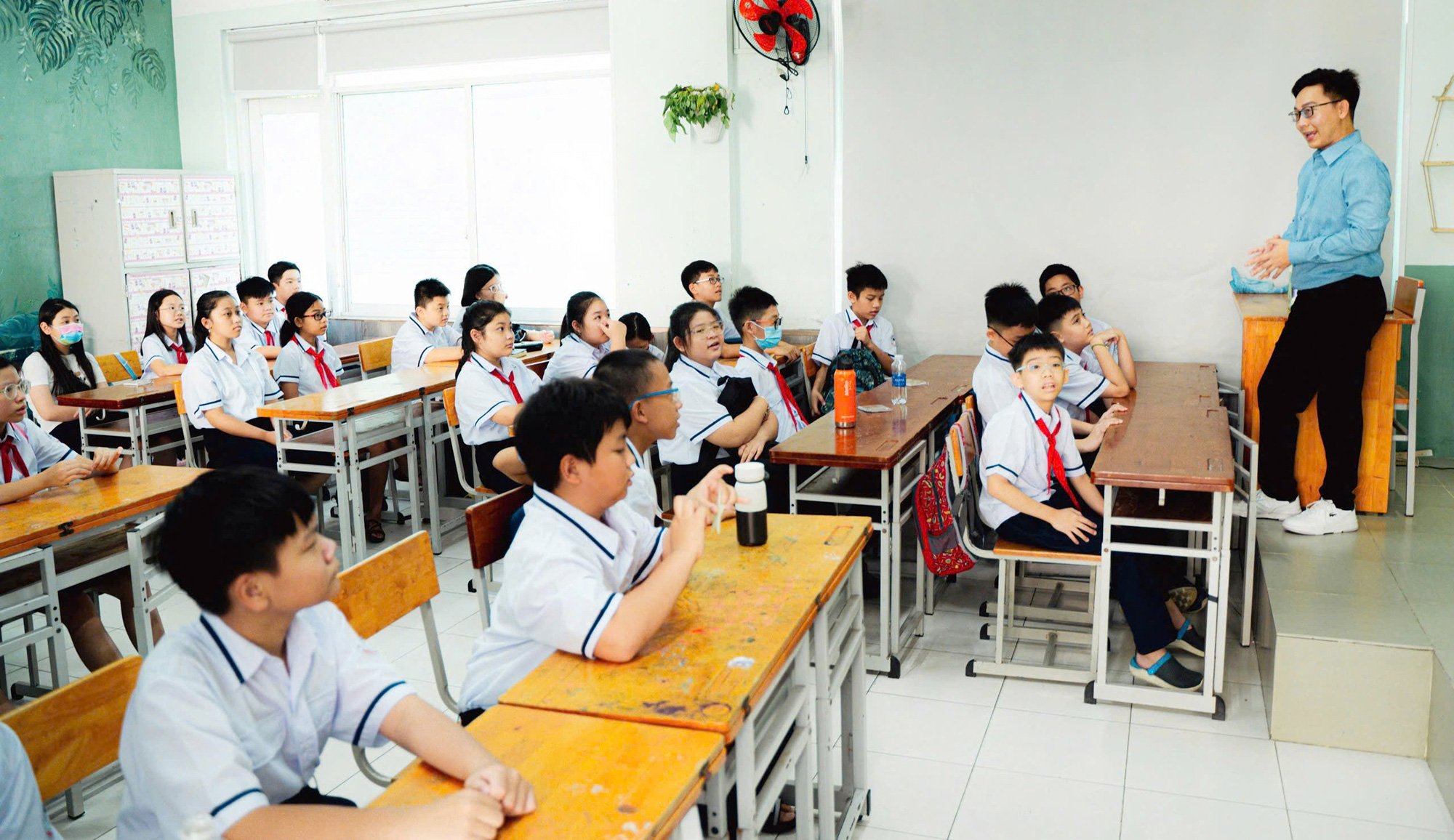
Teachers receive more attention through various policies since the Law on Teachers was implemented - Photo: QUANG DINH
Mr. Vu Minh Duc stated: After several revisions, the draft Law on Teachers still adheres closely to the content of the five policies approved by the Government and the National Assembly, while clarifying that teachers in public educational institutions are civil servants, subject to the regulations of the Law on Civil Servants (regarding recruitment, employment, management, salary scale system, etc.) and under the management of competent state management agencies, as well as specific regulations for teachers.
Teachers in non-public educational institutions are employees subject to the provisions of the Labor Law and specific regulations applicable to teachers.
In some aspects, the draft law maximizes general regulations that do not differentiate between public and private school teachers, such as regulations on job titles, professional standards, teacher ethics, rights and obligations, training policies, support for attracting teachers, emulation, and rewards...
* Sir, there is a great need for groundbreaking policies to encourage skilled and passionate teachers to stay in the profession long-term and to attract qualified young people to pursue it. How has this been addressed in the draft Law on Teachers?
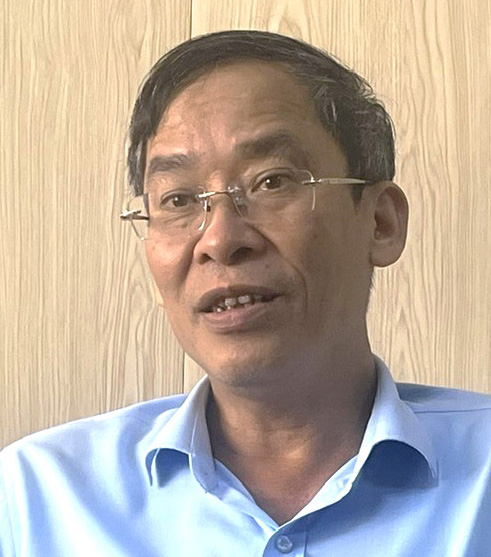
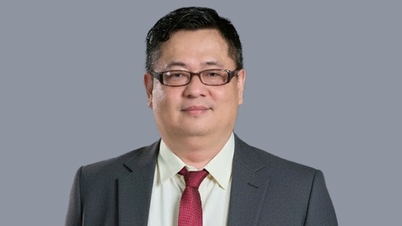
Mr. Vu Minh Duc
- Policies that motivate teachers to be dedicated and committed to their profession should not only focus on salary policies aimed at improving teachers' living standards.
Teachers will have their status elevated, be honored and recognized by society, and have their reputation and honor protected. Teachers will also be provided with a better working environment, opportunities for learning and professional development, and opportunities to be more proactive and creative.
With the provisions included in the draft Law on Teachers, the education sector will have more autonomy in recruiting, employing, and developing the teaching staff because there will be sufficiently strong legal sanctions to address existing bottlenecks in the recruitment and employment of teachers, and to attract talented individuals to the teaching profession.
The draft Law on Teachers also creates equal opportunities for development between public and private school teachers. For the first time, the legal status of private school teachers is established as teachers, not just as employees under labor contracts.
When will teachers be able to make a living from their income?
The proposal for teachers to receive the highest salary in the administrative and public service salary scale was raised more than 10 years ago and has been mentioned many times in sessions and in the draft Law on Teachers.
But in reality, many teachers do not earn enough from their legitimate income. How will the Law on Teachers impact this issue?
- Teachers' salaries are the highest in the administrative and public service salary scale, as stipulated in Resolution 29-NQ/TW of 2013. Resolution 27-NQ/TW also states: "Teachers' salaries are ranked highest in the administrative and public service salary scale"... This is also mentioned in Conclusion 91 of the Politburo on continuing fundamental and comprehensive reform of education and training.
Over the years, the Ministry of Education and Training has coordinated with the Ministry of Interior and other relevant ministries and agencies to implement this principle correctly, and once it is legalized, it will have a basis for smoother implementation.
Accordingly, teachers' salaries are based on a salary scale that aligns with job positions and the specific characteristics of teachers' work.
In addition, teachers are entitled to a professional allowance for the education sector.
The Ministry also proposed that the preferential allowance for specific occupations should account for 35% of the total basic salary fund of the entire sector and be allocated to different groups according to the specifics of the job, workplace, etc.
* The current draft Law on Teachers includes several specific proposals such as increasing allowances for preschool and primary school teachers, and raising the salary of newly recruited teachers by one level. What is the basis for the Ministry of Education and Training's proposals?
- Currently, the professional allowance for teachers is set at 25% for university lecturers and 35-70% for preschool and primary school teachers, depending on the category and region of work. In the draft, the drafting committee proposes increasing the allowance by 5-10% for preschool and primary school teachers. The reason stems from the fact that preschool and primary school teachers work longer hours at school, face more difficult working conditions, and experience greater pressure.
In addition, the draft also includes a proposal to raise the salary of newly recruited teachers by one level. According to our survey, among teachers leaving the profession, up to 61% are under 35 years old, and one of the reasons for this is low income that is insufficient to cover living expenses.
While young people have many things to worry about, such as supporting themselves, raising children, and pursuing further education...
Teachers with less than five years of experience currently receive very low salaries. Therefore, raising teachers' starting salaries by one level is a proposal aimed at encouraging young people to enter the teaching profession. This is also part of realizing the goal of having the highest teacher salaries in the salary scale.
* But when making the proposal, did the drafting committee consider its feasibility in the current context?
- The Ministry of Education and Training, in coordination with the Ministry of Interior, will assess the impact and submit a specific plan on this matter, ensuring that the increase in allowances and salary grades for the above-mentioned groups is consistent with national resources. Calculations show that raising a teacher's salary by one grade at the starting salary level only increases it by 14% compared to other professions.
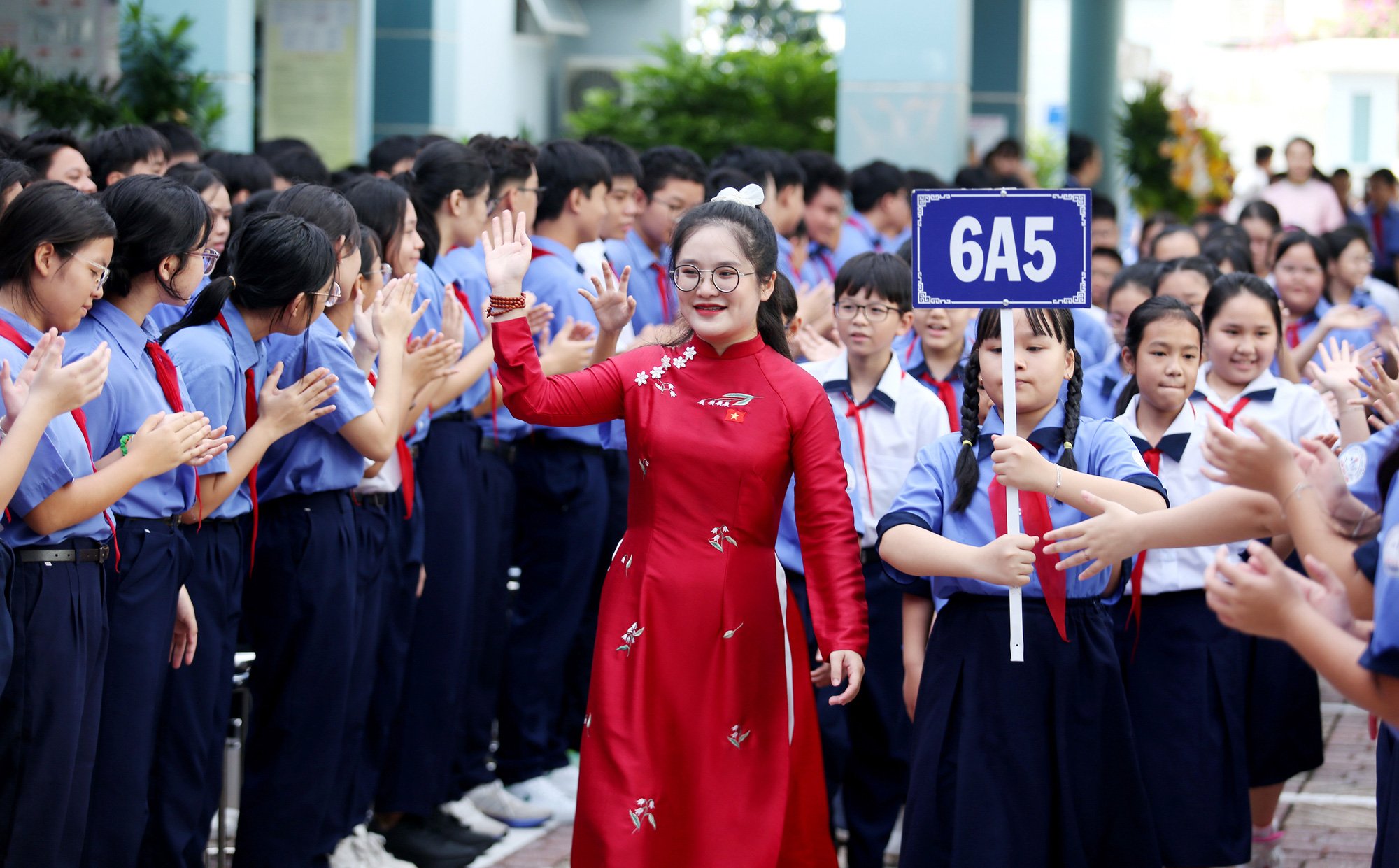
The draft Law on Teachers also creates equal opportunities for development between public and private school teachers - Photo: PHUONG QUYEN
Should tuition be free for the children of teachers?
* The proposal to waive tuition fees for the children of teachers is facing mixed opinions, even criticism, with some arguing that teachers are making demands. Many in the teaching profession also don't feel this is a way of honoring them, but rather that they are being categorized as receiving support like other disadvantaged groups. What are your thoughts on these differing opinions?
- During the drafting process of the Law on Teachers, the drafting committee based its decision on the common aspiration of teachers regarding preferential policies for the children of teachers, specifically the exemption of tuition fees at all levels.
The drafting committee's perspective in including this content in the draft law is also to honor and acknowledge the contributions of teachers, helping to encourage them to feel secure and committed to the profession. In fact, some other specialized sectors also have preferential policies.
For example, policies regarding insurance or medical care for family members of those working in the armed forces. The teaching profession is also a unique profession that can be subject to proposed priorities and benefits for its family members.
The proposal is valuable, but the lack of consensus shows that the drafting committee has not considered the psychological reaction of a segment of teachers – the main beneficiaries of this policy...
- The drafting committee is still listening to the opinions of National Assembly deputies, ministries, the public, and educators themselves on this matter.
In principle, we only include content that is mature and has a high level of consensus in the final draft law to be submitted to the National Assembly. The drafting committee will analyze the feedback and assess the impact of this proposal in a specific case (scope, beneficiaries of the policy).
Furthermore, the proposal must also consider the accompanying conditions, specifically the budget required to meet them. The proposal will also be considered in a balanced manner with other sectors and industries.
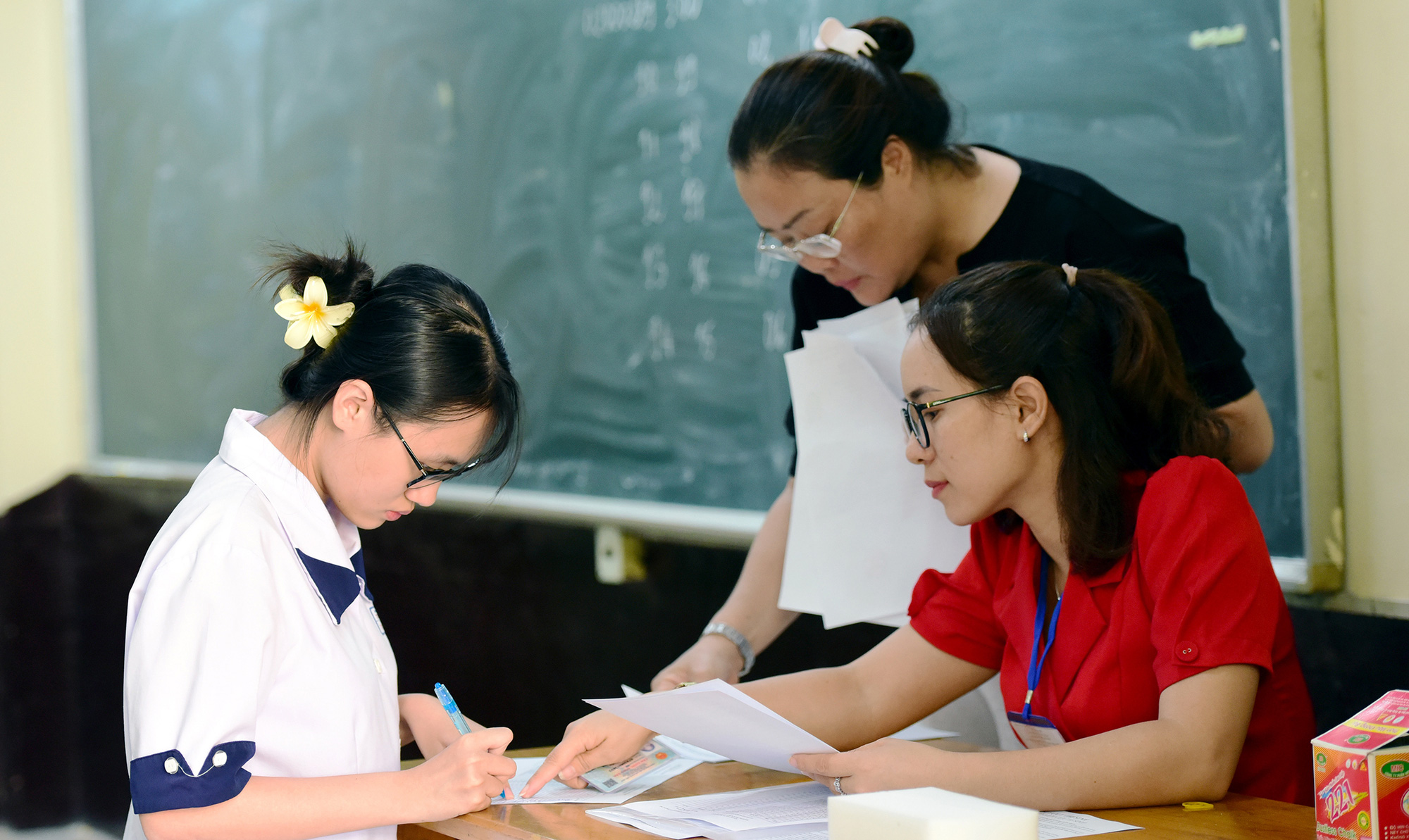
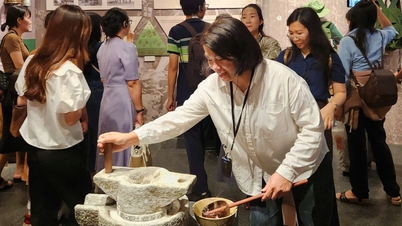
Teachers need to be provided with a suitable working environment, opportunities for learning and professional development, and opportunities to be more proactive and creative - Photo: DUYEN PHAN
Further consideration regarding professional certification.
* The requirement for professional certification for teachers was considered an important aspect of the previous draft Law on Teachers, but it has now been removed from the latest draft. Why?
- In the initial draft, the teaching certificate was included due to the specific requirement for teacher quality. Currently, we still maintain the view that teachers need to pass an examination to be granted a teaching certificate. Because while those trained at teacher training colleges have a foundation of knowledge, they still need further training to acquire pedagogical skills before they are qualified to practice.
Furthermore, those who haven't studied pedagogy but want to become teachers need even more professional skills training. A competitive examination ensures the use of diverse sources of teachers while also guaranteeing quality. This is something many countries around the world have already implemented.
However, because this is a new topic requiring caution, the drafting committee did not include it in the draft law at this time and will continue to study and conduct pilot programs. It is possible that this content will be reintroduced in the next cycle of law amendments and supplements.
It's not that seniority shouldn't be recognized for teachers.
* When teachers' salaries are calculated using the new method, the current seniority allowance will be eliminated, which is unfair to teachers with many years of service. Has the Ministry of Education and Training considered this when making this proposal to ensure the rights of teachers?
- When salaries are paid according to job position, teachers will only receive salary, professional allowance, attraction allowance (when working in disadvantaged areas), and no longer seniority allowance. However, this does not mean that a teacher's seniority is not recognized. Specifically, it will be calculated and reflected in the salary level and job position.
Dr. Nguyen Kim Hong (former principal of Ho Chi Minh City University of Education):
3 ways to increase teachers' income without impacting other professions.
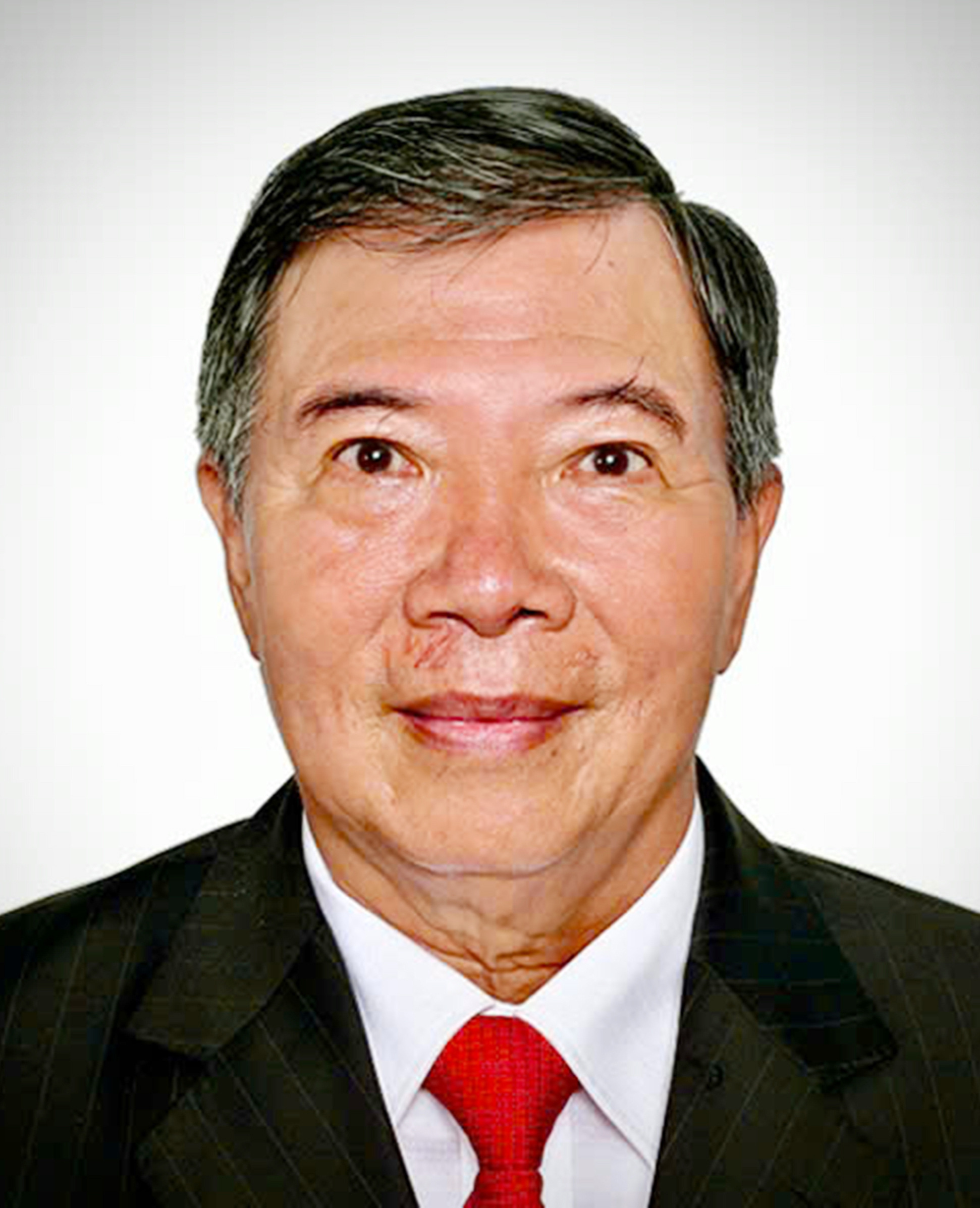
Dr. Nguyen Kim Hong
Teachers are hoping that the upcoming Law on Teachers will fundamentally change society's perception of teachers' roles in the country's socio-economic development.
There are many ways to achieve that, and one of the current methods to make a difference is to increase teachers' income.
When the National Assembly recognizes that prioritizing education development is a top national policy, then providing teachers with adequate material support and high salaries is essential.
However, in my opinion, there are ways to increase teachers' income without negatively impacting other professions.
1. The starting salary grade for teachers needs to be raised by at least one level compared to the current level in the State's teacher salary scale.
Looking at the bigger picture, currently all teachers working in educational institutions from preschool to university must have at least 4 years of university education, and 6 years if they want to teach at the college or university level. This means that this level of training is equivalent to that of the military or police.
In the military, their salary scale has five levels. After about 18 years, they reach the highest level, that of a principal teacher at the secondary school level and a principal lecturer at the university level. While not a direct comparison, it would be advisable to raise the starting salary for teachers by one or two levels.
2. So, is that enough for teachers to live in? If not, I hope the government will build housing for teachers within the school grounds. Teachers can stay there during working hours and then move elsewhere after working hours.
Public housing must be sufficient for a family. If this option is no longer feasible, then there should be a housing fund for teachers at a reasonable price, allowing them to borrow money to repay over 35 years of work so that after 40 years they will have a place to live.
3. Many people want to benefit from seniority as teachers, as having a seniority-based salary scale means a very high retirement income. However, I don't want to include education in the seniority-based group, but teachers should receive allowances during their teaching career, and these allowances should not be included in their retirement pension so that when they retire, they receive the same benefits as other civil servants.
What are teachers not allowed to do? How are they protected?
Mr. Nguyen Thong - a teacher at Nguyen Du Secondary School, District 1, Ho Chi Minh City - Photo: THANH HIEP
* Besides policies to reward teachers, there is also a need for specific and updated regulations regarding responsibilities, especially things that teachers are prohibited from doing. So, what are these regulations like in the draft law?
- The draft includes general regulations stating that teachers in public educational institutions are prohibited from doing things that civil servants are not allowed to do according to the law on civil servants.
Teachers in non-public educational institutions and foreign teachers are prohibited from engaging in activities that are strictly forbidden in the field of labor as stipulated by labor laws.
In addition, the draft includes some more specific regulations regarding the responsibilities of teachers, stemming from practical experience.
Specifically, this includes not discriminating against students, not cheating or falsifying results in student admissions and assessments, not forcing students to participate in extra classes in any form, and not abusing the title of teacher to commit illegal acts...
* Compared to real-world situations, the regulations on what teachers are not allowed to do in the draft law are difficult to cover comprehensively. Therefore, should the Ministry of Education and Training develop a separate code of conduct for teachers to follow?
- Within its authority, the Ministry of Education and Training has drafted a circular promulgating the code of conduct for teachers; this draft is also included with the draft Law on Teachers this time.
* The draft regulations include a section outlining what teachers are not allowed to do, including a provision prohibiting the public disclosure of misconduct by teachers until an official conclusion is reached by the relevant authorities.
Will this diminish the oversight role of society and the media, making it difficult to detect and address many wrongdoings that go unreported by the public and the media?
- I think the draft does not diminish the supervisory role, as it only stipulates that information should not be disclosed until an official conclusion is reached by the competent authority.
In reality, many incidents have been widely publicized on social media before the competent authorities have clearly verified the responsibilities and right or wrong of the matter, putting immense pressure on teachers.
While the teaching profession inherently requires teachers to set a good example, the act of teachers being posted online, or even criticized and insulted in front of many people, including their students, will diminish their credibility.
The draft regulations are intended to protect teachers, but this does not mean concealing wrongdoing. Citizens, parents, and students can still exercise their oversight role and report incidents to the competent authorities for processing, and the matter can be made public once a clear conclusion has been reached.
Source: https://tuoitre.vn/luat-nha-giao-nang-thu-nhap-vi-the-nguoi-thay-20241012081528666.htm






































































Comment (0)