

Saving money in a bank account remains a popular choice for many due to its safety and the fact that it generates returns without requiring investment knowledge or risk. However, depositing money in a bank isn't simply about choosing a place with a high interest rate and leaving it there. To optimize the effectiveness of your savings, you need to keep in mind a few important principles below.
1. You shouldn't put all your money into one savings account.
Many people have a habit of putting all their spare money into a single savings account, thinking it's easier to manage. However, this approach sometimes makes managing finances less flexible. If an urgent need arises before the maturity date, the depositor may be forced to close the entire account and lose a large portion of the interest earned.

Meanwhile, dividing the money into smaller amounts with different maturities makes withdrawing much more flexible. This also helps to better control cash flow, especially for those who are saving and needing to prepare for unexpected expenses.
2. Don't just look at the highest interest rate.
Interest rates are always the first factor to consider when depositing savings. However, the highest interest rate isn't always the best option. Some banks offer attractive rates but come with conditions such as large deposit amounts and long deposit terms.
In addition, the user experience, the stability of the online system, and the ability to provide customer support are also factors worth considering. A small difference in interest rates is sometimes not worth sacrificing long-term convenience.
3. Choose a suitable term instead of depositing based on impulse.
Many people choose a deposit term simply because they see others doing so or because the interest rate "looks better." In reality, the appropriate term should be based on each person's financial plans. If the money is likely to be needed within the next few months, choosing a term that is too long can easily create pressure if you need to withdraw it early.
Conversely, if the money is not needed for an extended period, a longer term may offer better interest rates. Clearly defining the purpose of the money before depositing it will help depositors be more proactive rather than reactive in managing it later.
4. Always carefully check the method of receiving interest.
Many people deposit savings but overlook the details of whether interest is paid monthly, quarterly, or at the end of the term. Each method suits different needs. Those needing a steady stream of income may prefer receiving interest periodically to cover living expenses or reinvest. Conversely, receiving interest at the end of the term usually results in a slightly higher total amount. Although the difference isn't huge, understanding how interest is calculated helps depositors be more proactive in their personal financial planning.
5. Prioritize the security of account and savings passbook information.
In an era where many transactions are conducted online, securing account information is just as important as choosing a bank. You should never share your OTP code, password, or images containing account information with anyone, even if they contact you under the guise of customer support.
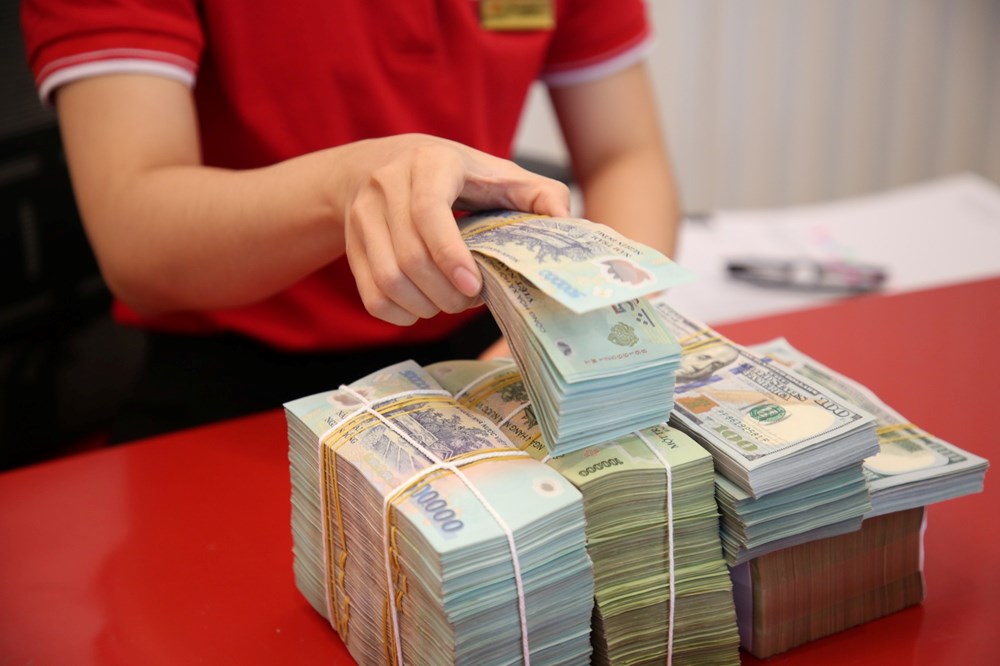
With online savings accounts, users should also enable security layers such as biometric authentication or balance change notifications for easier account management. Being careful with security helps limit many unnecessary risks related to personal assets.
6. Monitor interest rate fluctuations periodically.
Savings interest rates are not fixed and can change periodically. Therefore, depositors should take the time to check for updates regularly instead of depositing money and then completely forgetting about it. At certain times, restructuring the term or switching to a more suitable savings plan can help optimize idle funds better. Of course, this doesn't mean constantly chasing interest rates, but rather proactively monitoring them to make reasonable decisions based on personal needs.
Saving money in a bank account is a stable and suitable option for many people, especially in a context where everyone wants a secure financial future. However, to make the most of their money, depositors should not only consider interest rates but also pay attention to how they divide their money, choose the right term, and manage their personal finances effectively. Just a few small adjustments in how they deposit money can make saving more flexible and efficient in the long run.
Source: https://baovanhoa.vn/kinh-te/luu-y-khi-gui-tien-ngan-hang-231694.html
![[Photo] General Secretary and President To Lam presides over the meeting to approve the draft report on the results of the second inspection by the Politburo of the Standing Committee of the Hanoi City Party Committee.](https://vphoto.vietnam.vn/thumb/1200x675/vietnam/resource/IMAGE/2026/05/26/1779789811432_a2-bnd-4430-9620-jpg.webp)




































































































Comment (0)