

Staying warm, limiting sugary drinks, and drinking plenty of water can help reduce digestive symptoms caused by low temperatures.
Dr. Hoang Nam, from the Gastroenterology Department at Tam Anh General Hospital in Hanoi , said that the drop in temperature slows down the metabolic rate to conserve energy and maintain body temperature. People often experience problems such as stomach pain, bloating, and reflux during the cold season.
There are many reasons why the digestive tract can experience problems when temperatures drop, such as consuming junk food and fast food. These foods contain large amounts of salt, fat, and sugar that can irritate the digestive tract and cause discomfort.
According to Doctor Nam, many people feel stressed and anxious because their bodies have difficulty adapting to low temperatures. Stress has a negative impact on the body, affecting the digestive system first.
Many people experience disrupted sleep cycles, and cold weather, reduced daily water intake, less exercise, and a slowed metabolism contribute significantly to the reduced time it takes to digest food.

Drinking warm water aids digestion in cold weather. Photo: Freepik
To boost metabolism, people should keep their bodies warm and minimize the impact of temperature and cold wind outdoors, especially the abdominal area.
Wearing multiple layers of clothing and using other protective items such as gloves, hats, and scarves when going outside on cold days can help increase body temperature and speed up metabolism.
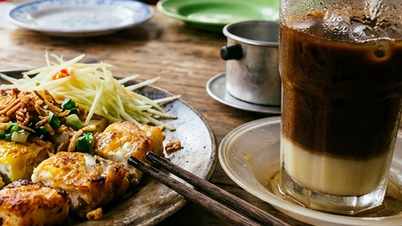
Limit your consumption of carbonated drinks because the high carbonation can easily irritate the digestive tract, worsening gastrointestinal problems. Choose drinks that can improve gut function and boost immunity, such as fruit juices or warm tea.
During the cold winter months, the body sweats less due to a tendency to be less active and exercise less. Everyone should ensure they drink enough water. And prioritize water that is warm enough. Water helps speed up the elimination of toxins, maintain the digestive process, and prevent poor digestion.
People should avoid spicy foods because they can easily irritate the lining of the digestive tract, causing unpleasant stomach symptoms such as heartburn, bloating, and indigestion.
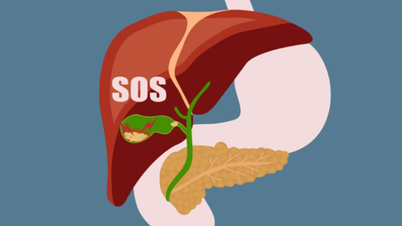
Eating several small meals with moderate amounts of food, avoiding overeating or feeling too full, especially from foods high in protein, helps reduce the burden on this organ.
Physical activity is essential for optimal health during the winter months. When exercise is done properly, the body moves at an increased speed, stimulating blood flow to the digestive system.
In addition, reducing stress, and avoiding smoking and alcohol can help alleviate digestive problems during the winter months.
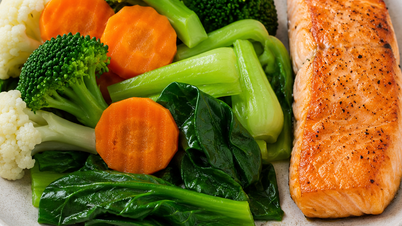
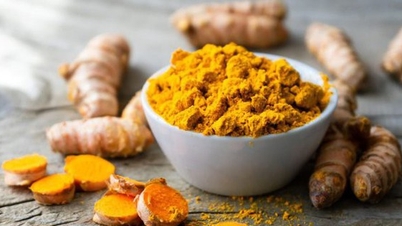
Dr. Hoang Nam encourages people to eat easily digestible foods, prioritizing hot soups, high-fiber green vegetables, herbs and spices, and foods rich in vitamin D.
When experiencing digestive problems, patients can reduce discomfort by avoiding lying down or sleeping for a few hours after meals, refraining from fatty and acidic foods when experiencing stomach pain, and taking medication as directed by their doctor.
Most unpleasant symptoms are usually mild and resolve quickly with lifestyle and dietary improvements. However, if abdominal pain worsens, vomiting persists, there is difficulty swallowing, persistent sore throat or hoarseness, frequent diarrhea or constipation, etc., patients should seek medical attention.
Emerald
| Readers can ask questions about digestive diseases here for doctors to answer. |
Source link
![[Photo] First session of the 14th Congress of the Vietnam Trade Union](https://vphoto.vietnam.vn/thumb/1200x675/vietnam/resource/IMAGE/2026/06/03/1780465947883_ndo_br_img-3852-jpg.webp)


![[Photo] Secretary of the National Assembly Party Committee, Chairman of the National Assembly presides over the meeting of the Standing Committee and Executive Committee of the National Assembly Party Committee.](https://vphoto.vietnam.vn/thumb/1200x675/vietnam/resource/IMAGE/2026/06/03/1780480353201_ndo_br_bnd-2585-jpg.webp)

![[Photo] General Secretary and President To Lam presides over a meeting with the Central Organizing Committee.](https://vphoto.vietnam.vn/thumb/1200x675/vietnam/resource/IMAGE/2026/06/03/1780482764658_a1-bnd-4741-3342-jpg.webp)

















































![[Video] Sunset at Lap An Lagoon – Where the sun sets over the fishing nets](https://vphoto.vietnam.vn/thumb/1200x675/vietnam/resource/IMAGE/2026/05/31/1780192137701_beach-landscape-sea-water-nature-grass-745871-pxhere-com.jpeg)



































Comment (0)