

Young people hospitalized due to heatstroke.
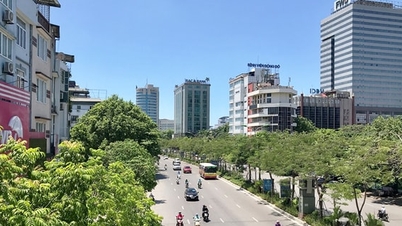
In late May, northern Vietnam experienced a severe heatwave with outdoor temperatures exceeding 40 degrees Celsius at times. This extreme weather not only caused fatigue and exhaustion but also led to many people being hospitalized for heatstroke and heat exhaustion.
According to a reporter from Vietnam Women's Newspaper at the A9 Emergency Center, Bach Mai Hospital, the number of patients admitted due to heat-related issues has increased by approximately 20-30% compared to normal days. Notably, many cases involve young people who work outdoors for extended periods.
According to Dr. Dang Tuan Dung of the A9 Emergency Center, the unit receives an average of about 250 patients per day. However, during peak hot weather days, the number of emergency cases increases to about 300 cases per day.
According to Doctor Dung, excessively high ambient temperatures can easily lead to dehydration and electrolyte imbalance, resulting in various health problems such as cramps, exhaustion, fainting, heatstroke, and most dangerously, heat shock.
"Many patients are admitted to the hospital in a state of exhaustion, profuse sweating, headache, and dizziness. Some cases involve severe hyperthermia, altered consciousness, seizures, or coma," Dr. Dung informed a reporter from Vietnam Women's Newspaper.

Young people are also being hospitalized for heatstroke.
Recently, the center received a male worker who was brought in for emergency treatment after working continuously outdoors in the scorching sun for many hours. The patient showed signs of exhaustion and severe dehydration, and was diagnosed with rhabdomyolysis accompanied by acute renal failure due to heatstroke.
According to doctors, when the body is exposed to high temperatures for a long time, its ability to regulate temperature becomes overloaded. If not cooled down promptly, body temperature can rise above 39-40 degrees Celsius, causing damage to the brain, cardiovascular system, liver, kidneys, and many other organs.
Warning signs of heatstroke or heat exhaustion include excessive sweating, muscle pain, cramps, fatigue, dizziness, headache, nausea, or fainting. If the patient experiences hot, dry skin, delirium, seizures, or coma, immediate medical attention is required.
After receiving first aid, aggressive hypothermia treatment, and intravenous fluids, the aforementioned male worker is out of critical condition and his health is gradually stabilizing.
Not only outdoor workers, but also ride-hailing drivers, delivery drivers, construction workers, and anyone who frequently travels in the sun are at high risk of experiencing heat-related complications.
Hot weather can easily worsen underlying health conditions.
Besides cases of heatstroke and heat exhaustion, doctors have also noted many patients with underlying conditions being admitted to the hospital with worsening symptoms due to the prolonged hot and humid weather.
According to Doctor Dang Tuan Dung, the elderly and those with cardiovascular disease, hypertension, diabetes, or respiratory illnesses are particularly sensitive to extreme heat.
"Rising ambient temperatures cause the body to lose more water and salt through sweat, which disrupts blood pressure, increases the burden on the cardiovascular system, and easily triggers exacerbations of underlying diseases," Dr. Dung said.

The hot weather has led to an increase in hospitalizations among patients with underlying health conditions.
At the Institute of Mental Health at Bach Mai Hospital, a young man with a history of psychotic disorders was recently brought in by his family in a state of extreme agitation, shouting continuously after several days of sleeplessness due to the hot weather.
Associate Professor Dr. Duong Minh Tam, from the Institute of Mental Health, stated that prolonged hot and humid weather can make mental health patients more prone to stress, insomnia, agitation, and difficulty controlling their behavior than usual.
Given the continued heatwave, health experts advise people to limit their time outdoors during peak hours, especially between 10 a.m. and 4 p.m. daily.
When someone shows signs of heatstroke such as dizziness, headache, and fatigue, they should be quickly moved to a cool, well-ventilated place, some clothing should be removed, and their body should be wiped with a cool towel or fanned to lower their body temperature.
If the patient is conscious, they can be given water or oral rehydration solution in small sips. In cases of coma, seizures, difficulty breathing, or excessive vomiting, they should be placed on their side to ensure an open airway and emergency services (115) should be called immediately, or they should be transported to the nearest medical facility.
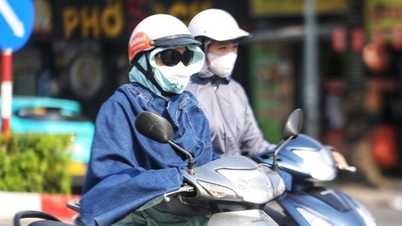
If working outdoors is unavoidable, wear sun-protective clothing, a wide-brimmed hat, take breaks in the shade, and drink water frequently. Workers should drink water even when they don't feel thirsty to avoid silent dehydration.
In addition to plain water, you can supplement with electrolyte solutions or oral rehydration solution (ORS), but it must be prepared according to the instructions. Misuse or incorrect mixing of ORS can cause dangerous electrolyte imbalances.
Doctors warn that extreme heat not only causes discomfort but also poses a potential life-threatening risk. Proactive prevention and early recognition of heatstroke signs are crucial ways to protect your health this summer.
Source: https://phunuvietnam.vn/mien-bac-nang-nhu-do-lua-so-ca-say-nang-nhap-vien-tang-manh-238260526160256501.htm
![[Photo] Admire the coral "masterpiece" amidst the million-year-old heritage of Dak Lak province.](https://vphoto.vietnam.vn/thumb/1200x675/vietnam/resource/IMAGE/2026/05/31/1780221235105_anh-man-hinh-2026-05-31-luc-16-53-27.png)
![[Photo] The General Secretary, President and his wife begin their state visit to the Philippines.](https://vphoto.vietnam.vn/thumb/1200x675/vietnam/resource/IMAGE/2026/05/31/1780230559452_anh-man-hinh-2026-05-31-luc-19-28-11.png)

![[Image] Hanoi Police officially crowned champions of V-League 2025/2026](https://vphoto.vietnam.vn/thumb/1200x675/vietnam/resource/IMAGE/2026/05/31/1780244769054_ndo_br_039d561b692be875b13a-jpg.webp)

![[Photo] Solemn bathing ceremony and Buddha procession in Hue](https://vphoto.vietnam.vn/thumb/1200x675/vietnam/resource/IMAGE/2026/05/31/1780228263543_1-jpg.webp)





















![[Video] Sunset at Lap An Lagoon – Where the sun sets over the fishing nets](https://vphoto.vietnam.vn/thumb/340x192/vietnam/resource/IMAGE/2026/05/31/1780192137701_beach-landscape-sea-water-nature-grass-745871-pxhere-com.jpeg)




































![[Photo] Admire the coral "masterpiece" amidst the million-year-old heritage of Dak Lak province.](https://vphoto.vietnam.vn/thumb/402x226/vietnam/resource/IMAGE/2026/05/31/1780221235105_anh-man-hinh-2026-05-31-luc-16-53-27.png)































Comment (0)