

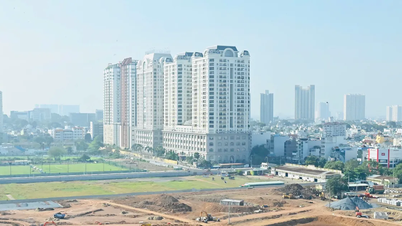
The sight of long-standing corrugated iron fences on prime land in the city center being dismantled to make way for green spaces has breathed new life into the urban landscape and suggests a groundbreaking approach to land management and utilization. This is not a temporary urban renovation, but a significant movement reflecting a new approach to urban development in Ho Chi Minh City.
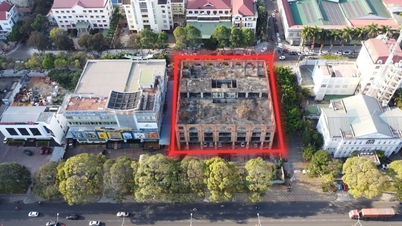
For a long time, slow-developing projects on prime real estate have diminished urban aesthetics and wasted social resources. The prolonged enclosure of these plots of land makes the urban landscape look heavy and creates a disconnect from the daily lives of residents. Therefore, reorganizing these areas into public spaces will help bring central areas closer to everyday life and serve the needs of the community.
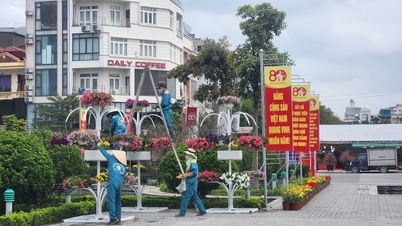
This also demonstrates Ho Chi Minh City's clear orientation towards prioritizing the social use value of land, especially in densely populated areas lacking community spaces. When prime land is opened up to create flower gardens and parks, people have more space to stroll, relax, and enjoy the scenery. The city also gains much-needed green space, contributing to an improved living environment.
This policy aligns with the spirit of the Resolution of the First Congress of the Ho Chi Minh City Party Committee, term 2025-2030. In this resolution, the city identifies the goal of comprehensive human development and improving the quality of life for its citizens, as reflected in indicators such as the Human Development Index (HDI), living environment, and access to essential public services. Making undeveloped land available for community use is a concrete way to realize this goal.
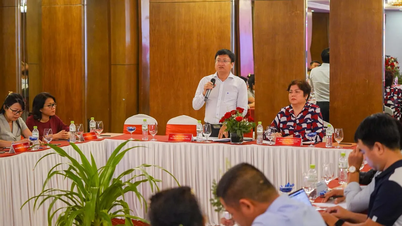
In fact, at many meetings with constituents, people have expressed concerns about the situation of vacant land lying fallow, while public spaces and parks are lacking. These are all pressing issues that directly impact people's lives, requiring an appropriate approach and a decisive spirit to create real change.
In the spirit of listening and decisive action, Ho Chi Minh City leaders have directed a review and prioritized the efficient use of public land for green space development. The construction of a park and a memorial to Covid-19 victims at 1 Ly Thai To Street, or the review of nine vacant plots in the city center to create temporary parks and gardens, all demonstrate a proactive approach to improving the living environment for its citizens.
Based on this practice, the issue is to further improve the mechanism so that the temporary use of project land becomes a stable management solution, ensuring compliance with approved planning guidelines, maximizing land use efficiency, and contributing to reducing waste of social resources.
This involves establishing a unified process for slow-developing land areas, clearly defining responsibilities and standards for organizing public spaces; and encouraging the participation of businesses and the community in maintenance and preservation in a transparent and open manner.
The removal of barriers enclosing prime real estate areas to create open spaces demonstrates Ho Chi Minh City's gradual shaping of its urban landscape towards a more humane and flexible direction. In this model, every land use decision is aimed at the ultimate goal of improving the quality of life for its citizens and building a livable, friendly, and sustainably developing city.
Source: https://www.sggp.org.vn/mo-khong-gian-dat-vang-phuc-vu-nguoi-dan-post833675.html























































Comment (0)