

1. Benefits of pork fat
- 1. Benefits of pork fat
- 2. Some methods of using pork fat to treat diseases
- 3. How to process pork fat for long-term preservation
- 4. Notes on using lard
Pork fat has long been used in Traditional Chinese Medicine under various names such as "trư chi," "trư cao," and "trư du." According to Traditional Chinese Medicine, pork fat has a sweet taste, a cooling nature, and acts on the spleen, stomach, and large intestine meridians. It has the effects of moistening dryness, nourishing deficiency, detoxifying, and promoting urination and defecation.
Pork fat can be used to treat dry coughs caused by lung dryness, coughs without phlegm, constipation in the elderly and chronically ill patients with depleted body fluids, dry and cracked skin, and to detoxify in some cases of mild poisoning. In addition, pork fat is an important ingredient in many types of traditional Chinese medicine plasters, helping to soften the skin and facilitate the absorption of medicine.
Recent modern science has also discovered many nutrients in pork fat. Contrary to old beliefs that pork fat only contains saturated fat, modern studies have shown that pork fat has a relatively balanced structure with monounsaturated, saturated, and polyunsaturated fats.
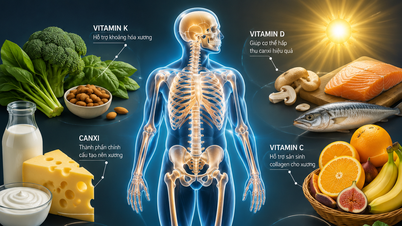
In addition, pork fat is a rich source of natural micronutrients, with very high levels of vitamin D, along with vitamin E, choline, and minerals such as zinc and selenium.
Pork fat possesses advantageous characteristics that vegetable oils lack, such as high thermal stability, low oxidation and minimal free radical production during frying at high temperatures; and good absorption due to its fat-soluble vitamins D and E.
Pork fat has been shown to have many health benefits:
- Promotes cardiovascular health and strengthens blood vessels.
- It is a leading natural source of vitamin D.
- Good for the brain and endocrine system.
- Improve skin health through moisturizing and antioxidant effects.

Pork fat is a good medicine with many health benefits.
2. Some methods of using pork fat to treat diseases
2.1 Treating constipation caused by blood deficiency and dryness of body fluids
Instructions: Mix about 10-15ml of freshly rendered pork fat with cow's milk or warm rice porridge and drink in the morning.
Uses: Promotes bowel movement without harming vital energy.
2.2 Treating dry cough due to lung dryness and lung yin deficiency
Instructions: Take 500g of pork fat and 500g of honey. Melt the fat, mix in the honey, and simmer until it thickens into a paste. Take one teaspoonful at a time, slowly sucking and swallowing.
Uses: Helps to soothe the lungs, calm the throat, and effectively reduce coughs, especially during the autumn and winter seasons.
2.3 Treating cracked heels and dry lips
Instructions: Apply a thin layer of clean lard to your heels or lips before going to bed.
Benefits: Helps moisturize and regenerate the skin quickly without causing irritation.
3. How to process pork fat for long-term preservation
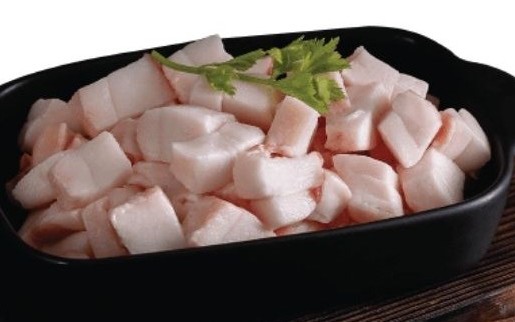
Choosing pork fat: It's best to choose loin fat, which has two distinct layers separated by a thin line down the middle.
Processing:
- Cut the pork fat into even, long strips or moderately sized pieces, being careful not to cut them too small as the fat will shrink considerably after rendering.
- Boil a pot of water, add one crushed ginger root and one dried onion; blanch the lard briefly, then remove and rinse thoroughly with cold water.
- Put the washed fat into a pan along with a small bowl of water, and turn the stove to medium heat. The water will help the fat render slowly, preventing splattering and keeping it pristine white.
- When about 60-70% of the fat has rendered out and the cracklings begin to turn slightly yellow, set aside a portion of the rendered fat.
- Continue frying the remaining pork cracklings over medium heat, stirring constantly until they are evenly golden brown (about 90% cooked), then add the dried onions to the pan. The dish is ready when the onions become fragrant and turn golden.
- Remove the pork cracklings and onions immediately and set them aside, to prevent them from burning and changing color.
- Pour the rendered fat into a clean porcelain bowl, earthenware jar, or glass container. Seal the lid tightly after the fat has cooled slightly.
4. Notes on using lard
Choose high-quality lard, avoiding lard from pigs raised industrially with growth hormones or from diseased pigs. Do not completely replace vegetable oil with lard. For healthy individuals, a ratio of vegetable oil to lard of approximately 2:1 or 3:1 is recommended for balanced nutrition.
Furthermore, pork fat should not be reused for frying multiple times. According to Traditional Chinese Medicine, people who are obese, have high cholesterol, fatty liver disease, or have a phlegmatic constitution should limit their consumption of pork fat. People with cardiovascular disease or hypertension should consult a doctor before using it.
Source: https://suckhoedoisong.vn/mo-lon-vi-thuoc-chua-nhieu-benh-169260412123159883.htm

![[Photo] Solemn bathing ceremony and Buddha procession in Hue](https://vphoto.vietnam.vn/thumb/1200x675/vietnam/resource/IMAGE/2026/05/31/1780228263543_1-jpg.webp)
![[Photo] Admire the coral "masterpiece" amidst the million-year-old heritage of Dak Lak province.](https://vphoto.vietnam.vn/thumb/1200x675/vietnam/resource/IMAGE/2026/05/31/1780221235105_anh-man-hinh-2026-05-31-luc-16-53-27.png)
![[Photo] The General Secretary, President and his wife begin their state visit to the Philippines.](https://vphoto.vietnam.vn/thumb/1200x675/vietnam/resource/IMAGE/2026/05/31/1780230559452_anh-man-hinh-2026-05-31-luc-19-28-11.png)

![[Image] Hanoi Police officially crowned champions of V-League 2025/2026](https://vphoto.vietnam.vn/thumb/1200x675/vietnam/resource/IMAGE/2026/05/31/1780244769054_ndo_br_039d561b692be875b13a-jpg.webp)













![[Video] Sunset at Lap An Lagoon – Where the sun sets over the fishing nets](https://vphoto.vietnam.vn/thumb/340x192/vietnam/resource/IMAGE/2026/05/31/1780192137701_beach-landscape-sea-water-nature-grass-745871-pxhere-com.jpeg)




































![[Photo] Admire the coral "masterpiece" amidst the million-year-old heritage of Dak Lak province.](https://vphoto.vietnam.vn/thumb/402x226/vietnam/resource/IMAGE/2026/05/31/1780221235105_anh-man-hinh-2026-05-31-luc-16-53-27.png)




































Comment (0)