

However, for the past three months, Mr. Chu has been experiencing persistent bloating, acid reflux, and a burning sensation in his chest.
After listening to the male patient describe his eating habits, the doctor concluded that the problem wasn't with eating garlic itself, but with how it was eaten. According to the doctor, garlic is rich in nutrients, but if eaten incorrectly, especially raw on an empty stomach for extended periods, it can irritate the stomach lining.
Mr. Chu's story reflects a fairly common situation today, where many people view garlic as a "natural health food" while overlooking the dual effects of this spice.
Positive changes when eating garlic correctly.
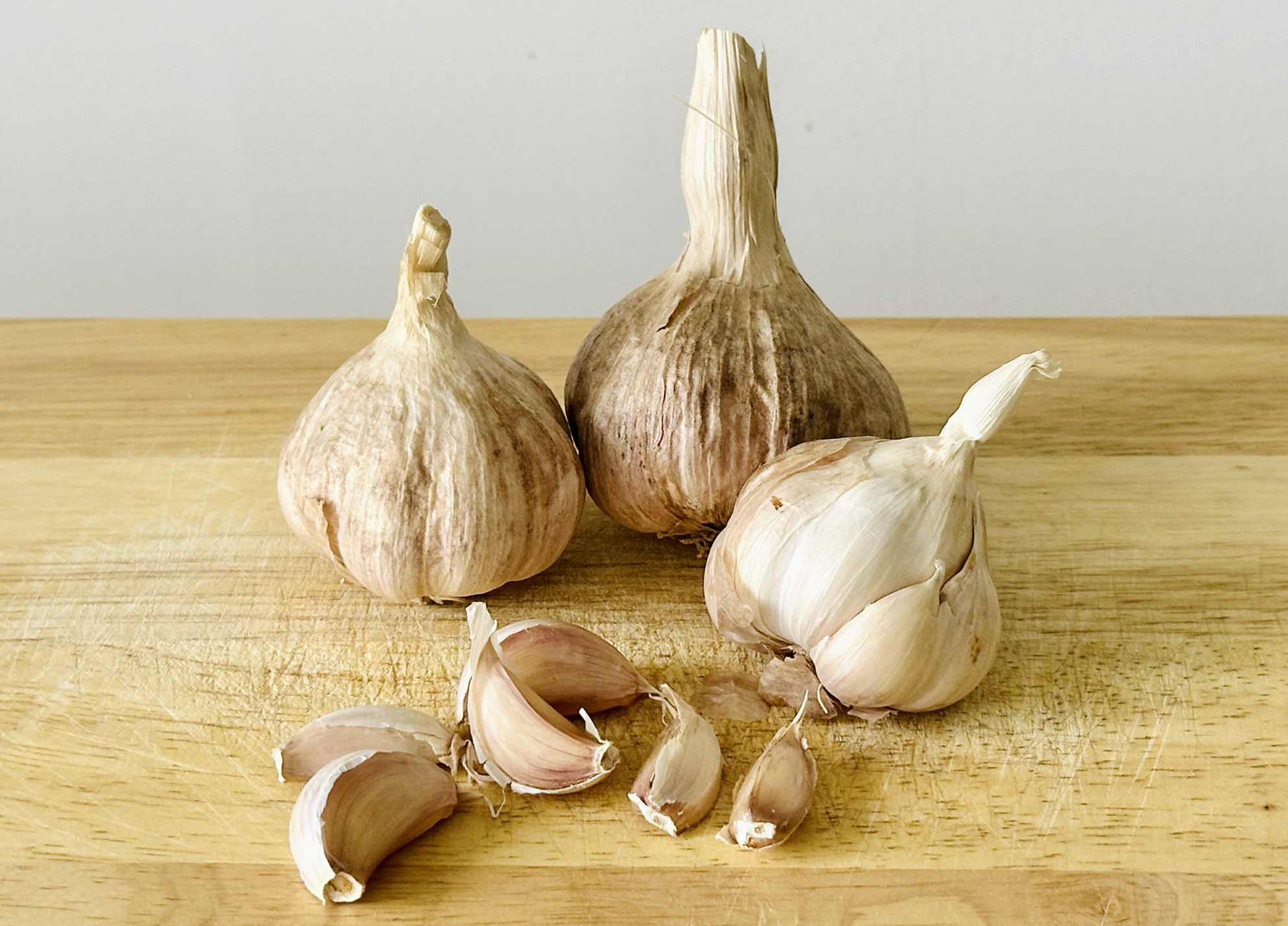
When garlic cloves are cut or crushed, they release allicin, which has anti-inflammatory properties. The sulfur-containing compounds in garlic have antibacterial and antioxidant properties, and can support the gut microbiome. For people with healthy digestive systems, consuming small amounts of garlic with meals may reduce bloating after eating and aid digestion to a certain extent.
According to the Chinese Food Composition Table, 100g of fresh garlic contains approximately 126 calories, 1.1g of fiber, and about 7mg of vitamin C. This suggests that garlic is primarily a spice or functional food, not a sufficient source of nutrients to "nourish" or restore the stomach.
Common negative impacts
According to Webmd , gastroenterologists say that allicin is a relatively strong irritant. If raw garlic is eaten on an empty stomach, too quickly, or in excessive amounts, it can easily irritate the stomach lining, causing burning sensations, epigastric pain, or acid reflux.
This risk is higher in people suffering from gastritis, stomach ulcers, or gastroesophageal reflux disease. In clinical practice, many cases of chronic stomach pain are associated with the overuse of irritating foods that are mistakenly thought to be "stomach-soothing" foods.
Additionally, consuming garlic with alcohol or spicy foods can worsen irritation due to multiple factors simultaneously affecting the digestive system.
Notes on using garlic
Experts recommend that if you want to eat garlic regularly, you should consume it with other foods. Food in the stomach can create a cushion that reduces irritation to the mucous membrane. The amount used should also be controlled to about one small clove per day, equivalent to 3-5g. If the dish already contains plenty of garlic, there is no need to add more raw garlic.
Another tip is to chop or mince the garlic and let it sit for about 10 minutes before eating or cooking so that the active ingredient allicin can develop more stably.
People with acute gastritis, active stomach ulcers, severe reflux, or frequent discomfort after eating garlic should limit their consumption and seek specialist medical attention if symptoms persist.
Doctors emphasize that protecting the stomach requires a combination of factors such as a balanced diet, chewing food thoroughly, limiting alcohol consumption, getting adequate sleep and rest, and treating underlying medical conditions. Garlic should only be considered a supplementary food in the daily diet, not a treatment for any disease.
Source: https://vietnamnet.vn/moi-ngay-an-1-tep-toi-da-day-thay-doi-ra-sao-2517517.html




![[Photo] Standing Committee member of the Party Central Committee Tran Cam Tu working with the Central Inspection Committee](https://vphoto.vietnam.vn/thumb/1200x675/vietnam/resource/IMAGE/2026/05/28/1779969579668_ndo_br_bnd-2495-jpg.webp)








































































































Comment (0)