

 |
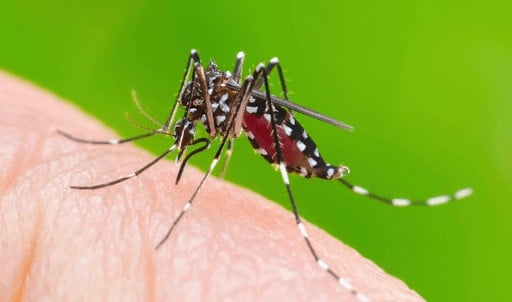
| The Aedes aegypti mosquito is the carrier of the Dengue virus, which causes dengue fever in humans. |
According to the Department of Preventive Medicine, Ministry of Health , the number of dengue fever cases recorded has increased sharply since June and has peaked in the last three weeks.
Dengue fever is a serious problem for pregnant women, especially in the last trimester, as it can transmit the virus to the fetus. This increases the risk of low birth weight, premature birth, and even death. Dengue fever is also associated with preeclampsia (high blood pressure), bleeding, low platelet count, and cesarean section.
According to Associate Professor Dr. Nguyen Manh Thang from the Central Obstetrics and Gynecology Hospital, pregnant women are also susceptible to dengue fever, and the disease can cause many serious complications for both the mother and the fetus. Therefore, pregnant women must proactively take preventive measures at home, especially during periods when the number of dengue fever cases is increasing.
Signs and symptoms of dengue fever in pregnant women.
Associate Professor Dr. Nguyen Manh Thang further explained that dengue fever is a viral infection transmitted through the bite of infected Aedes mosquitoes. Symptoms of dengue fever can range from mild to severe and may include high fever, symptoms quite similar to the flu, often manifesting as a sudden high fever of 39-40 degrees Celsius, continuous fever that is difficult to bring down, lasting from 2-7 days, severe headache, joint and muscle pain, rash, and skin bleeding.
 |
| Assoc. Prof. Dr. Nguyen Manh Thang - Head of the Obstetrics Department, Central Obstetrics and Gynecology Hospital. (Source: Health & Life Magazine) |
In severe cases, dengue fever can lead to bleeding gums or nosebleeds, vomiting blood, black stools, dehydration, thirst, decreased urination, abdominal pain, frequent vomiting, cold hands and feet, and restlessness.
When dengue fever progresses to a severe stage, symptoms such as dengue fever-like symptoms or dengue shock syndrome may appear, which can be life-threatening, including shock, rapid pulse, and low blood pressure. Warning signs of severe dengue fever usually begin to appear 3-7 days after the onset of the illness.
Why are pregnant women at a higher risk of contracting dengue fever?
According to Associate Professor Dr. Nguyen Manh Thang, during pregnancy, the immune system undergoes changes to support the developing fetus, making pregnant women more susceptible to infections such as dengue fever. In addition, hormonal changes during pregnancy also affect the severity of the illness if infected. Furthermore, dengue fever during pregnancy can lead to complications for both mother and baby, including premature birth, low birth weight, and even fetal death.
What should pregnant women do if they suspect they have dengue fever?
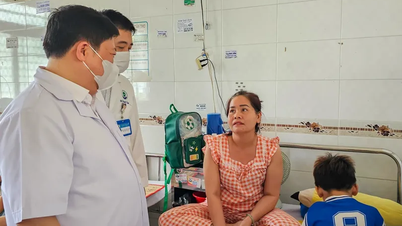
If a pregnant woman suspects she has dengue fever or experiences any related symptoms during pregnancy, it is crucial to go to the hospital immediately.
 |
| During pregnancy, the immune system is weakened, making expectant mothers more susceptible to infections such as dengue fever. |
Dengue fever can be particularly serious for pregnant women, so early detection and prompt treatment are crucial to ensure the best possible outcome for both mother and child. A low platelet count or bleeding from any part of the body are considered signs of dengue fever.
Treatment methods for dengue fever in pregnant women.
The danger of dengue fever depends on whether the pregnant woman is diagnosed early. Early diagnosis leads to highly effective treatment. Timely treatment of dengue fever during pregnancy ensures the health of both mother and fetus. Pregnant women undergoing dengue fever treatment should note the following:
Do not buy and use medication without a doctor's prescription, and do not administer intravenous fluids without a doctor's order.
Regular prenatal checkups are essential for monitoring blood pressure and platelet levels.
Mild to moderate cases of dengue fever can be treated at home on an outpatient basis with paracetamol 10-15mg/kg body weight if the fever is above 38°C to reduce fever and relieve pain. (For the safest approach, it is always advisable to use medication under the guidance of a doctor.)
It is advisable to drink plenty of water and fruit juices rich in vitamin C to prevent dehydration caused by vomiting, thus avoiding any potential impact on the pregnancy.
Eat easily digestible, liquid foods. Avoid greasy, spicy, and hot foods.
Maintain a relaxed state of mind, get plenty of rest, and engage in moderate exercise.
In cases of severe dengue fever, pregnant women need to be hospitalized and continuously monitored in an intensive care unit.
Dengue fever during labor is extremely dangerous, posing a risk of postpartum hemorrhage and potentially death.
Follow the treatment plan and instructions from healthcare professionals.
Steps to prevent dengue fever for pregnant women.
Prevention is the best way to avoid dengue fever, and whether at home, at work, or out and about, pregnant women should wear appropriate clothing and apply mosquito repellent.
 |
| You should use a mosquito net. |
Here are some measures to prevent dengue fever in pregnant women:
- Use mosquito repellent: Applying mosquito repellent containing DEET, picaridin, or lemon eucalyptus oil to exposed skin areas such as arms and legs can significantly reduce the risk of mosquito bites. Pregnant women should choose a safe insect repellent for use during pregnancy and follow the manufacturer's instructions.
- Wear long clothing: Covering up with long-sleeved shirts, long pants, and closed shoes can provide an extra layer of protection against mosquito bites, especially when outdoors.
- Stay indoors during peak mosquito hours: Mosquitoes are most active at dawn and dusk. Pregnant women should stay indoors and avoid outdoor activities during these times.
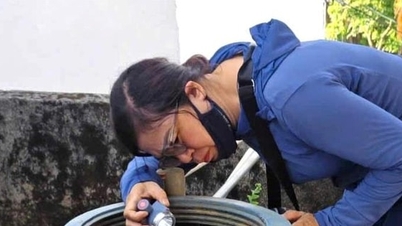
- Eliminate standing water: Mosquitoes breed in stagnant water, so it's essential to remove standing water around your home. Regularly check, empty buckets and containers, and turn them upside down to eliminate potential breeding grounds for mosquitoes.
- Install window and door screens: Installing screens on windows and doors can prevent mosquitoes from entering the house.
- Use mosquito nets: If you live in an area with many mosquitoes or travel to areas at risk of dengue fever, use mosquito nets while sleeping.
Source


![[Image] Hanoi's urban life under the challenge of a "scorching hot" environment](https://vphoto.vietnam.vn/thumb/1200x675/vietnam/resource/IMAGE/2026/05/25/1779706979265_nang-nong-t5-2026-minh-duy-7-4636-jpg.webp)




























































































Comment (0)