

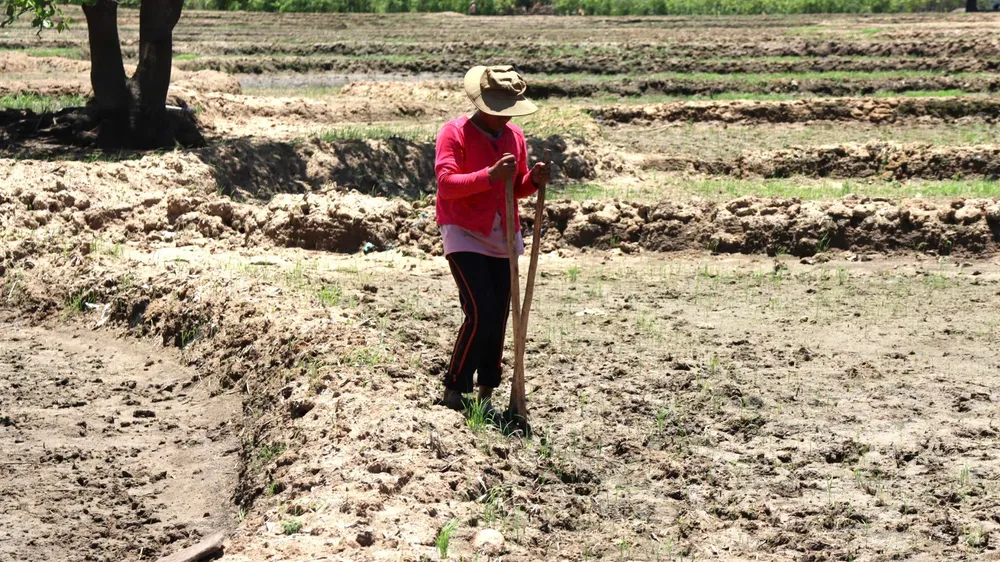
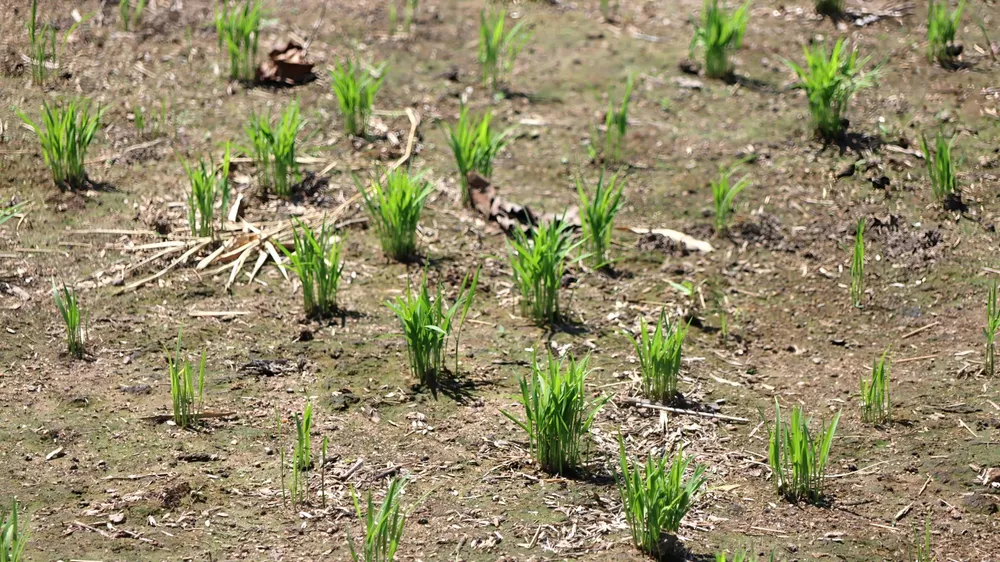
According to locals, upland rice has a growing season of about 6 months, with only one crop planted per year. This is a long-standing traditional farming method. Unlike paddy rice, this variety is usually taller, suitable for areas lacking irrigation water and heavily dependent on natural water sources. In May, when the first rains of the season fall, it is also the time to begin planting.
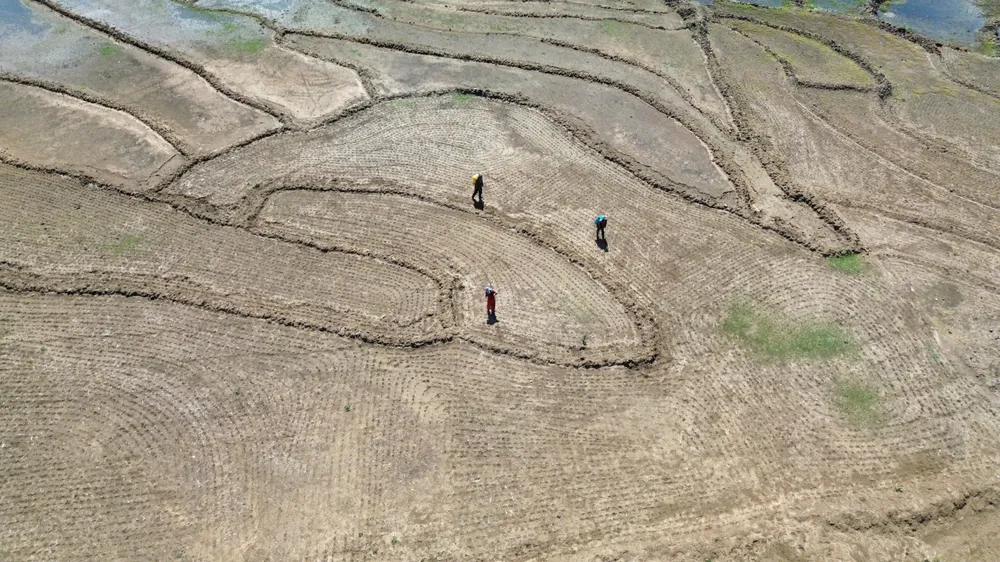
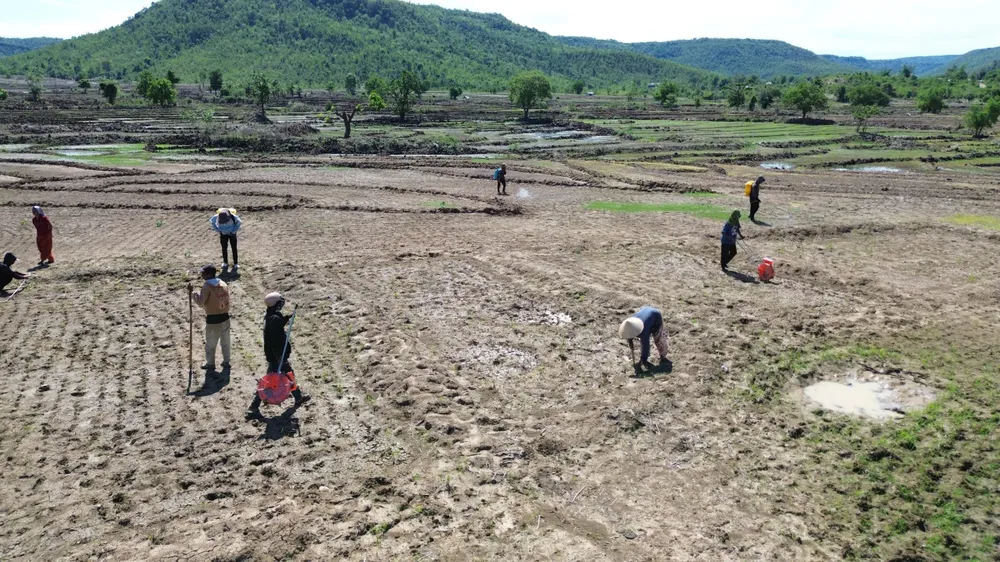
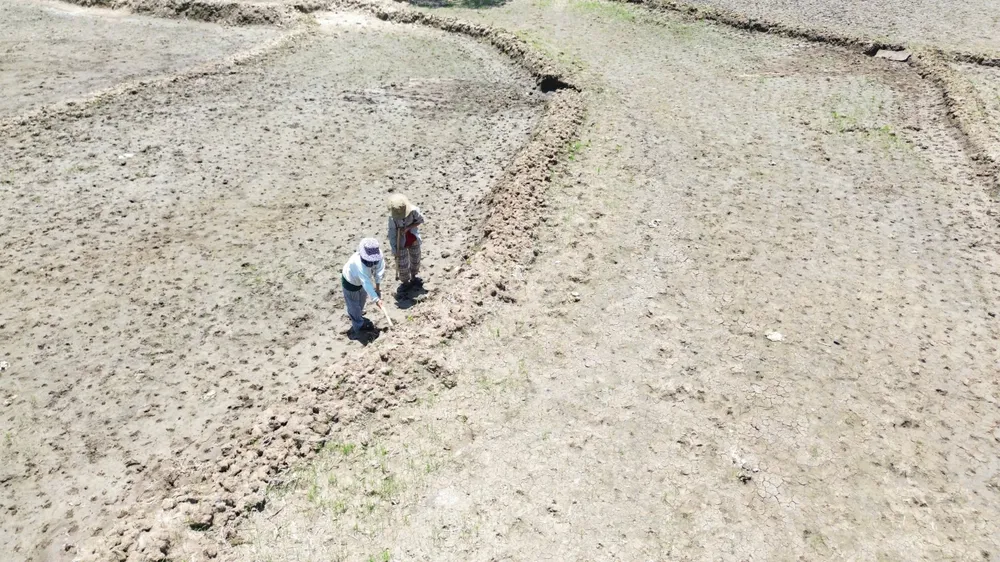
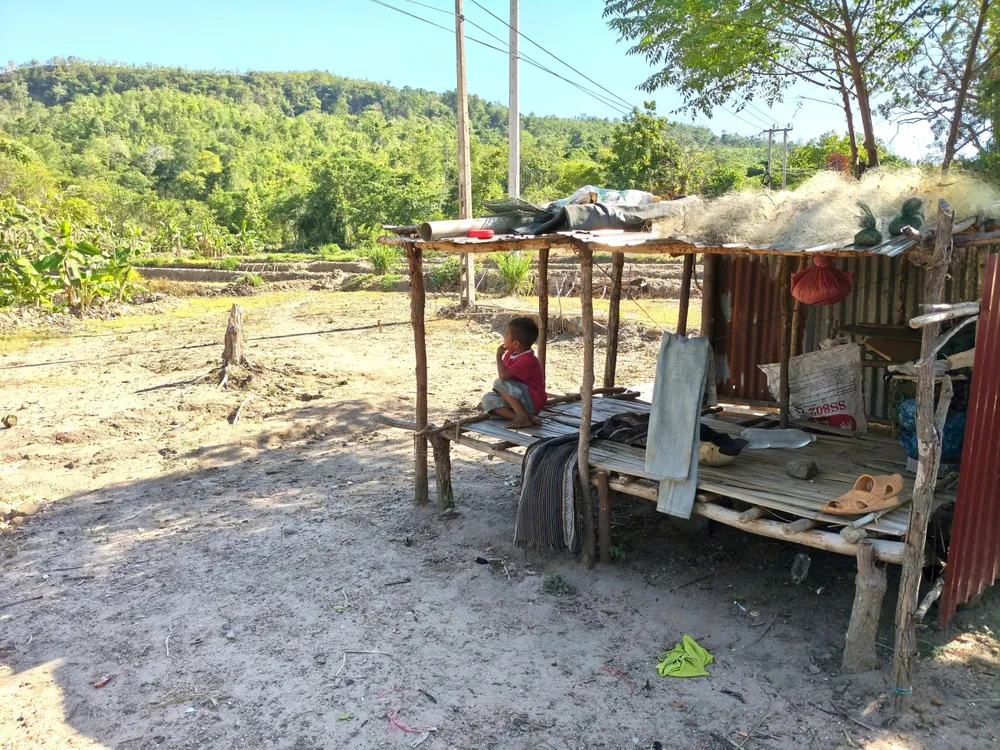
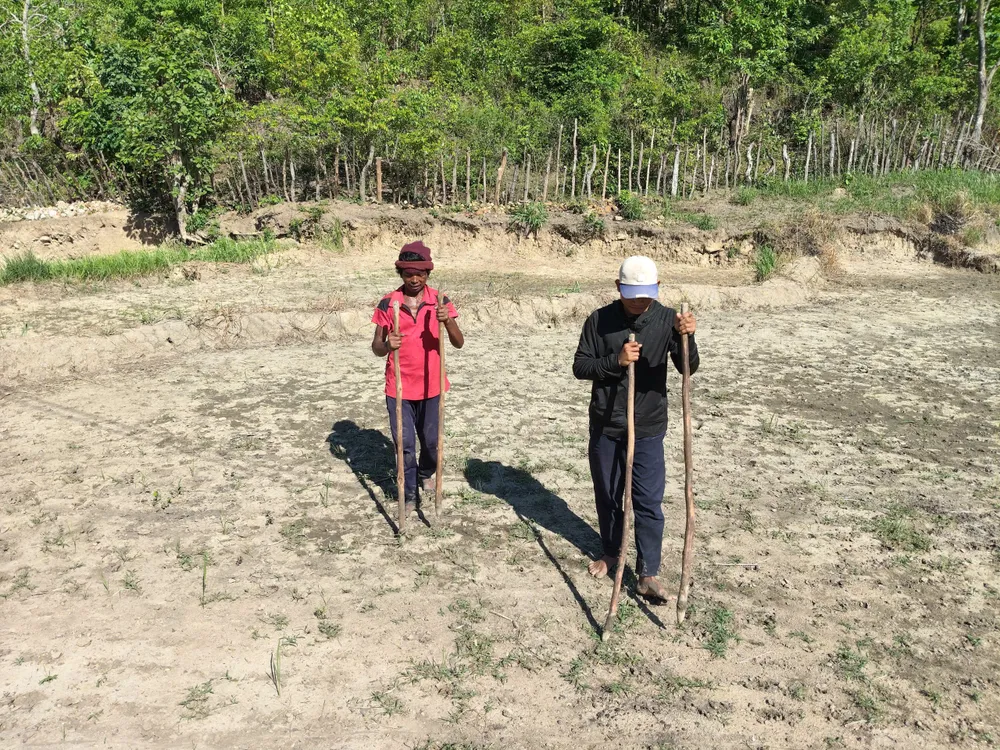
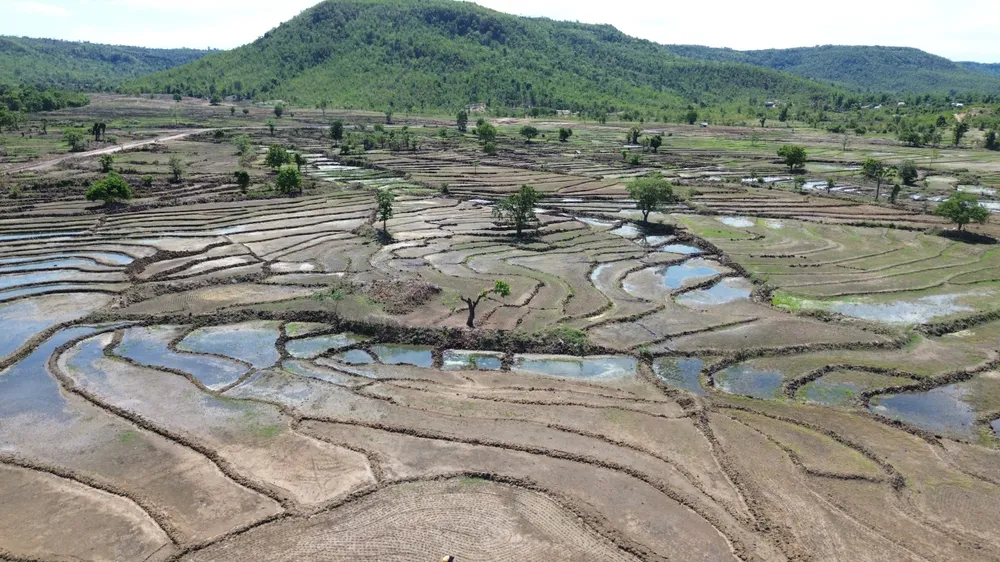
In Al Bá commune, Gia Lai province, the fields nestled at the foot of the hills have been cleared of weeds and prepared for planting. From early morning, groups of people carrying seeds and tools have been heading to the fields to sow rice in a bustling atmosphere.
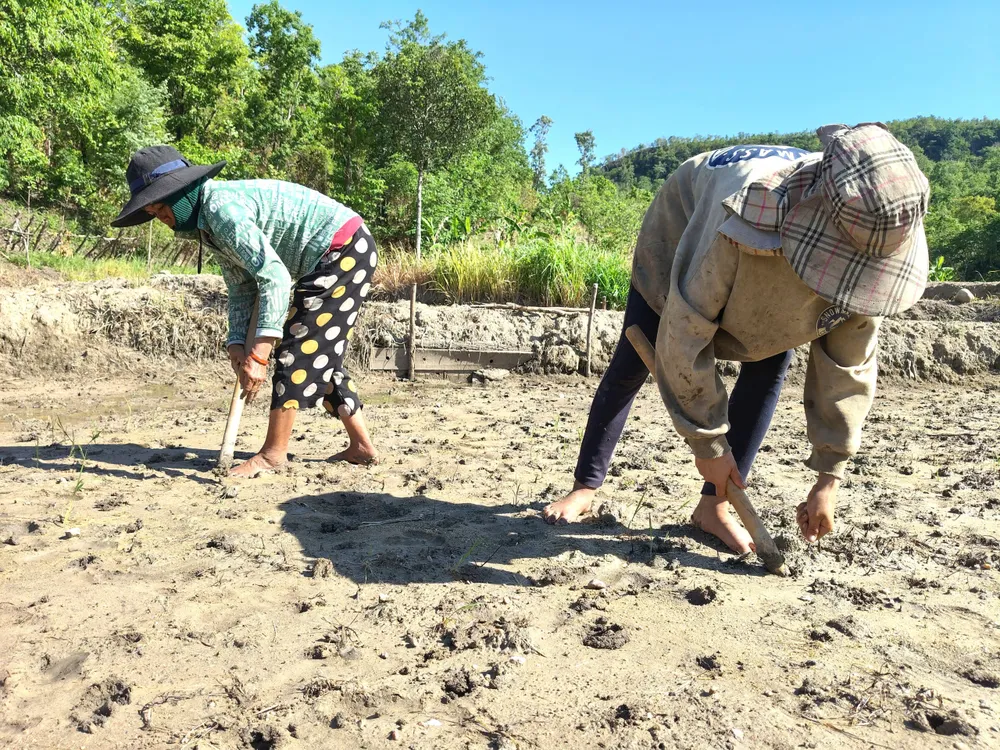
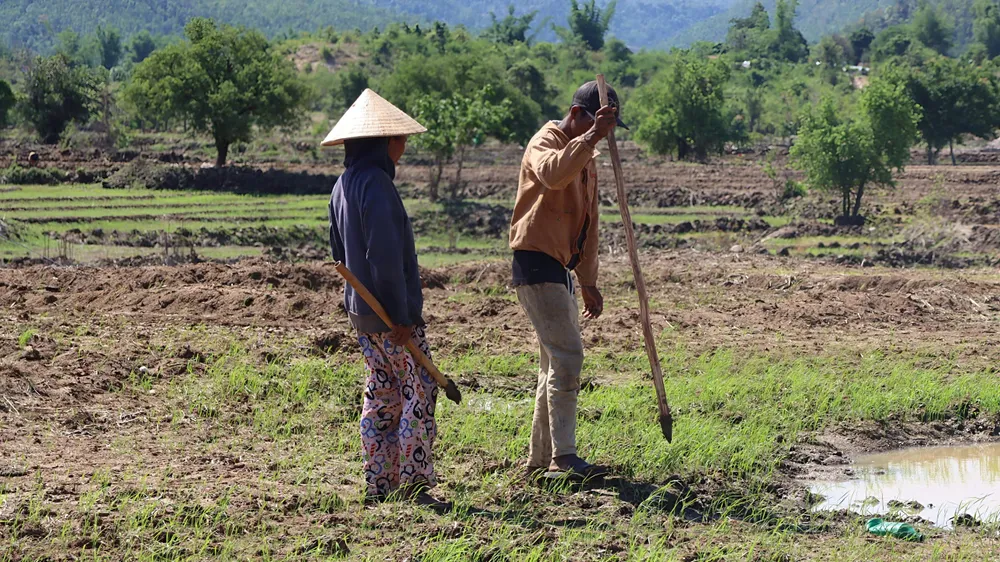
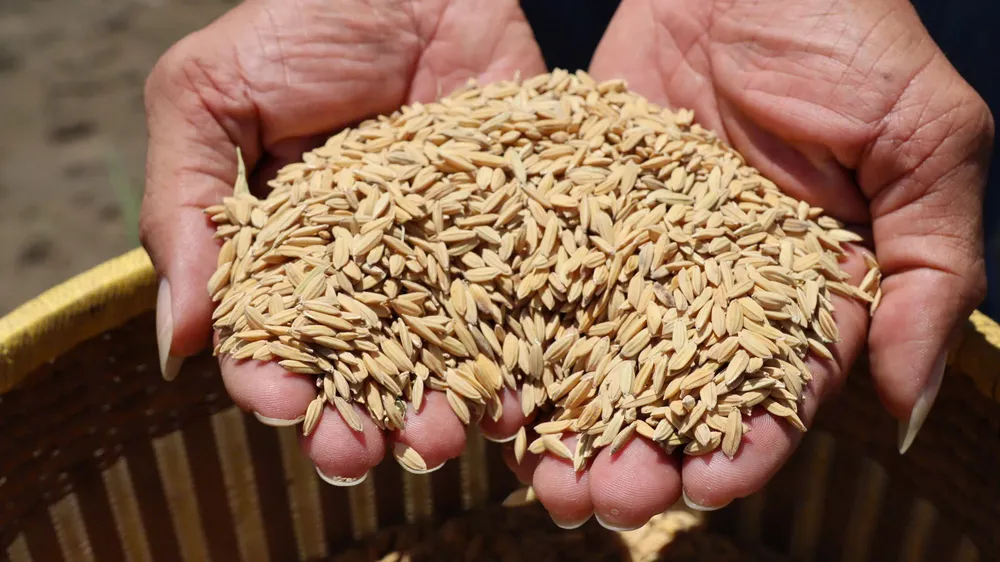
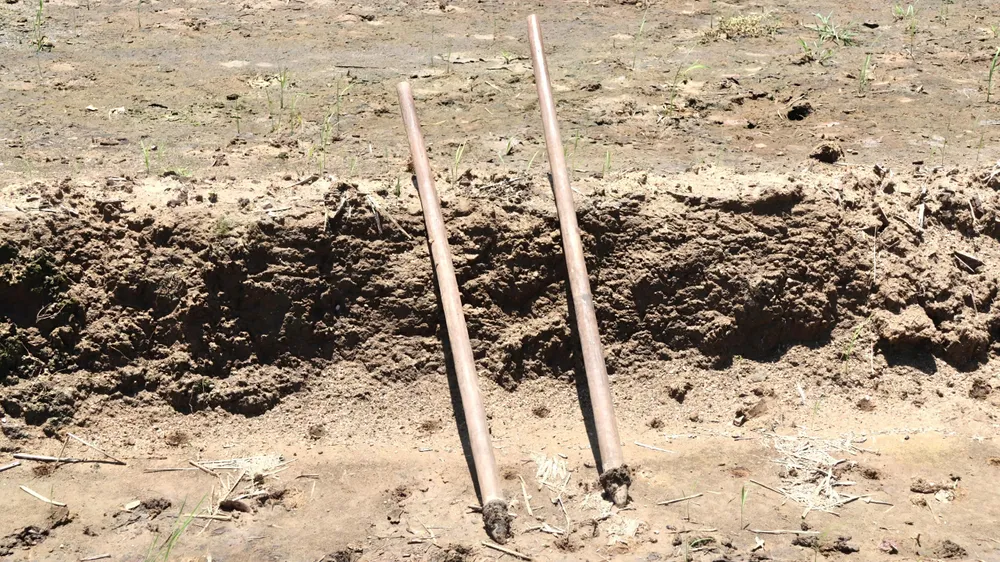
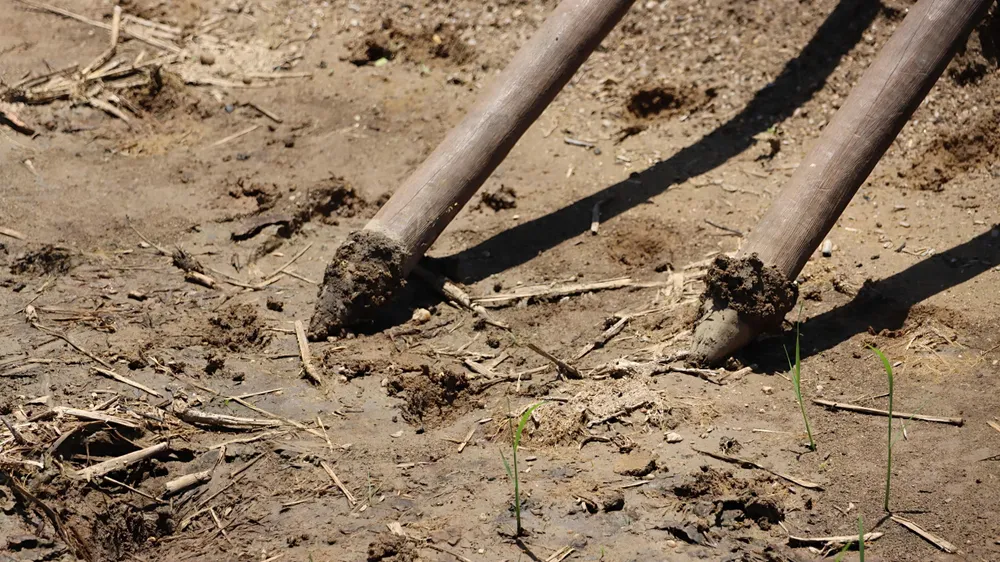
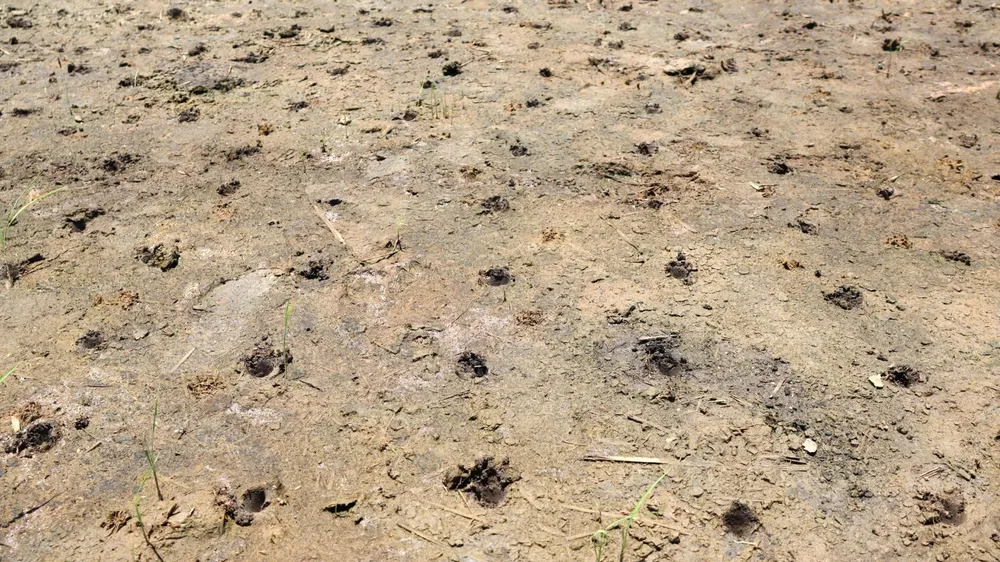
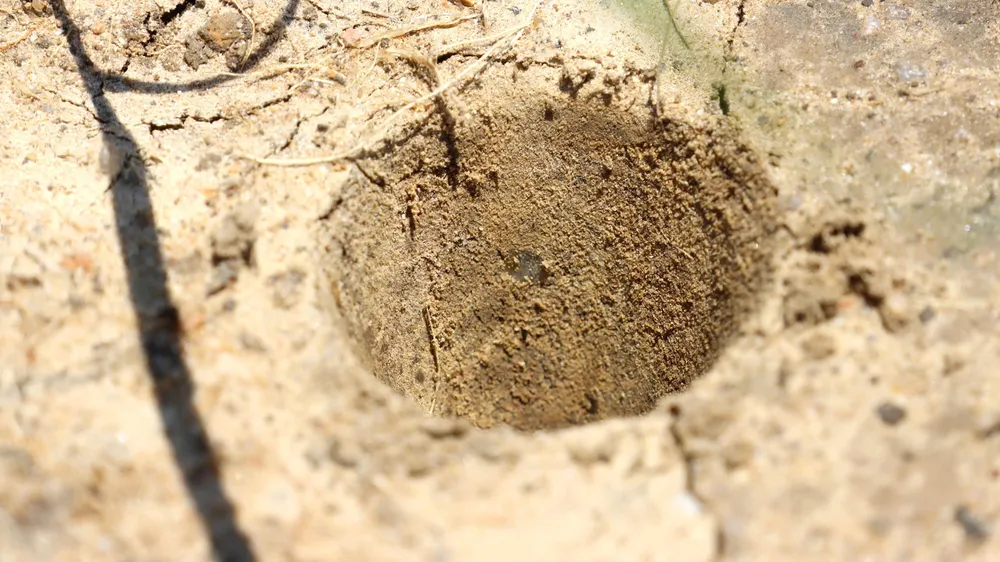
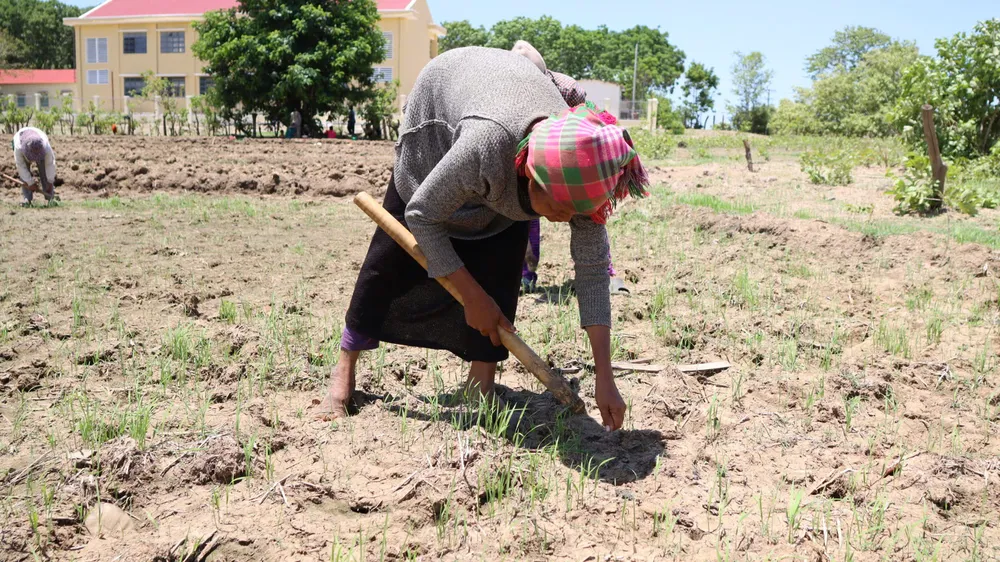
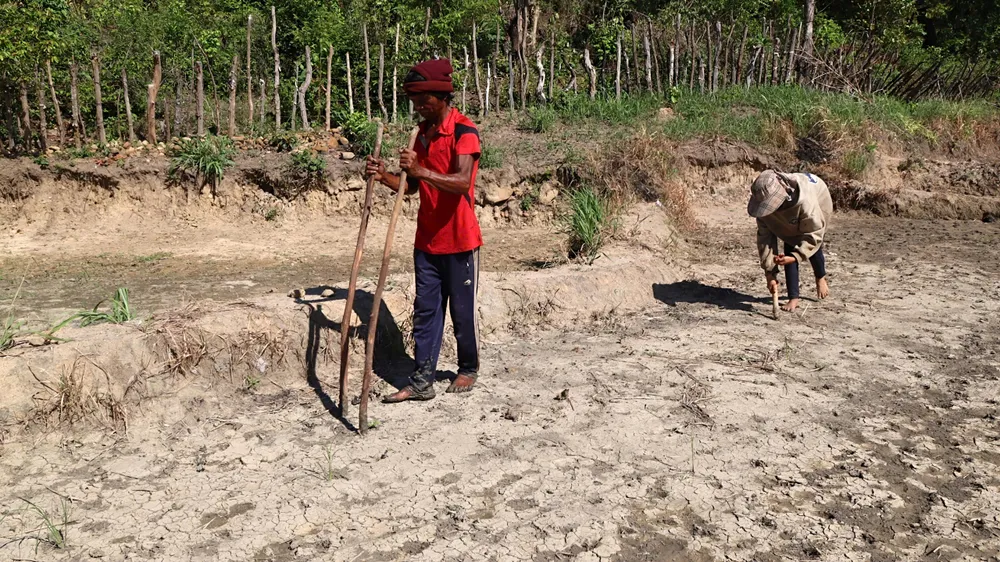
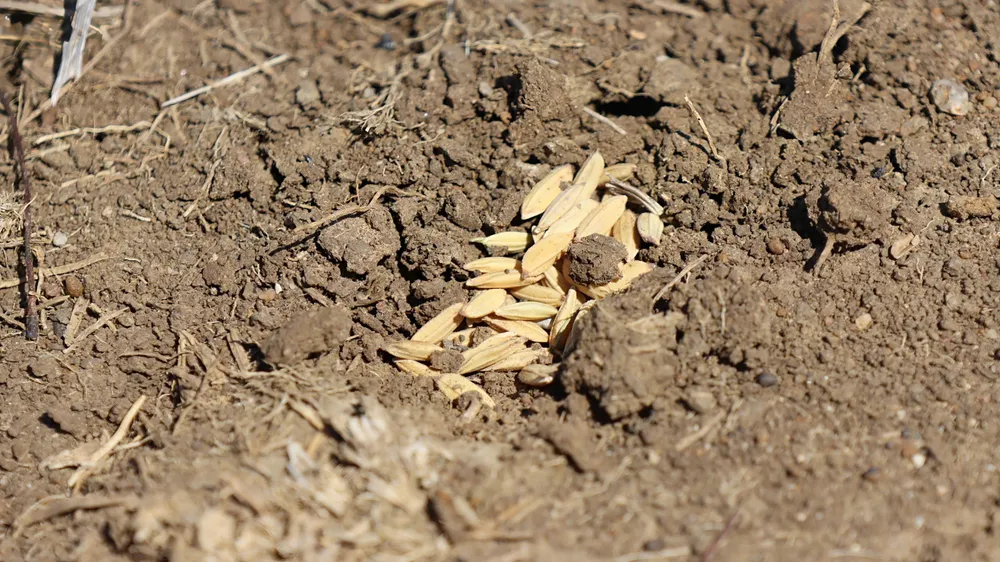
There are two common methods of rice planting. The traditional method involves using a pointed stick to poke small holes in the ground, then having a person behind place the seeds in and cover them with soil. This method is entirely manual, labor-intensive, and requires the worker to constantly bend over in the field.
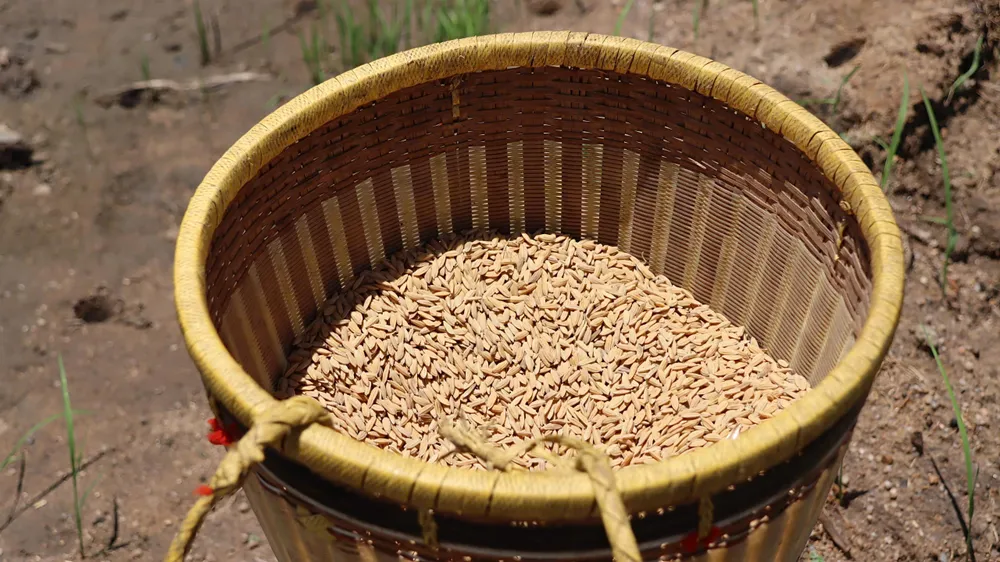
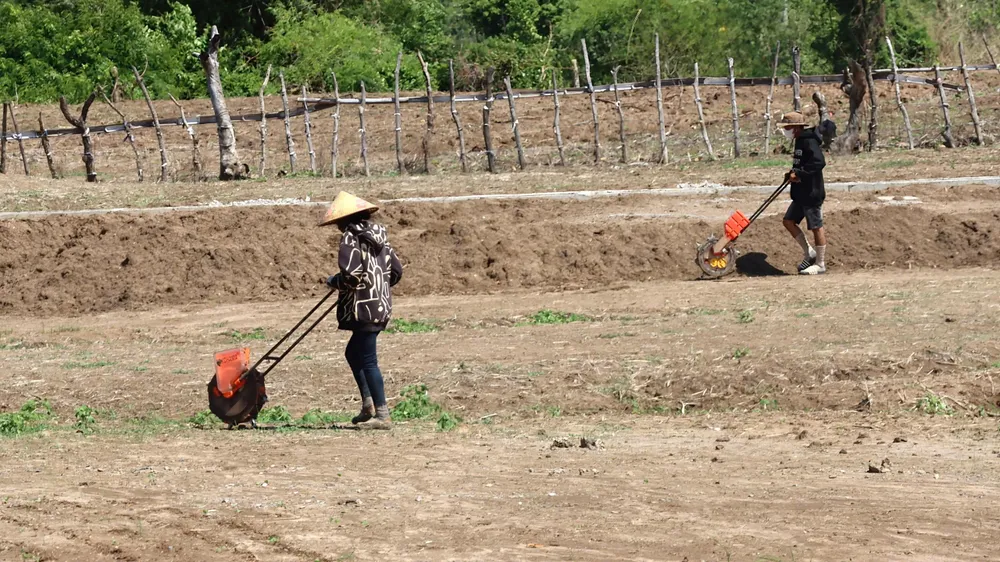
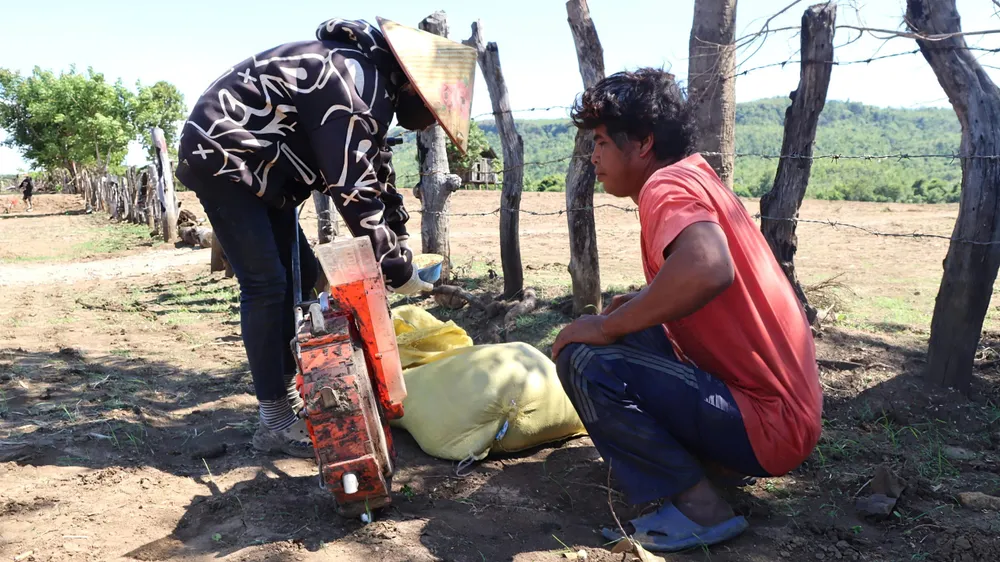
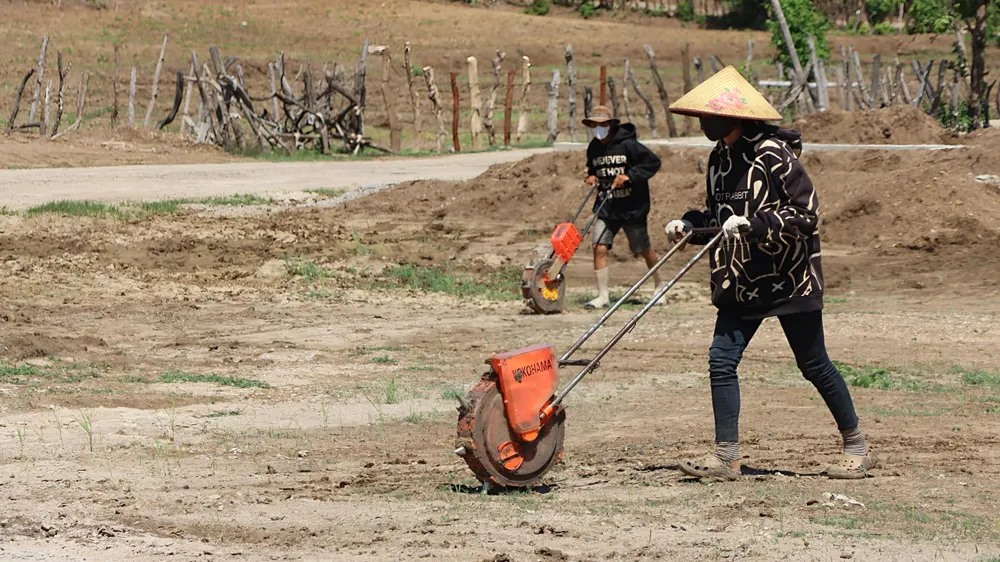
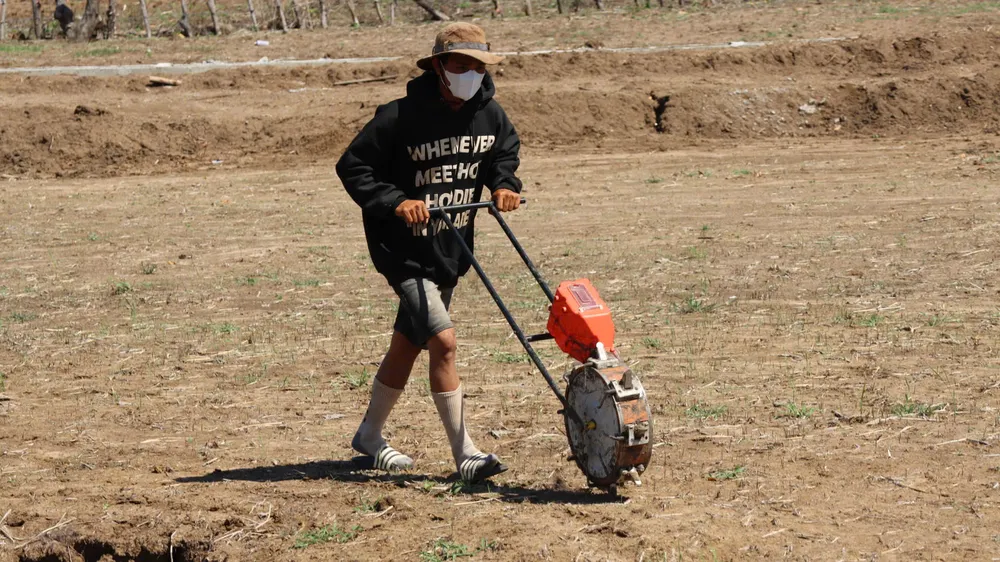
In addition, many households have used rice planting tools with wheels fitted with pointed tips. People simply pour the seeds into the container and push the wheel across the ground. As the wheel rolls, the pointed tips create holes, and the seeds fall to the ground, reducing labor and shortening planting time.
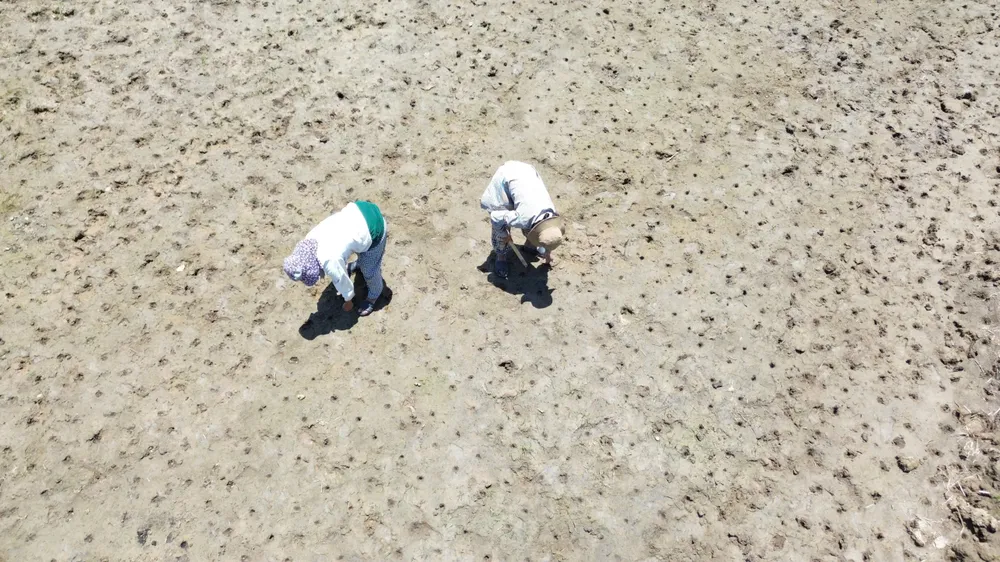
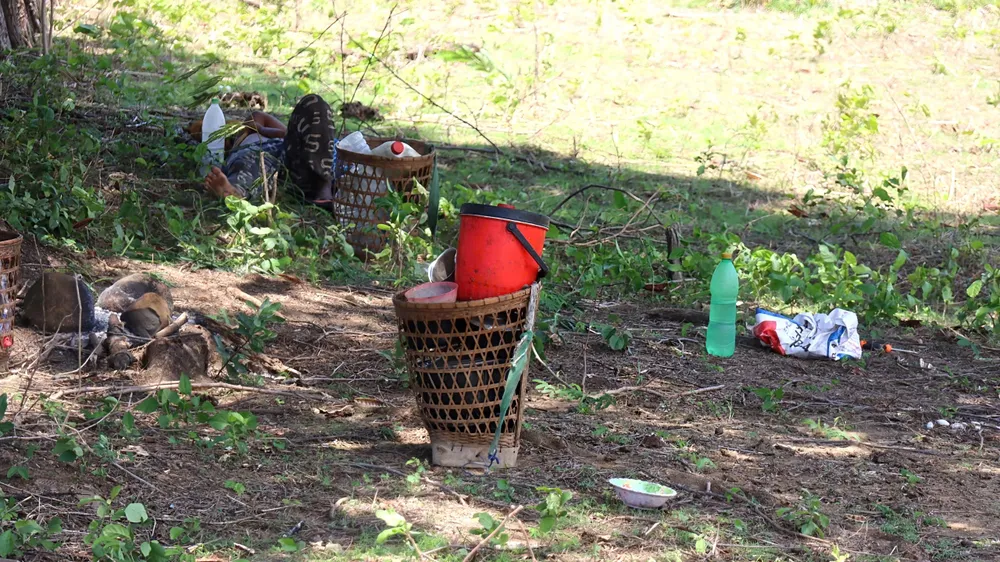
In the fields, people plant rice in groups, one after the other, in a rhythmic motion under the sun. After work, they rest under the shade of ancient trees and eat the meal they brought with them.
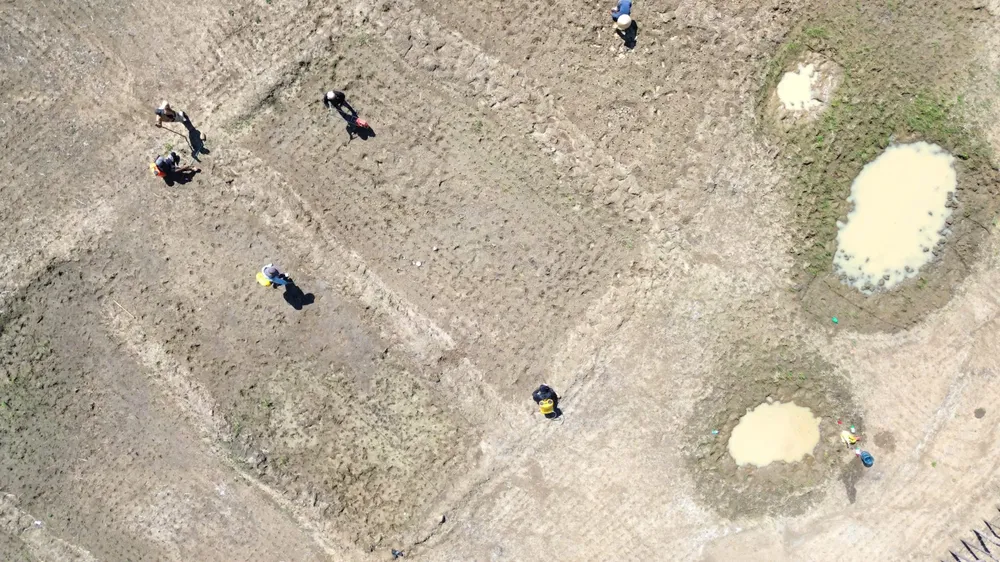
The seeds sown at the beginning of the rainy season today carry the hope of a bountiful harvest for the people of the highlands.
Below are images captured by SGGP newspaper reporters showing people in Al Bá commune planting rice:
Source: https://www.sggp.org.vn/mua-len-ray-tria-lua-o-vung-cao-gia-lai-post854747.html
![[Image] Nearly 125,000 Hanoi students completed the Literature exam for the 10th grade entrance exam.](https://vphoto.vietnam.vn/thumb/1200x675/vietnam/resource/IMAGE/2026/05/30/1780117233041_ndo_br_thiet-ke-chua-co-ten-2-png.webp)


























![[Photo] Admire the coral "masterpiece" amidst the million-year-old heritage of Dak Lak province.](https://vphoto.vietnam.vn/thumb/1200x675/vietnam/resource/IMAGE/2026/05/30/1780107638639_y25-jpg.webp)


































































Comment (0)